
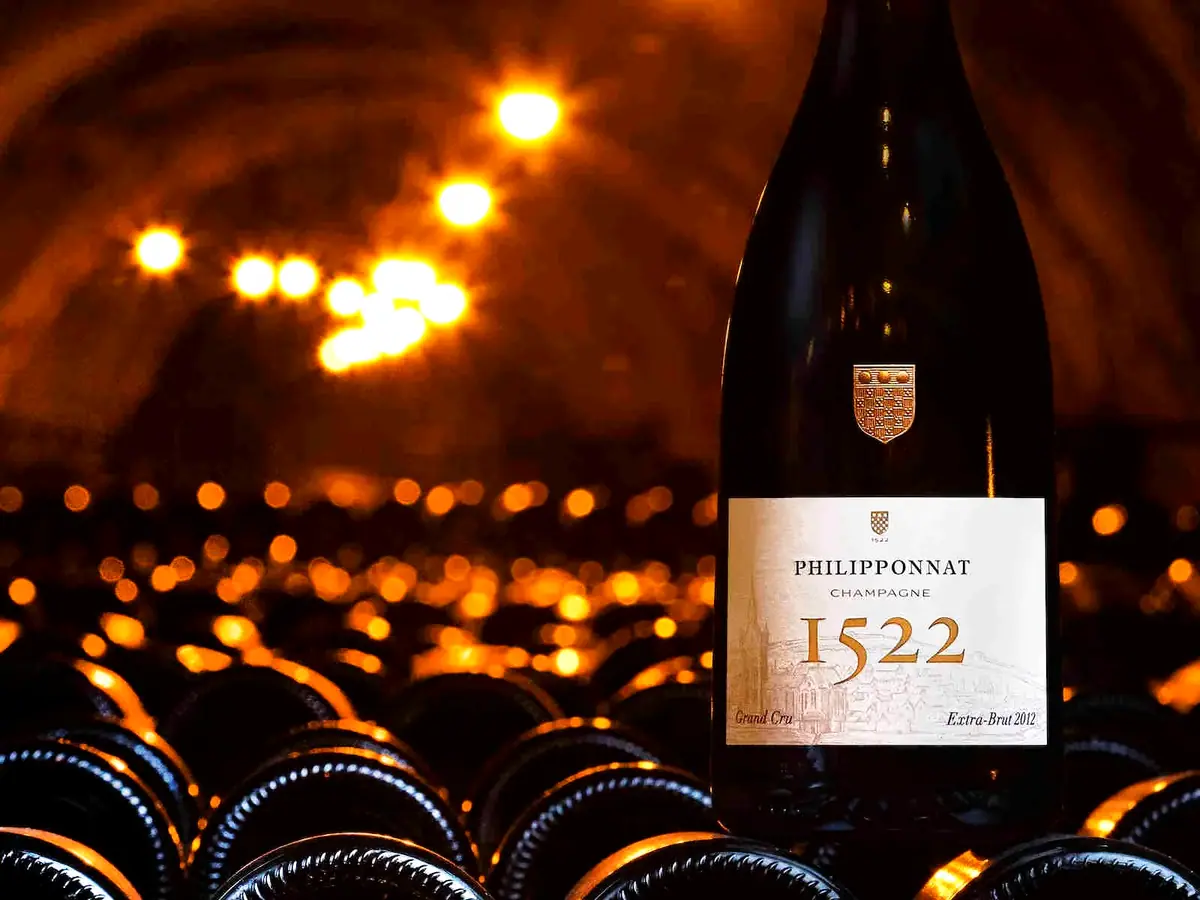
Philipponnat Champagne
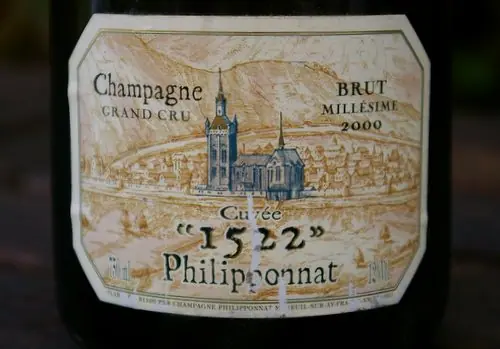
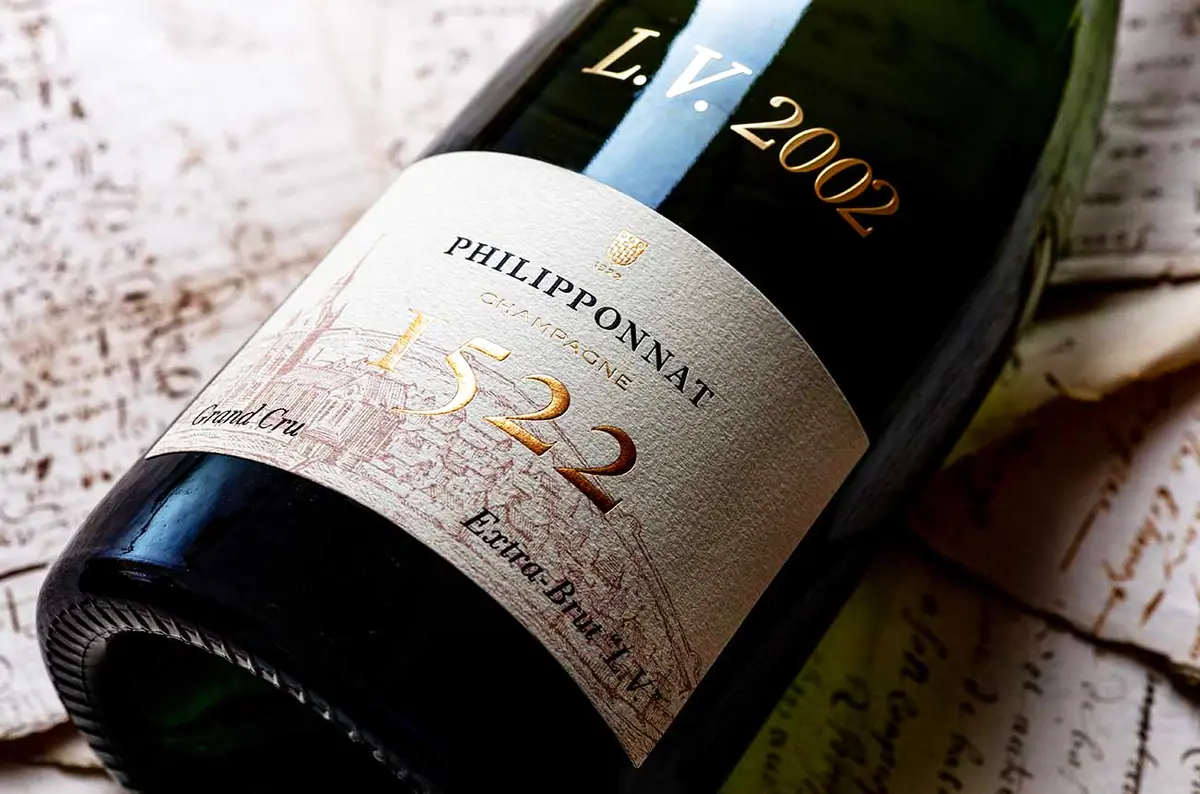 Philipponnat Champagner Flasche
01History of the House of Philipponnat
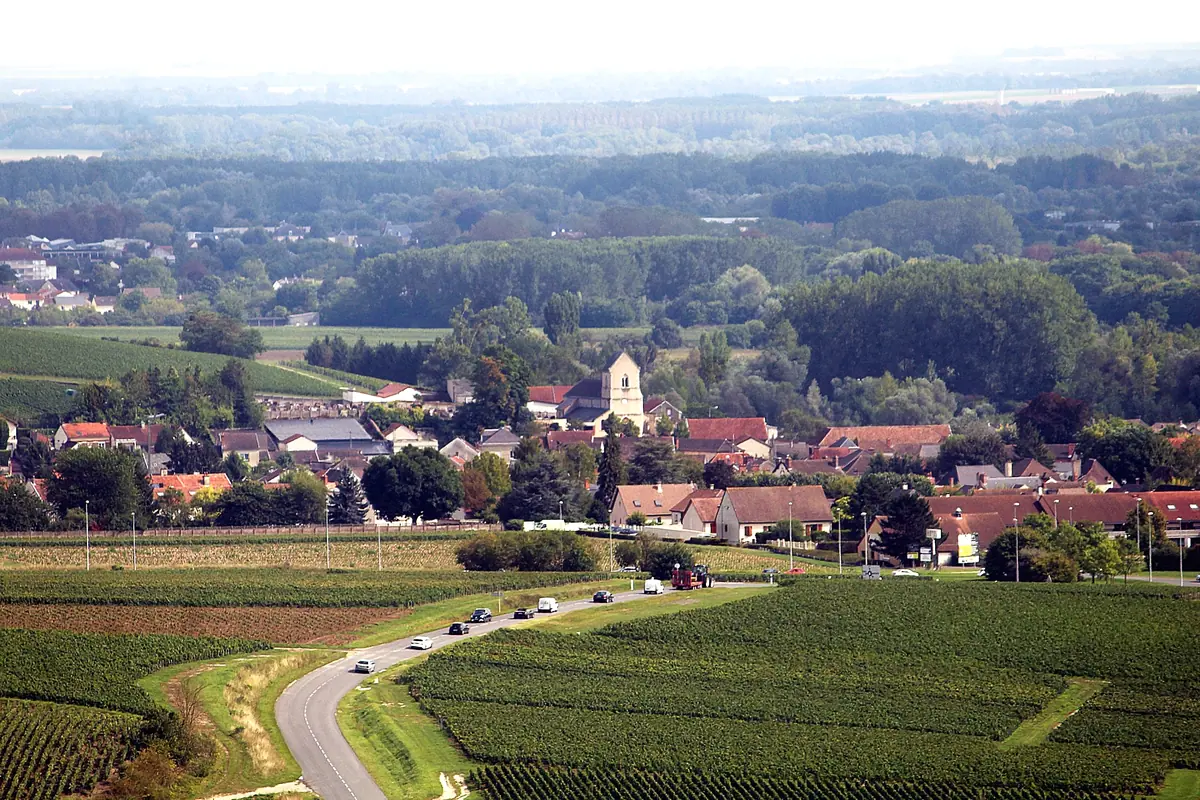
The renowned champagne house of Philipponnat was founded in 1910 in the picturesque village of Mareuil-sur-Aÿ, a commune with a special reputation in the wine world. The house goes back to the long-established Philipponnat family, who had already been growing vines for centuries. In fact, the family's winegrowing tradition reaches back to 1522, when the first family members settled in Aÿ and began cultivating vines.
Over the centuries the family acquired numerous parcels in the best sites of Champagne. This long experience and thorough knowledge of viticulture in the region laid the foundation for the quality and success of Philipponnat Champagne today.
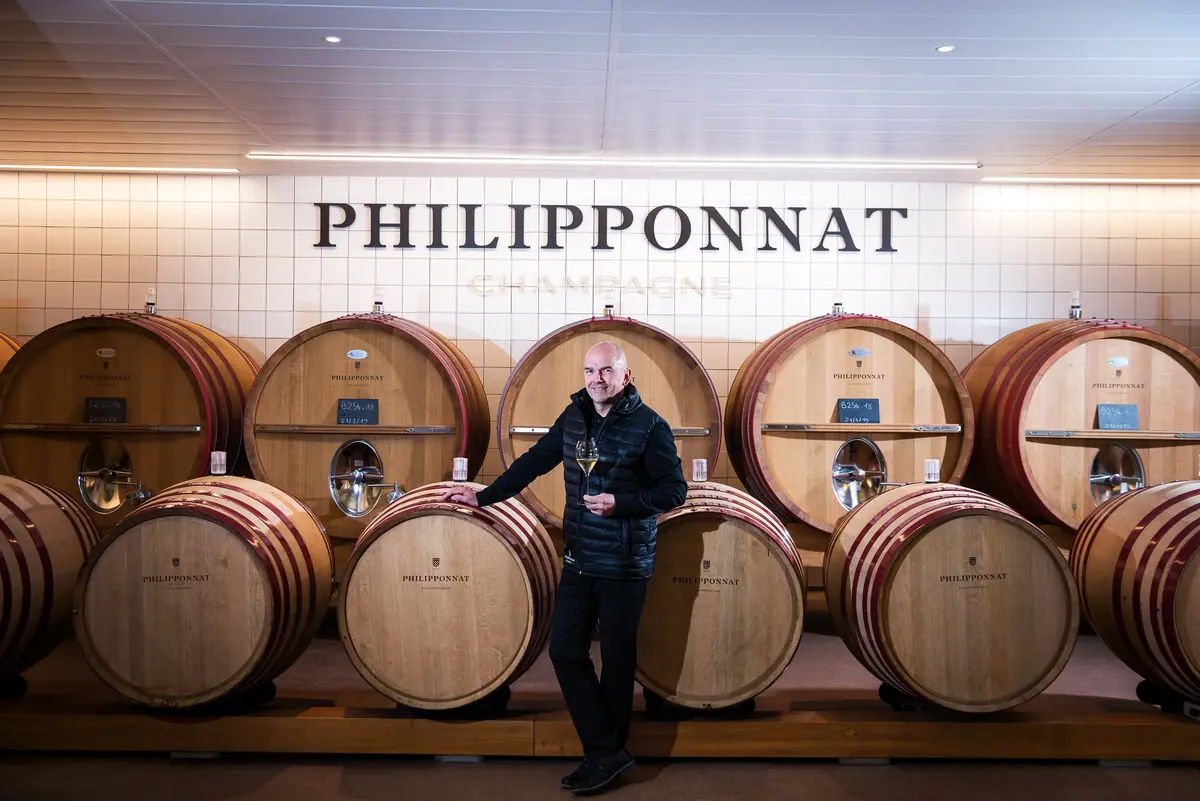 Philipponnat Champagner Inhaber
02Takeover by Bruno Paillard
In 1987 the house of Philipponnat went through a significant change when it was taken over by the champagne company Bruno Paillard. The acquisition allowed Philipponnat Champagne to benefit from the resources and know-how of the Paillard family, while keeping its independence and distinctive style.
 Champagne
03Clos des Goisses
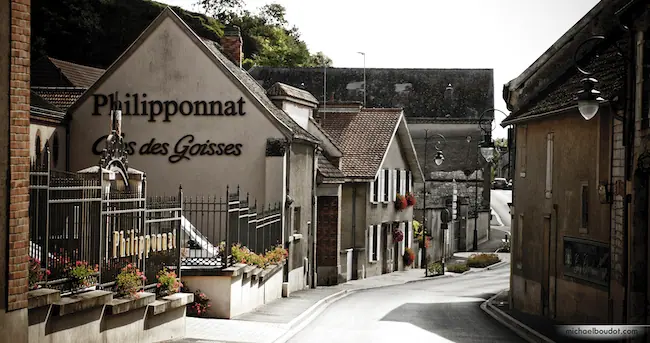
The flagship of the house of Philipponnat Champagne is without doubt the prestige cuvée "Clos des Goisses". This exceptional champagne comes from a unique single vineyard of 5.5 hectares, facing south on an extreme slope of 45 degrees. This special site gives optimal sun exposure and contributes to the exceptional ripeness of the grapes.
Clos des Goisses is made mainly from Pinot Noir (70%) and Chardonnay (30%) and is produced only in the best vintages. Outstanding vintages include 1985, 1988, 1989 and 1990. The cuvée stands out for its incredible complexity, power and longevity. Clos des Goisses is regarded as one of the finest and longest-lived champagnes of all, and a symbol of the excellence and innovative spirit of the house of Philipponnat.
 Dizy
04Current vineyard holdings and production of Philipponnat Champagne
The vineyards of Philipponnat Champagne now cover a total of 20 hectares, of which 12 hectares are owned by the house. These own vineyards supply about 20% of the house's grape requirements. The remaining grapes come from long-standing partner growers who meet Philipponnat's high quality standards.
The house's vineyards are planted mainly with Pinot Noir, as this variety forms the backbone of most Philipponnat cuvées. Chardonnay is also grown, and Pinot Meunier to a lesser extent. This careful selection and tending of the vineyards ensures the consistently high quality of Philipponnat champagnes.
 A la volée Werkzeug
05Production methods and philosophy
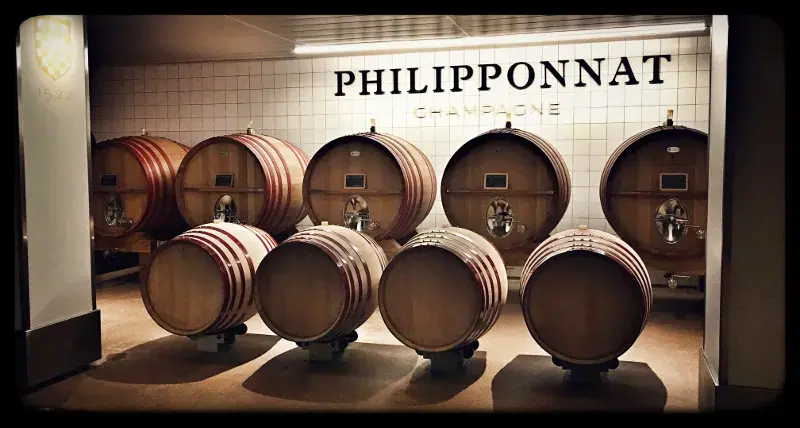
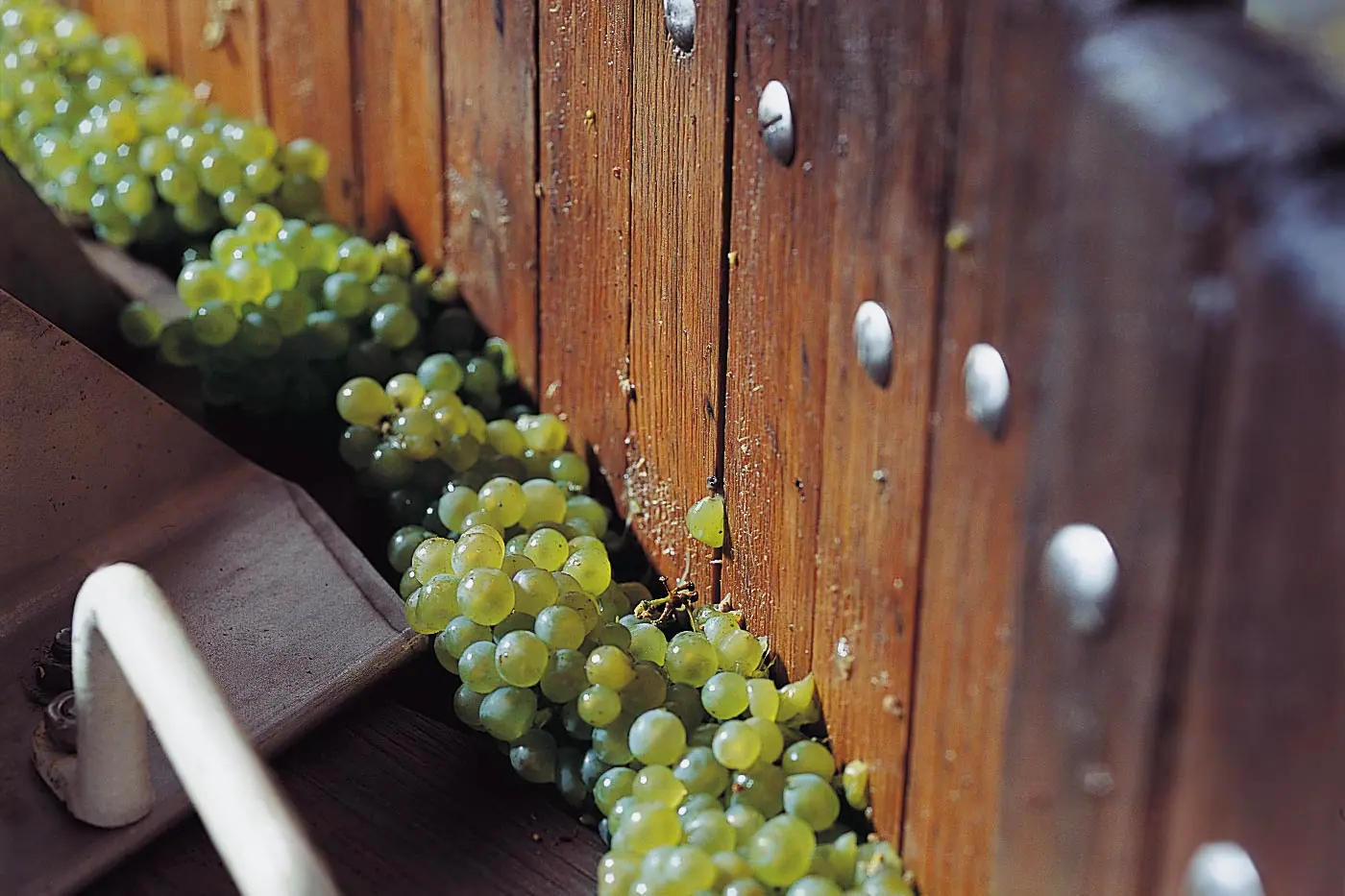
Philipponnat Champagne places great value on traditional production methods, combined with modern techniques to improve quality. The grapes are picked by hand, so that only the best and ripest fruit is used. After the harvest the grapes are gently pressed and the must is fermented in temperature-controlled stainless steel tanks.
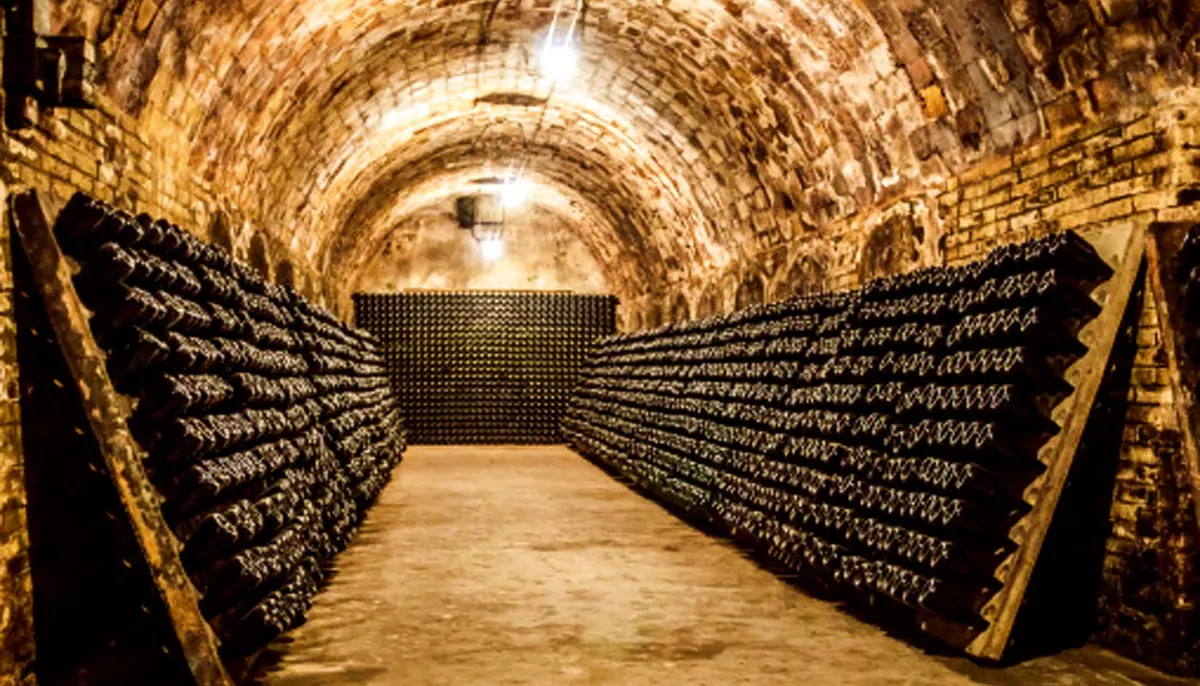
A particular feature of Philipponnat champagnes is the long ageing on the lees. This extended maturation gives the wines additional complexity and depth. For its best cuvées the house also often uses reserve wines that are several years old, to add a further dimension and maturity.
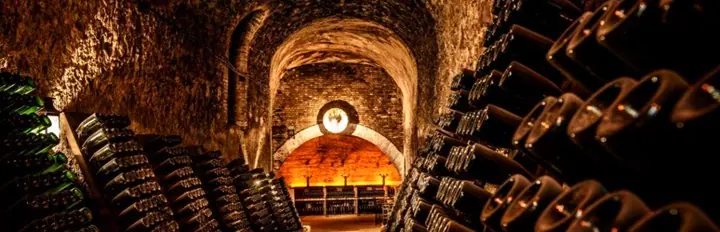
 Champagner Keller
06Headquarters and visitor centre
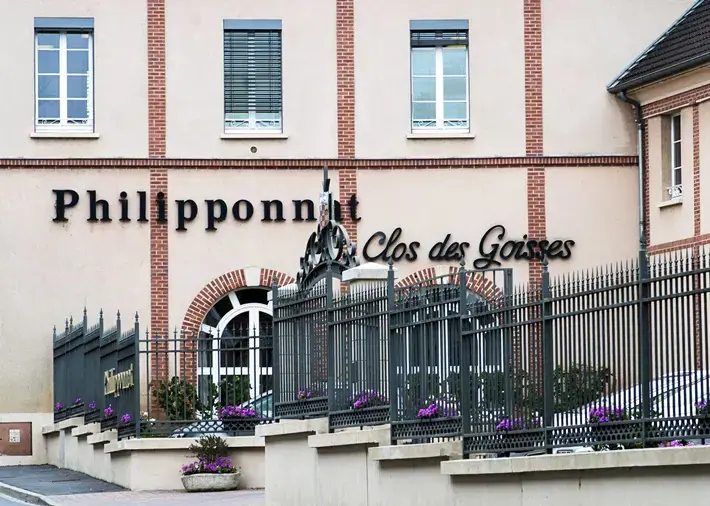
The headquarters of Philipponnat Champagne are still in Mareuil-sur-Aÿ, where the family has its roots. The historic estate and the modern production facilities are a popular destination for wine lovers from all over the world. Visitors can tour the vineyards, take part in tastings and learn about the fascinating history of the house.
 Jahrgänge: Beschreibung aller Champagner Jahrgänge seit 1815
07Conclusion
Philipponnat Champagne is a prime example of a champagne house that honours its roots and traditions while looking to the future. With its famous Clos des Goisses and careful craftsmanship, it has earned a firm place in the world of fine champagne. The combination of historic heritage, innovative techniques and unwavering dedication to quality makes Philipponnat one of the most respected and sought-after names in Champagne.
Pictures
 Bottle
 0 %
