
- Département
- Aube (Grand Est region)
- Site
- Bar-sur-Aube area, about 50 km east-south-east of Troyes
- Inhabitants
- 252 (2023)
- Source
- Wikipedia, eigene Zusammenfassung
Baroville is a winegrowing village in the Aube département, near Bar-sur-Aube. With 217 hectares it has the largest vineyard area in the district and grows mainly Pinot Noir.
Location
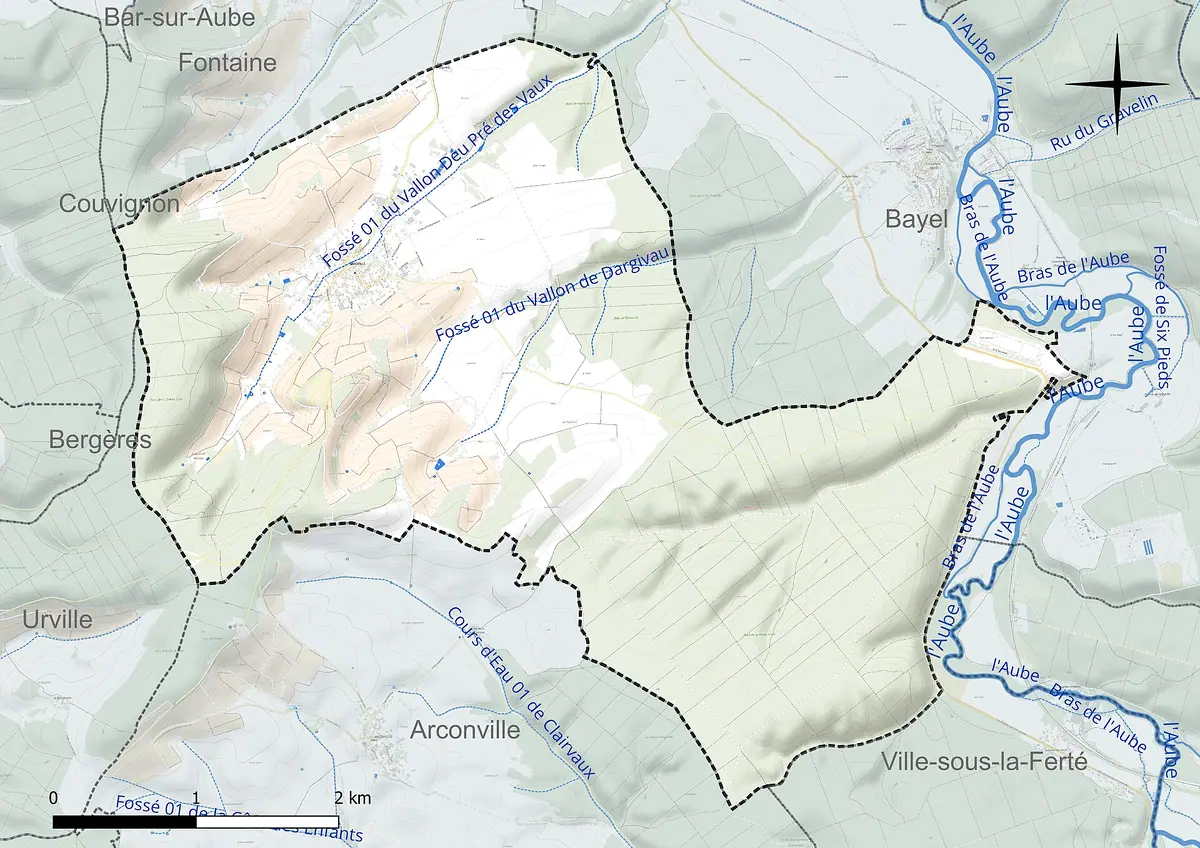
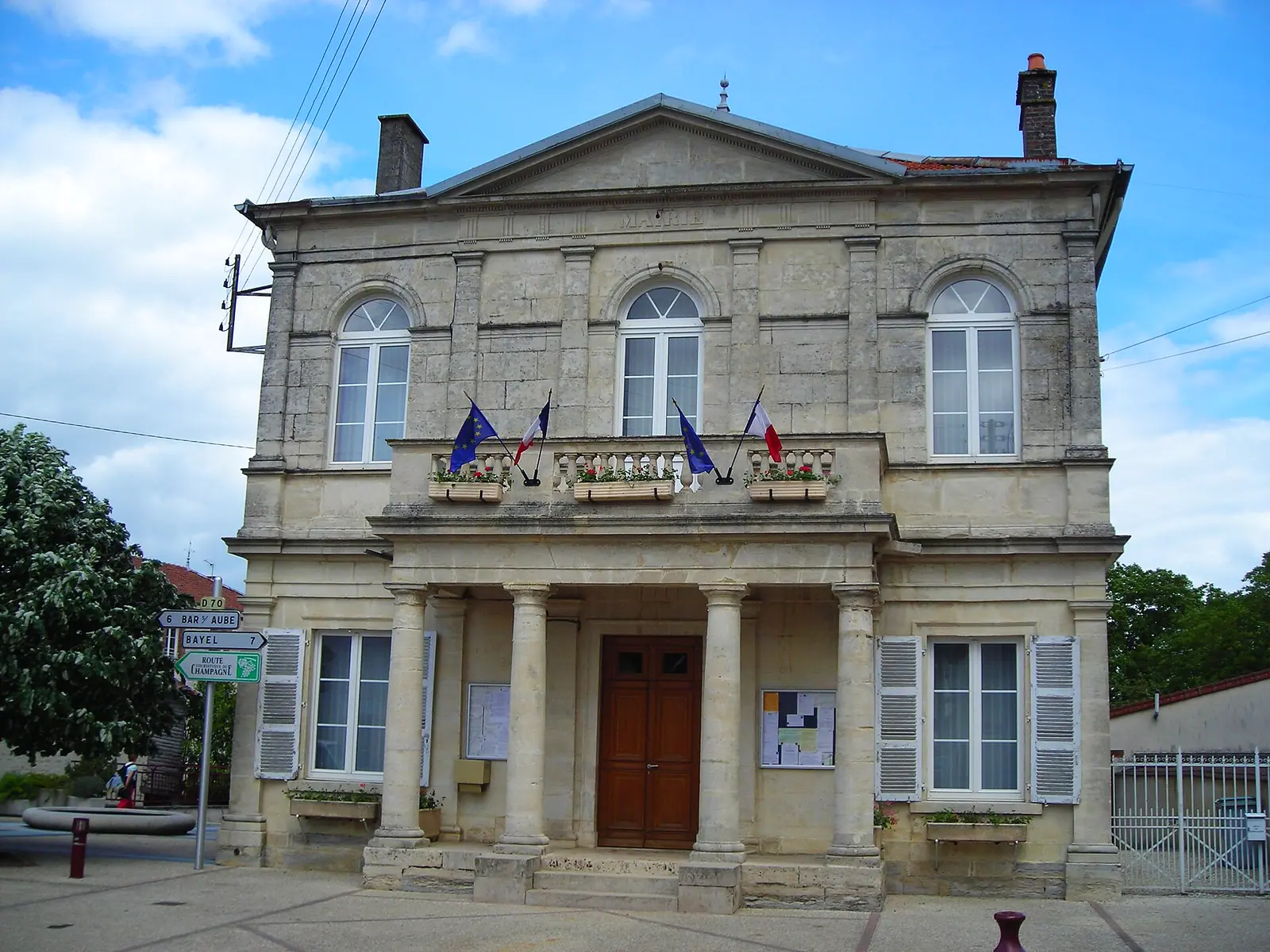
Baroville lies in the south of Champagne, in the Aube département (Grand Est region), about 50 kilometres east-south-east of Troyes. The village belongs to the canton and arrondissement of Bar-sur-Aube. Among its neighbours are Bayel, Couvignon, Urville and Arconville. With 252 inhabitants (2023), Baroville is a small village with scattered buildings. More than half of the commune's land is forest, with the rest made up of farmland and vineyards.
Viticulture
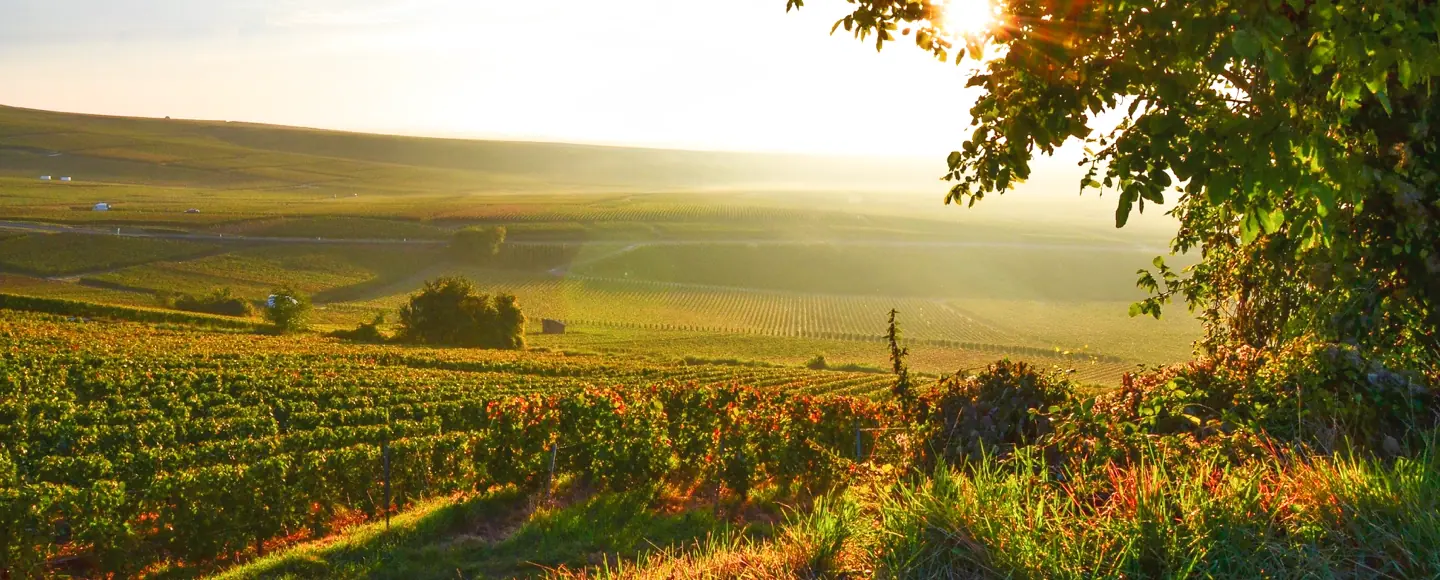
The vine shapes the village: viticulture is its most important economic activity. Baroville is one of the 320 communes entitled to carry the name Champagne, but it has neither Grand Cru nor Premier Cru status. According to CIVC figures from 2006, 217 hectares are planted with vines here. That is the largest vineyard area in the Bar-sur-Aube district. More than fifty wine-growing estates work in the village.
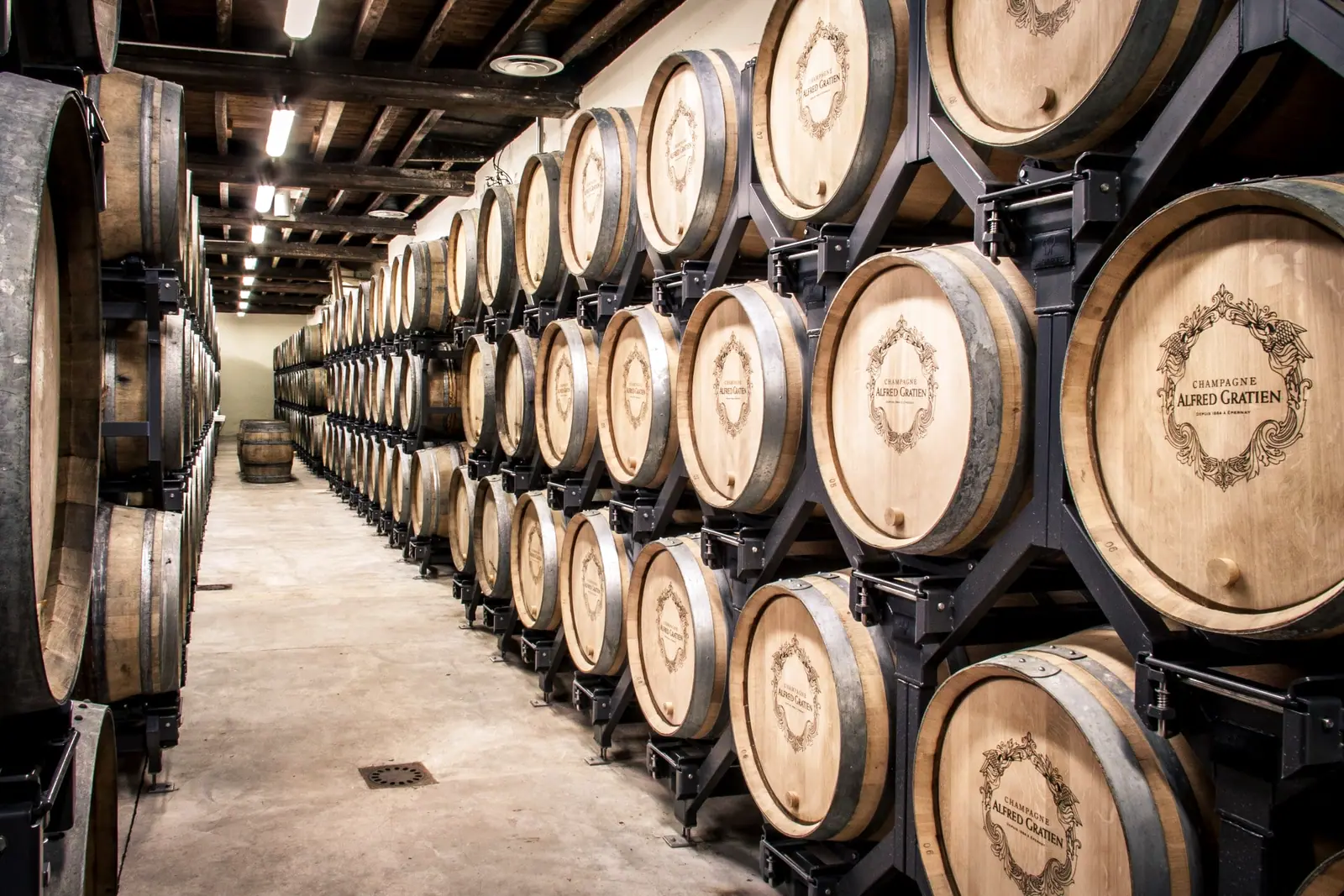
The vineyards are spread across six small valleys. The grape variety split is striking:
- Pinot Noir: 90 per cent
- Chardonnay: 8 per cent
- Pinot Meunier: 2 per cent
Anyone who knows the champagnes of the Aube knows that Pinot Noir plays the leading role here. For drinkers, that means champagnes from Baroville and its surroundings often stand for richness and fruit, rather than the lean, steely precision you associate with the Chardonnay-dominated Côte des Blancs.
With 252 inhabitants (2023), Baroville is a small village with scattered buildings.
History
The village name first appears in 1095 as Basnoville or Barosvilla. It goes back to an early medieval estate named after a Germanic personal name, probably Baro. On 1 February 1628 a fire destroyed half of the village. Before the Revolution, Baroville came under the tax district of Bar-sur-Aube and, ecclesiastically, the diocese of Langres.
There was a link to the Cistercian abbey of Clairvaux. In the Val de Morvaux stood a fortified complex that served as the abbots' summer residence in the 18th century. It was destroyed during the Revolution, and today only its site recalls it.
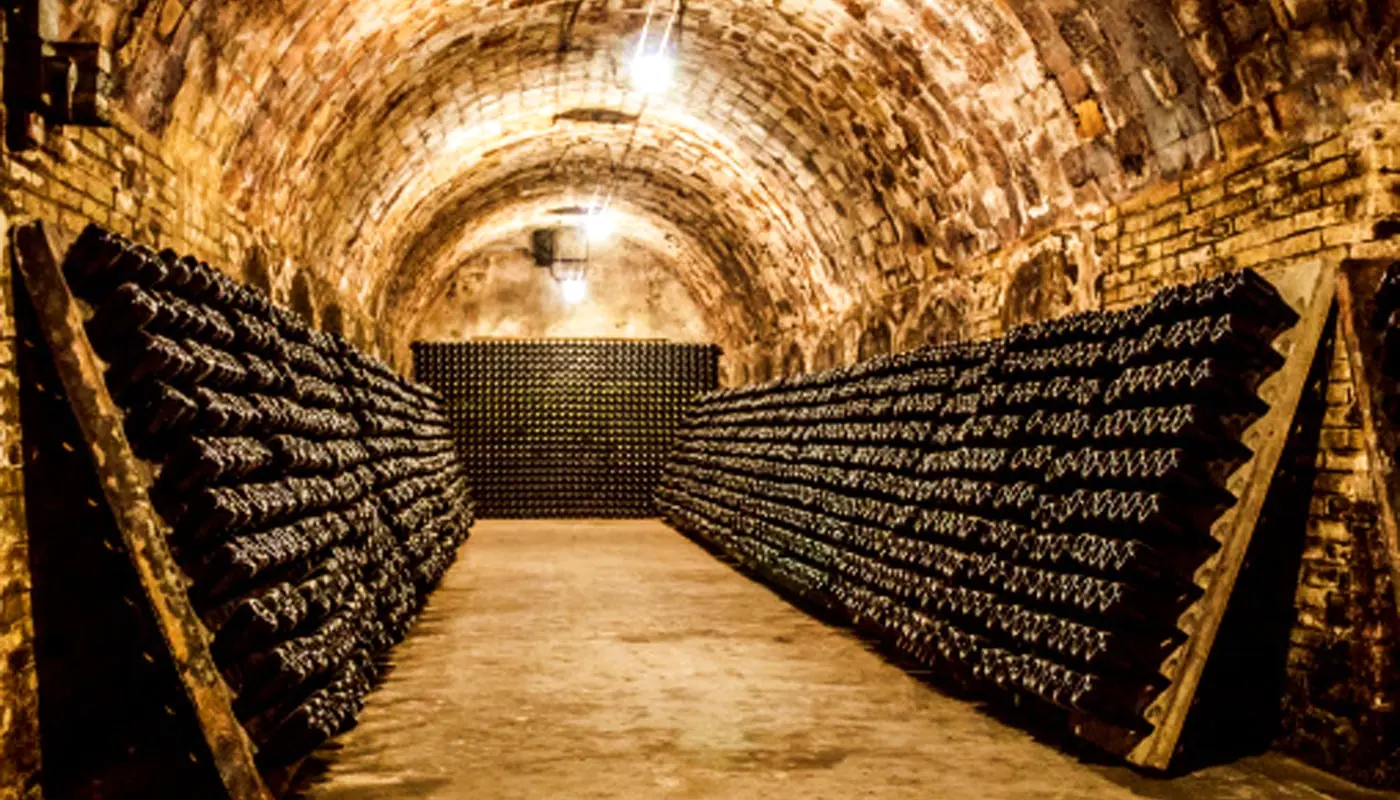
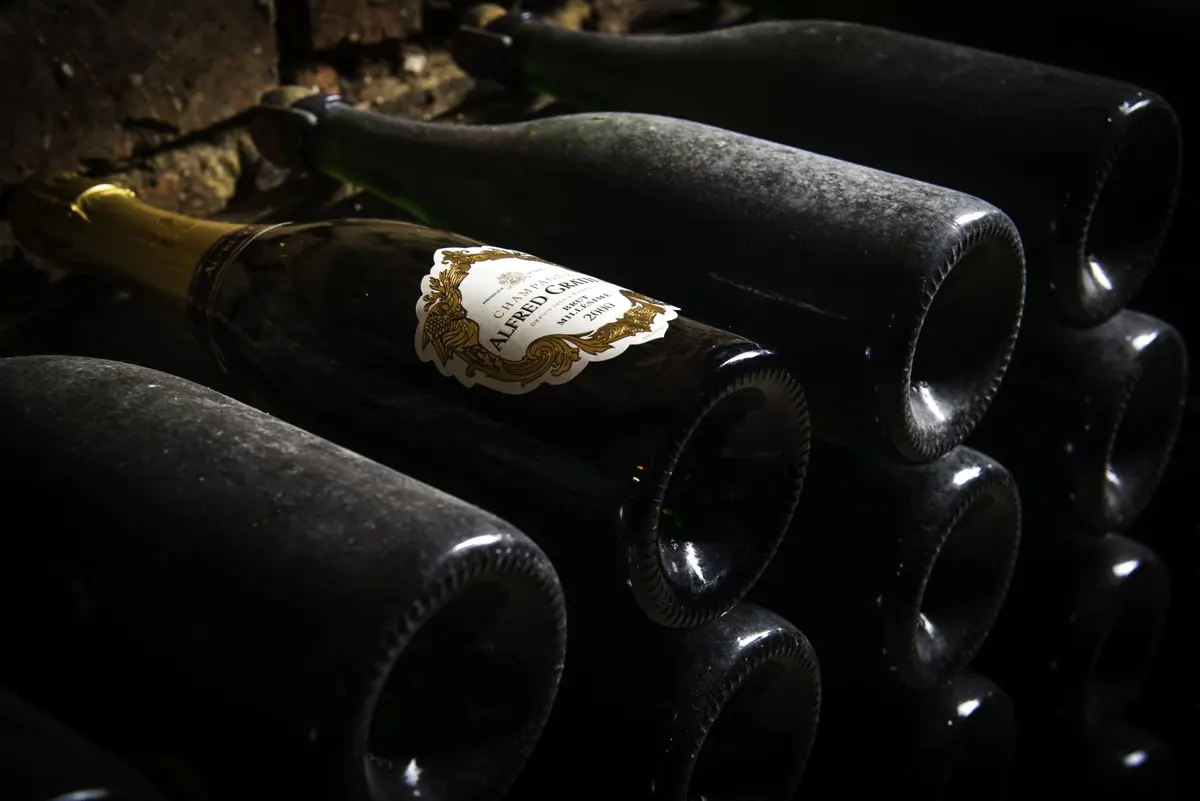 Alfred Gratien Champagnerflaschen
Sights
The church of Saint-Étienne dates from the 18th century. When it was rebuilt, the apse of the earlier church, from the end of the 12th century, was kept. Its statues and a crucifix in silvered bronze that came from Clairvaux Abbey are protected as a monument historique.
Edme Mongin, born in January 1668, later Bishop of Bazas and a member of the Académie française, came from Baroville. He died in Bazas on 5 May 1746. In the church, a black stone slab commemorates his parents.
Cycling fans know the village too: in the 2024 Tour de France, stage 9 passed through Baroville. The Côte de Baroville (363 metres, 2.8 kilometres, average gradient 4.8 per cent) was a category 4 climb and was won by Alex Aranburu. The lower section follows a narrow gravel track, which forced some riders to dismount.
Pictures


 0 %
