
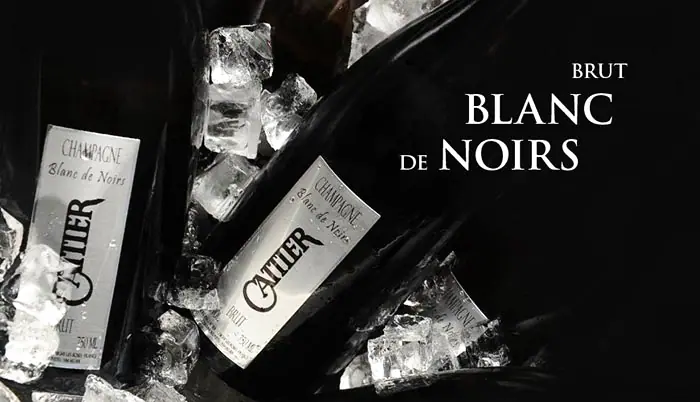
Blanc de Noirs is champagne made exclusively from red grapes, chiefly Pinot Noir and Pinot Meunier. The juice is pressed gently so that the wine stays white.
Blanc de Noirs (BdN) Champagne: A Closer Look
Blanc de Noirs, often abbreviated to BdN, is a term from the world of champagne for a particular style made exclusively from red grapes. The name comes from the French and literally means "white from black". Champagne is traditionally made from a blend of white and red grapes, but Blanc de Noirs concentrates entirely on the red varieties, and that gives it its distinctive character.
Grapes and origin
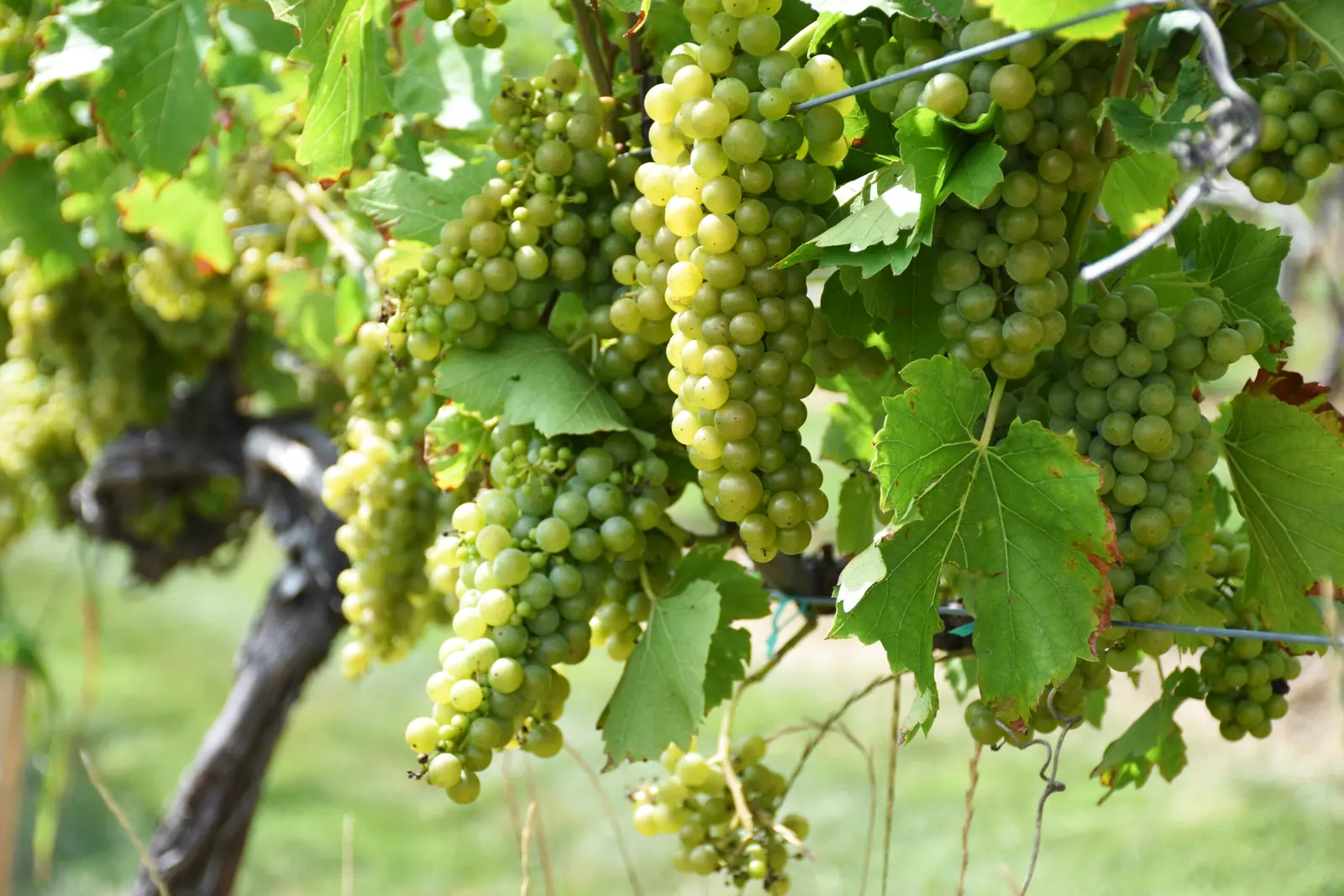
Blanc de Noirs champagne is made primarily from the red grape varieties Pinot Noir and Pinot Meunier. Both are widely planted in the Montagne de Reims and the Vallée de la Marne. Pinot Noir is known for its depth of flavour and structure, while Pinot Meunier is prized for its fruitiness and softness. In Champagne both grapes have a reputation for producing complex, many-layered wines.
How it is made
Making Blanc de Noirs begins with the choice of grapes. Only the best fruit is harvested and pressed gently, so that the juice is extracted without any colour passing from the skins into it. This is the decisive step: the champagne is made from red grapes, but the finished wine is meant to stay white. The pressing has to be done with great care to make sure no pigment from the skins reaches the juice.
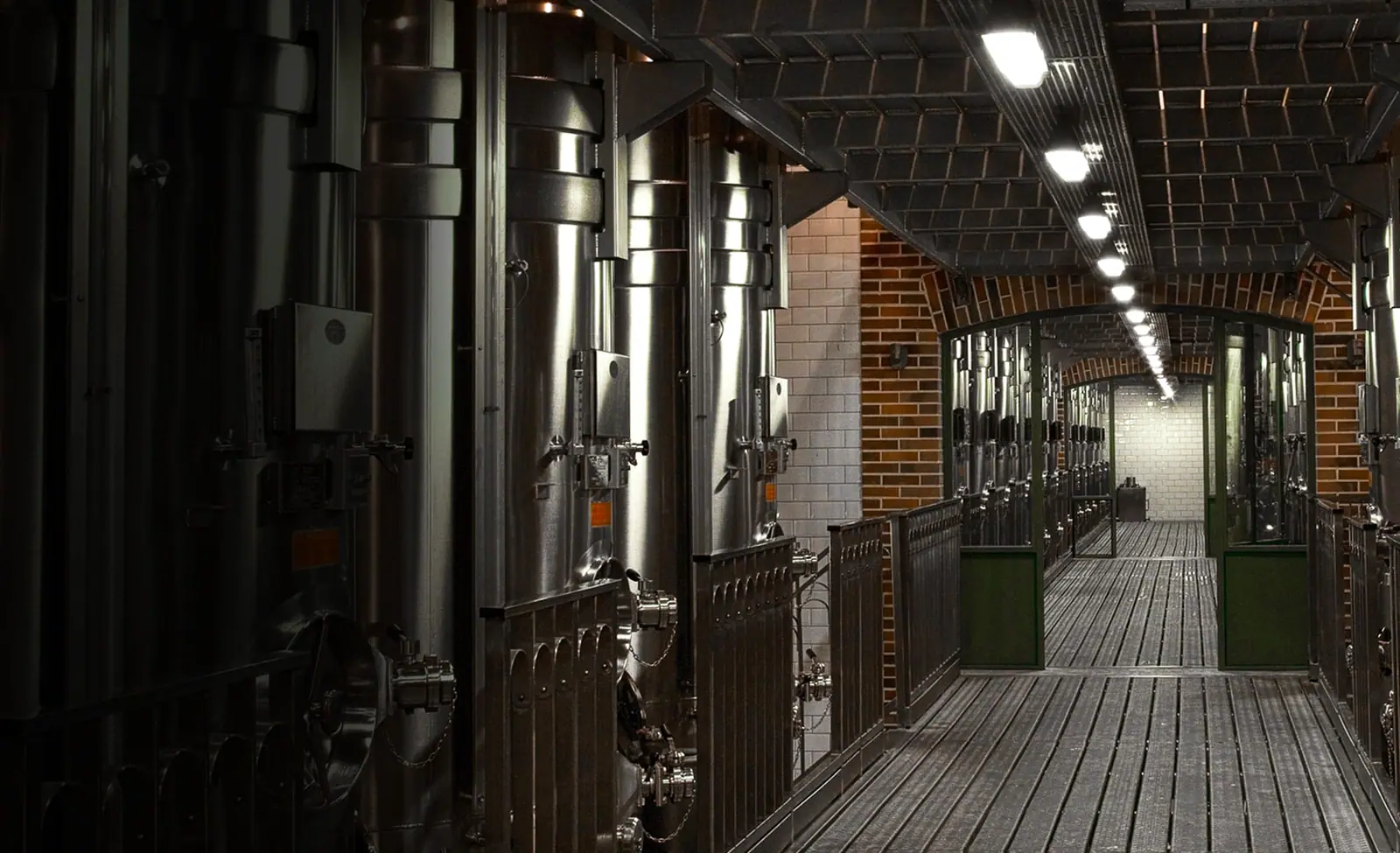
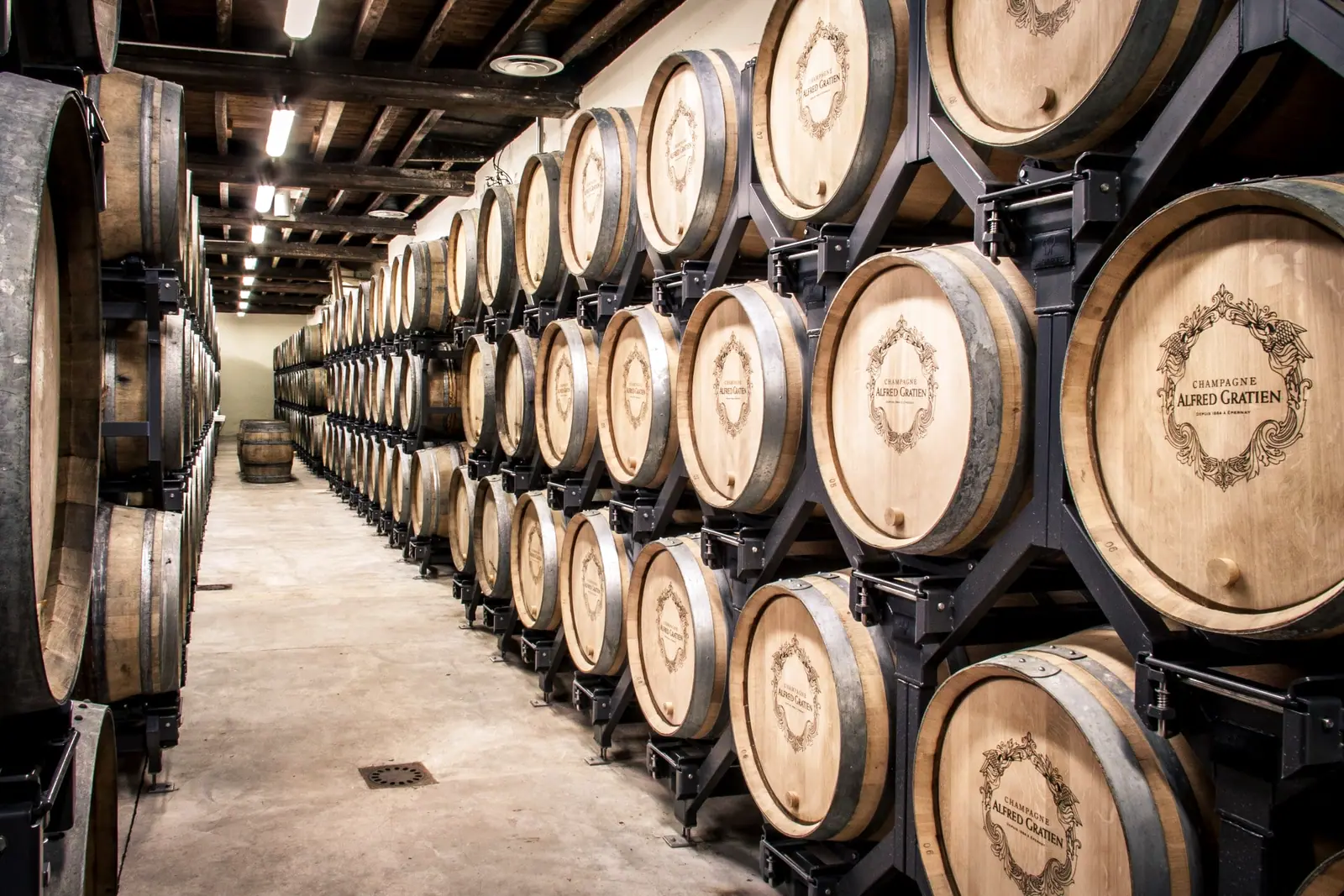
The juice is then fermented in stainless steel tanks or oak barrels. During the first fermentation, yeasts turn the sugar into alcohol. After that comes the assemblage, in which different base wines are blended to achieve the desired style and character. The wine is then bottled and undergoes its second fermentation in the bottle, which is responsible for the perlage (the fine bubbles) of the champagne.
Characteristics of Blanc de Noirs
Blanc de Noirs champagne has a distinctive flavour and aroma profile. Compared with Blanc de Blancs, which is made from white Chardonnay grapes, Blanc de Noirs offers greater depth and complexity. The aromas can range from ripe berries and cherries to earthy and spicy notes. The structure of the wine is often more powerful, with a pronounced texture reminiscent of the tannic backbone of red grapes.
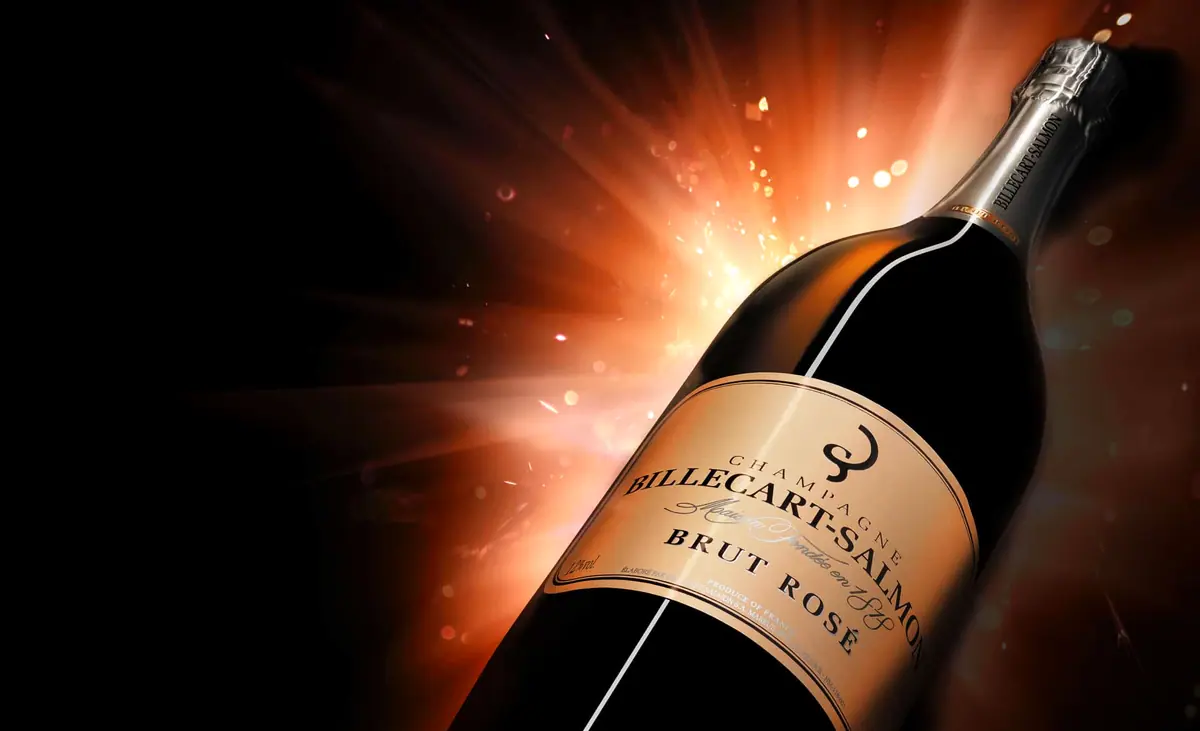 Billecart-Salmon Champagner brut-rose
The texture of a Blanc de Noirs is often fuller and creamier than that of a Blanc de Blancs. The wine can also show a certain robustness and power, which makes it an excellent companion to rich dishes. The bouquet can include notes of toasted bread, vanilla and even dark chocolate, depending on the length of ageing and the producer's style.
Food pairing
Blanc de Noirs champagne goes very well with a wide range of dishes. Its firm structure and complex aromas make it an ideal partner for rich food such as grilled meat, lamb or strong cheeses. It also works beautifully with mushroom dishes or hearty starters. The texture of the wine sits well with fatty or spicy food, as it balances and enriches the flavours of the champagne.

Conclusion
Blanc de Noirs is a fascinating category within the world of champagne, valued for its complexity and layered character. By using red grapes alone, it offers a unique view of what Champagne has to offer. Whether for a special occasion or as part of a serious tasting, Blanc de Noirs is a wine you will remember, and one that gives real pleasure to those who enjoy it.
The sweetness scale
Choose a level. You will see the sugar content, the taste and what goes with it.
Bone dry, pure and mineral
Pairs with: Oysters, mussels, sashimi
More in the glossaryVery dry, taut and clear
Pairs with: Raw fish dishes, ceviche
More in the glossaryDry, the classic
Pairs with: Aperitif, seafood, Parmesan
More in the glossaryMedium dry, soft
Pairs with: Asian cuisine with a little heat
More in the glossarySweet, fruity
Pairs with: Foie gras, fruit desserts
More in the glossarySweet, now rare
Pairs with: Cakes, tarts, patisserie
More in the glossaryPictures
 Bottle
 Bottle
 Bottle
 Bottle
 Bottle
 Bottle
 Bottle
 Bottle
 0 %
