
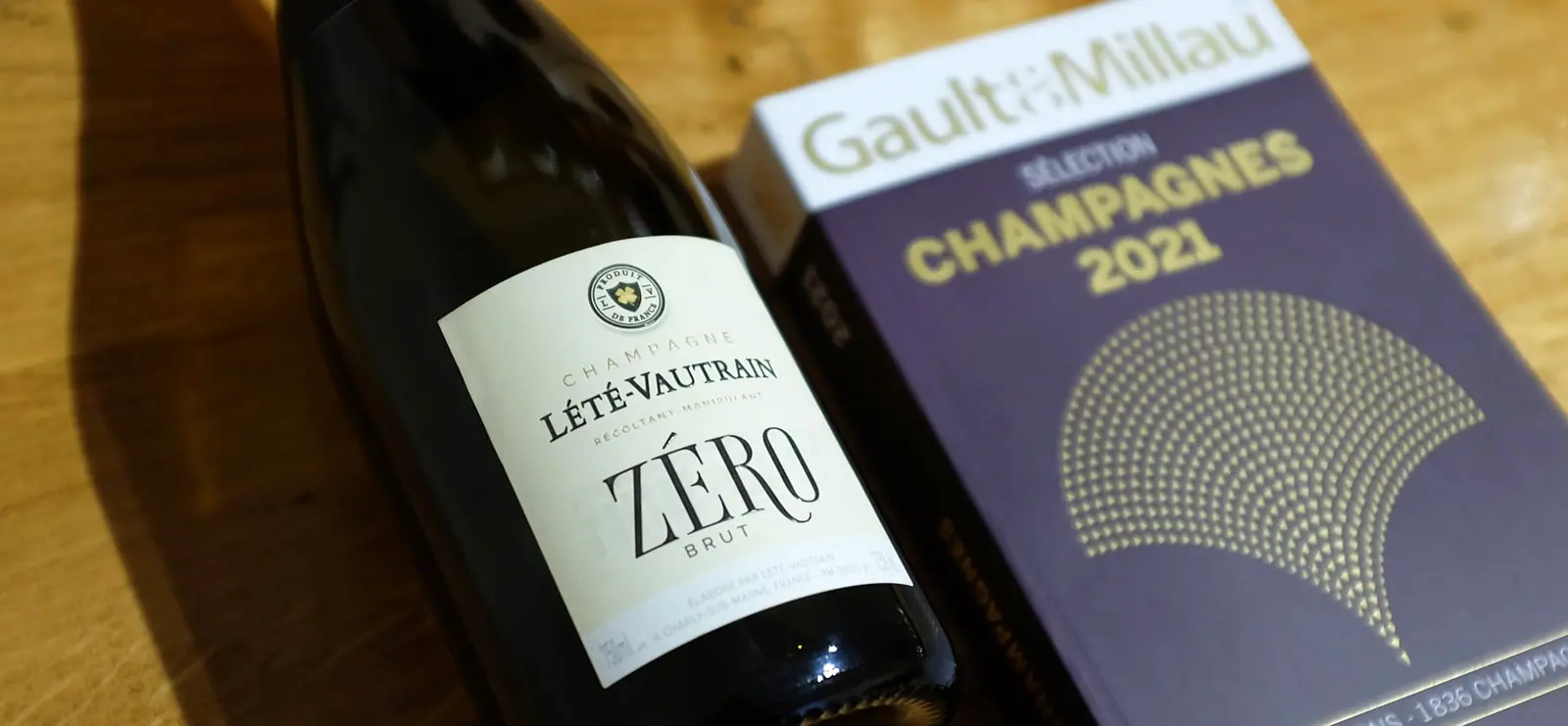
Brut Nature, also sold as Brut Zéro, Non Dosé or Dosage Zéro, is a very dry champagne made without dosage and with 0 g/L of residual sugar. With no added sugar, the original aromas and the acidity come through with particular clarity.
A style of champagne: Brut Non Dosage is a very dry champagne
A Brut Non Dosage champagne is made without dosage, with a residual sugar level of 0 g/L.
Brut Non Dosage: a closer look
Champagne, the luxurious wine from the Champagne region of France, is prized for its finesse and complexity. One special category within champagne is Brut Non Dosage. What sets it apart is the absence of dosage, the small addition of sugar that is normally used to fine-tune the flavour and to balance the acidity. To understand Brut Non Dosage better, let us look at its definition, how it is made, how it tastes and what it means in the world of champagne.
Definition and production
The term "Brut Non Dosage" describes champagne that, after the second fermentation in the bottle, known as the méthode champenoise, is released without any added sugar (dosage). Dosage is normally added after the yeast plug has been removed during dégorgement. It gives the champagne a touch of sweetness, which supports the balance of acidity and rounds out the flavour. With Brut Non Dosage, this sweetening step is left out, which makes the champagne particularly dry.
Making a Brut Non Dosage takes real expertise. Because no dosage is used, the original aromas and the acidity of the champagne are especially pronounced. Growers and winemakers must make sure the base wines are of outstanding quality and that the balance of acidity and aroma is already perfect. These champagnes are usually very pure and offer an unadorned taste experience.
Flavour profile
Brut Non Dosage champagne is defined by its extremely dry character. The taste is often marked by remarkable freshness and crispness. Without sugar, the natural aromas of the champagne stand out more. This means you can often pick up mineral notes, fresh citrus fruit, floral hints and a distinct note of yeast.
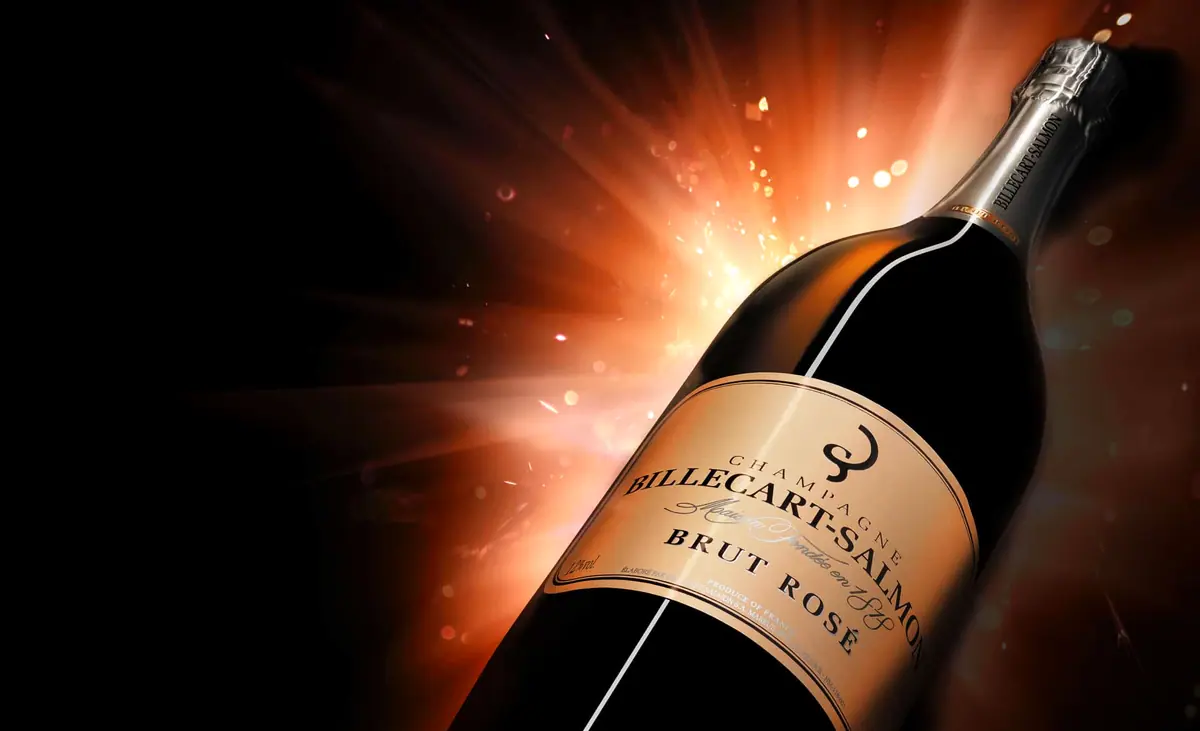 Billecart-Salmon Champagner brut-rose
The acidity in Brut Non Dosage champagne is particularly pronounced, which gives it a refreshing liveliness. These champagnes tend to be more complex and layered, as they reveal more of the influence of terroir and the character of the grapes used. The mousse can also be more intense and longer lasting, as the yeast creates a special texture during ageing in the bottle.
Significance and enjoyment
Brut Non Dosage champagnes hold particular interest for connoisseurs and champagne lovers, as they offer an unadulterated picture of the champagne maker's art. The philosophy behind them is often a pursuit of purity and clarity. Producers of Brut Non Dosage want to highlight the natural qualities of their grapes and the finesse of the méthode champenoise, without letting added sugar shape the flavour.
Drinking a Brut Non Dosage can be a deeply rewarding experience. These champagnes are often enjoyed on special occasions or with elegant meals, where their complex aromas and dryness show to best advantage. They go very well with a wide range of dishes, especially refined ones such as seafood, sushi or delicate starters, where the freshness and clarity of the champagne really come into their own.
Conclusion
Brut Non Dosage champagne represents a special and demanding category within the world of champagne. Without dosage, the champagne shows itself in its purest form, reflecting both the quality of the base wines and the skill of the winemaker. The dry character and pronounced acidity make Brut Non Dosage an exceptional experience, valued for its clarity and depth. For true champagne lovers, this style is a particular discovery, presenting the pure aromas and complexity of champagne in a way that is entirely its own.
The sweetness scale
Choose a level. You will see the sugar content, the taste and what goes with it.
Bone dry, pure and mineral
Pairs with: Oysters, mussels, sashimi
More in the glossaryVery dry, taut and clear
Pairs with: Raw fish dishes, ceviche
More in the glossaryDry, the classic
Pairs with: Aperitif, seafood, Parmesan
More in the glossaryMedium dry, soft
Pairs with: Asian cuisine with a little heat
More in the glossarySweet, fruity
Pairs with: Foie gras, fruit desserts
More in the glossarySweet, now rare
Pairs with: Cakes, tarts, patisserie
More in the glossaryPictures
 Bottle
 Bottle
 Bottle
 Bottle
 Bottle
 Bottle
 Bottle
 Bottle
 Bottle
