
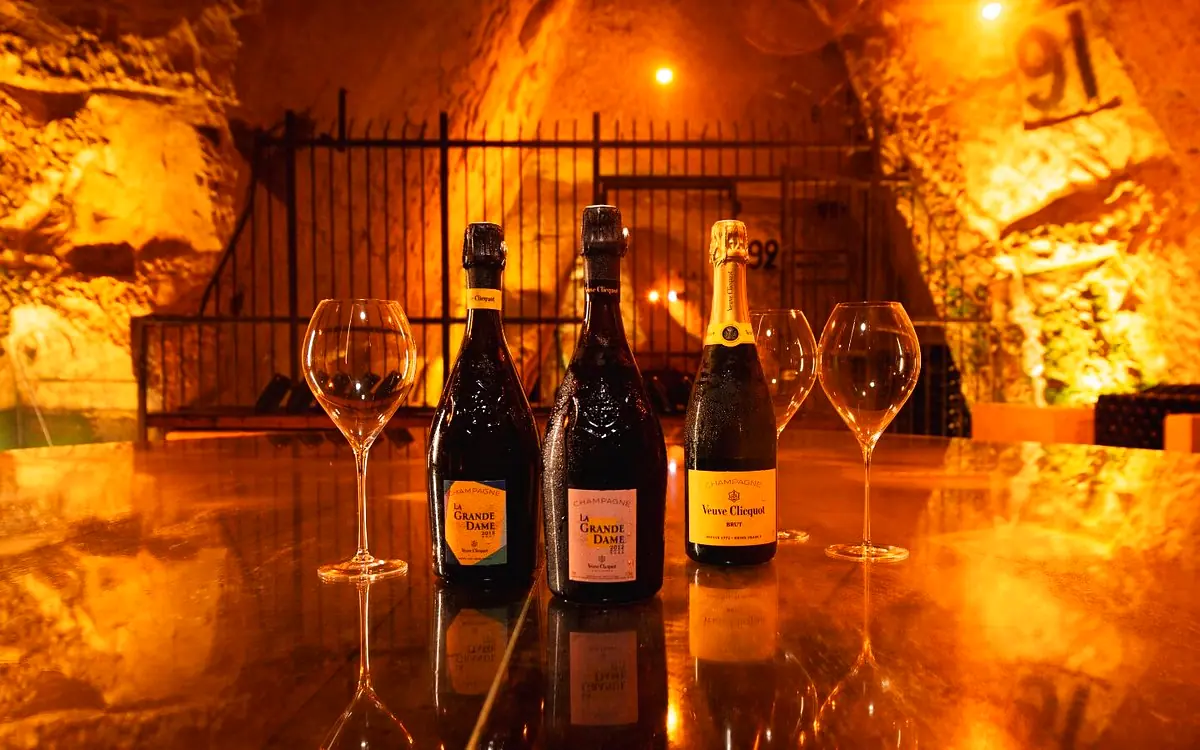
Champagne, the sparkling drink that stands for celebrations and special occasions all over the world, is not just a drink but an experience.
Letting champagne "breathe"
A journey through experiencing and enjoying sparkling wine
Champagne, the sparkling drink that stands for celebrations and special occasions all over the world, is not just a drink but an experience. The experience does not begin with the first sip but already with the pouring, with the sight of the rising bubbles and the pause to take in the aroma. The process of letting champagne "breathe" is central to all of this. Let us explore this fascinating journey through the world of champagne and the experience of letting this noble drink breathe.
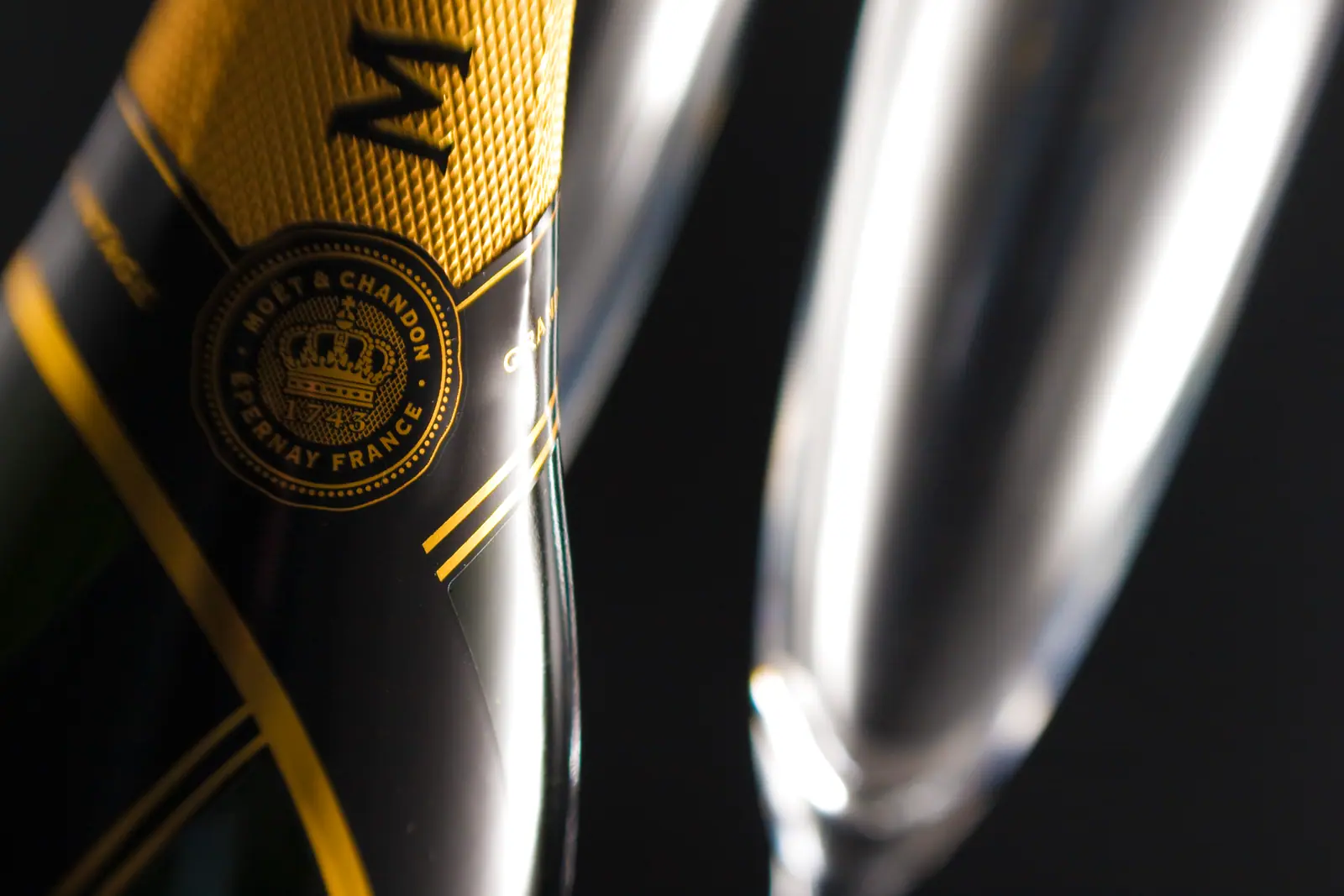
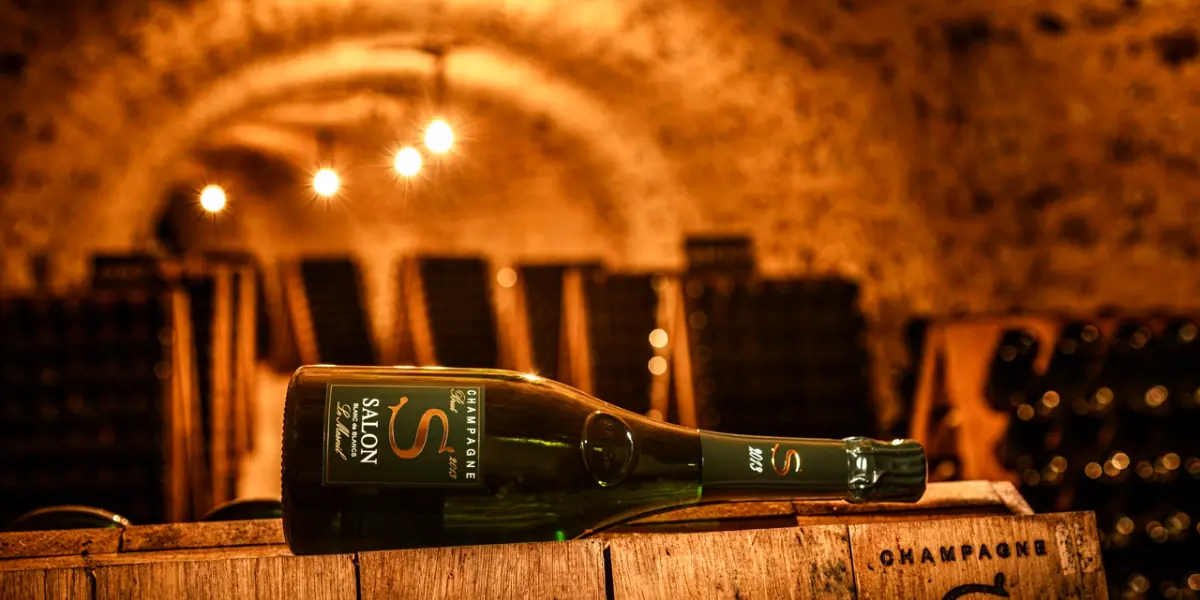 Salon Champagner
01The art of pouring
Pouring champagne is an art in itself. The bottle should be opened slowly and carefully so that the carbon dioxide does not escape abruptly. A soft sigh as the cork comes out is the sign of a skilled hand. The champagne is then poured into the glass at a slight angle, preferably into a tulip glass or a flute, which shows off the aromas and bubbles to best effect. Even while pouring, the splendour of champagne shows itself: the fine, rising bubbles streaming to the surface in beads and putting on a graceful display.
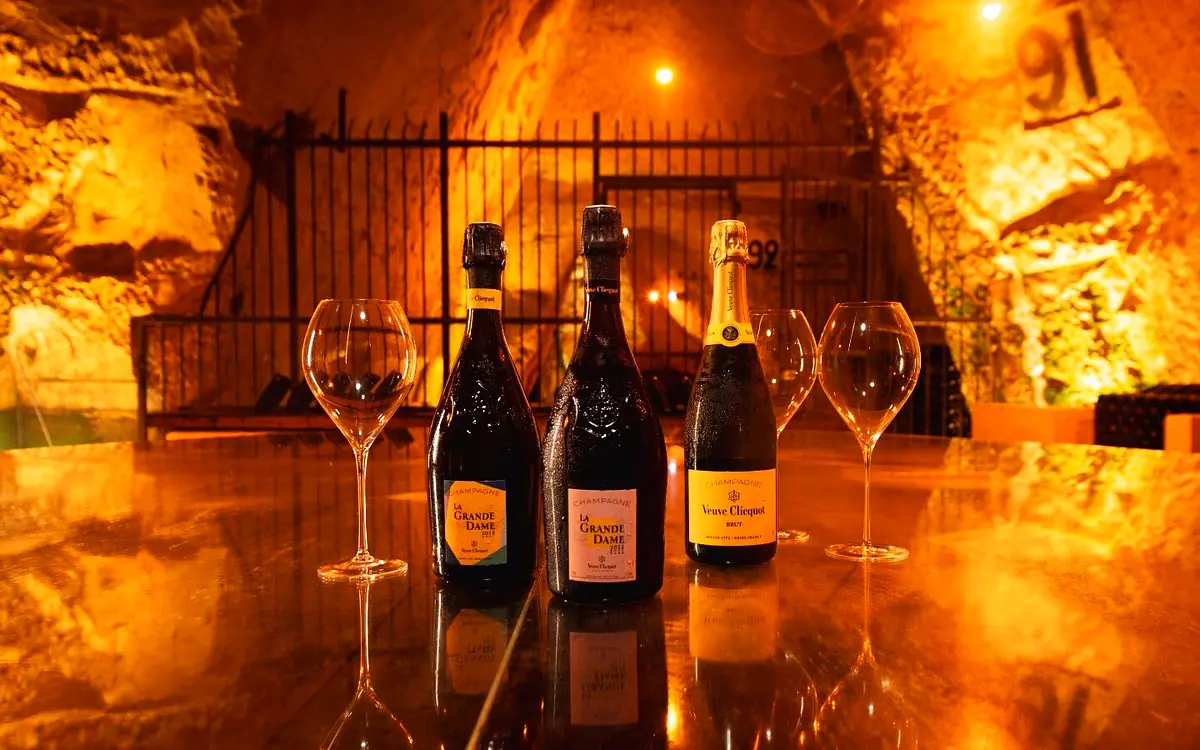
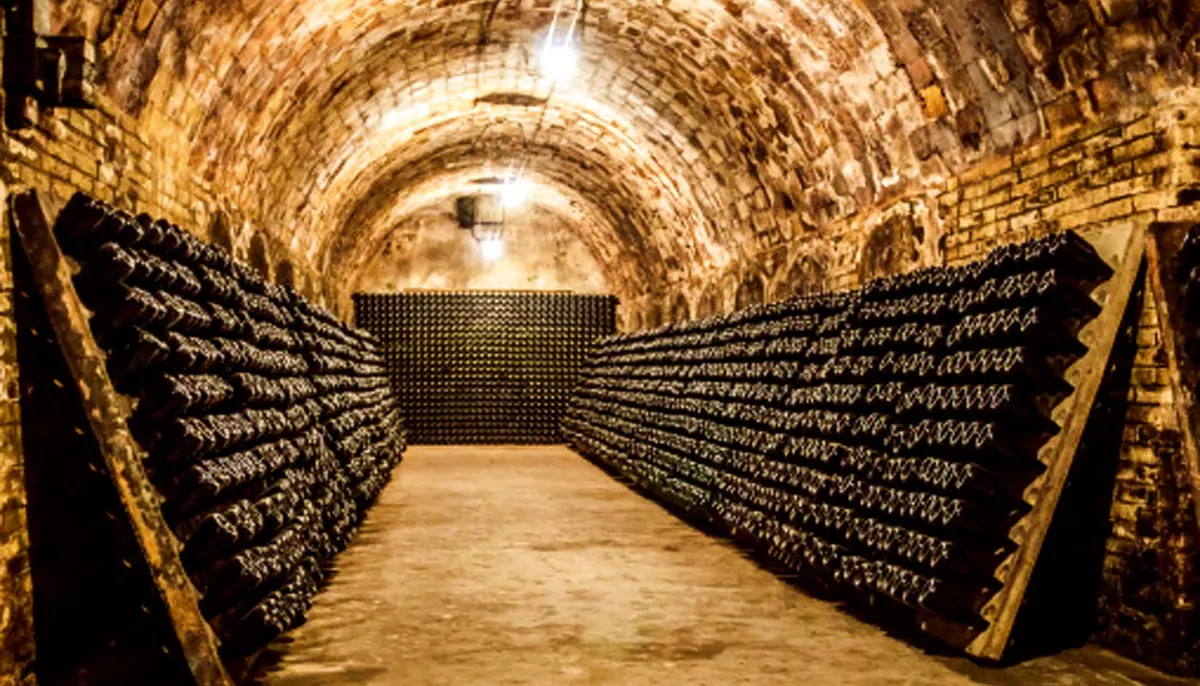 Champagner Keller
02The first breath: the scent of luxury
Before the champagne is tasted, it should breathe. This means taking a moment to bring the glass to your nose and breathe in the aromas deeply. The first breath of a high-quality champagne reveals a complex palette of scents, ranging from fresh citrus notes through ripe fruit to delicate yeast and brioche aromas. This scent is a promise of the taste to come. Letting the champagne breathe allows you to take in the fine nuances and the complexity of the wine fully.
 Jahrgänge: Beschreibung aller Champagner Jahrgänge seit 1815
03The first sip: an explosion of flavour
After breathing in the aromas comes the first sip. It should be taken slowly, so that you can discover the different layers of flavour. High-quality champagne offers a wide range of taste experiences: from the sparkling freshness of the bubbles through the fine, fruity notes to a long, complex finish. Every sip should be savoured and experienced consciously. Breathing in the champagne as you drink helps to intensify the aromas and to grasp the whole picture of the wine.
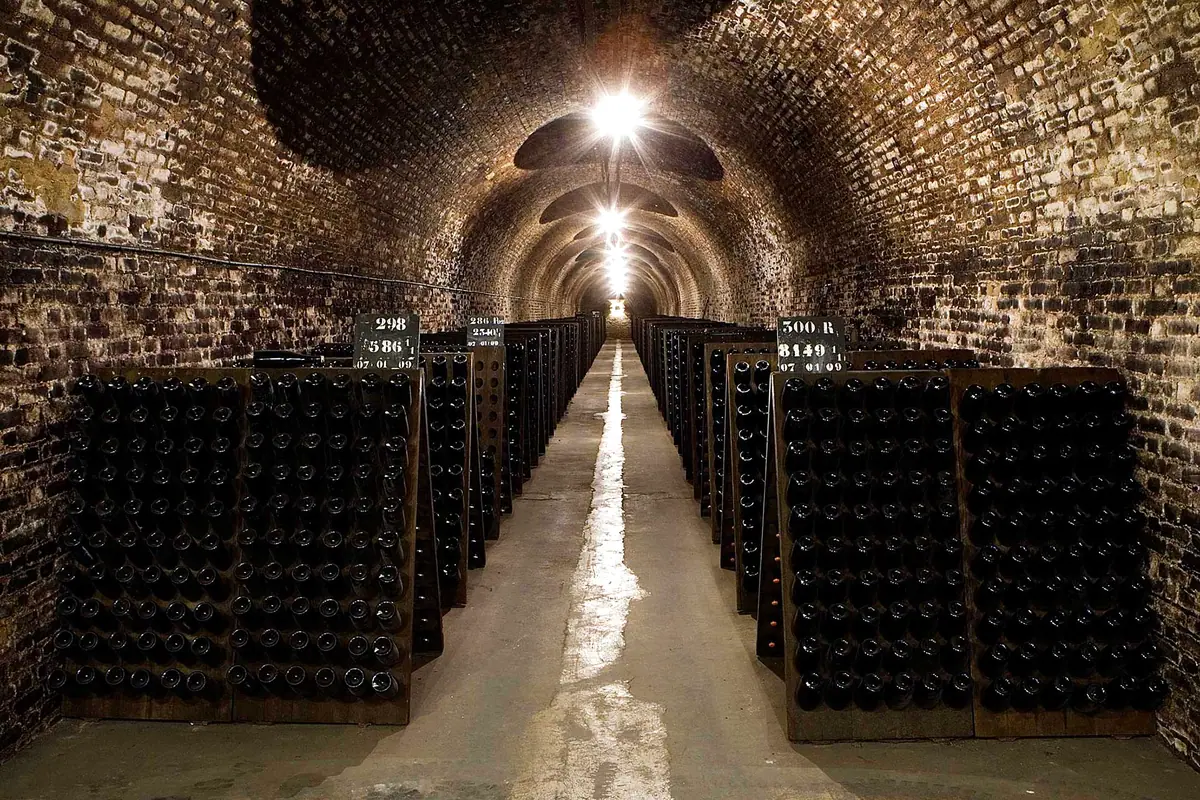 Ayala Champagner-Keller
04The role of temperature
Temperature plays a decisive role in letting champagne breathe and in enjoying it. Ideally, champagne is served at around 8–10 degrees Celsius. If it is too cold, the aromas are muted and the complexity is lost. If it is too warm, the bubbles can escape too quickly and the taste turns flat. The right temperature allows the champagne to unfold its full range of aromas and to make the most of breathing and enjoying it.
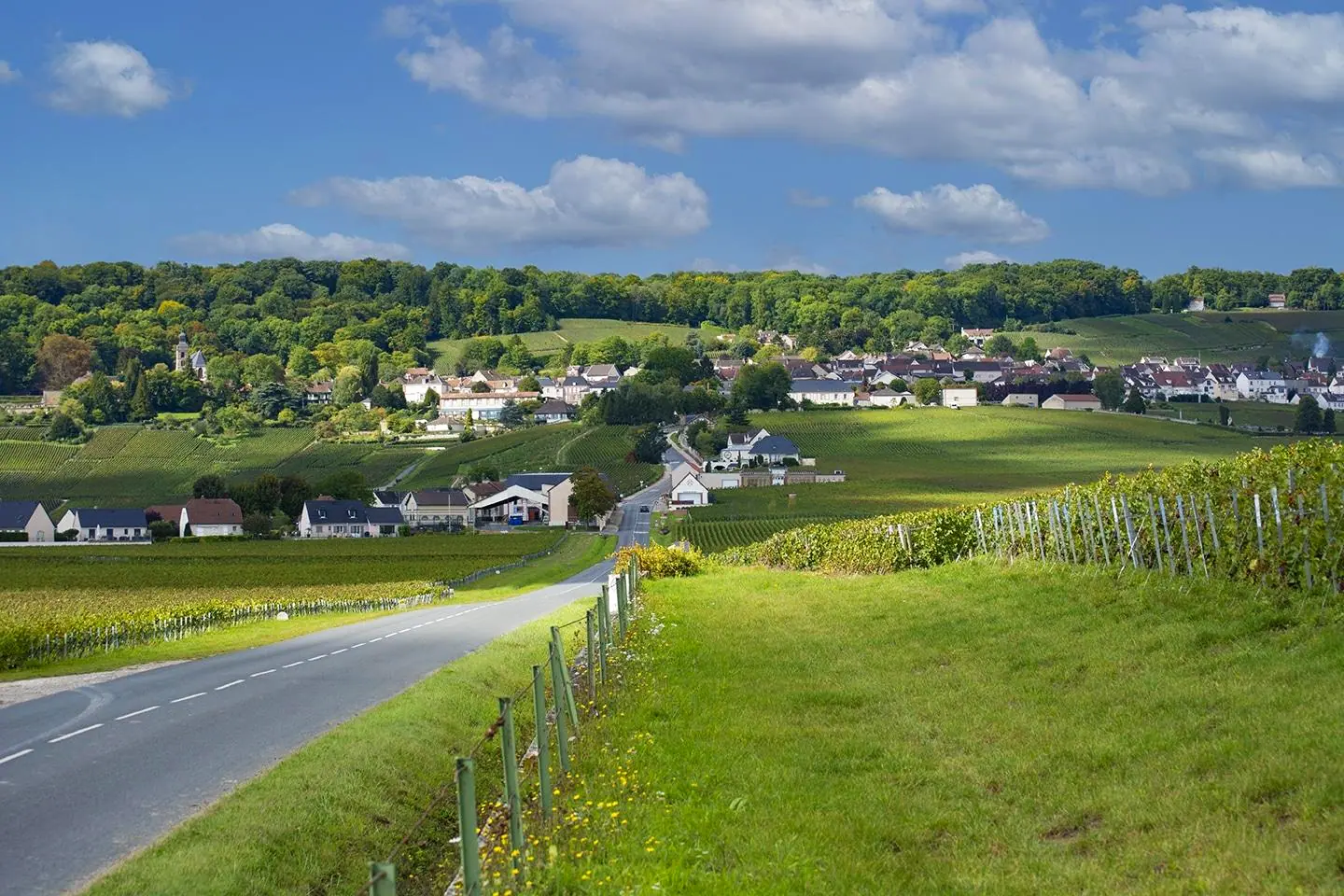
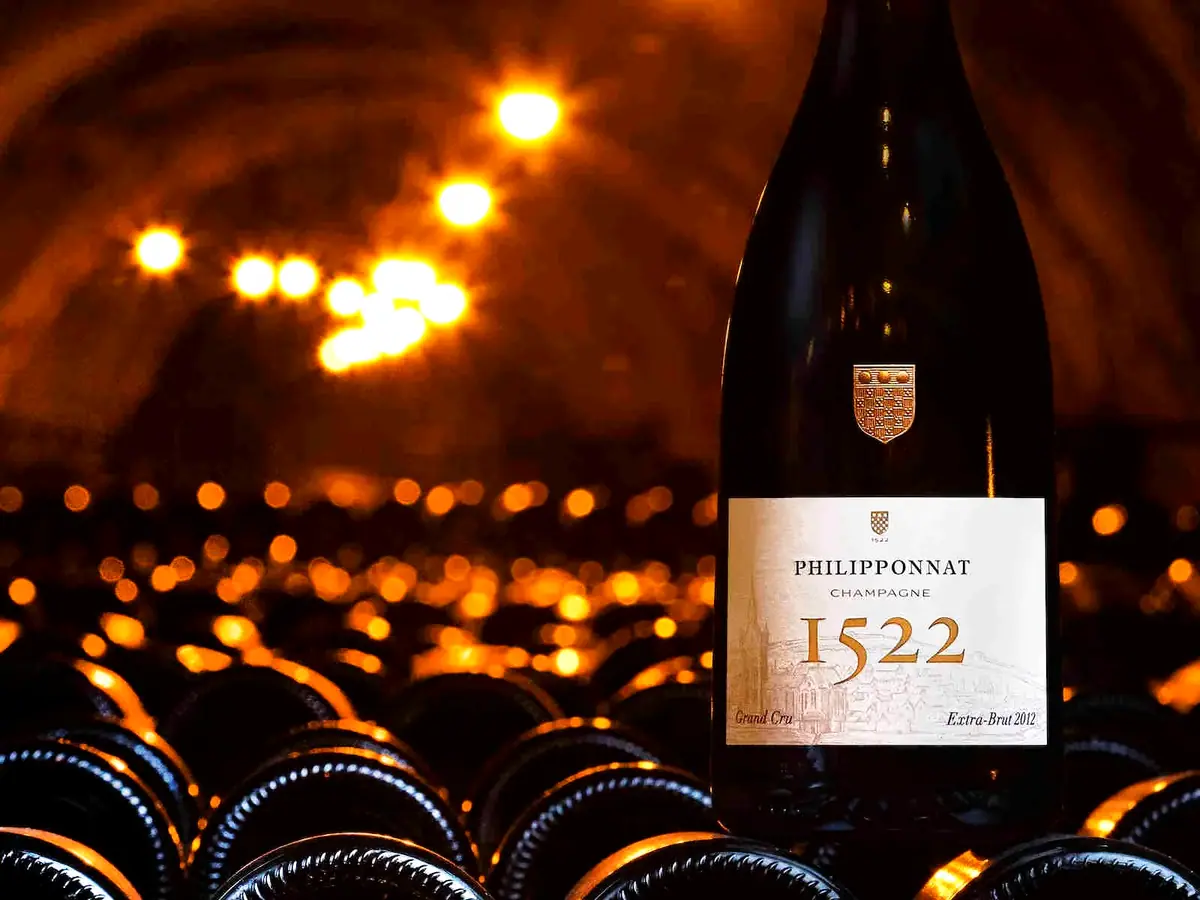 Philipponnat Champagner
05The ageing process: giving it time to breathe
Another important aspect of letting champagne breathe is the ageing process. Many high-quality champagnes benefit from maturing in the bottle for a while before they are opened. During this time the aromas continue to develop and the wine gains in complexity. Even after opening, it can make sense to give the champagne a few minutes in the glass to breathe and open up. This time allows you to experience the depth and layered character of the champagne fully.
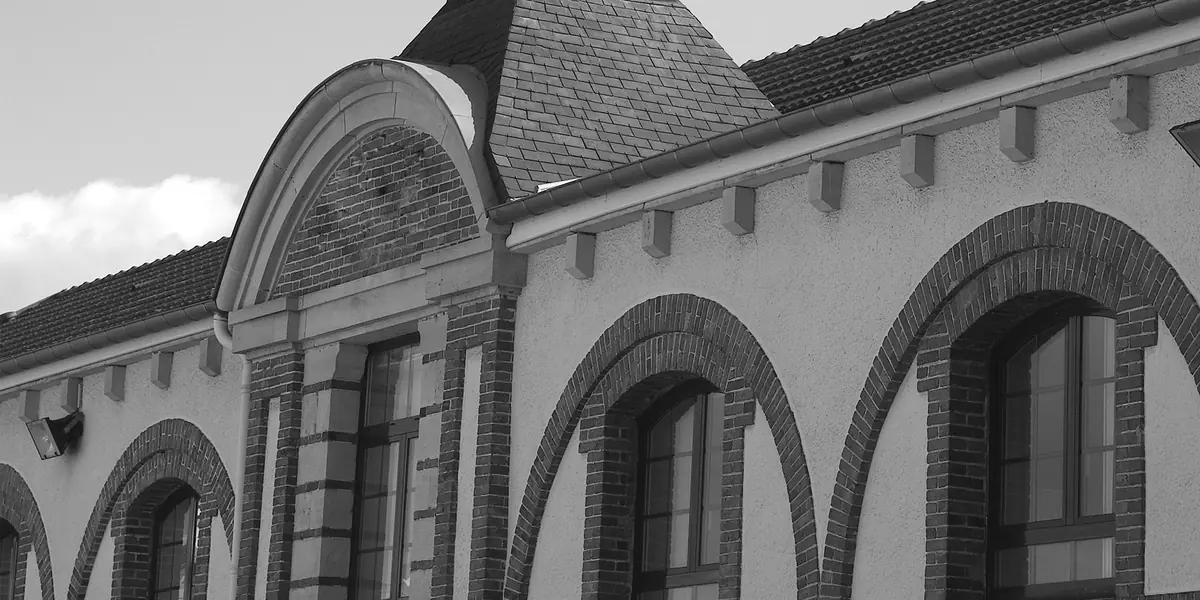 Besserat de Bellefon Champagner Gebäude
06Champagne and food: a harmonious pairing
Champagne is not only a drink for the aperitif but can also be paired wonderfully with all kinds of dishes. Letting the champagne breathe is an important step in finding the perfect harmony between wine and food. The aromas of the champagne can complement and bring out different flavours in the food. A well-chosen champagne menu can be a culinary experience of the highest order, in which letting the champagne breathe plays a central part.
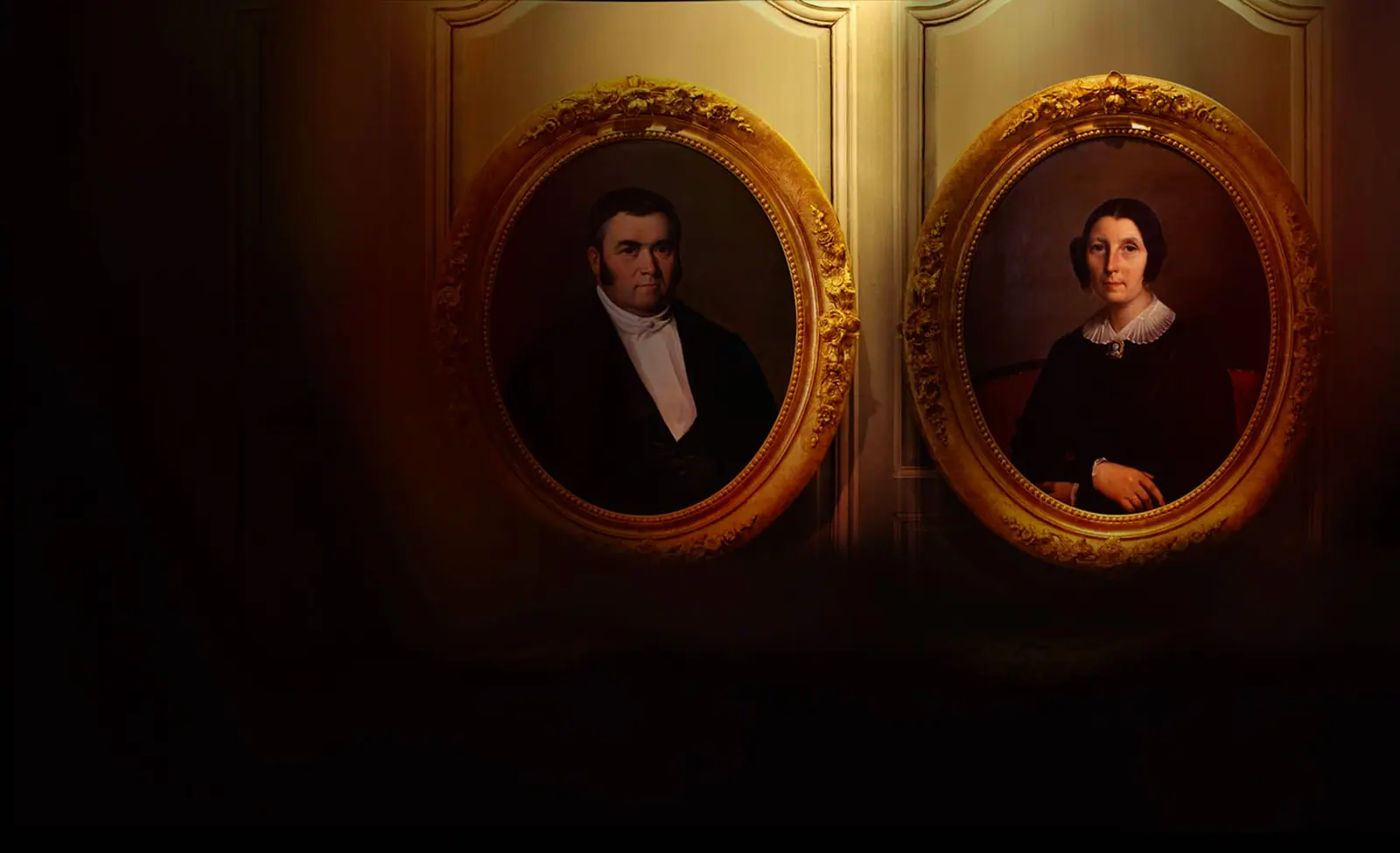
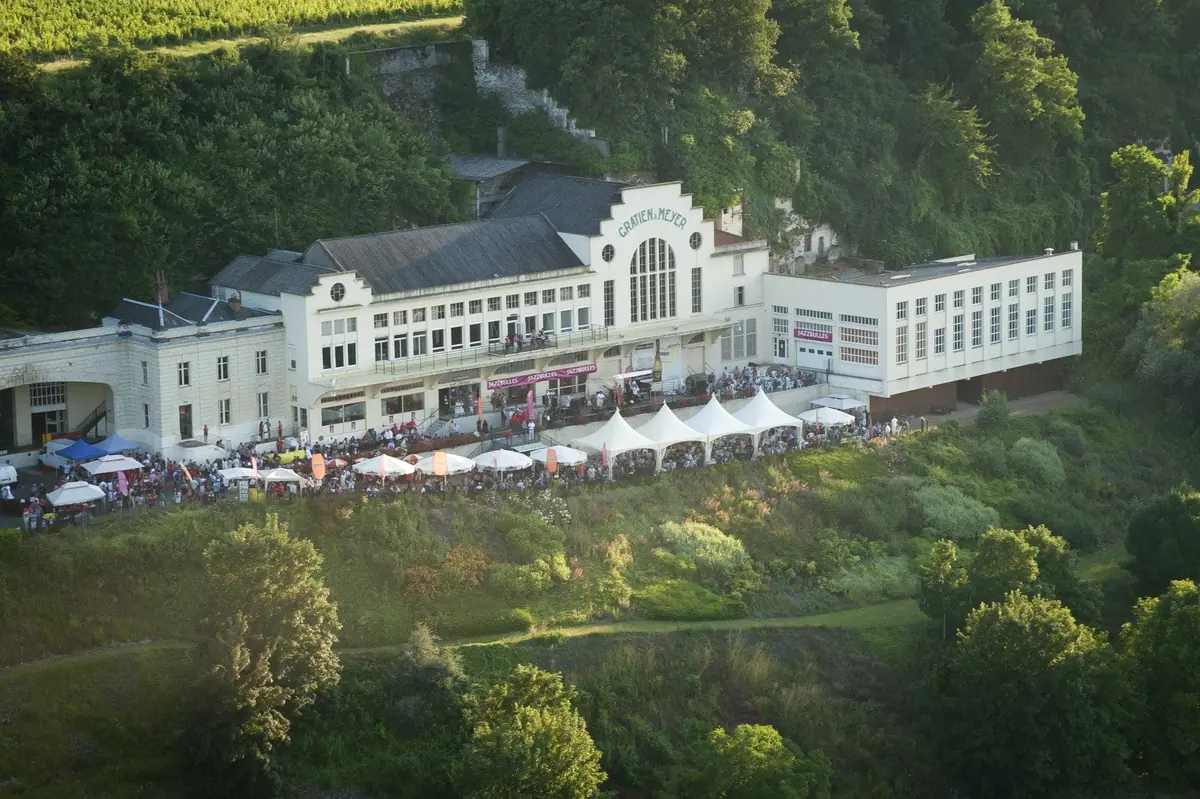 Gratien Meyer Champagner
07The emotional side: champagne as an experience
Beyond the technical aspects, letting champagne breathe is also an emotional experience. The moment when the bubbles rise, the scent reaches your nose and the first sip is taken is a moment of pleasure and joy. To breathe champagne is to take your time, pause and enjoy the moment. It is a moment that stays with you and is often tied to special occasions and happy memories.
Conclusion
Letting champagne breathe is an art and an experience that goes far beyond simply drinking it. It takes attention, patience and a certain devotion to grasp the finer points and the complexity of this noble drink fully. From the art of pouring through breathing in the aromas to the first sip, every step is part of a sensual journey. When you breathe in and enjoy champagne consciously, a world of flavour and emotion opens up that stays with you for good.
Pictures
 0 %
