
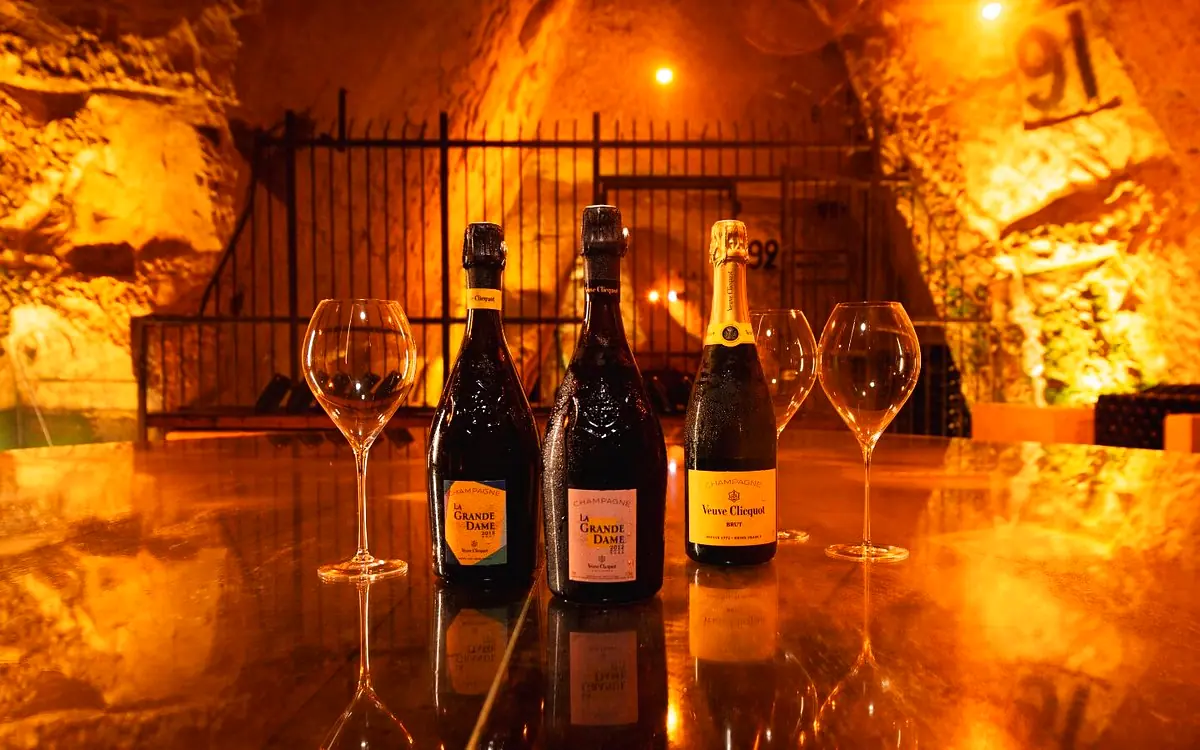
Firn describes the change in flavour that champagne undergoes through maturation and ageing. Tertiary aromas such as honey, toast, almonds or caramel develop and overlay the fresh fruit notes.
Firn in champagne: a closer look
Firn refers to the change in flavour and the maturation of champagne over time. Many people enjoy champagne as a fresh, lively drink, but a growing number of enthusiasts appreciate how it develops and matures over the years. This maturation, which comes from cellaring and ageing, brings out distinctive aromas and flavours that are known as firn.
Definition and origin of the term "Firn"
The term "Firn" comes originally from the German-speaking wine world and describes the ageing process of wines, white wines in particular. Firn refers to the tertiary aromas that appear during ageing and overlay the fresh, fruity notes of a young wine. In champagne, the sparkling wine from specific regions of France, these aromas appear too and can enrich the tasting experience considerably. Outside German-speaking countries you will rarely hear the word itself, so in English you will usually find this development described simply as bottle age or tertiary character.
How firn develops in champagne
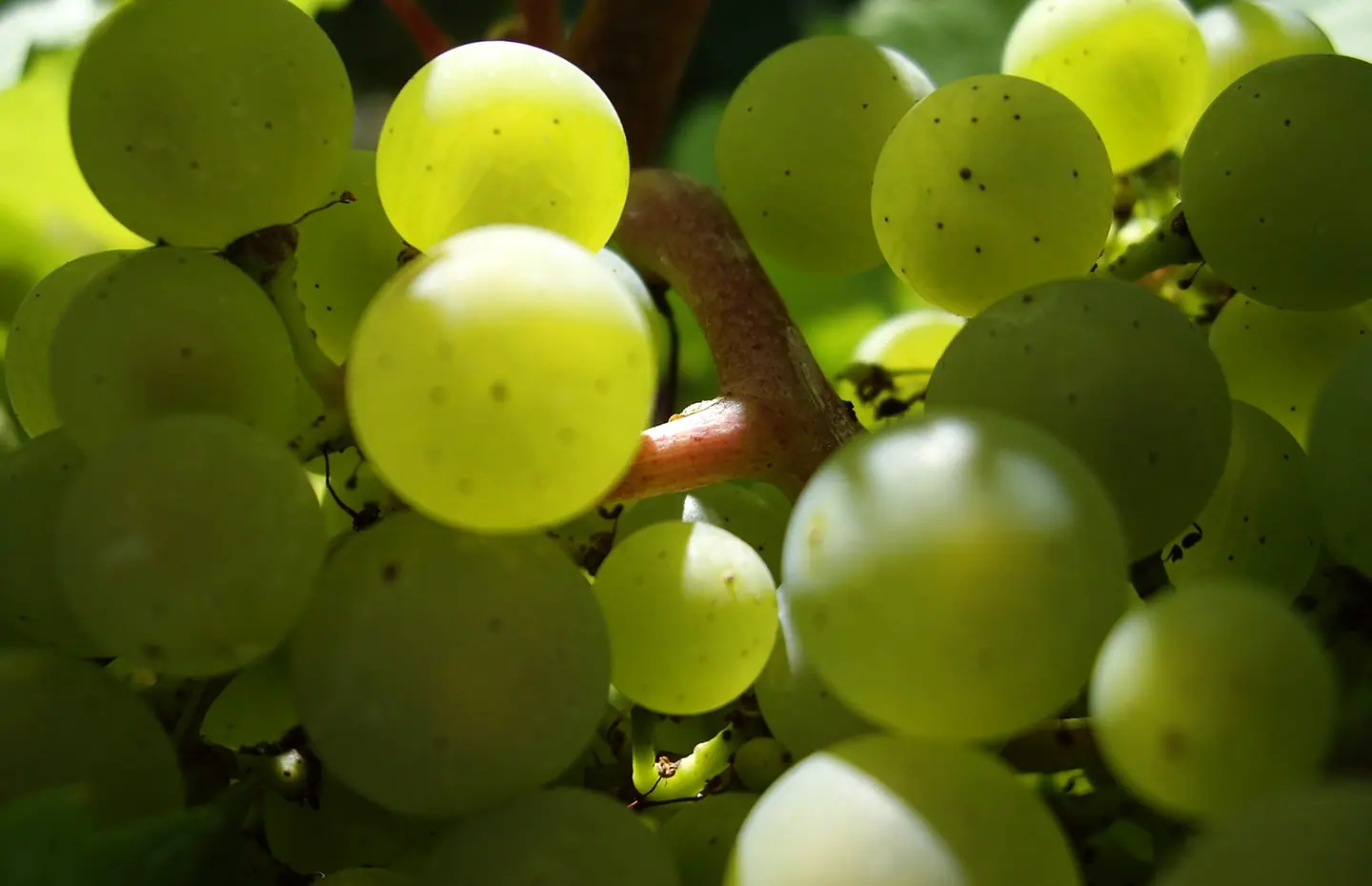
During its maturation, champagne passes through several phases, all shaped by the development of firn. They can be divided into three main stages: the youthful phase, the maturing phase and the ageing phase.
- Youthful phase: In the first years after production, champagne is fresh and lively, with citrus fruit, green apple and sometimes floral notes dominating. The yeast that remains in the bottle after the second fermentation contributes to these fresh aromas. This phase generally lasts between three and five years.
- Maturing phase: After roughly five to ten years, champagne begins to develop more complex aromas. This is when the firn character starts to make itself felt. The fresh fruit notes slowly give way to riper aromas such as dried fruit, nuts and sometimes light spice. The texture of the champagne becomes softer and creamier, and the bubbles become finer and better integrated.
- Ageing phase: After ten years or more in the bottle, champagne reaches its full maturity. The firn character is now clearly pronounced and brings out aromas such as honey, toast, almonds, caramel and sometimes mushroom and truffle notes. These complex tertiary aromas are the result of slow oxidation and the autolytic reaction of the yeast, which breaks down over the years.
Factors influencing the firn character
Several factors influence how the firn character develops in champagne:
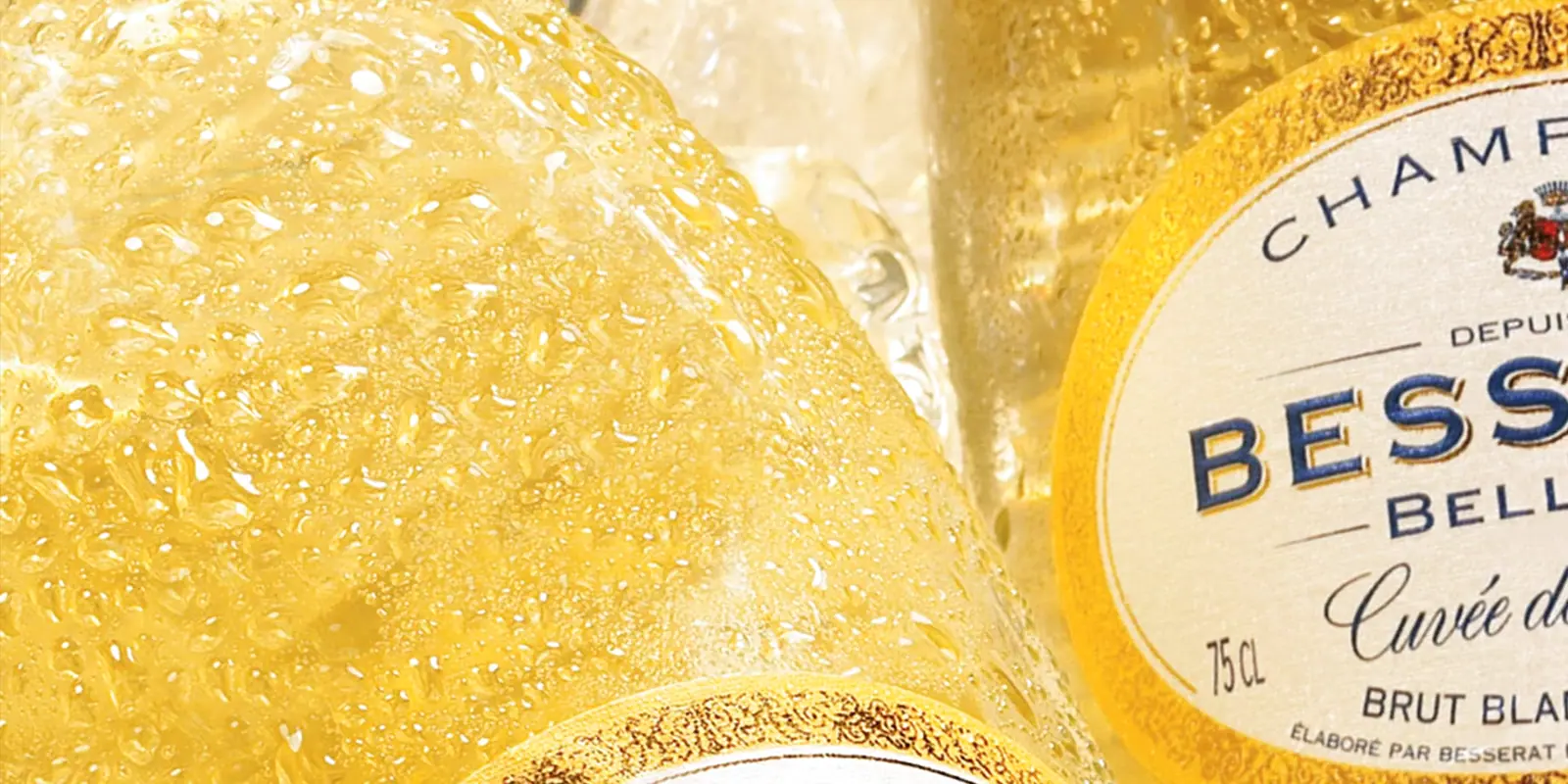
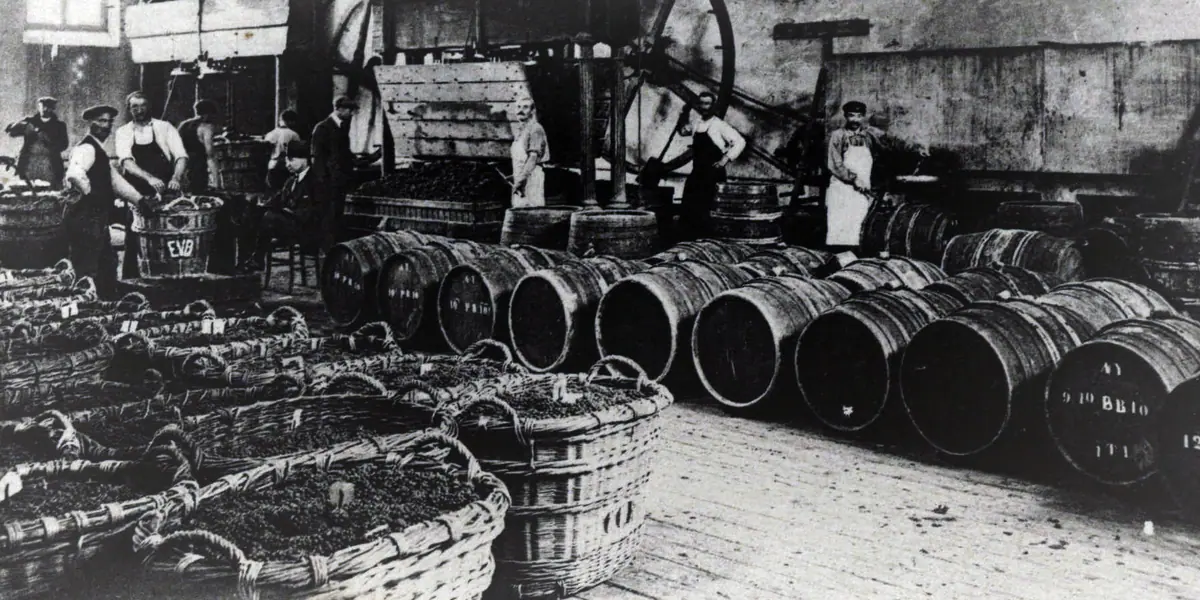 Besserat de Bellefon Champagner Historie
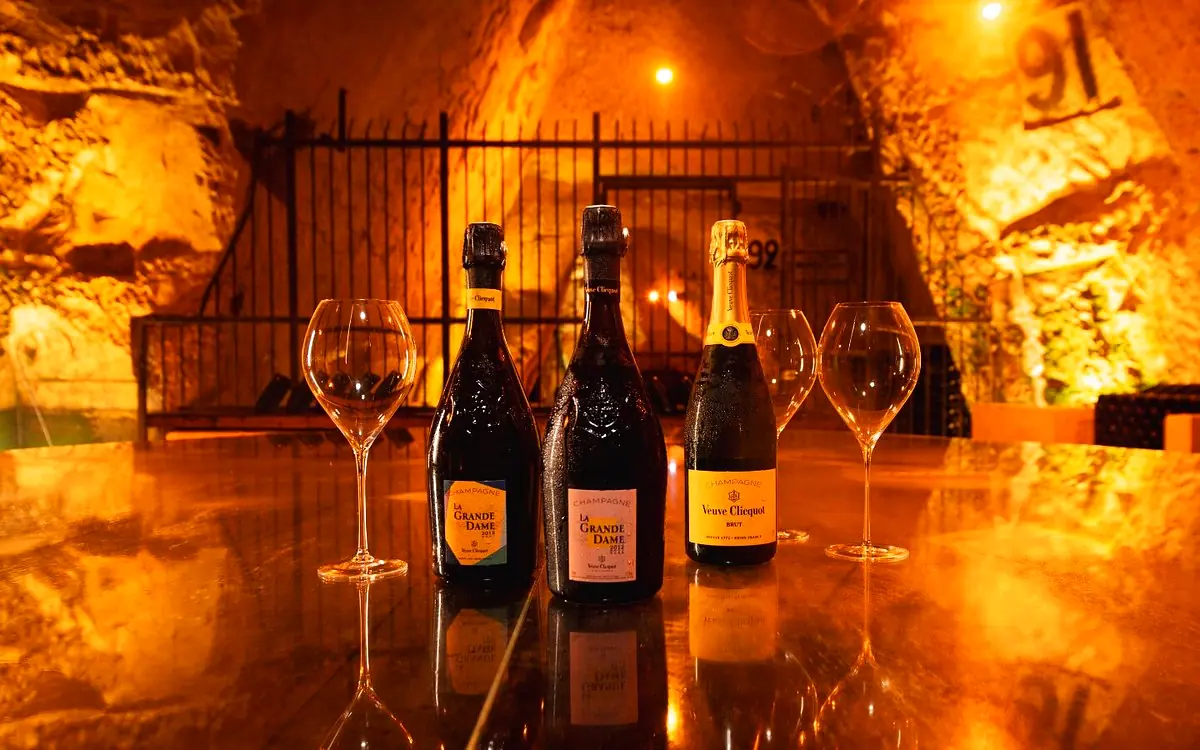
- Storage conditions: Storage plays a decisive role in the maturation of champagne. A constant temperature, ideally between 10 and 12 degrees Celsius, and high humidity are essential for even ageing. Light and vibration should be avoided, as they can have a negative effect on the ageing process.
- Grape varieties: The blend of grape varieties in a champagne affects how the firn character develops. Champagne made mainly from Chardonnay (blanc de blancs) tends to mature more slowly and stay fresh for longer. Champagne with a high proportion of Pinot Noir develops ripe aromas faster and a more pronounced firn character.
- Dosage: The amount of sugar added at the dosage (the addition of sugar and wine after the second fermentation) can also influence the firn character. A higher sugar content can slow the maturation process and preserve freshness for longer.
Flavour profile and enjoyment
Champagne with a pronounced firn character offers a layered, complex tasting experience. The combination of fresh and mature aromas creates an interesting balance that many connoisseurs value. Ageing brings not only depth of flavour but also a change in texture. The mousse becomes finer, and the wine gains a more velvety consistency.
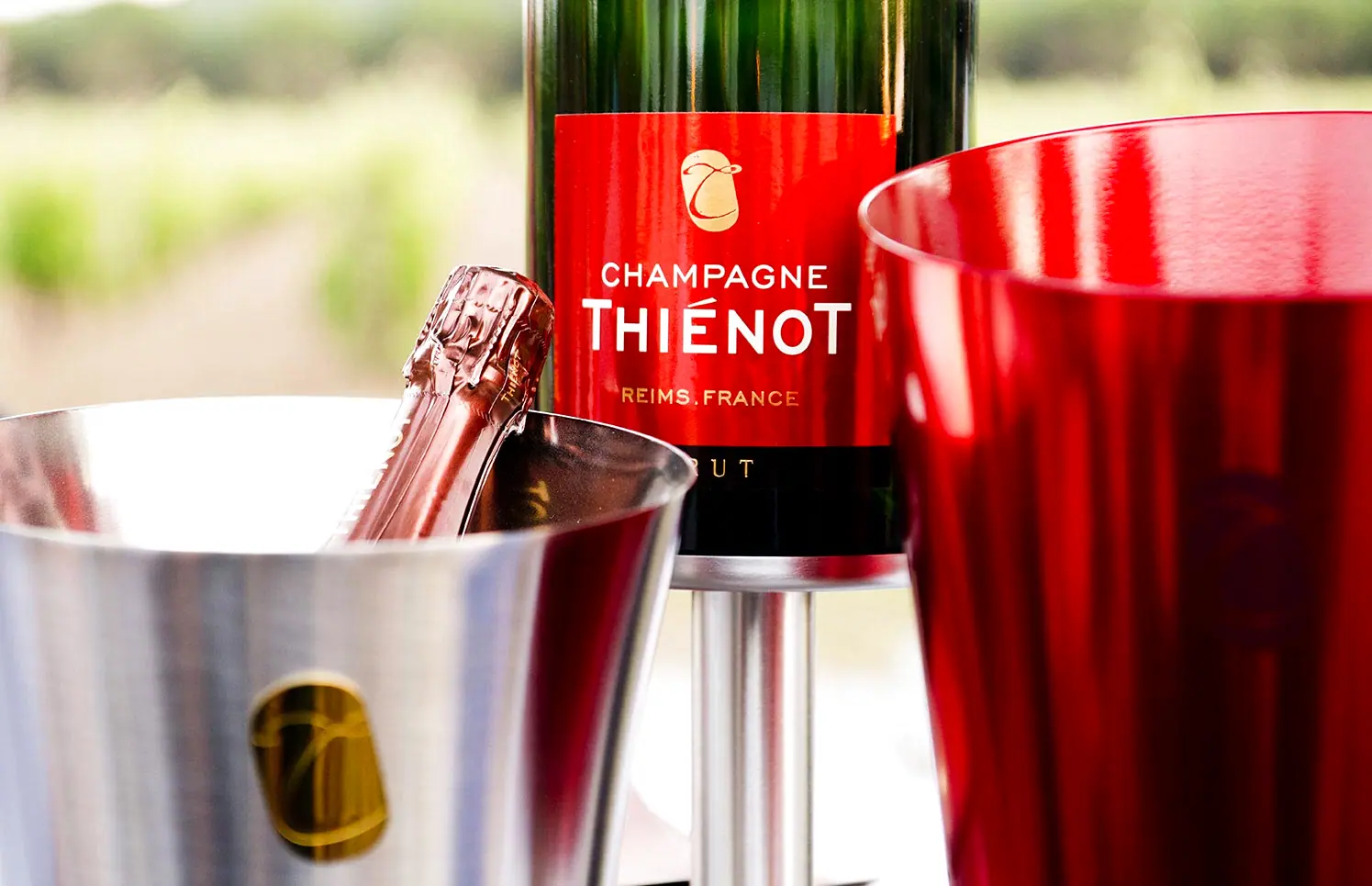
Champagnes with firn are excellent companions to rich dishes. Mature champagne goes well with aged cheese, foie gras, mushroom risotto or even hearty meat dishes. The complex aromas and rich texture complement these foods and take the meal to another level.
A constant temperature, ideally between 10 and 12 degrees Celsius, and high humidity are essential for even ageing.
Conclusion
Firn is a fascinating aspect of the champagne world, highlighting the depth of flavour and complexity of this noble drink. For enthusiasts and collectors, the maturation and ageing of champagne is an exciting journey through different layers of flavour and aroma. Proper storage and mindful enjoyment of champagne with firn can deepen your understanding and appreciation of this unique drink.
Pictures
 0 %
