
Veuve Clicquot Champagne: A Champagne Legend
 Veuve Clicquot Champagner
01Founding and Early Years
Veuve Clicquot, a name that stands for elegance and innovation in the world of champagne, was founded in Reims in 1772 by Philippe Clicquot. It began as a wine merchant trading under the Clicquot name, with the aim of marketing the finest wines of the region. Philippe Clicquot could hardly have imagined the iconic status his brand would one day achieve.
 Champagner Trauben, Traubensorten
02The Role of Barbe-Nicole Clicquot-Ponsardin
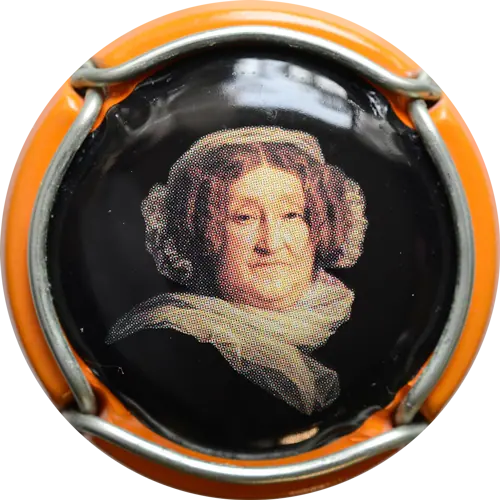
In 1805 François Clicquot, the founder's son, died and left behind his 27-year-old widow, Barbe-Nicole Clicquot-Ponsardin (veuve is French for “widow”). Against all expectations, the young widow took over the business and led it to international fame. Her vision and entrepreneurial spirit were unmatched. Despite the turmoil of the Napoleonic Wars, she managed to export Veuve Clicquot champagne to the courts of Europe and beyond.
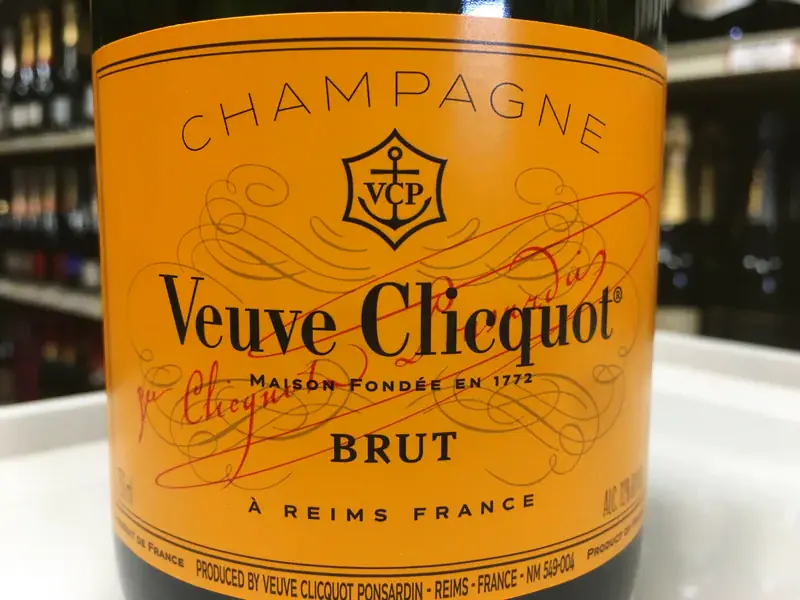
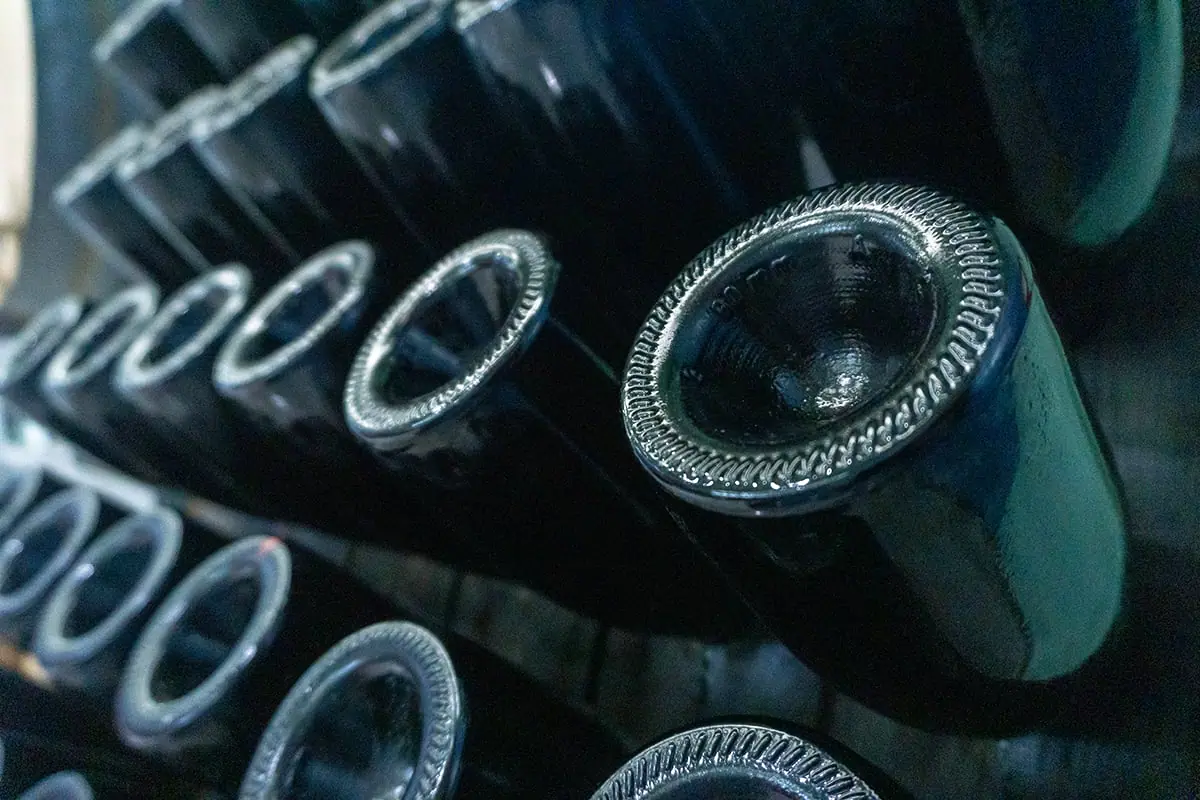
Barbe-Nicole was a pioneer in many respects. She devised the riddling method (remuage), which improved the fermentation process and made the champagne clearer. Her tireless pursuit of perfection led her to inspect the wine cellars even at night, to make sure her cuvées met the highest standards.
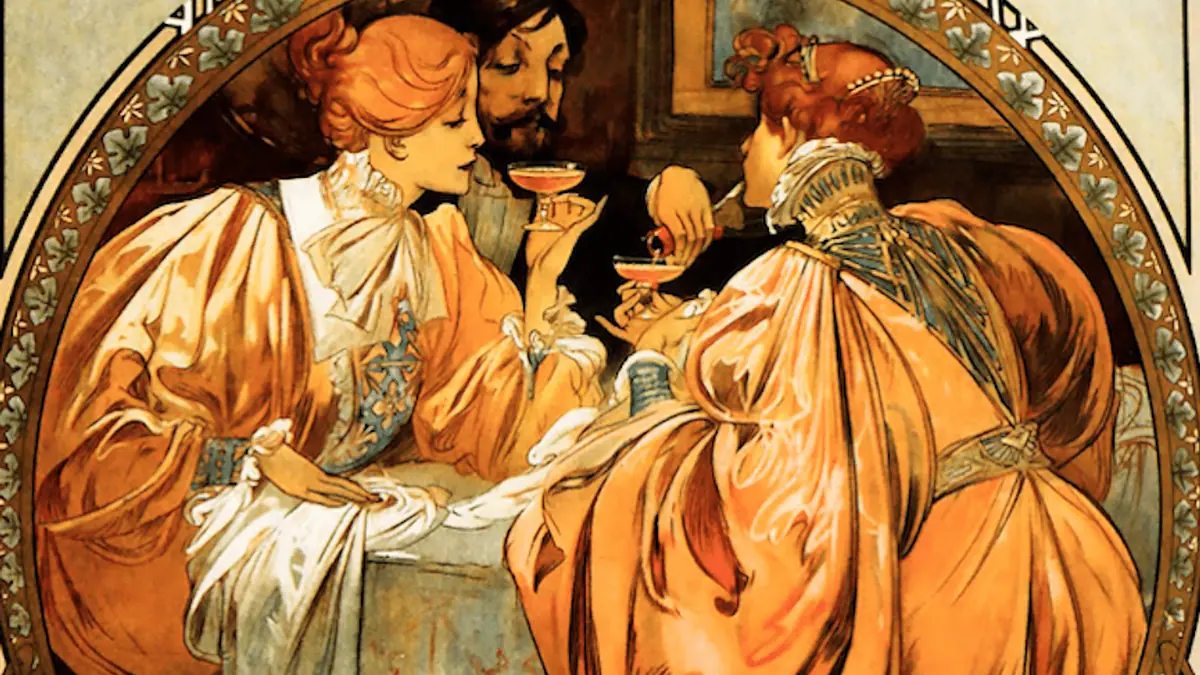 Champagner Historie
03A Legacy of Innovation
One of her greatest innovations was the development of clear champagne, which until then had often been cloudy. Thanks to riddling, the yeast sediment could be removed efficiently, resulting in a clearer, higher-quality wine. Many other champagne houses later adopted the method, and it remains a standard procedure in production to this day.
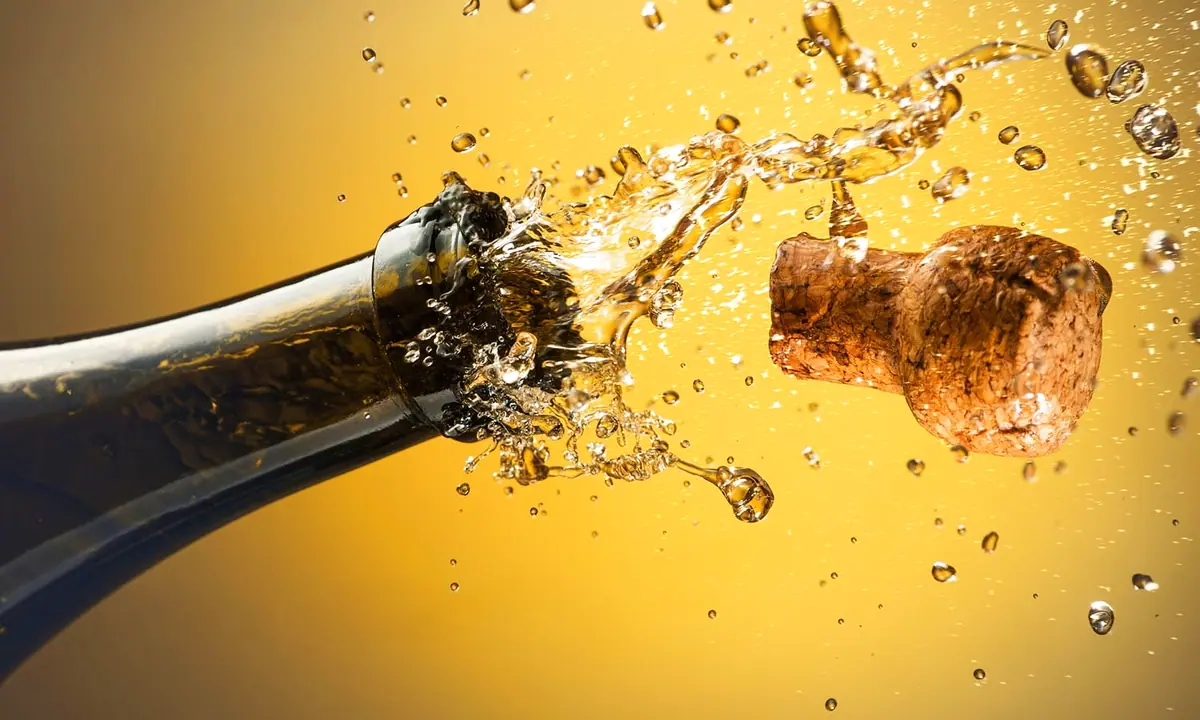 Champagner Dégorgement à la Glace
04Veuve Clicquot La Grande Dame
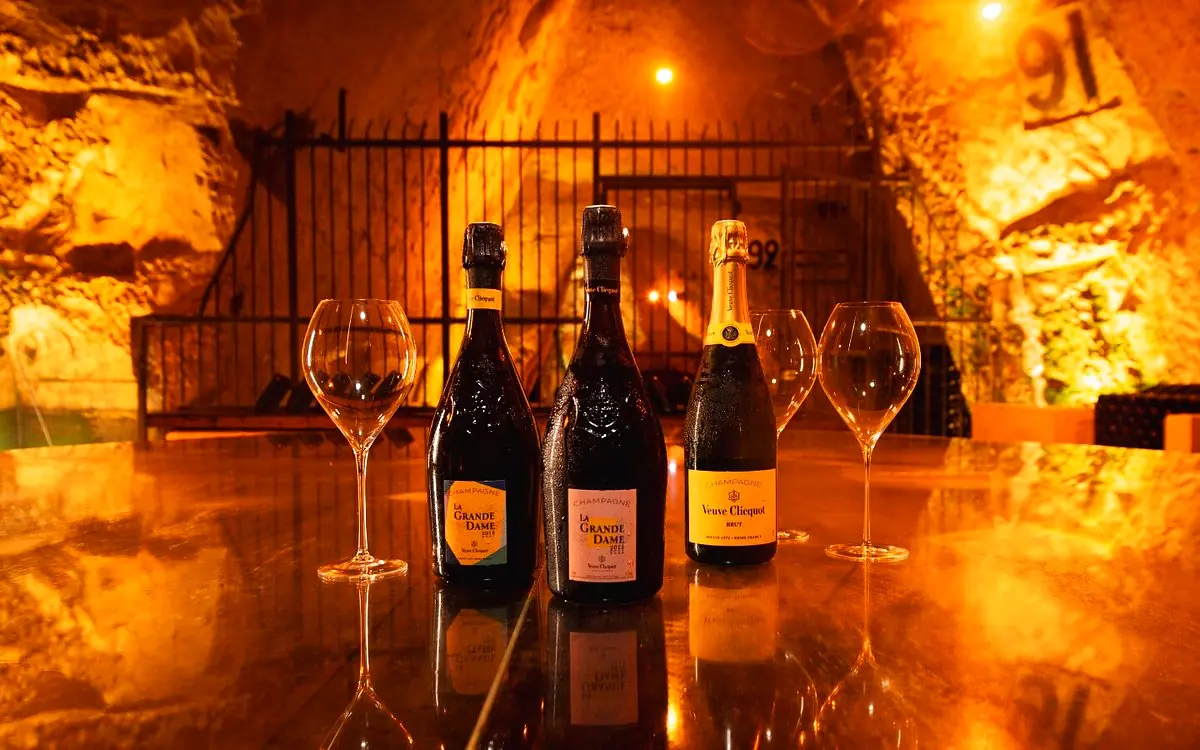
Veuve Clicquot Ponsardin is perhaps best known for its prestige cuvée, La Grande Dame. Named in honour of the founder, this cuvée embodies the heritage and quality that Veuve Clicquot stands for. La Grande Dame is made from the best grapes of the house's oldest vineyards and is a symbol of excellence and refinement.
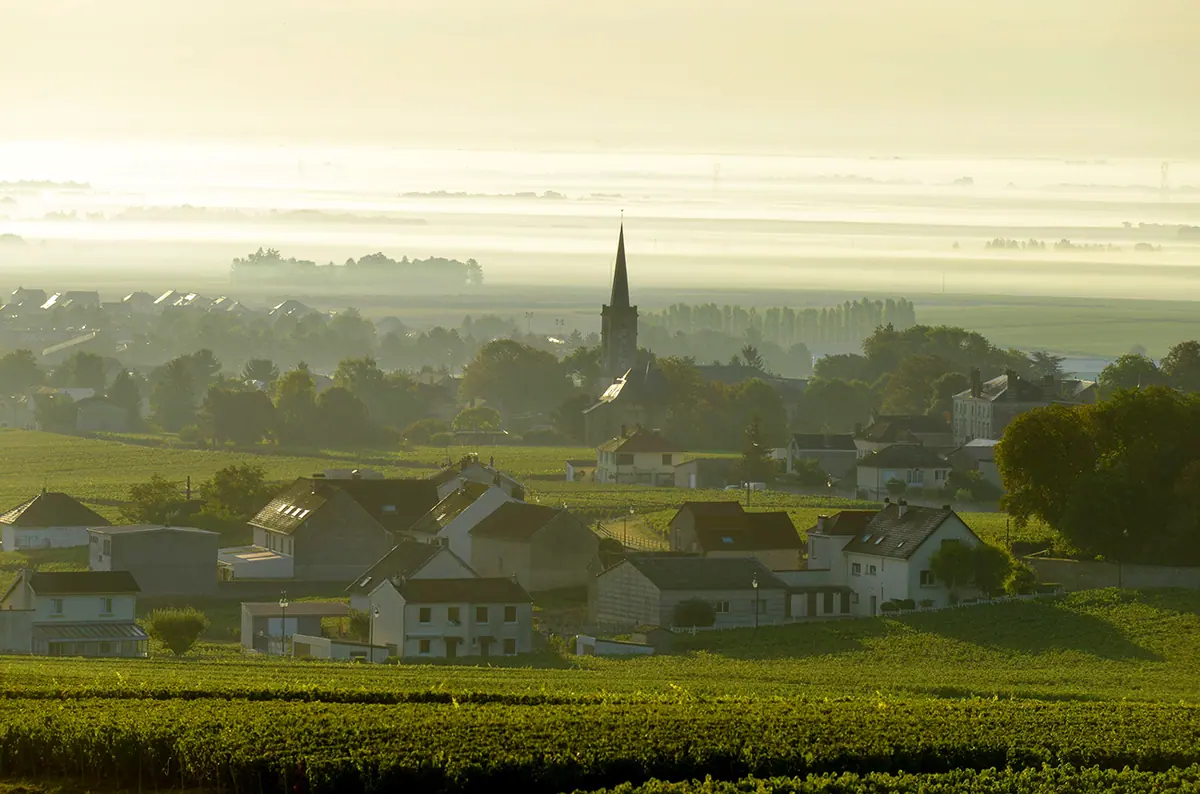 Côte des Blancs
05Expansion and Its Role in German Sparkling Wine
The influence of Veuve Clicquot reached well beyond France. Georg Christian von Kessler, who worked at Veuve Clicquot from 1807 to 1825/26, founded the first German sparkling wine cellar (Sektkellerei) in Esslingen am Neckar in 1826. The experience and knowledge he had gained at Veuve Clicquot were decisive for the development of the German sparkling wine industry.
 Hautvillers Champagne, Orte und Reisen
06The Era After Barbe-Nicole
After she withdrew from the business in 1841, the cellar master Edouard Werlé became her successor. Madame Clicquot died in 1866 at the age of 89, but her legacy lived on. Edouard Werlé continued to run the house successfully, followed by his son Alfred Werlé in 1884.
 Ay
07The Modern Era and LVMH
Today Veuve Clicquot belongs to the LVMH group (Moët Hennessy Louis Vuitton), one of the world's leading luxury goods conglomerates. Under this umbrella, Veuve Clicquot has further strengthened its position as one of the most renowned champagne brands in the world.
 Nase Champagner
08Current Vineyard Holdings and Headquarters
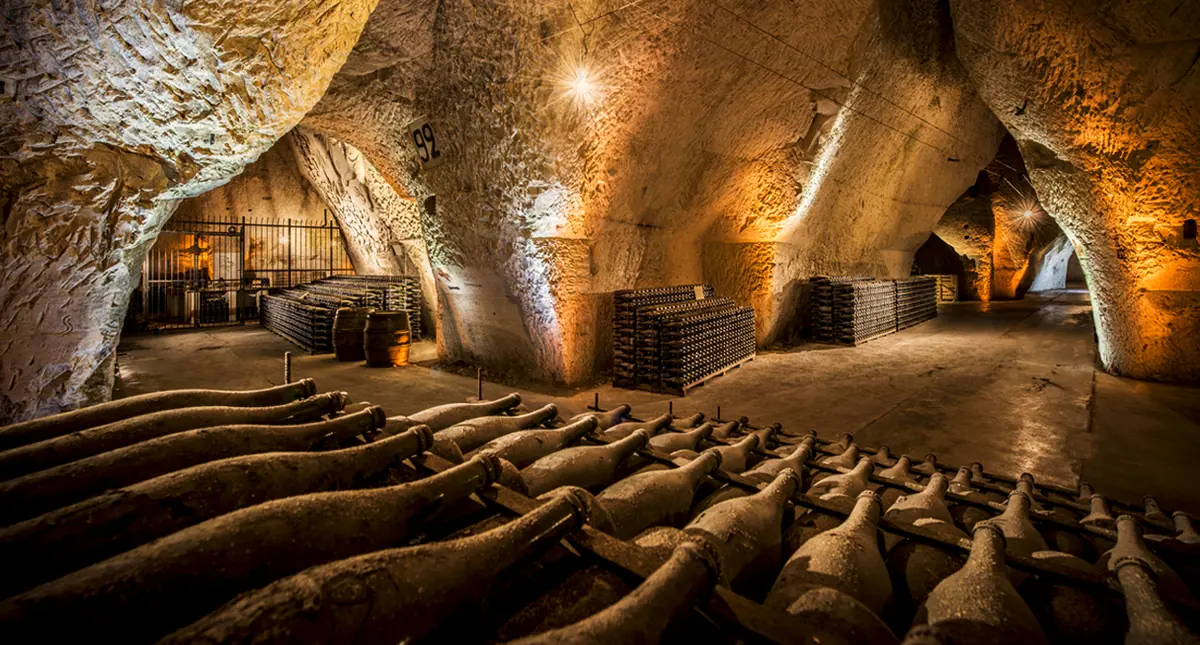
The Veuve Clicquot estate today covers around 390 hectares, spread across some of the best sites in Champagne, including grands crus and premiers crus. The company's headquarters remain in Reims, where the historic cellars, dug into the region's chalk, still serve as storage for maturing the wines.
 Flaschengärung
09Heritage and Future
The legacy of Veuve Clicquot is shaped by innovation, quality and an unshakeable devotion to the art of making champagne. Over the centuries the brand has kept its reputation for excellence and remains a symbol of French savoir-vivre. With La Grande Dame and other celebrated cuvées, Veuve Clicquot continues to set the standard in the world of champagne.
 Schaumwein aus der Champagne, Champagner Servieren
10Historical Milestones
- 1772: Founded by Philippe Clicquot
- 1805: Barbe-Nicole Clicquot-Ponsardin takes over
- 1810: First vintage champagne introduced
- 1816: Barbe-Nicole invents the riddling method
- 1841: Barbe-Nicole withdraws from the business
- 1866: Death of Barbe-Nicole Clicquot-Ponsardin
- 1972: La Grande Dame launched for the house's 200th anniversary
- 1986: Acquired by LVMH
 Legal notice
11The Myth of Veuve Clicquot
Veuve Clicquot Ponsardin is not just a champagne brand, it is a legend. The story of the “Grande Dame de la Champagne” and her visionary leadership revolutionised the champagne industry and made the brand a byword for luxury and quality. The combination of tradition and innovation remains at the heart of Veuve Clicquot, as the house continues to set the highest standards in champagne production.
 Bottle

 0 %
