

Disgorgement (dégorgement) is the stage in champagne production where the yeast particles and sediment left by the second fermentation are removed from the bottle. It is done à la volée by hand or à la glace by freezing the yeast plug.
The disgorgement of champagne is an essential step in the making of this noble sparkling wine. It is the process that removes the yeast particles and other sediment that collect in the bottle during the second fermentation. This fermentation, known as the “méthode champenoise”, gives champagne its characteristic bubbles and fine mousse. But before the champagne can be sold, the unsightly deposit has to go. This is where disgorgement, or “dégorgement”, plays its decisive role.
Disgorgement, also known as “dégorgement”, was developed in the late 18th century. The process was refined in 1775 by the champagne producer Jean-Baptiste André Guérin. The method was then taken up and developed further by other champagne producers.
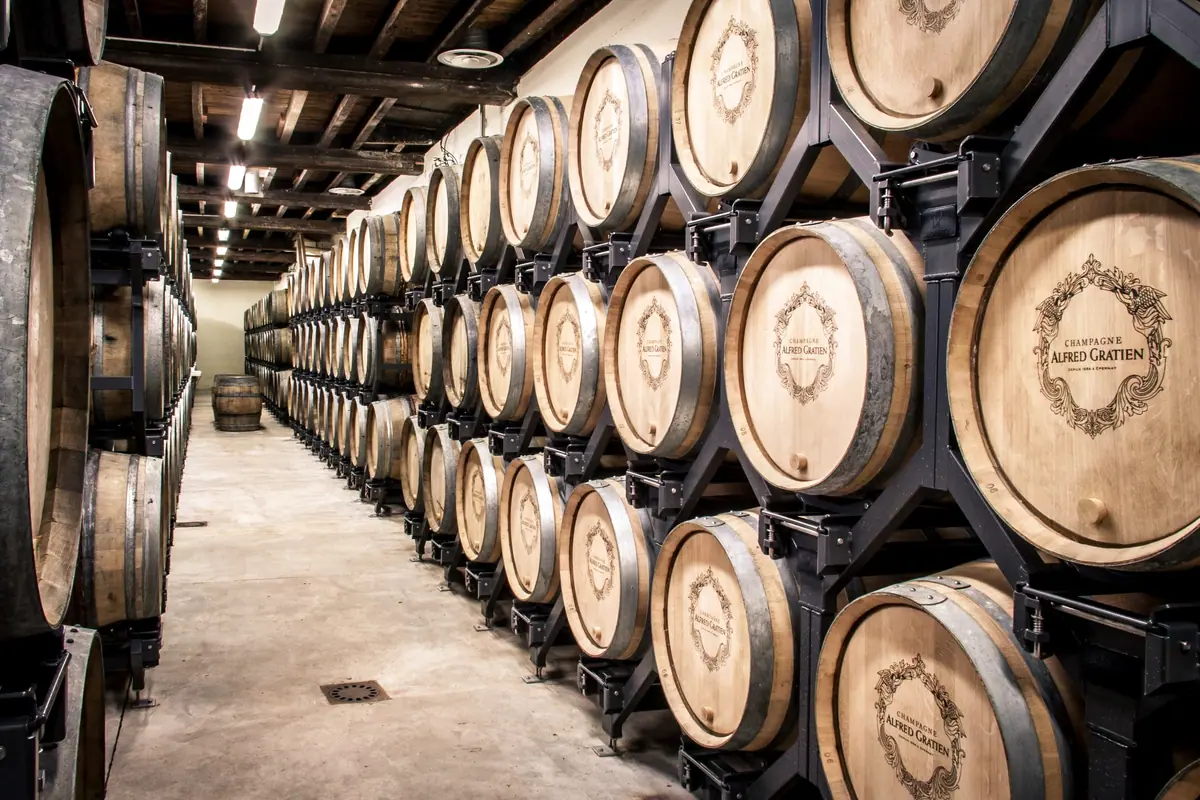 Alfred Gratien Champagner
01The méthode champenoise and why it matters
Before we look more closely at disgorgement, it helps to understand the “méthode champenoise”. This traditional method of making champagne begins with the first fermentation, which produces the base wine. After that first fermentation, a mixture of sugar and yeast, the so-called “liqueur de tirage”, is added to the wine before it is bottled and sealed with a crown cap. The second fermentation takes place in the bottle and produces carbon dioxide as well as a deposit of yeast, known as “lees” or “sediment”.
 Besserat de Bellefon Champagner, blanc
02Riddling (remuage)
Before disgorgement can take place, the sediment has to be moved into the neck of the bottle. This process is called “riddling” or “remuage”. The bottles are placed in special riddling racks, known as “pupitres”, and turned and tilted every day, by hand or by machine. The aim is to coax the yeast gradually down into the neck. This can take several weeks, depending on the type of champagne and the result the winemaker is after.
Traditionally, riddling was carried out by experienced “remueurs”, who slowly turned and tilted the bottles over a period of six to eight weeks. Today the work is often done by machines, which saves time and labour.
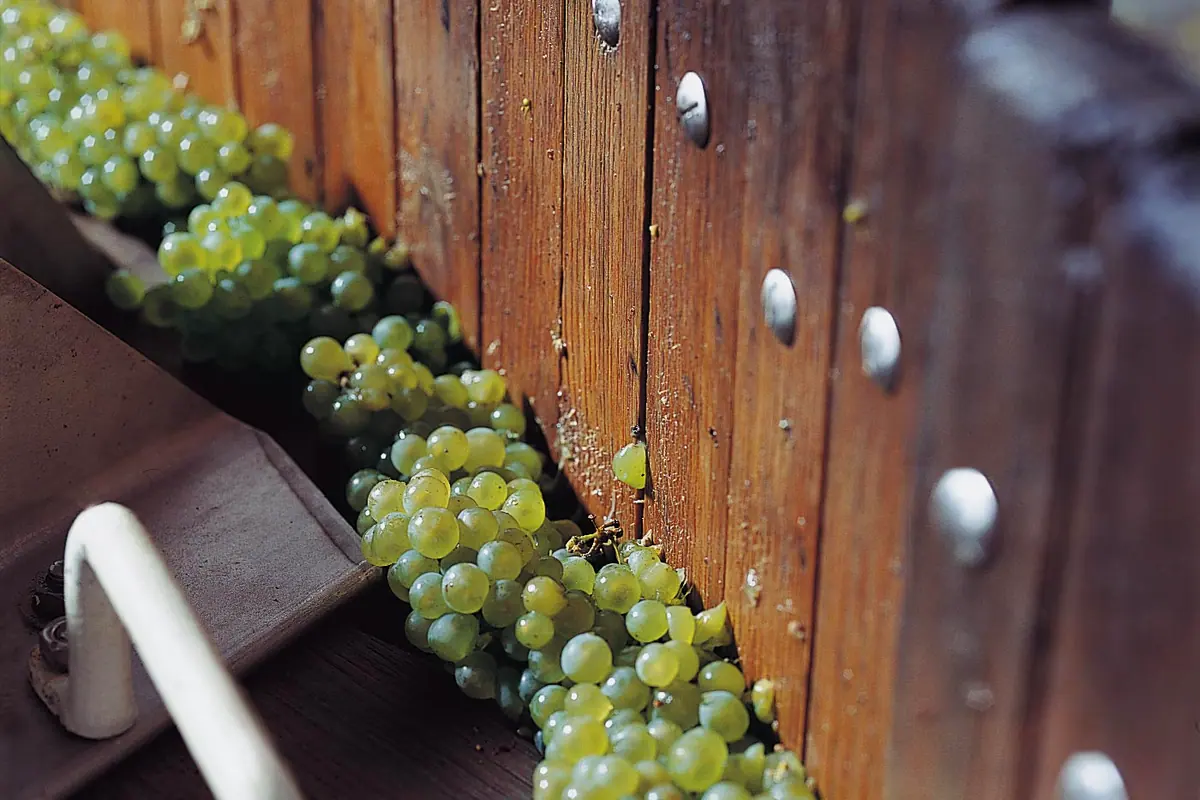 Champagner Trauben, Traubensorten
03Disgorgement (dégorgement)
Once the yeast has collected in the neck, the actual disgorgement follows. This is the step in which the yeast particles are removed. There are two main methods: “dégorgement à la volée” and “dégorgement à la glace”.
Dégorgement à la volée
In this traditional method the crown cap is removed by hand, and the pressure of the carbon dioxide propels the yeast out of the bottle. It takes a great deal of skill and experience, as it has to be done quickly and precisely to keep the loss of champagne to a minimum.
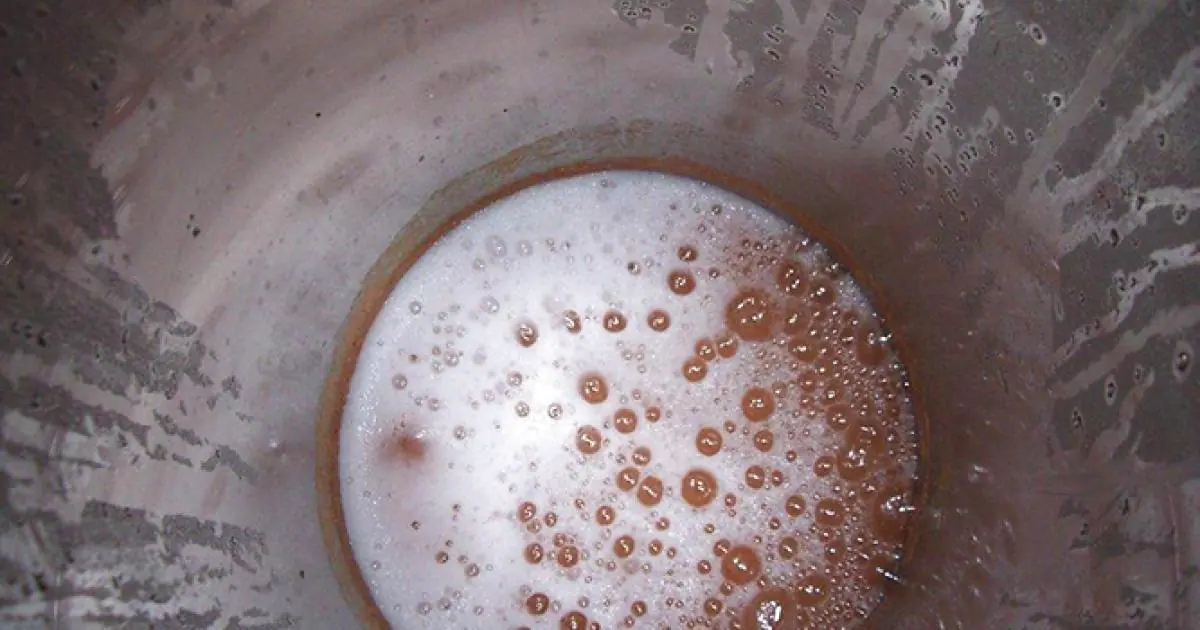
Dégorgement à la glace
This more modern method is more precise and more efficient. The neck of the bottle is dipped into an ice-cold glycol bath, which freezes the yeast. Once the sediment is frozen, the crown cap is removed and the frozen plug of yeast is pushed out of the bottle by the pressure of the carbon dioxide. This method is less labour-intensive and results in less champagne being lost.
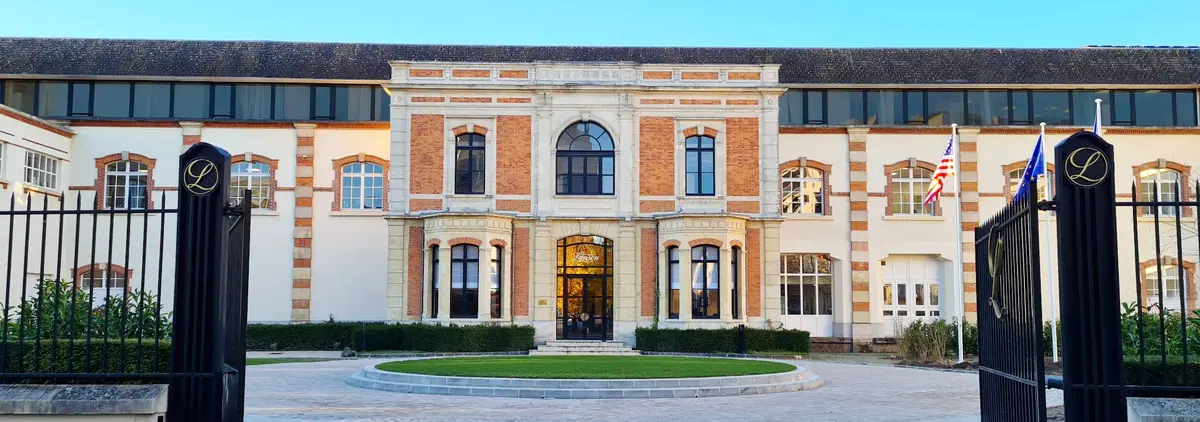 Lanson Champagner Haus
04Dosage and corking
After disgorgement, the liquid that has been lost is topped up with a mixture of wine and sugar, the so-called “dosage” or “liqueur d’expédition”. The amount of sugar in the dosage determines the final sweetness of the champagne, from brut nature (no added sugar) to doux (very sweet).
The bottle is then closed with a natural cork and secured with an agrafe (wire cage). The champagne is now ready for storage and sale.
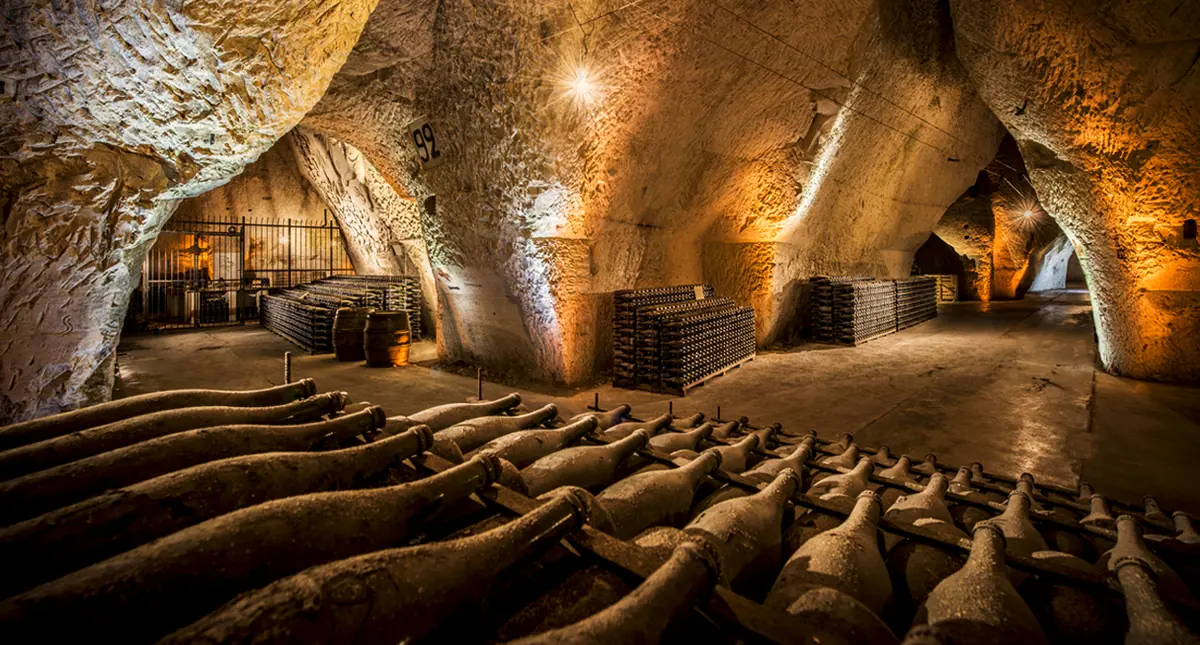 Veuve Clicquot Keller
05Why disgorgement matters for the quality of champagne
Disgorgement is not just a technical step but a decisive process that has a major influence on the quality and purity of the champagne. Carefully carried out, it ensures that no yeast particles remain in the wine, which results in a clear, sparkling champagne. It also affects the mouthfeel and taste, as any unwanted bitter or cloudy notes are removed.
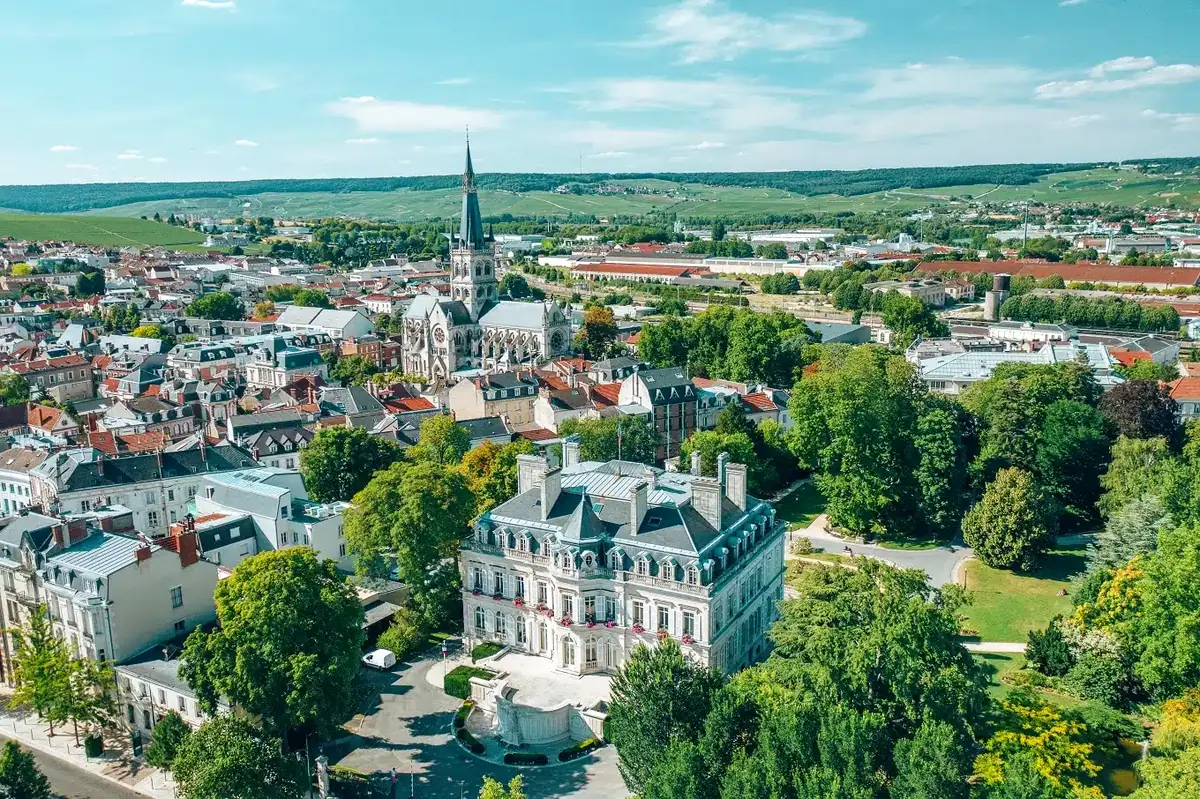 Épernay
06Tradition and modernity
Although the methods of disgorgement have been developed and improved over the years, the process remains an essential part of traditional champagne production. Many champagne houses combine traditional techniques with modern technology to guarantee the highest quality. Machines have made the work more efficient, but the craftsmanship and experience of the winemakers remain indispensable in preserving the distinctive style and individuality of each champagne.
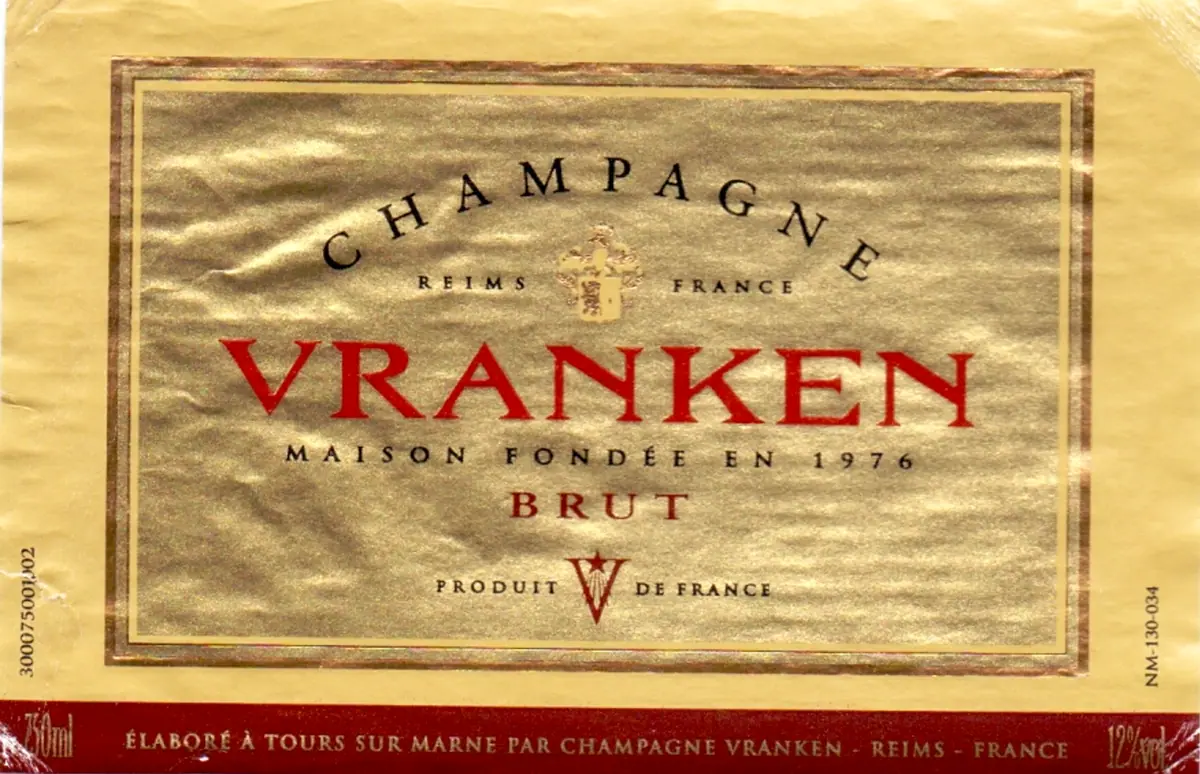 Vranken Champagner Etiketten alt
07Conclusion
Disgorgement is a complex and painstaking process, deeply rooted in the tradition of champagne making. It calls for both craftsmanship and technical precision to make sure the champagne is clear, pure and of the highest quality. By combining tradition and innovation, the champagne houses manage to preserve, and perfect, the magic of this noble sparkling wine.
Pictures
 0 %
