
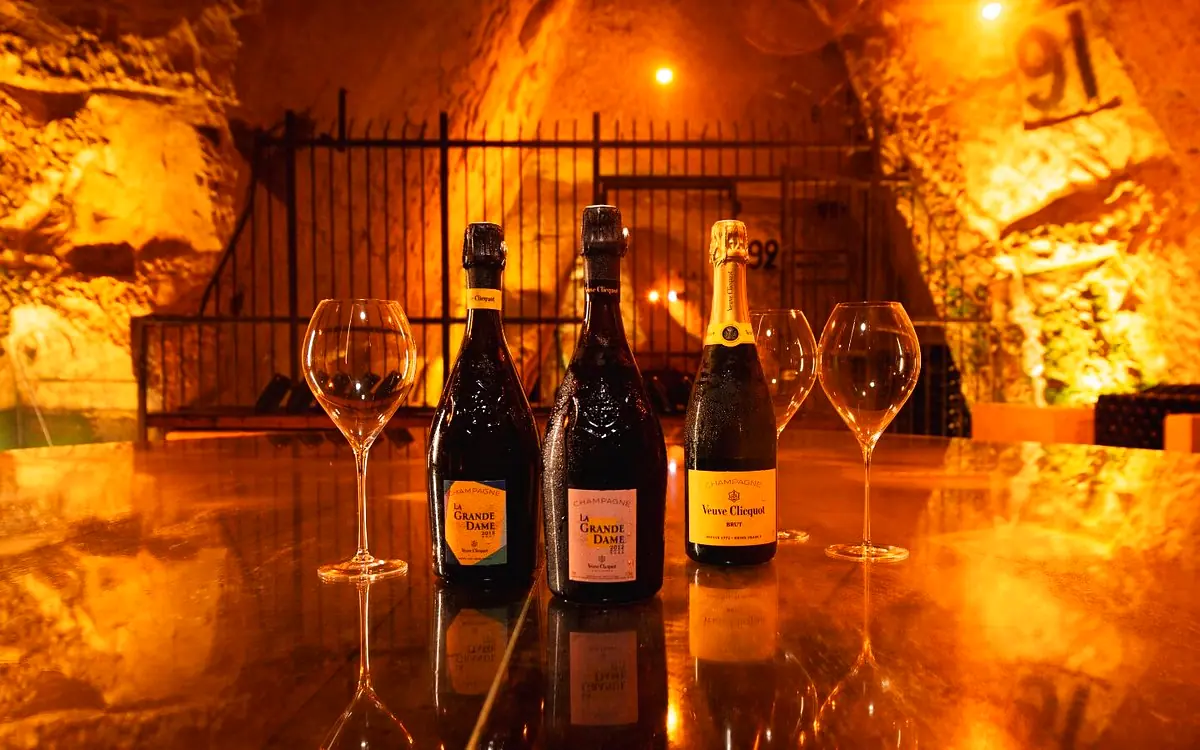
In wine, Blume is the German term for a wine's fruity, floral or spicy bouquet. In champagne tasting notes, floral aromas are those that recall blossoms such as rose, jasmine or violet.
The fruity, floral and/or spicy sensory impression of a wine's scent. The German word for this is Blume, roughly the equivalent of the English "bouquet".
"Floral" is a term used in wine and champagne tasting notes to describe aromas and flavours that recall different kinds of flowers. In the world of champagne, floral notes are especially prized and can enrich the overall profile of a wine considerably. These aromas can range from delicate blossoms such as rose and jasmine to more intense ones such as violet and orange blossom.
1. The role of floral notes in champagne
Floral notes in champagne often come from the choice of grapes and the way the wine is made. Chardonnay and Pinot Noir in particular, both widely used in champagne, can develop floral aromas. Chardonnay often contributes an elegant, floral profile, while Pinot Noir can add further complexity and depth.
The method of sparkling wine production also shapes these aromas. The traditional method, with its second fermentation in the bottle, can help preserve and develop subtle floral notes. The time the champagne spends on the lees contributes as well. This ageing can blend the floral scents harmoniously with other aromas such as fruit or nuts.
2. Examples of floral champagnes
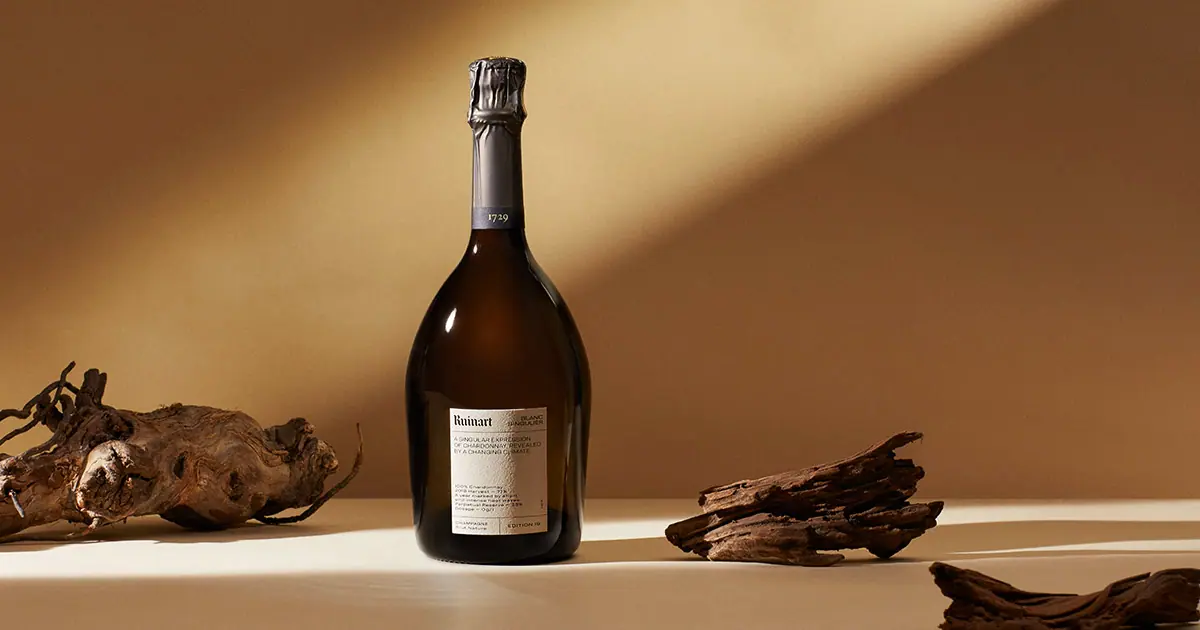
A prime example of a champagne with pronounced floral notes is the Champagne Blanc de Blancs. Made exclusively from Chardonnay grapes, these champagnes often show aromas of citrus fruit and fresh flowers. A particularly floral example is the "Champagne Pierre Gimonnet & Fils Blanc de Blancs", known for its elegant aromas of white flowers and citrus.
These aromas can range from delicate blossoms such as rose and jasmine to more intense ones such as violet and orange blossom.1.
Another is the "Champagne Salon Blanc de Blancs", a luxury champagne famed for its extremely fine and complex floral aromatics. Salon often shows notes of jasmine, acacia and a hint of white peach, which give it an exquisite floral quality.
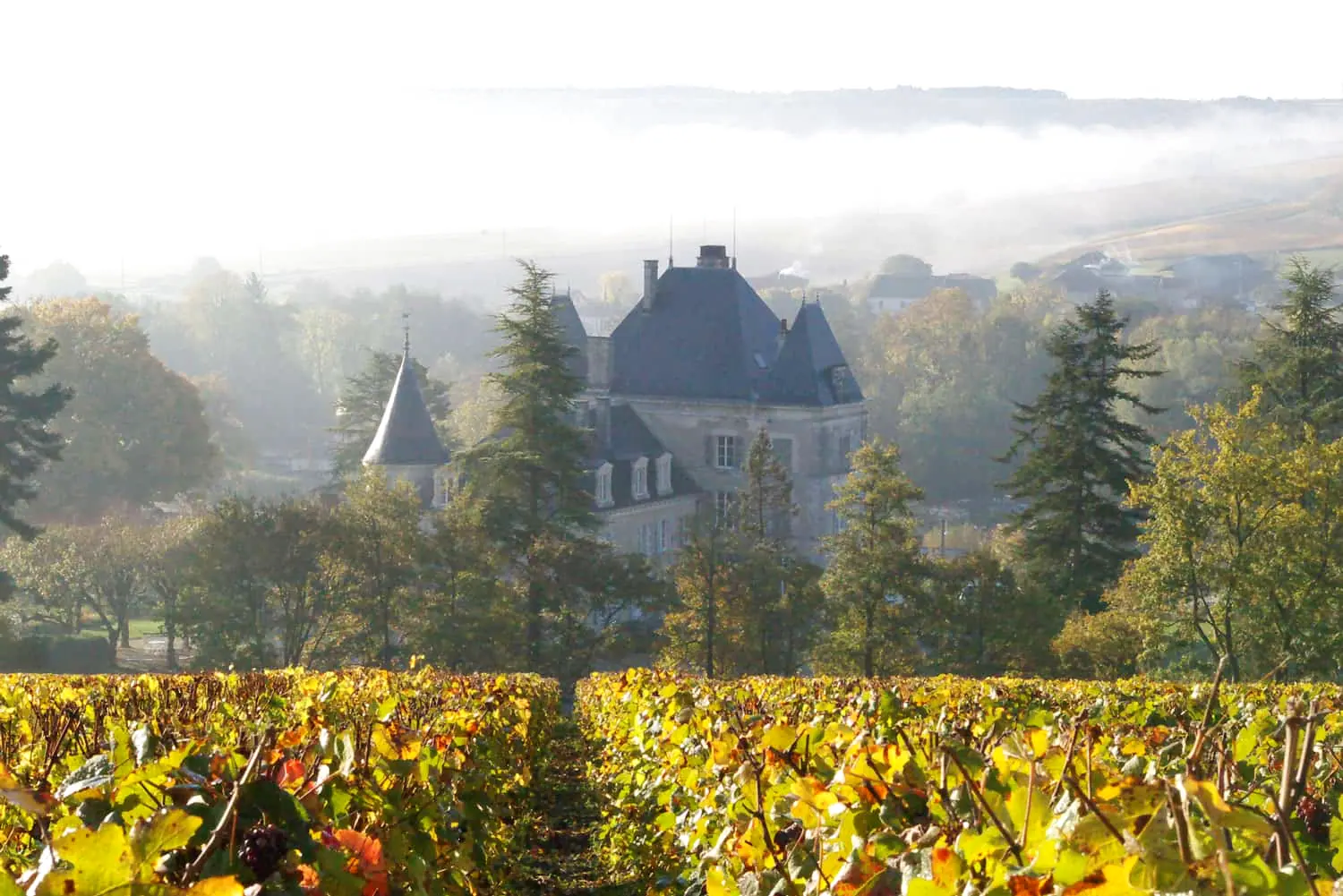
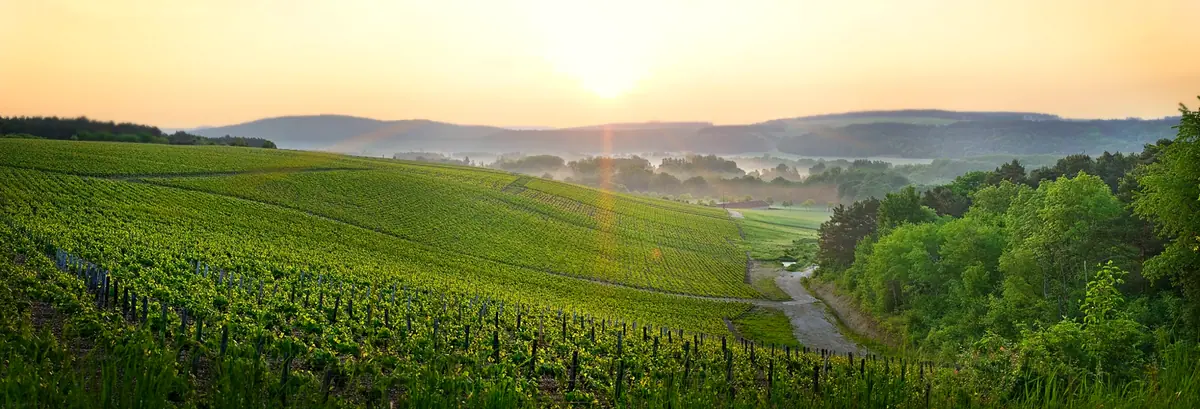 Ferdinand Bonnet Champagner Reben
3. How floral notes are perceived
Floral notes in champagne are often subtle and can develop and change over time. How you taste also affects what you pick up. With careful tasting you can make out the floral nuances better, especially if you let the champagne rest in the glass for a little while so the aromas can open up fully.
Floral notes often appear as part of a more complex range of aromas. They can combine with other notes such as honey, brioche or citrus fruit to give a harmonious, many-layered tasting experience.
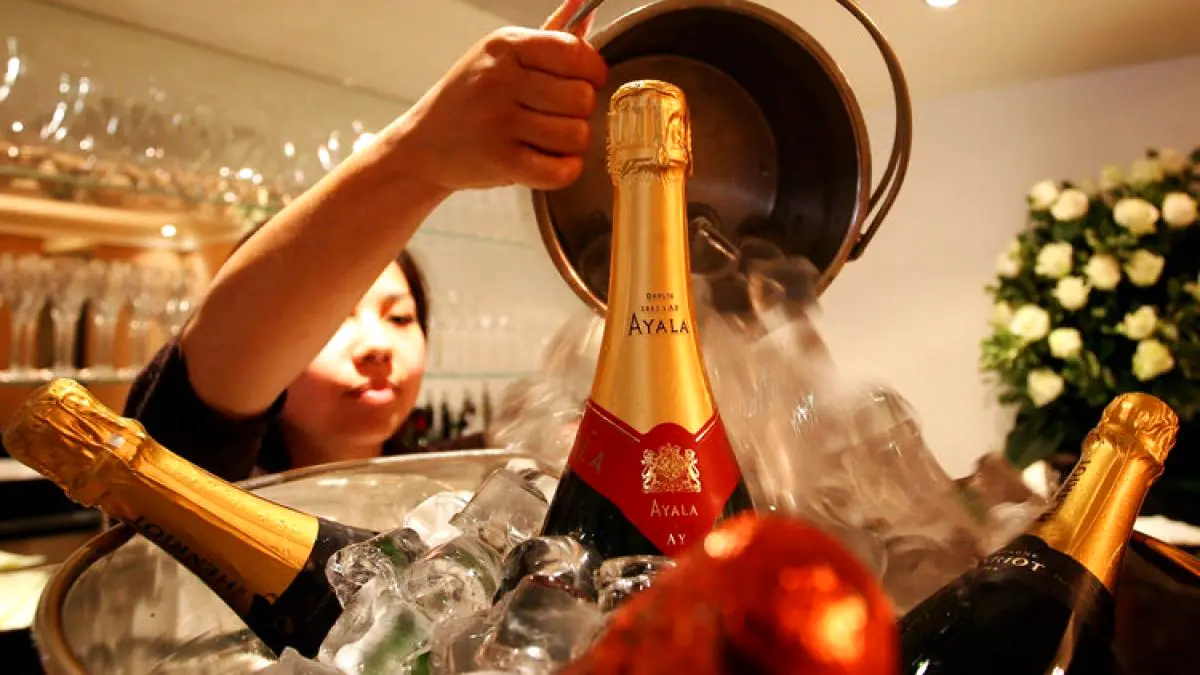
4. How to enjoy floral champagne
Floral champagne is excellent as an aperitif or with light dishes that will not overpower its subtle aromas. It goes well with fresh seafood, grilled vegetables or a light salad with citrus dressing. It can also be a lovely partner to delicate desserts such as a lemon tart or a light sorbet.
It matters to serve the champagne at the right temperature so the floral aromas show at their best. The ideal serving temperature is around 7 to 9 degrees Celsius. If it is too warm, the aromas can turn flat, while if it is too cold, the floral notes can be suppressed.
5. Conclusion
Floral notes in champagne are a sign of elegance and refinement. They give a champagne an extra dimension and complexity that can enrich the pleasure of drinking it. Whether in a luxurious Blanc de Blancs or a well-aged vintage champagne, floral aromas are a fine and much-appreciated nuance that reflects the craft and quality behind the wine. The next time you enjoy a glass of champagne, take a moment to look for the subtle floral aromas and appreciate them. They are often the hallmark of a truly exceptional sparkling wine.
Pictures


 0 %
