
- Département
- Aisne (Hauts-de-France)
- Site
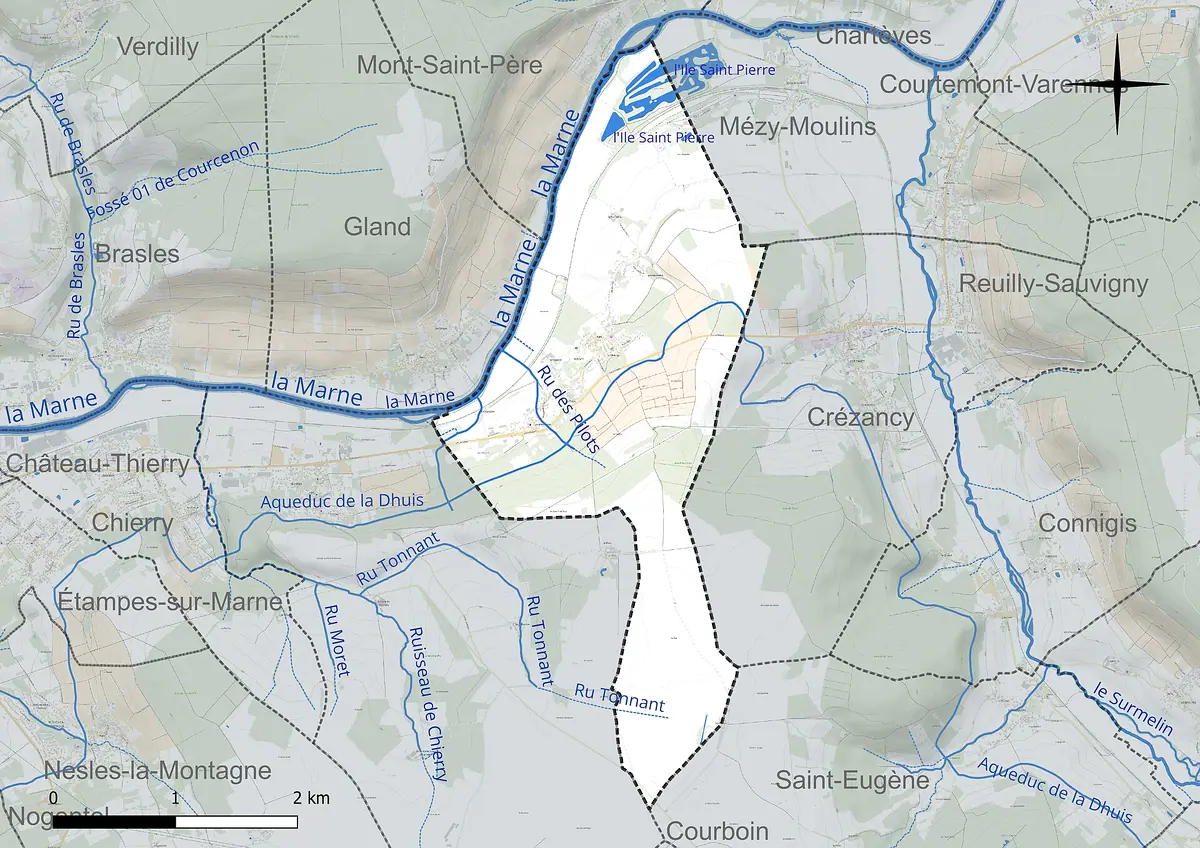
- Vallée de la Marne, six kilometres east of Château-Thierry
- Inhabitants
- 535 (as of 1 January 2023)
- Source
- Wikipedia, eigene Zusammenfassung
Fossoy is a winegrowing village in the Aisne département, six kilometres east of Château-Thierry on the Marne. Ten wine estates shape the place, along with the church of Saint-Georges.
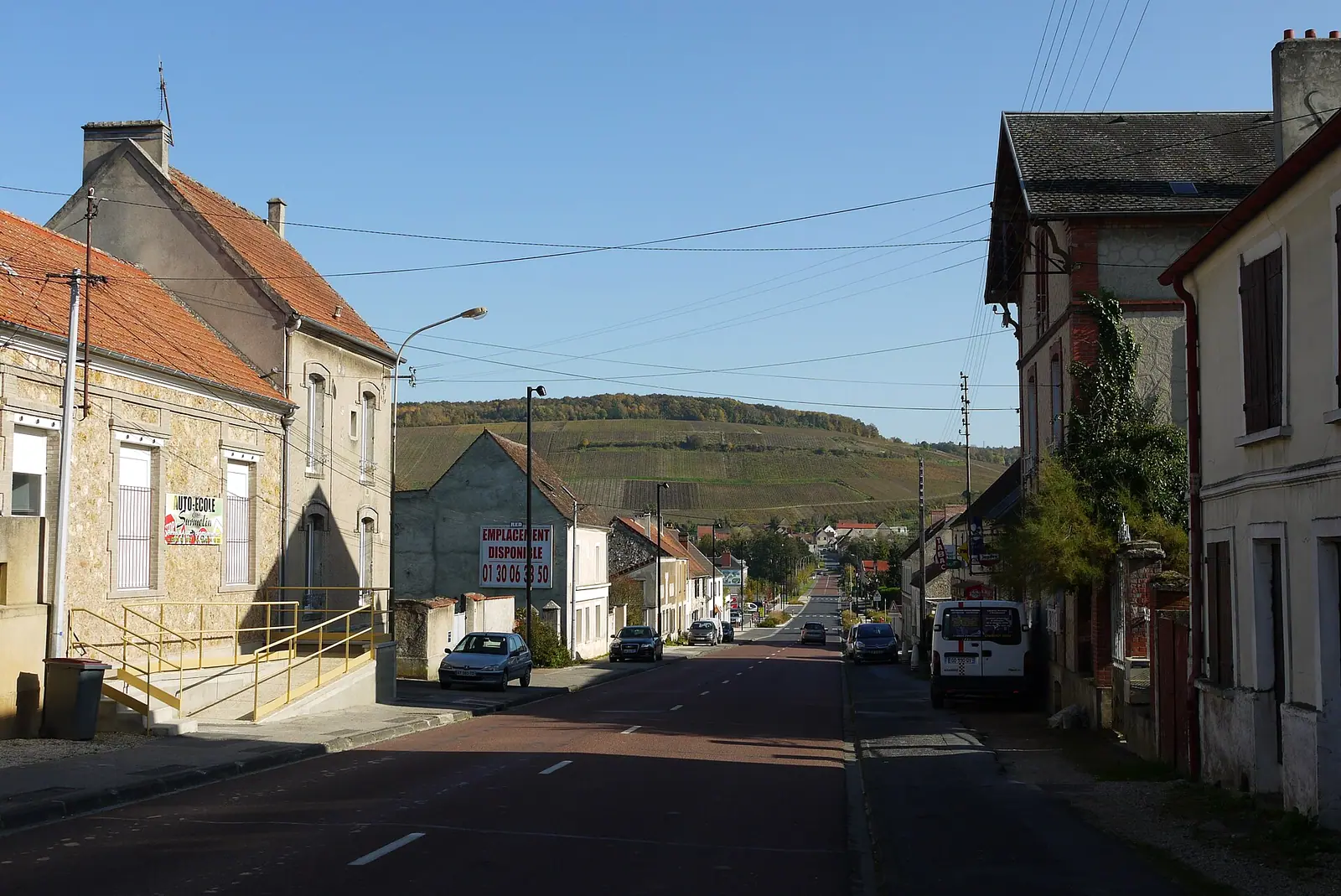
On the banks of the Marne
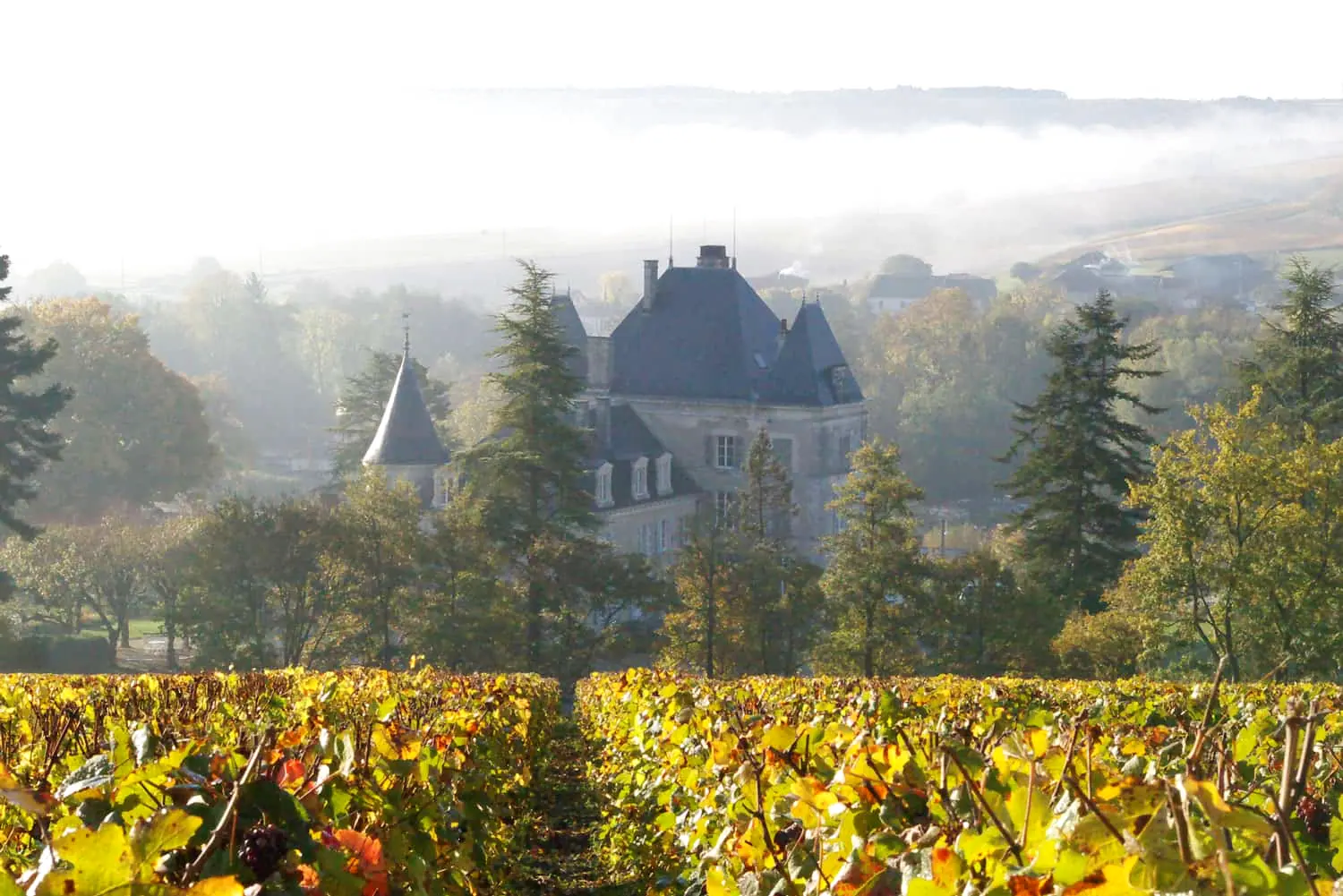
Fossoy lies in the far west of Champagne, in the Aisne département in the Hauts-de-France region. The village spreads across the south-facing slopes of the Marne valley, about six kilometres east of Château-Thierry and roughly 90 kilometres from Paris. The Marne marks the north-western edge of the commune. Its neighbours include Mont-Saint-Père, Mézy-Moulins, Crézancy, Blesmes and Gland. The commune has 535 inhabitants (as of 1 January 2023) and is widely scattered, with houses built in the traditional style of the region. Many wells and old wash-houses recall village life of earlier days.
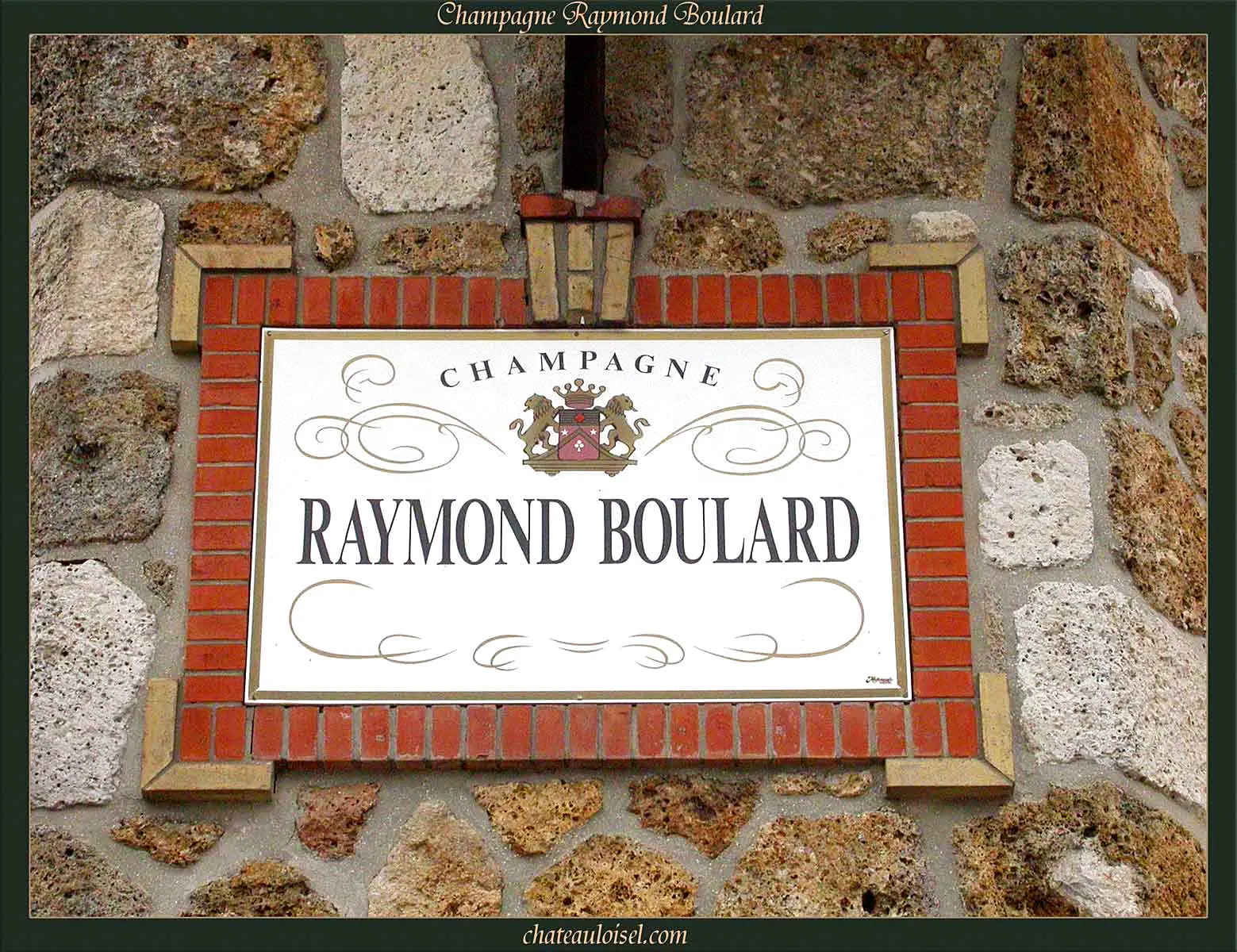
Winegrowing in Fossoy
Fossoy is neither grand cru nor premier cru, but a rural village of the Marne valley where vines grow alongside other crops. Ten winegrowers are based here, along with other farms. According to Corine Land Cover, around 9.4 per cent of the land in 2018 was given over to permanent crops, which include the vines. Arable land takes the largest share at 64 per cent, with a further 11.1 per cent woodland. The climate is oceanic: over the years 1991 to 2020, the average annual temperature near Fossoy was 10.6 °C, with annual rainfall of about 713 millimetres.
The commune has 535 inhabitants (as of 1 January 2023) and is widely scattered, with houses built in the traditional style of the region.
History and legend
In the 12th century Fossoy belonged to the Counts of Champagne. Under Thibaud the Great (1105 to 1152) the county flourished. A charter of the Hôtel-Dieu of Soissons from 1216 names the place Falsiacum. The present name probably derives from the Latin fossetum, the place of ditches.
The village tells a legend from the time of Henri III: cherries from Fossoy and the neighbouring village of Reuilly-Sauvigny found their way onto the royal table. A long drought then struck the land. The people of Reuilly-Sauvigny are said to have thrown the statue of Saint George into the river. It drifted as far as Fossoy, where it was found and celebrated. Rain began to fall soon afterwards.
 Moët & Chandon Champagner Haus
A grave chapter dates from the Second World War: in 1942, 16-year-old Maurice Zélis threw a letter to his brother from the deportation train to Auschwitz. Near Fossoy, a couple named Carron found it in a field and passed it on.
Sights and surroundings
- Church of Saint-Georges, a protected Monument historique
- Ferme du Ru Chailly, seat of the Pays de l'Omois, which brings together nearly 80 communes. Léon Lhermitte painted here; his well-known painting «La paye des moissonneurs» hangs in the Musée d'Orsay.
- Aqueduc de la Dhuis, an underground aqueduct built between 1863 and 1865. It still supplies water to the Val d'Europe, including Disneyland Paris.
- Ile Saint Pierre, a body of water covering 15.9 hectares, of which 7.1 hectares lie within the commune
If you want to get to know Champagne beyond the big names, Fossoy combines well with a visit to Château-Thierry, and you can ask the local winegrowers about their cuvées.
Pictures



 0 %
