Familiengut in Le Mesnil-sur-Oger seit 1889: 20 Hektar, reiner Chardonnay, Grand-Cru-Blanc-de-Blancs von Nicole und Yves Moncuit.
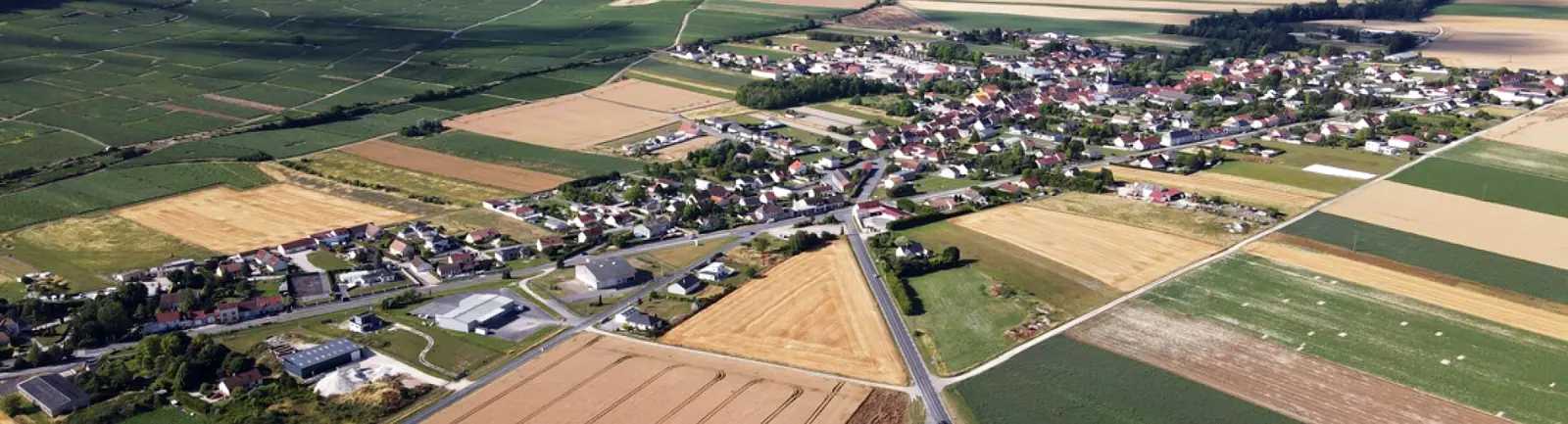
The Moncuit family has farmed vines in Le Mesnil-sur-Oger, a Grand Cru village in the heart of the Côte des Blancs, since the end of the 19th century. The house gives its founding year as 1889. It was Pierre Moncuit who launched the first champagne under the family's own name. Several sources give 1928 for this, others the years after the Second World War. Since 1977 the estate has been run by his children Nicole and Yves Moncuit. Nicole looks after the vineyard and the cellar, Yves handles sales. Today Nicole's daughter Valérie works in the business too.

Vines and sites
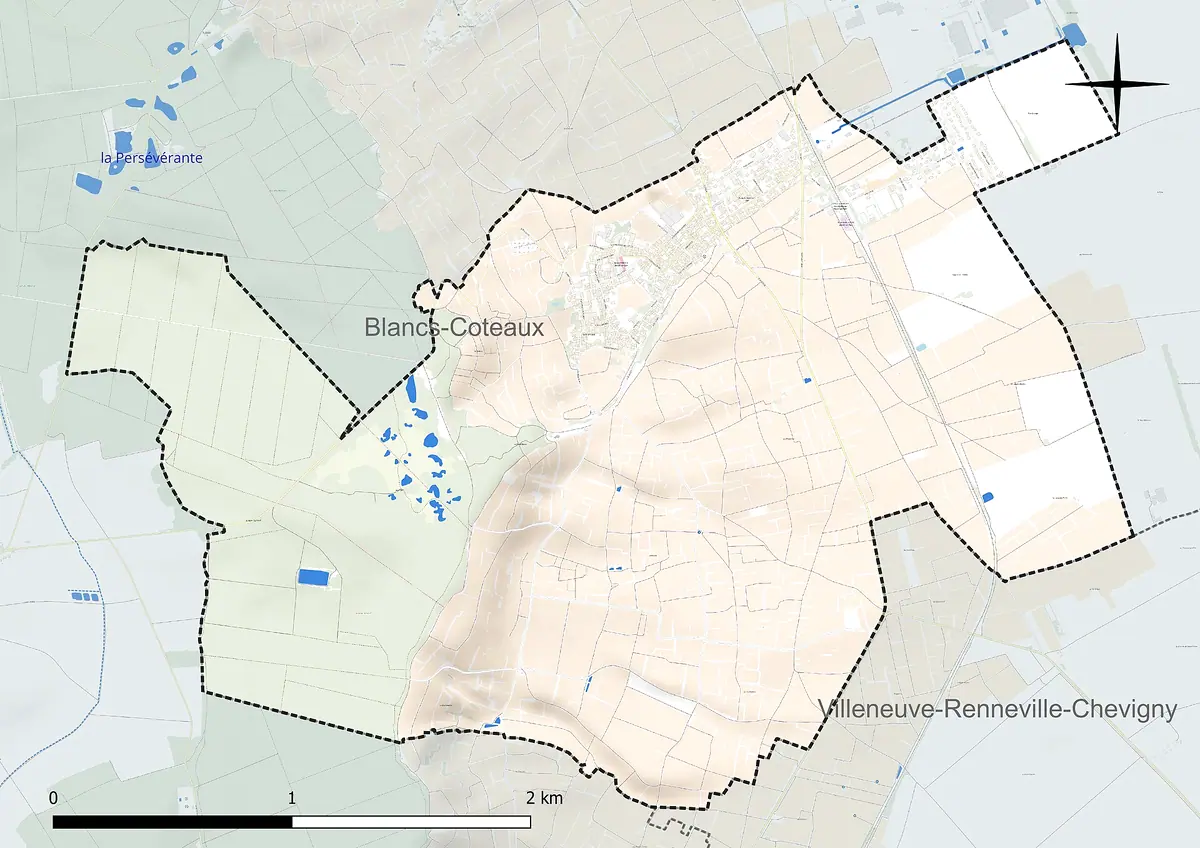
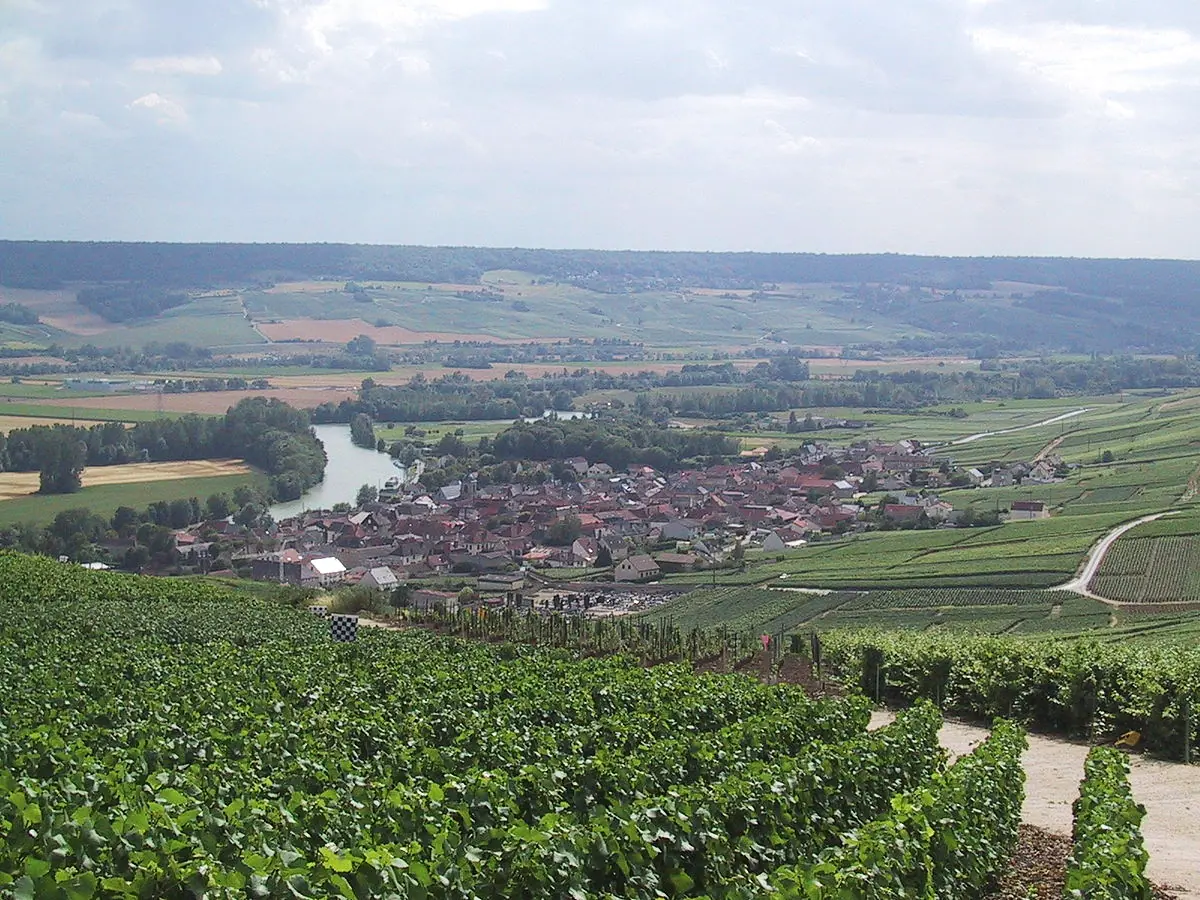
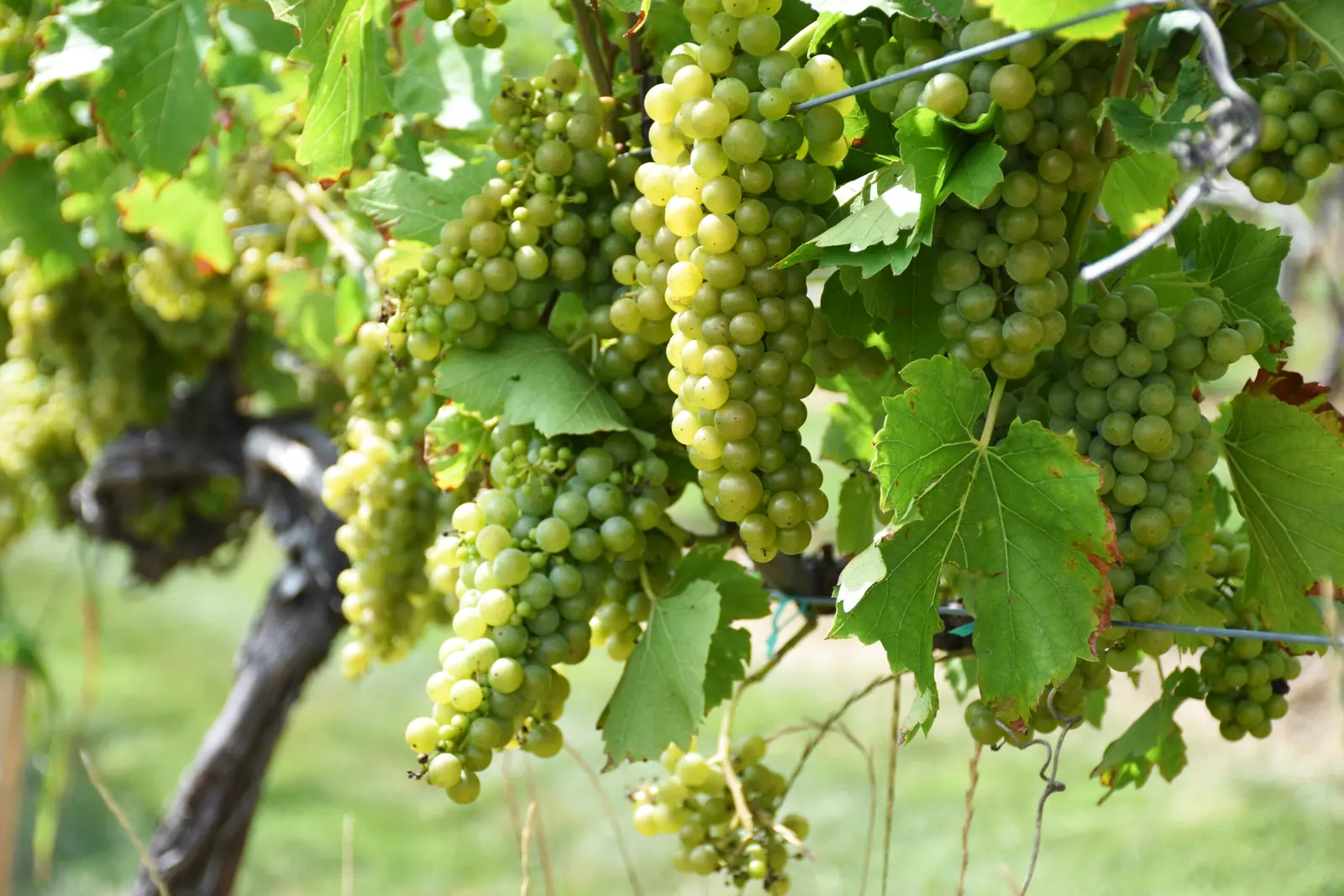
The estate covers around 20 hectares. About 15 hectares lie in Le Mesnil-sur-Oger, and roughly 5 hectares in Sézanne, further south. There is also a small share of Pinot Noir. The importer Vintage 59 counts 25 parcels in Le Mesnil, on the east-facing chalk slope. Most of the vines are over 50 years old. Another importer, Polaner Selections, reports that the family has not replanted a single parcel in more than thirty years. Chardonnay is clearly the focus. The grapes from Le Mesnil and Sézanne are never blended together.
The cuvées
- Hugues de Coulmet Blanc de Blancs Brut: made solely from Sézanne fruit, and the most approachable wine in the range.
- Cuvée Pierre Moncuit-Delos Grand Cru Brut and Extra Brut: the flagship wine from Le Mesnil. It is named after Pierre Moncuit and his wife Odile Delos.
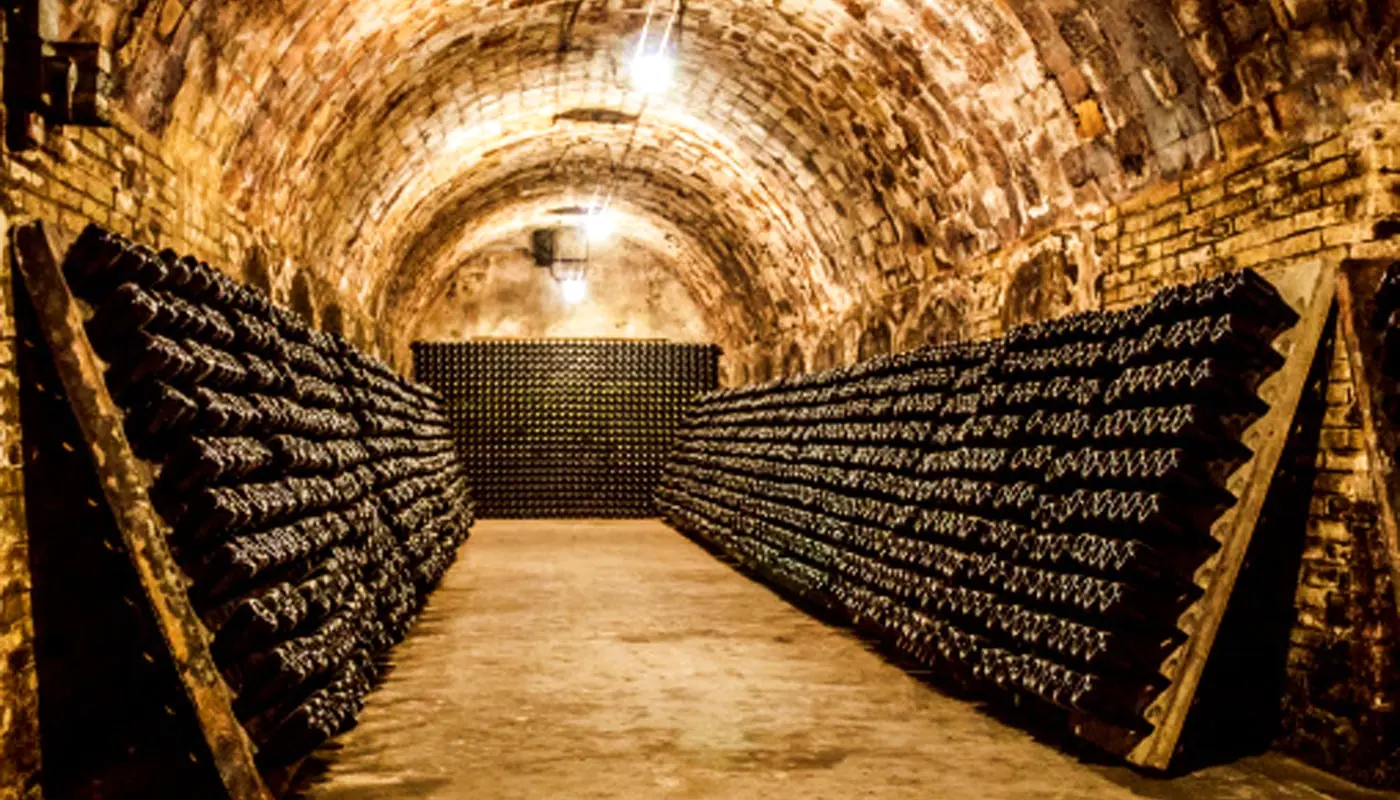
- Millésimé Grand Cru: a vintage champagne which, according to the importer Bancroft, ages for five to ten years before release.
- Cuvée Nicole Moncuit: comes from two neighbouring parcels with vines over 90 years old, and is made only in small quantities.
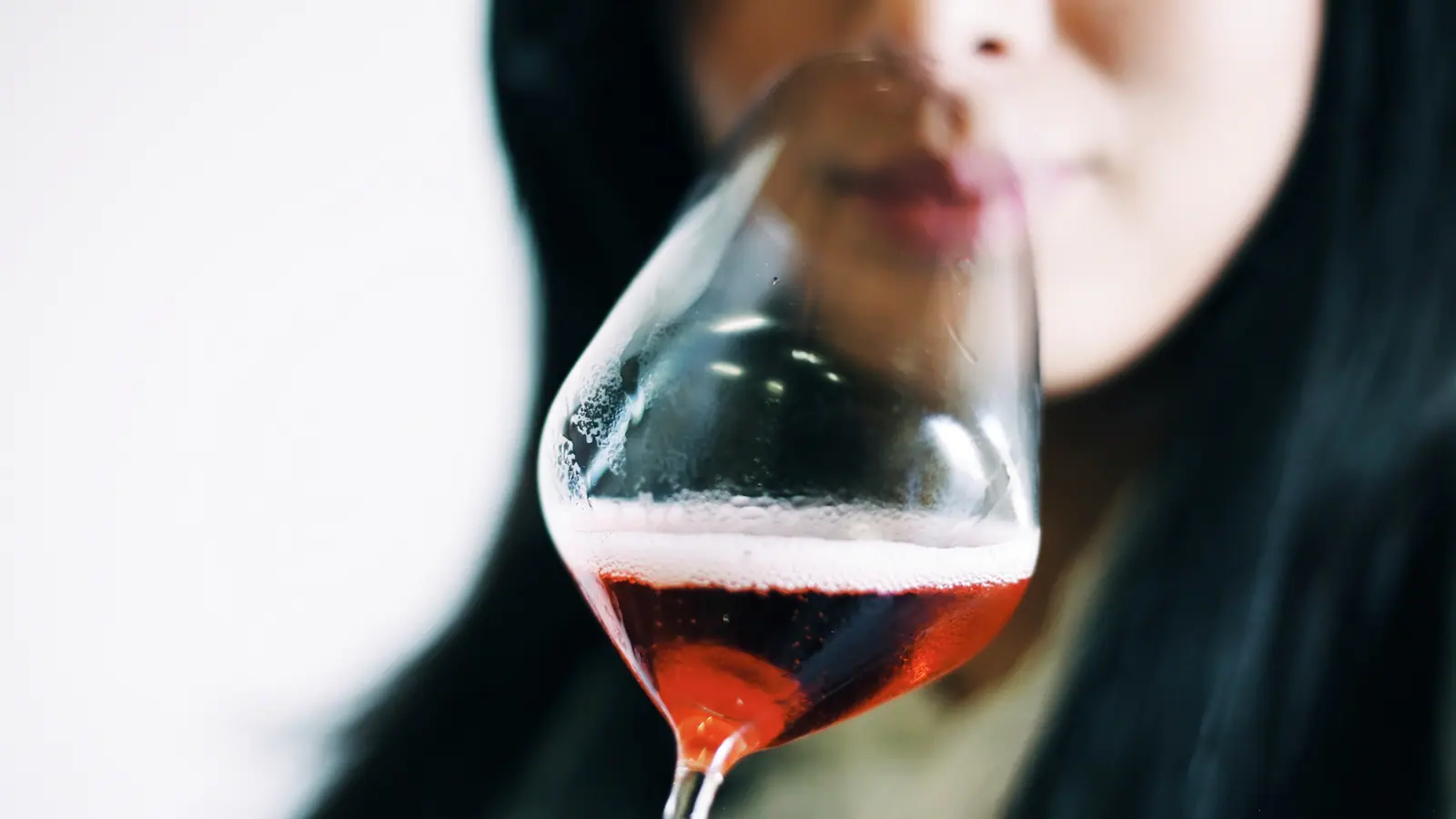
- Grand Cru Rosé: mostly Chardonnay from Le Mesnil, with a little Pinot Noir added.
Style
Even the non-vintage cuvées at Moncuit always come from a single harvest. The idea is to let the character of each year show more clearly. The Bettane+Desseauve guide describes the wines as slightly suppler and ready to drink earlier than many others from Le Mesnil. With their chalk, citrus and fine yeasty notes, they go very well with oysters and other seafood. If you would like to visit or taste, it is best to contact the house directly at the Rue Persault-Maheu.
Pictures


Sources: www.plus-de-bulles.com, en.wikipedia.org, www.comptoirdesmillesimes.com, sommselect.com, www.atelierduvin.com, www.idealwine.net, www.polanerselections.com, winetalesmagazine.com