
- Département
- Marne (Grand Est region)
- Site
- Montagne de Reims
- Inhabitants
- 301 (2013)
- Classification
- Grand Cru (100 %)
- Source
- Wikipedia, eigene Zusammenfassung
- Classification
- Grand Cru
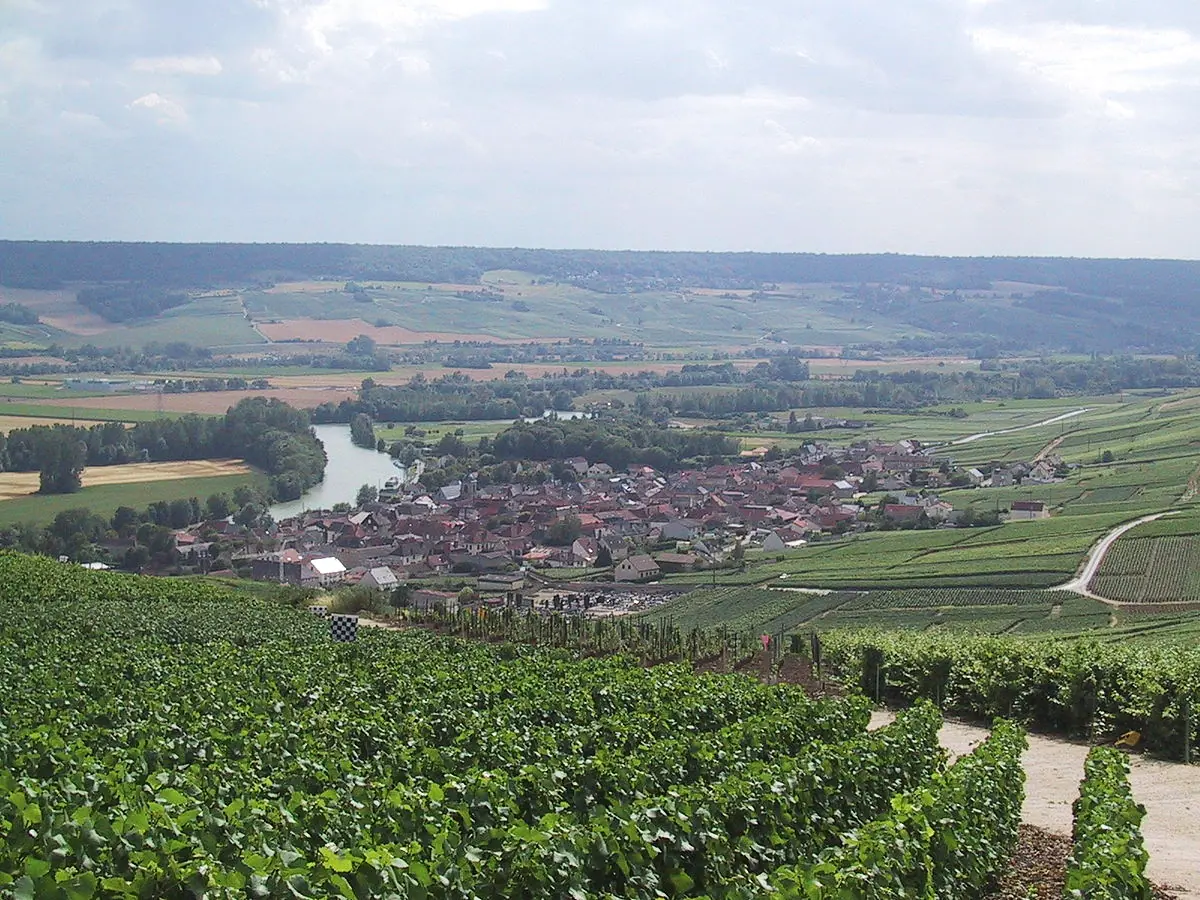
A former commune in the Montagne de Reims Regional Nature Park in the Marne département, part of Val de Livre since 2016. Its vineyards are classed Grand Cru, and Louvois is also known for its château, now owned by Laurent-Perrier.
Location
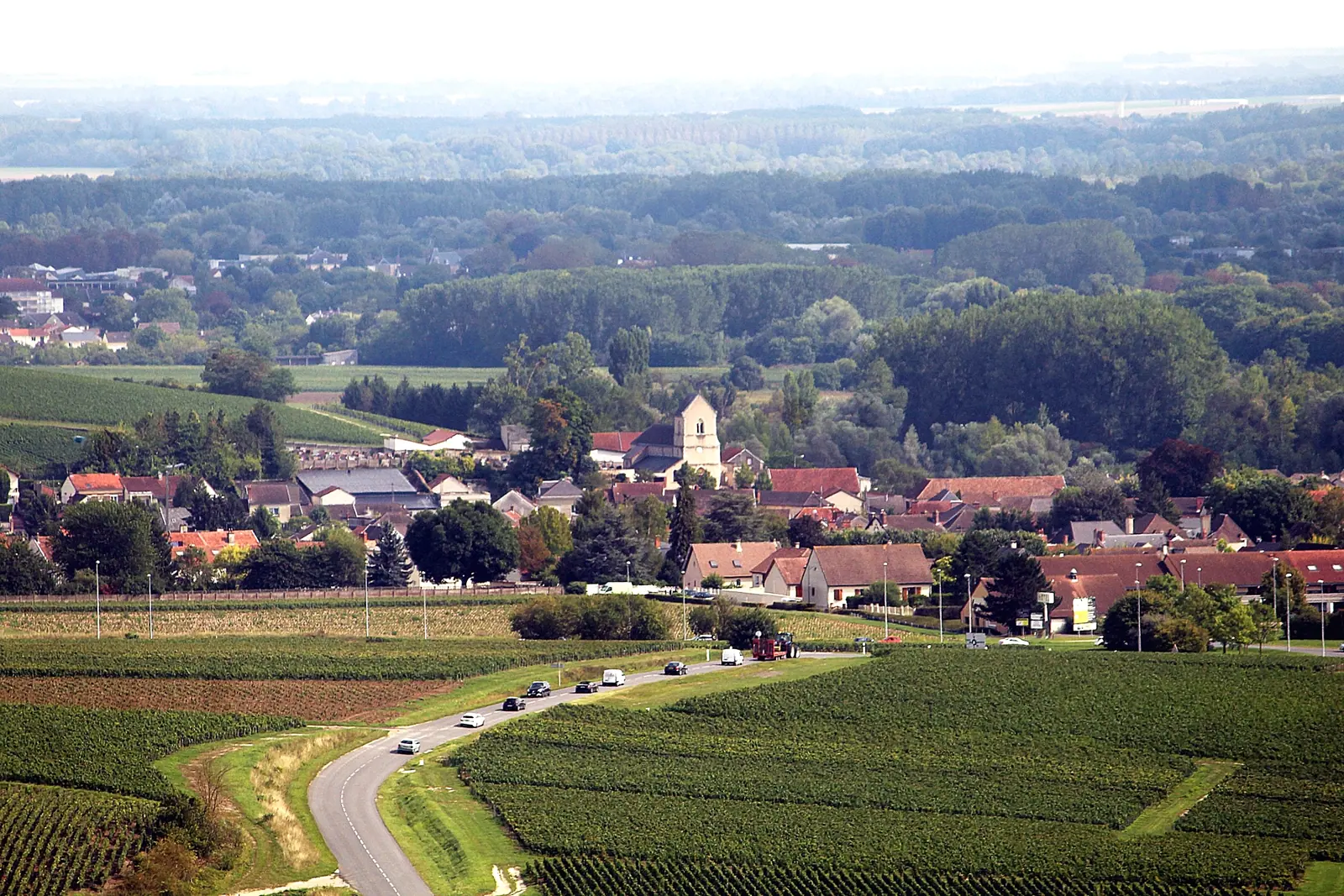
Louvois lies in the Montagne de Reims Regional Nature Park in the Marne département. The little river Livre flows through the village. Its neighbours include Ludes, Mailly-Champagne and Verzenay to the north, Verzy to the north-east, Ambonnay to the east and Bouzy to the south-east. If you are visiting the Grand Cru villages of the Montagne de Reims and the surrounding area, Louvois fits easily into a route.
Since 1 January 2016 Louvois has been a former commune: it was merged with Tauxières-Mutry to form the commune nouvelle of Val de Livre, whose administrative seat is in Tauxières-Mutry. The hamlet of La Neuville-en-Chaillois, with around fifty inhabitants, belongs to the village. The 2013 census gave Louvois a population of 301.

Viticulture
Louvois is one of the 17 villages out of 312 in Champagne whose vineyards are classed Grand Cru. On the Échelle des Crus that means the top rating of 100%. The Montagne de Reims is generally known for powerful, structured champagnes in which Pinot Noir plays a major role. For lovers of champagne, Louvois is therefore a name that is always a pleasure to find on a label or in a description of the vineyard sites.
In 1776 the estate passed to Adélaïde and Sophie, two daughters of Louis XV.SightsThe great château did not survive the Revolution.
History
The name of the village goes back to Latin. Around 850 it is recorded as Lupi via, in 1148 as Lopeia, and in the 13th century as Loup Voie. At the start of the French Revolution, Louvois added the neighbouring villages of La Neuville-en-Chaillois and Vertuelle to its territory.
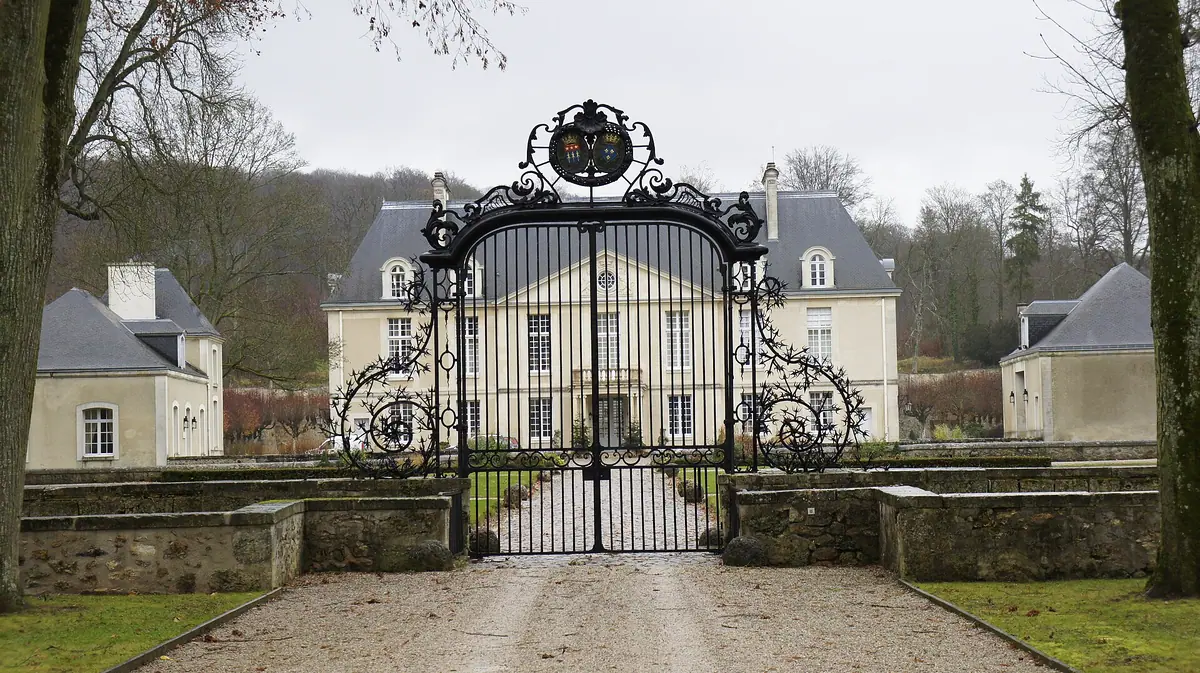
The village became famous through its château. It was originally built in the early 13th century. Michel Le Tellier, Louis XIV's Secretary of State for War, acquired it, and the estate was raised to a marquisate. His son François Michel Le Tellier de Louvois received it as part of a dowry, together with 35 hectares of vines. He had a magnificent château built to plans by Mansart, along with 50 hectares of gardens designed by a pupil of Le Nôtre. In 1776 the estate passed to Adélaïde and Sophie, two daughters of Louis XV.
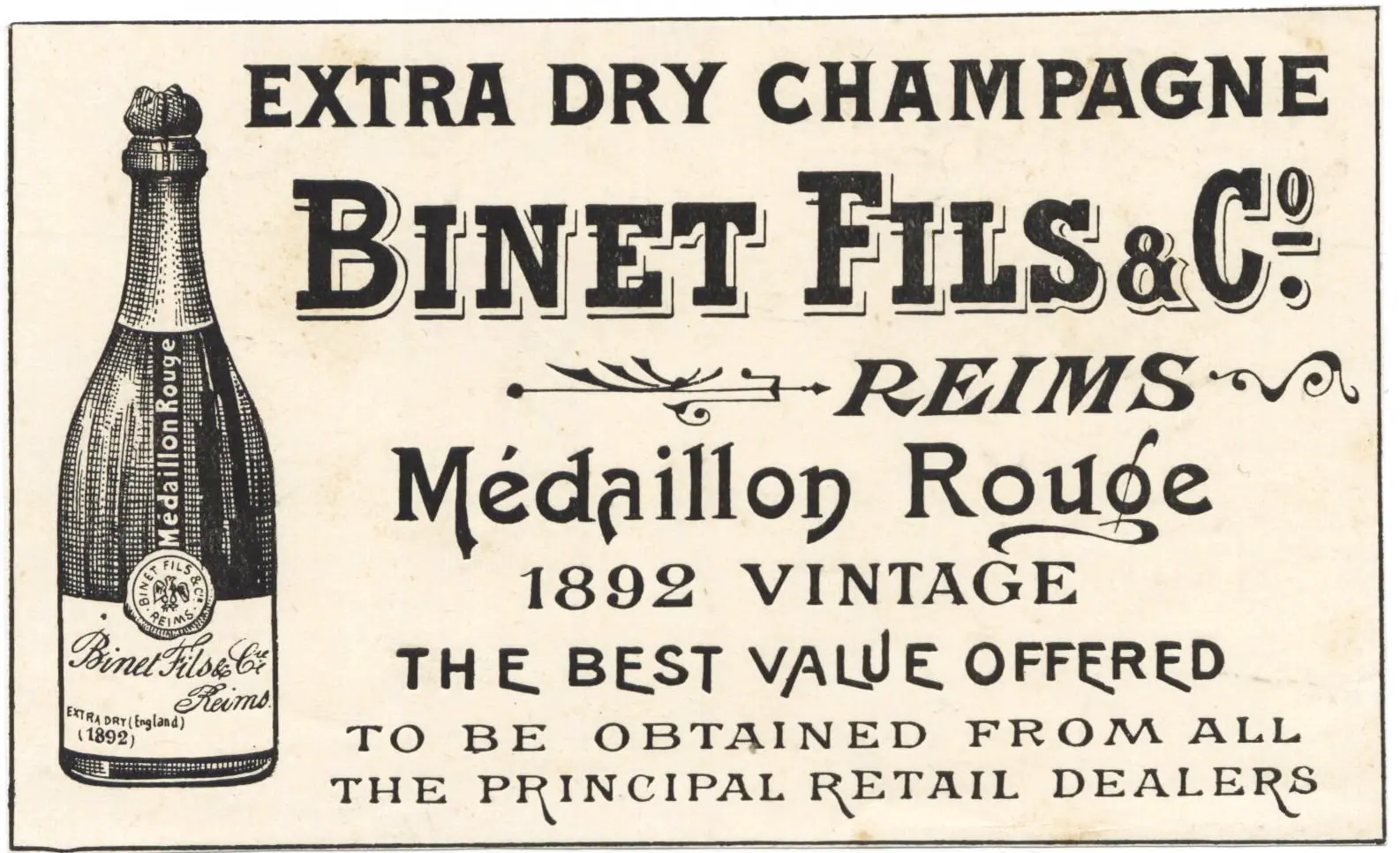
 Binet Champagner
Sights
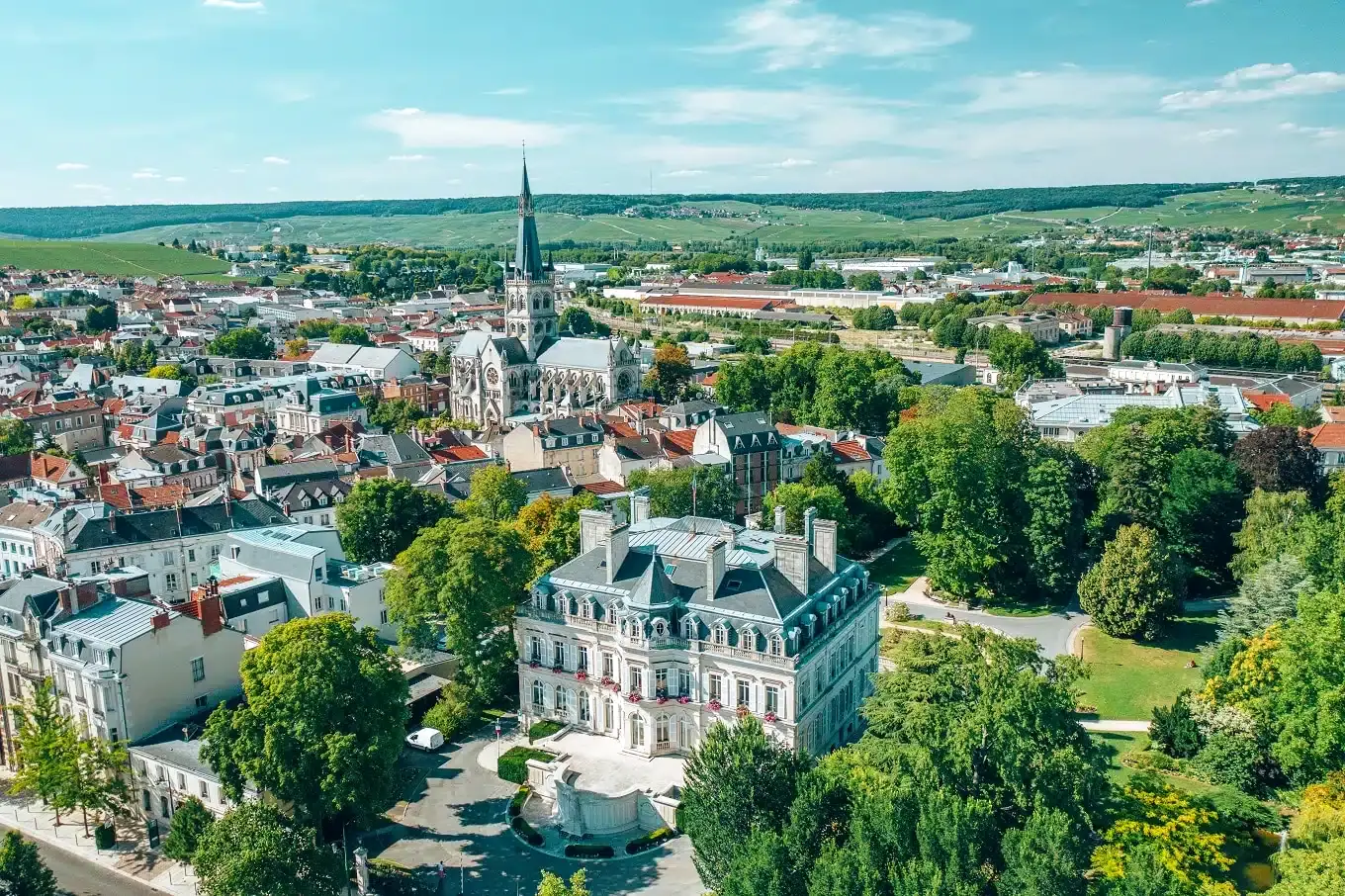
The great château did not survive the Revolution. What remains are the entrance gates, the orangery and the large ornamental pools. In the 19th century a plain classical pavilion was built in its place, partly from old materials. Today the château belongs to the house of Laurent-Perrier, and a small part of the garden has been restored to the original plans. Since 2015 it has been protected as a monument historique. So do not expect a 17th-century palace, but rather remnants and a piece of reconstructed garden design.
- Château de Louvois with its orangery, pools and parts of the restored garden
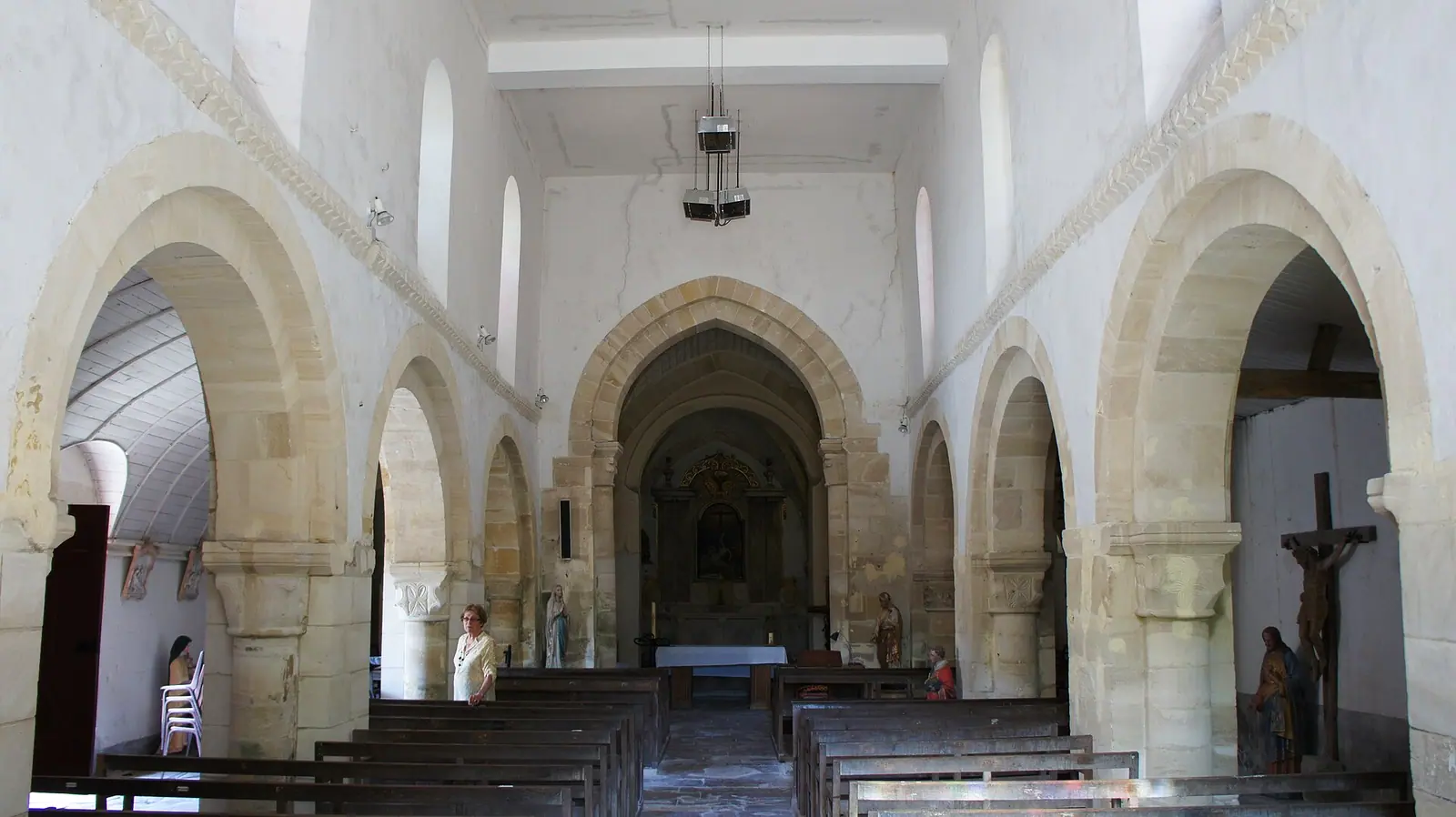
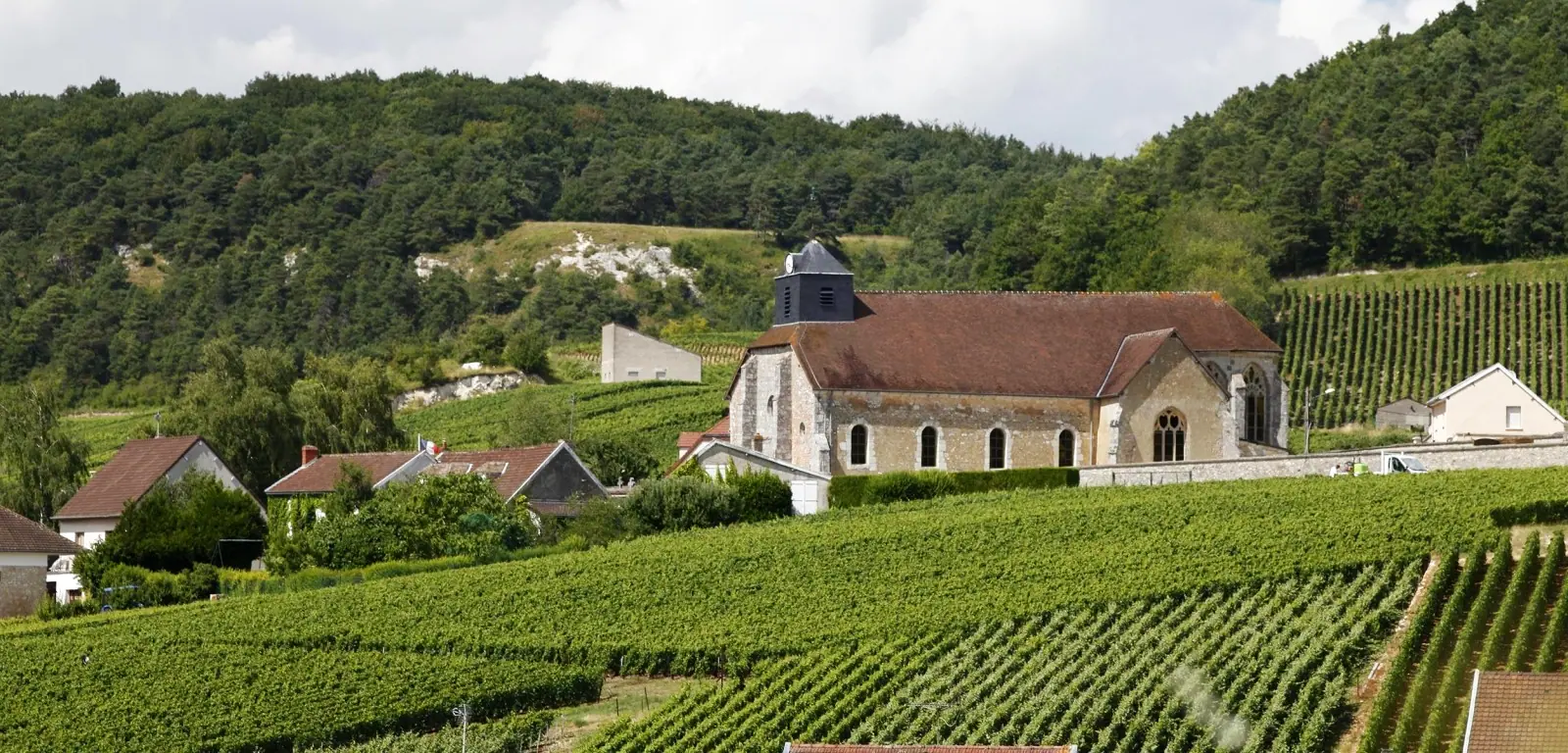
- Church of Saint-Hippolyte, a Romanesque church with carved capitals and sculpture
- Windmill
- Ferme de Vertuelle, a farm that welcomes visitors and offers activities for children
Pictures

 0 %
