
- Département
- Marne (Grand Est region)
- Site
- Champagne crayeuse, between the Marne valley and the plain, on the road from Épernay to Châlons-en-Champagne
- Inhabitants
- 755 (2023)
- Source
- Wikipedia, eigene Zusammenfassung
Plivot is a village in the Marne département between Épernay and Châlons-en-Champagne, on the edge of the Marne plain. It sits on chalk soil, is largely agricultural and lies close to the champagne slopes of Aÿ.
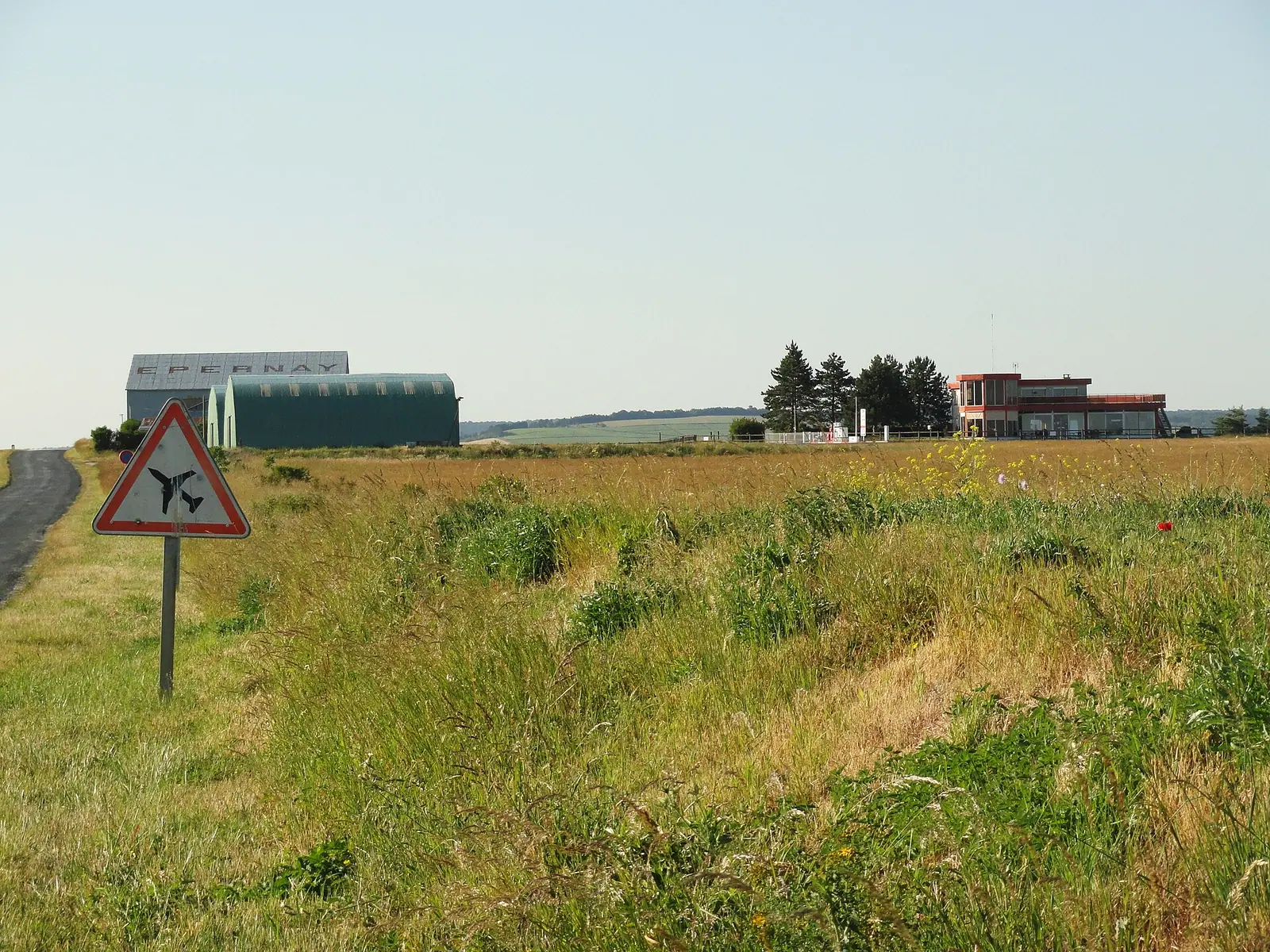
Plivot is not one of the great names of Champagne. The village has neither grand cru nor premier cru status. That is exactly why it is worth a look: it shows the ground and the landscape in which champagne has its roots.
Location
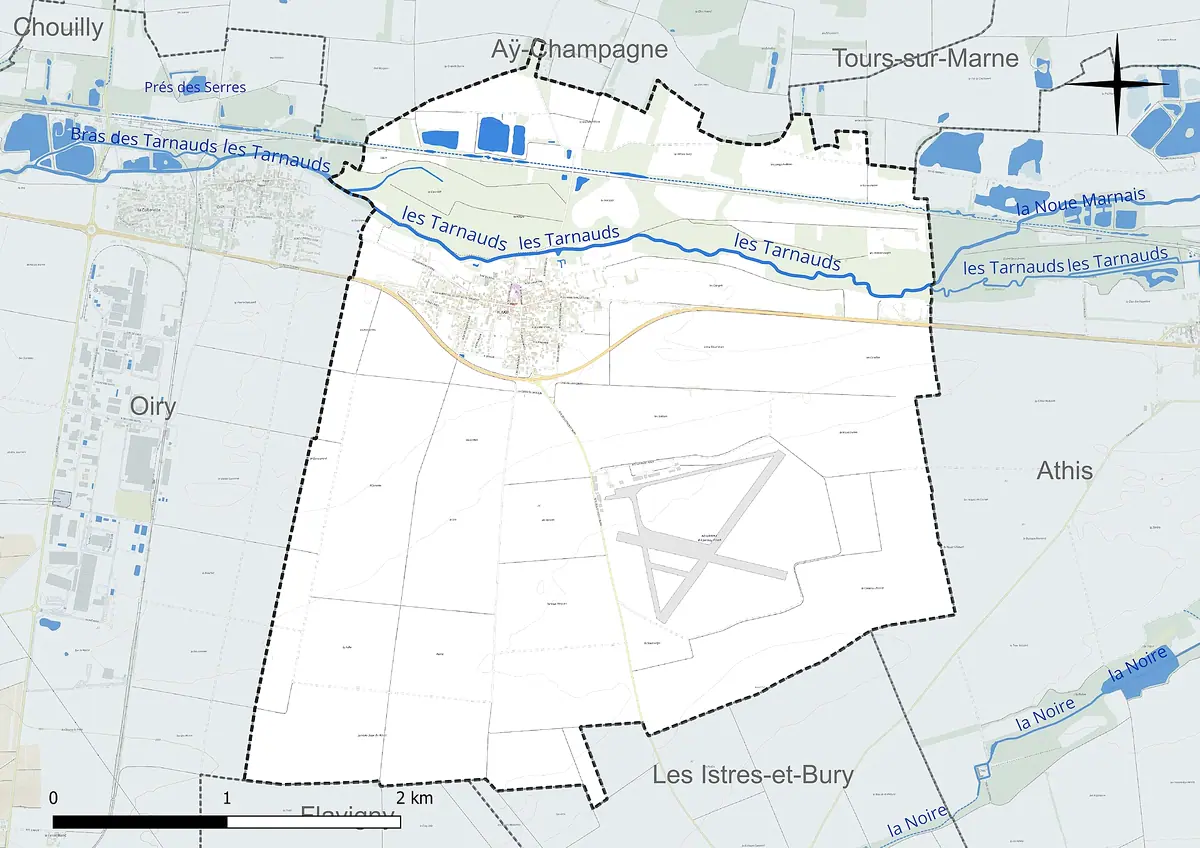
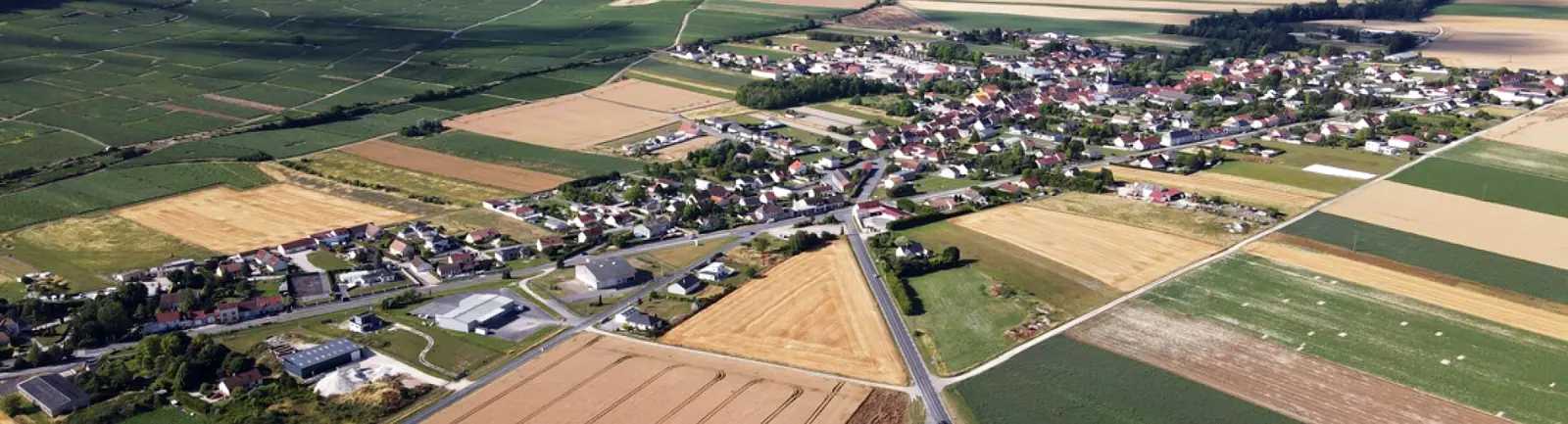
Plivot lies in the Marne département in the Grand Est region, on the road between Épernay and Châlons-en-Champagne. It is about 9.5 kilometres to Épernay, roughly 24 kilometres to Châlons and 37 kilometres to Reims. The commune covers 1,260 hectares. About the northern quarter belongs to the Marne valley, the rest to the open plain of the Champagne crayeuse. The Marne itself flows two kilometres to the north, on the territory of Aÿ-Champagne. On the horizon you can make out the Montagne de Reims to the north and the Côte d'Île-de-France to the west.
The Tarnauds flows through the north of the village. That is where the land is lowest, at 70 to 75 metres. To the south it rises to 99 metres.
Soil and landscape
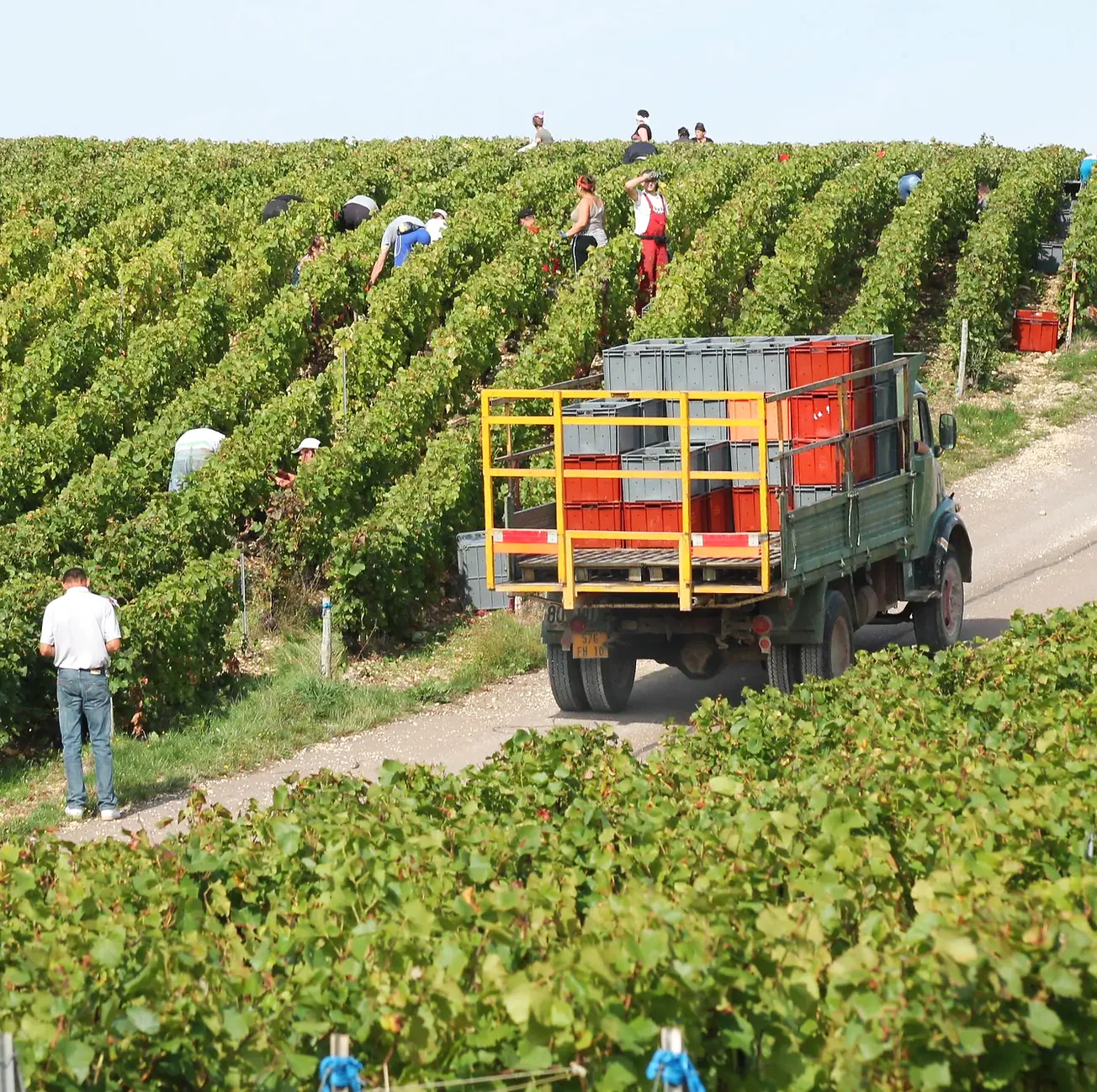
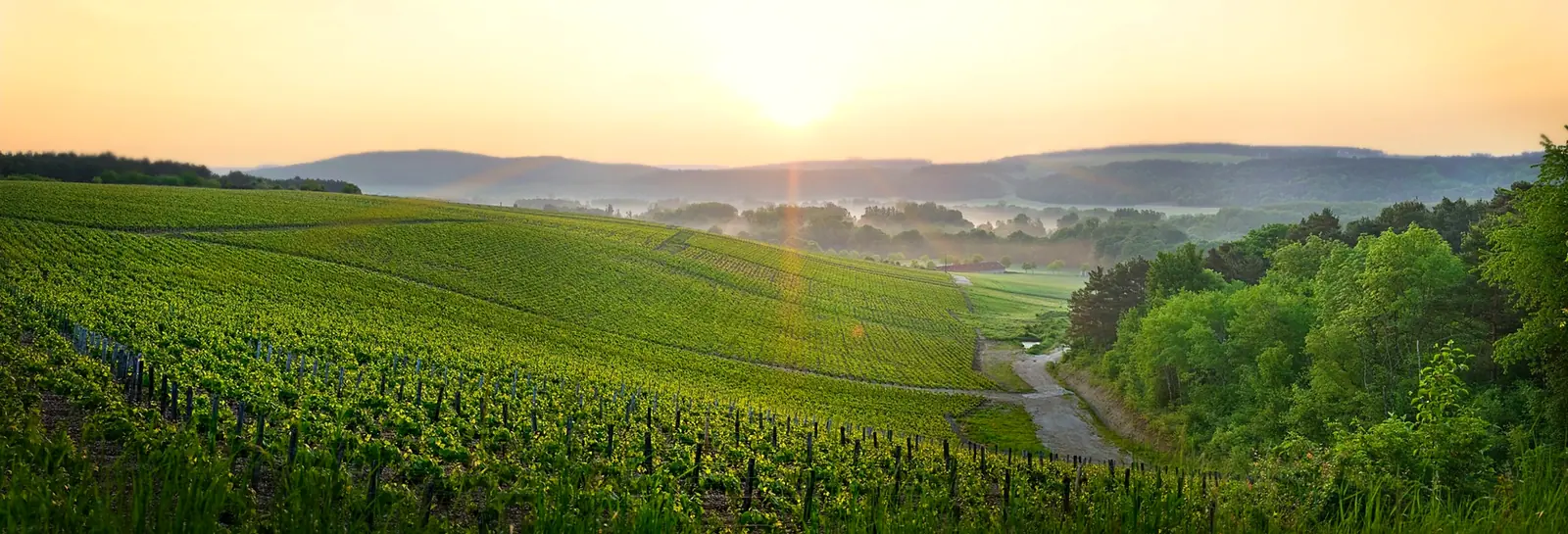
Plivot stands on chalk from the Upper Cretaceous. The rock formed from the limestone remains of tiny plankton organisms. The white, crumbly chalk shapes the gentle hills and hollows of the area. It is also porous and stores water: the chalk aquifer of Champagne extends over 9,700 square kilometres. The same chalk forms the bedrock of the region's famous vineyards, which you will find in Aÿ-Champagne, directly to the north. Aÿ is classified as grand cru.
According to Corine Land Cover, agricultural land makes up just under 79 per cent of the area (as of 2018).
Plivot itself is a rural place. According to Corine Land Cover, agricultural land makes up just under 79 per cent of the area (as of 2018). The village grew along the road, a typical linear village. Since the 1970s it has been gaining residents again thanks to its proximity to Épernay, after people began leaving as early as the second half of the 19th century. Today 755 people live there (as of 2023).
 Ayala Champagner Shop
What to see
- The church of Saint-Quentin, listed as a Monument historique since 1911
- The war memorials
- The nature zone along the Tarnauds, with alluvial woodland, meadows and former gravel pits that now serve as ponds
- The Gué du Pré Salé area
- Épernay-Plivot airfield
The nature reserve between Cherville, Plivot and Bisseuil (ZNIEFF type I) covers almost 800 hectares. It is a breeding ground for rare birds such as the red-backed shrike and the common tern.
For food and wine lovers
If you are visiting Champagne, Plivot makes a quiet base. From here you reach Épernay and its champagne houses in a few minutes, as well as the wine villages along the Marne and at the foot of the Montagne de Reims. The climate is temperate with cool summers: average annual temperatures are around 11 degrees and rainfall is about 670 millimetres a year (figures from the nearby Chouilly station, 1991 to 2020). This climate and the chalk soil are also what give many champagnes of the area their fresh acidity and minerality.
Pictures


 0 %
