
- Département
- Marne (Grand Est region)
- Site
- Montagne de Reims, etwa 10 km südlich von Reims
- Classification
- Premier Cru
- Inhabitants
- 1.003 (Stand 2023)
- Source
- Wikipedia, eigene Zusammenfassung
- Classification
- Premier Cru
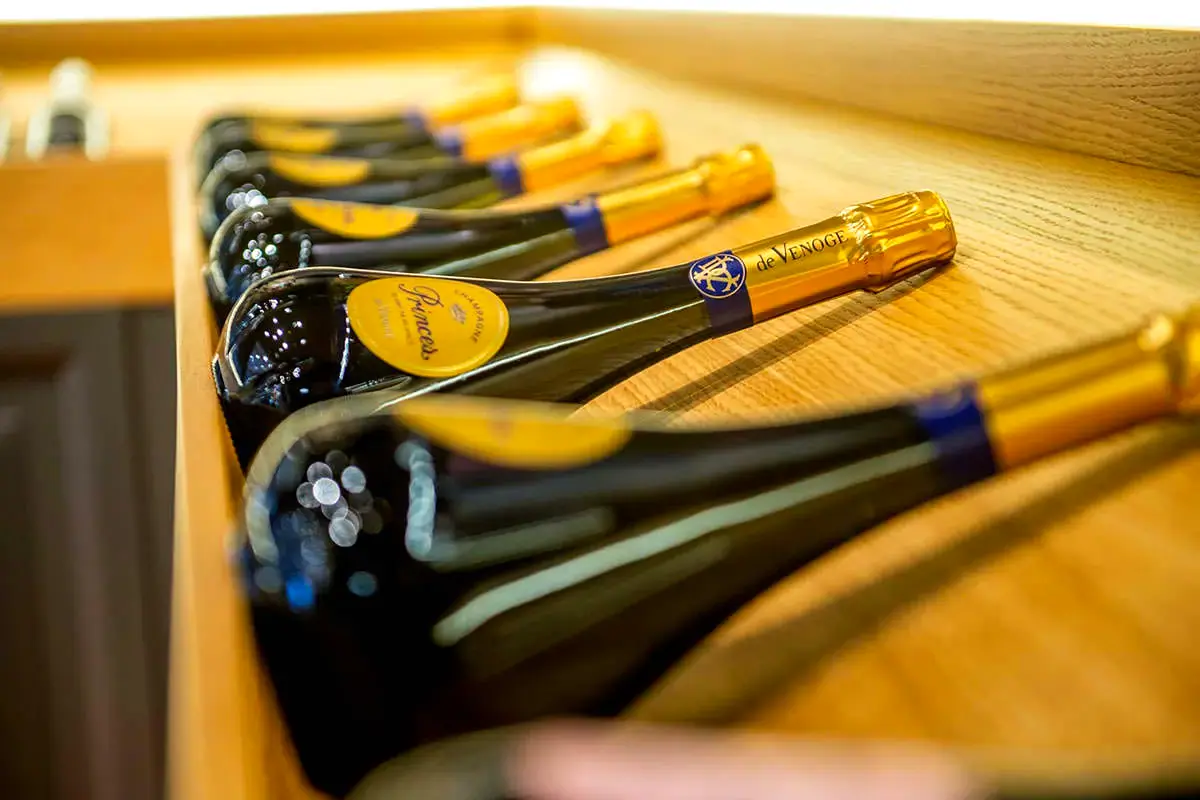
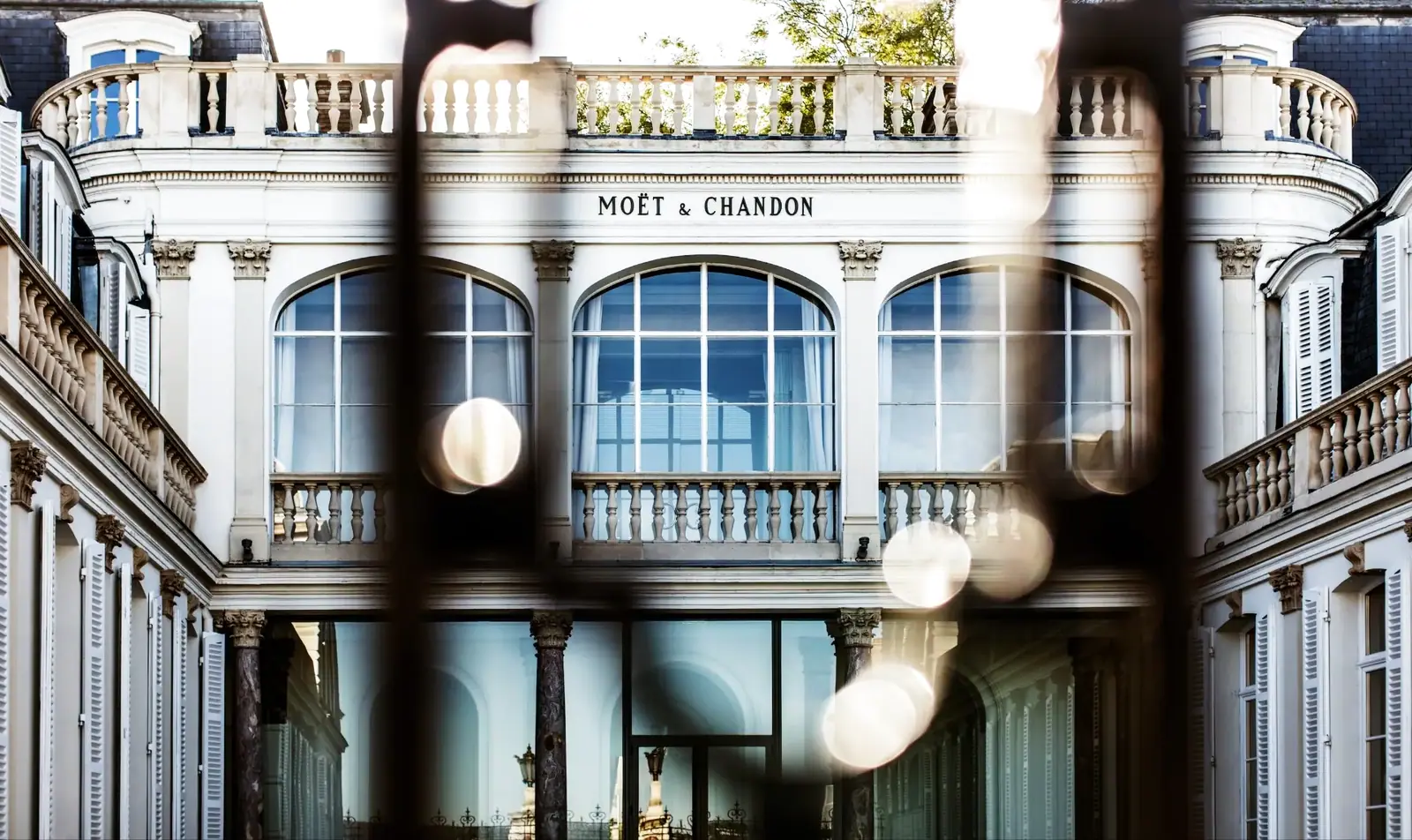
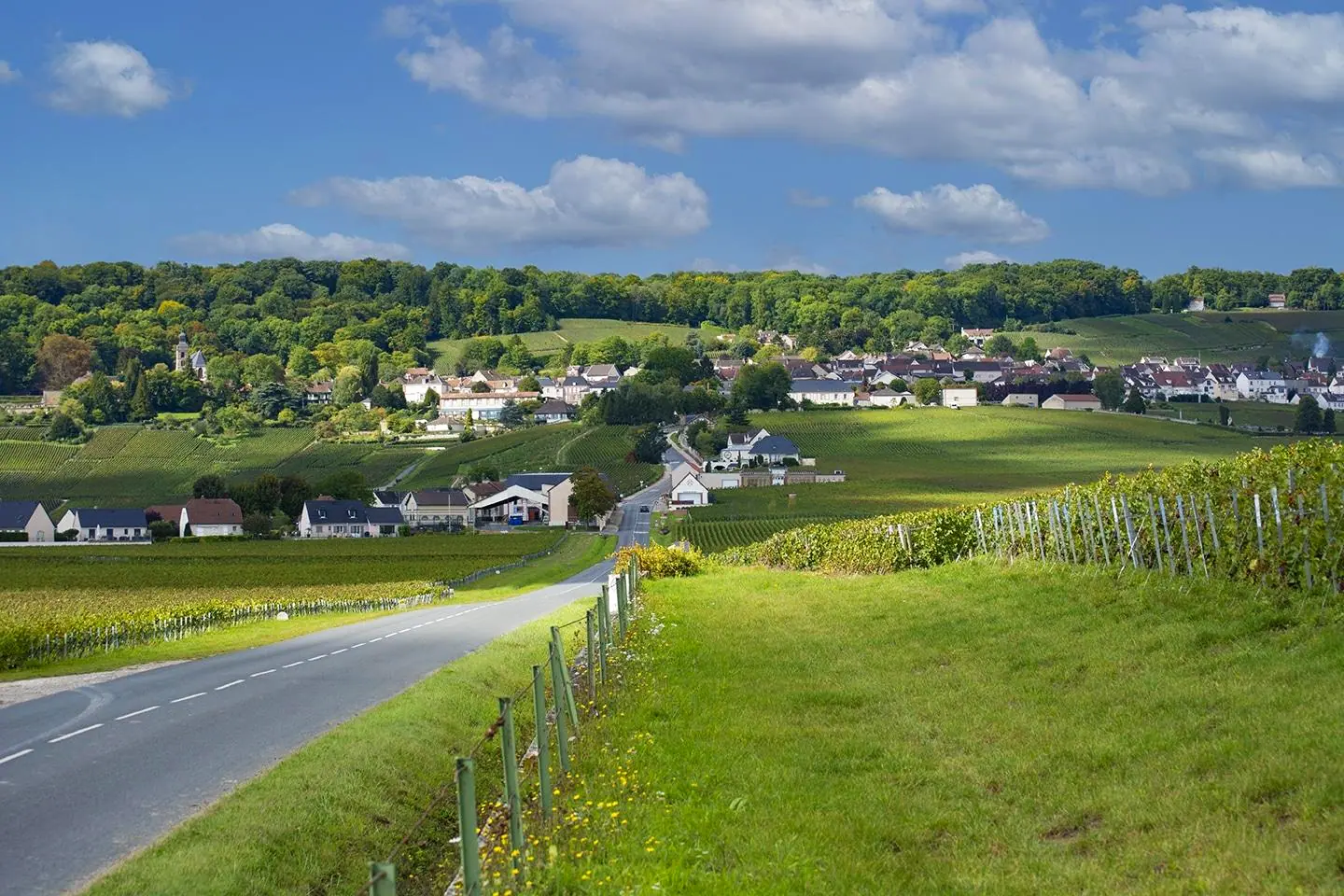
Rilly-la-Montagne is a premier cru village on the Montagne de Reims, about ten kilometres south of Reims in the Marne département. Around 70 champagne brands are based here.
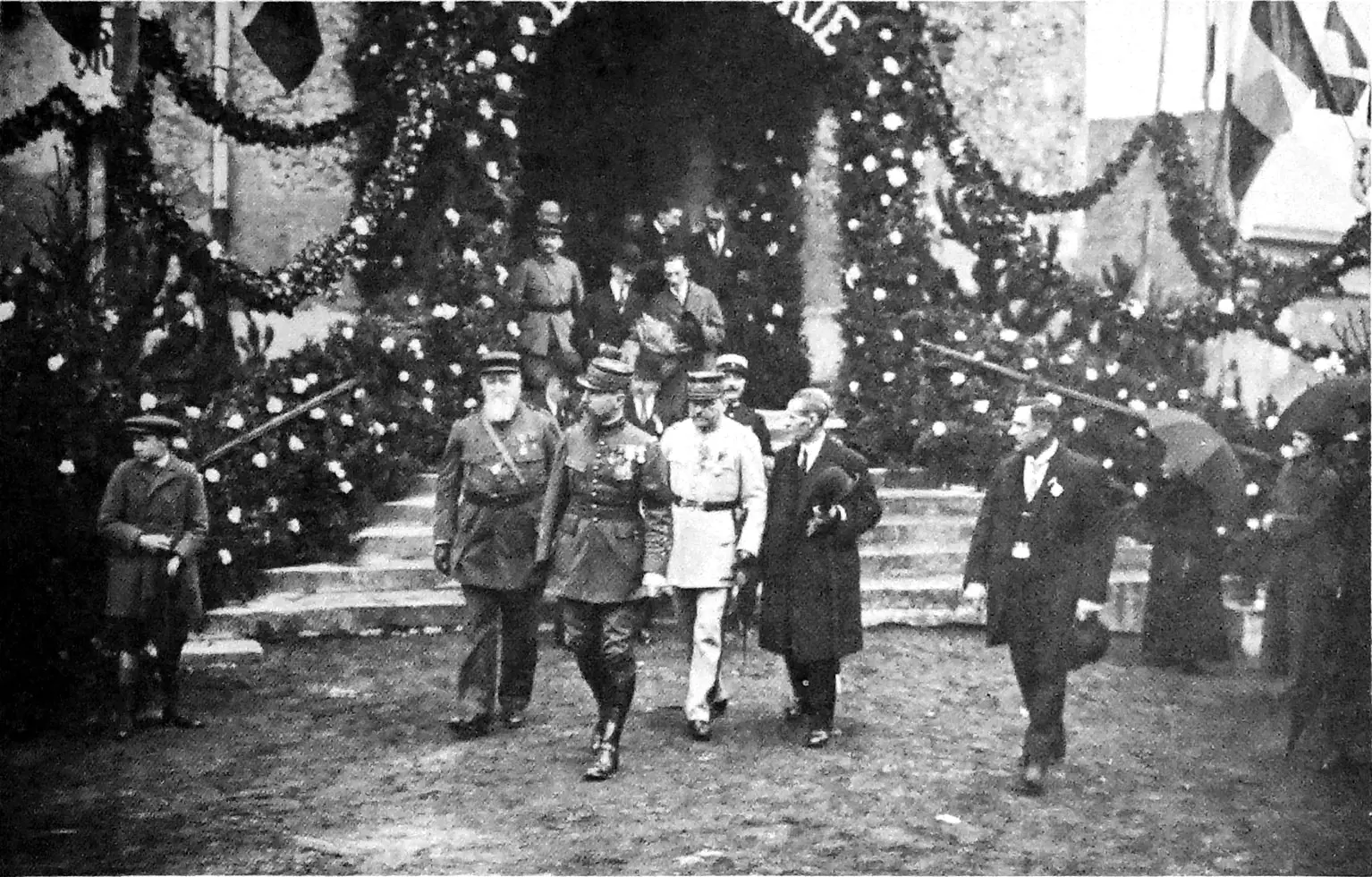
Location
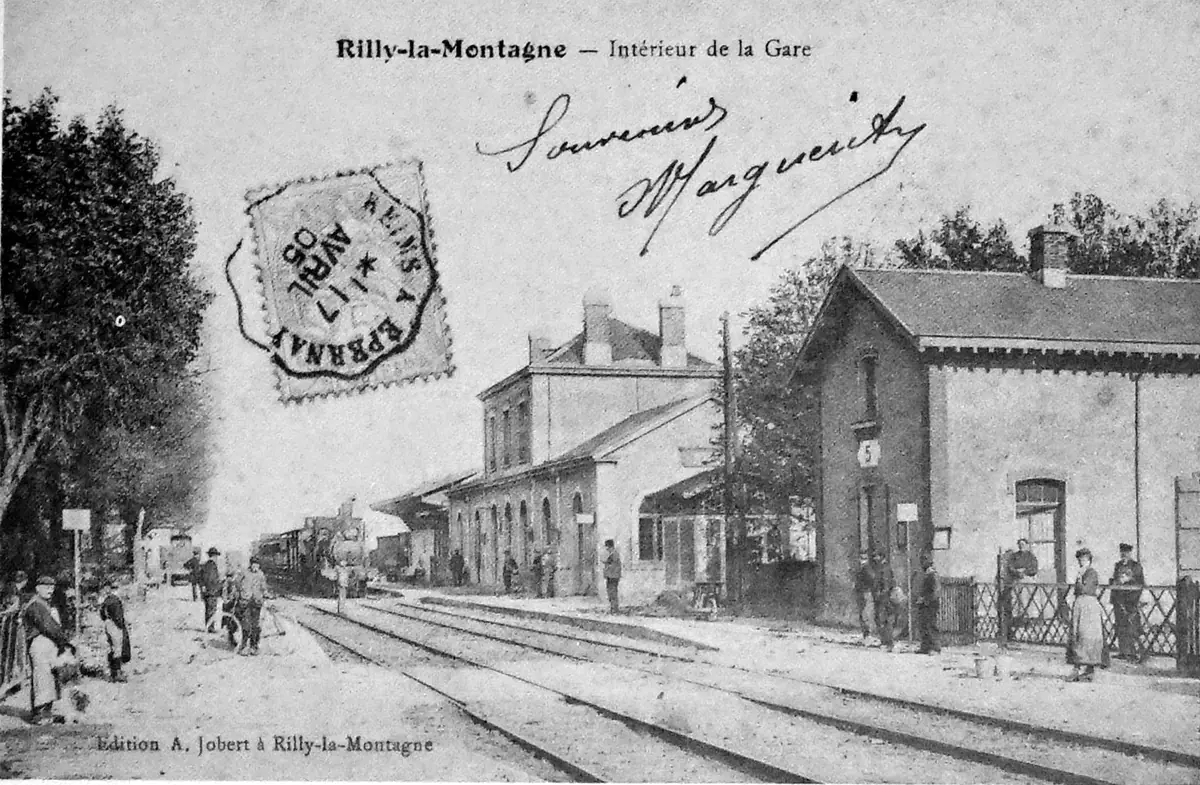
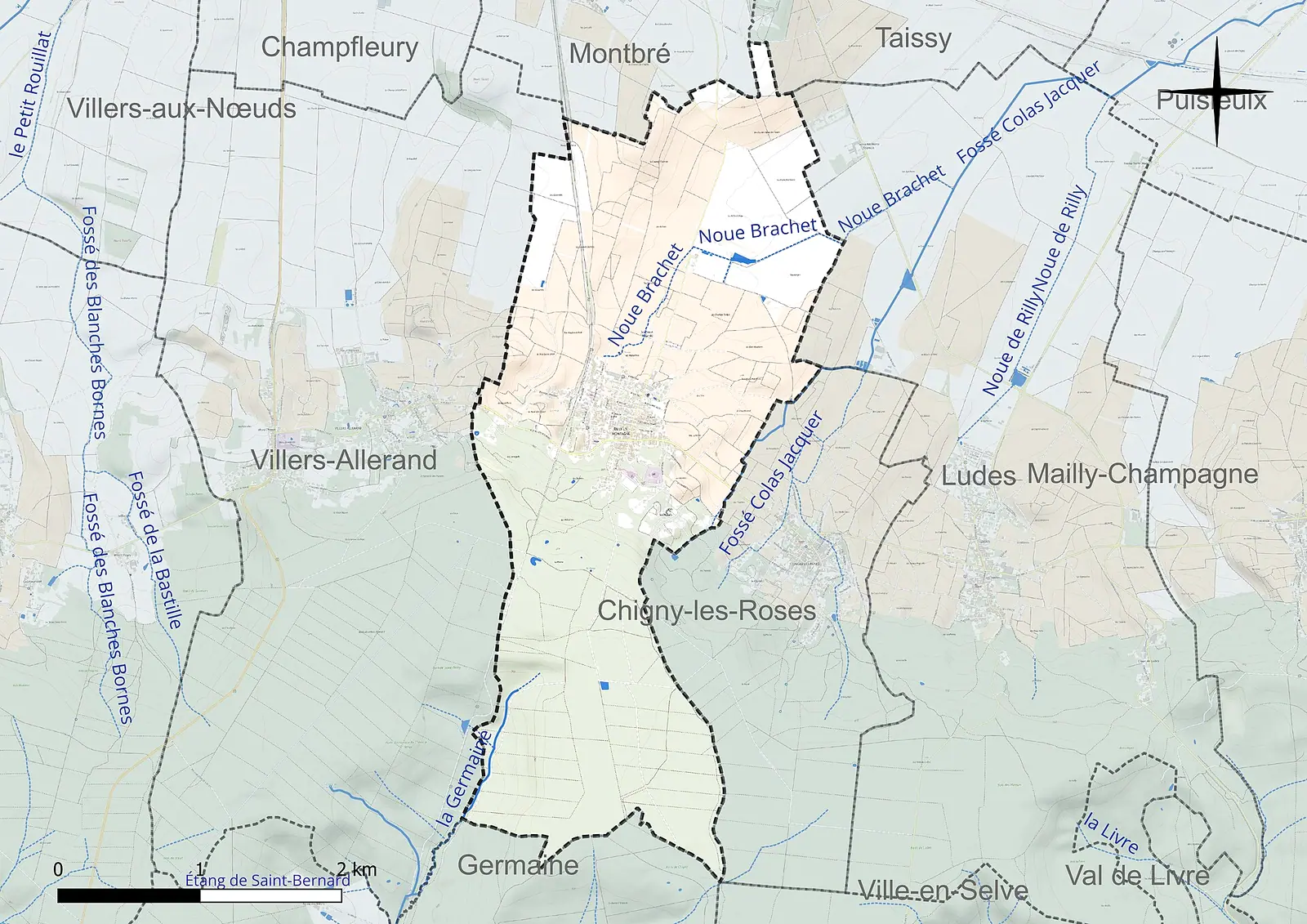
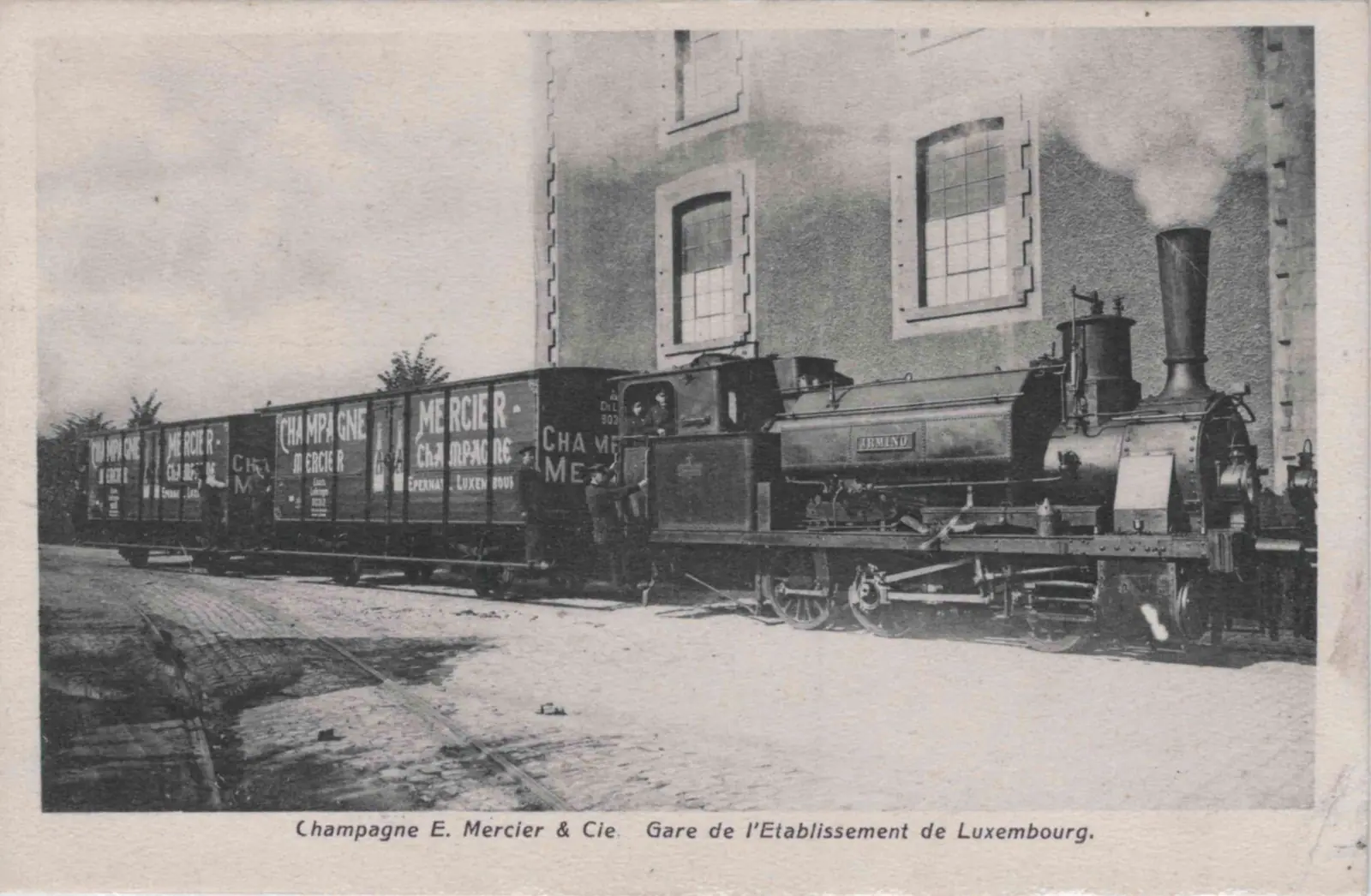
Rilly-la-Montagne lies on the Montagne de Reims, about ten kilometres south of Reims in the Marne département. Neighbouring villages include Chigny-les-Roses and Ludes to the east, Villers-Allerand to the west, and Montbré and Taissy to the north. If you are travelling without a car, you can reach the village by TER on the Reims–Épernay line, as Rilly has its own railway station. The Germaine, a stream just under ten kilometres long, rises within the commune and flows into the Livre at Fontaine-sur-Ay.

Viticulture and classification
Rilly-la-Montagne is classified as premier cru. The village lives from champagne: around 70 brands are based here, which is a remarkable density for a population of just 1,003 (2023). The land use speaks for itself. According to Corine Land Cover, a good 40 per cent of the area was given over to permanent crops in 2018, chiefly vines. A further 34.6 per cent is woodland, which surrounds the slopes of the Montagne de Reims.
The village lives from champagne: around 70 brands are based here, which is a remarkable density for a population of just 1,003 (2023).
The climate is temperate, with cool summers and cold winters. The nearest weather station, at Mailly-Champagne five kilometres away, recorded an annual mean of 11.2 °C and roughly 755 millimetres of rainfall for 1991 to 2020. These figures are typical for champagne: the grapes ripen slowly and keep their freshness.
History
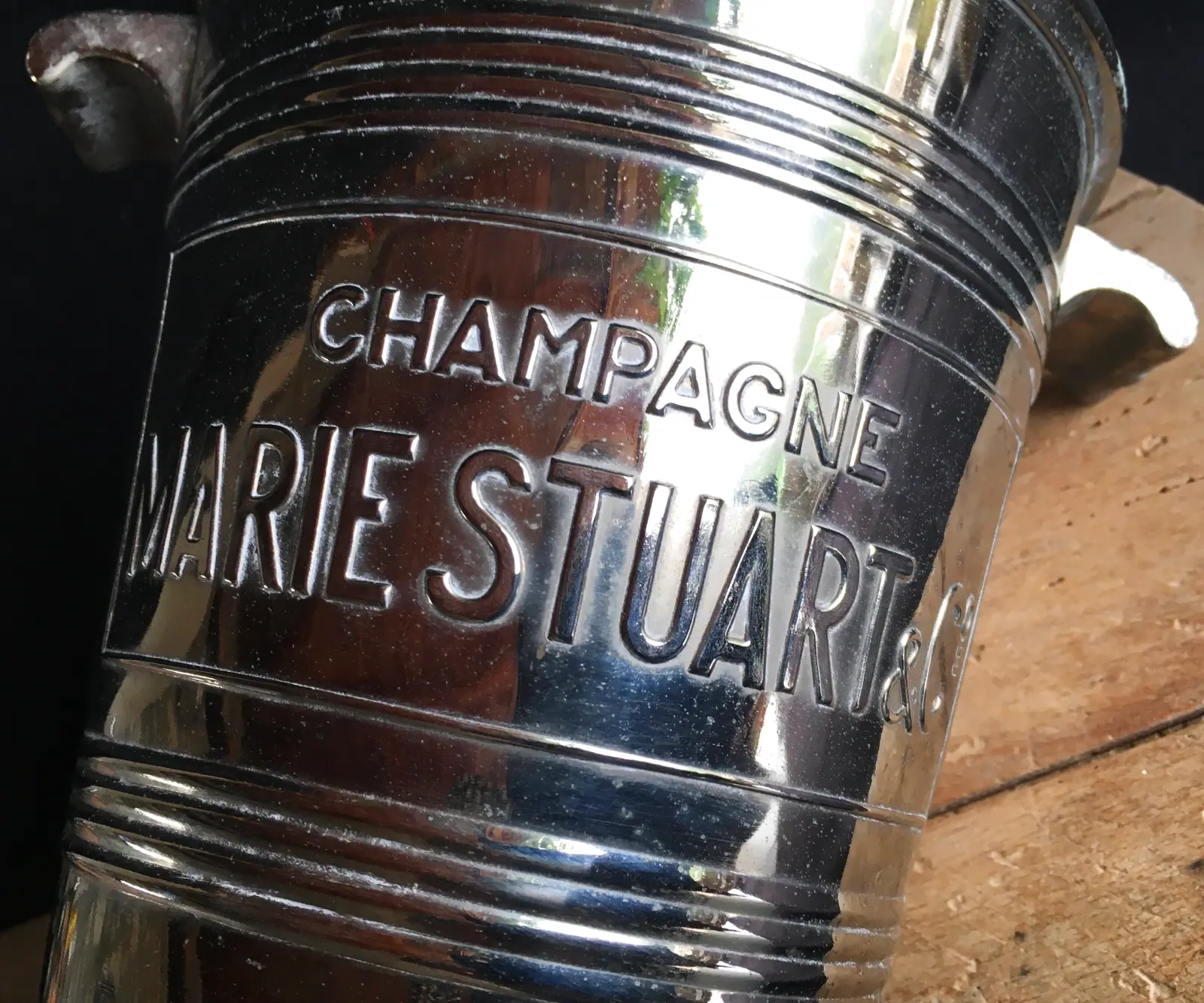
Rilly is one of the oldest villages on the Montagne de Reims. The name is already recorded around 850 as Risleius. The commune gained the suffix la-Montagne during the French Revolution, a reference to the mountain massif.
A dark episode dates from the Second World War. The German occupiers set up a facility for developing and assembling V1 flying bombs in the Rilly railway tunnel, which is about four kilometres long. On 17 July 1944 an air raid destroyed part of the village and killed three people, and it was the first time six-tonne bombs were used in Europe. On 31 July 1944 an attack on the V1 depot followed, involving 97 Lancasters and 36 Mosquitos. In the summer of 1945 you could still walk through the tunnel and see the remains of the workshops.
What to see
- Church of Saint-Nicolas, dating from the 12th century
- Statue of Bacchus
- Les Bermonts farmstead
For a visit, I recommend a walk through the vineyards followed by a tasting with one of the local growers. In the village you will also find a bakery, a restaurant, a bar and other shops for everyday needs.
Pictures








 0 %
