Familienweingut in Cormoyeux im Marnetal: 5 Hektar Cru ordinaire, HVE und VDC zertifiziert, Besuch mit Pressenführung und Verkostung von drei Cuvées.
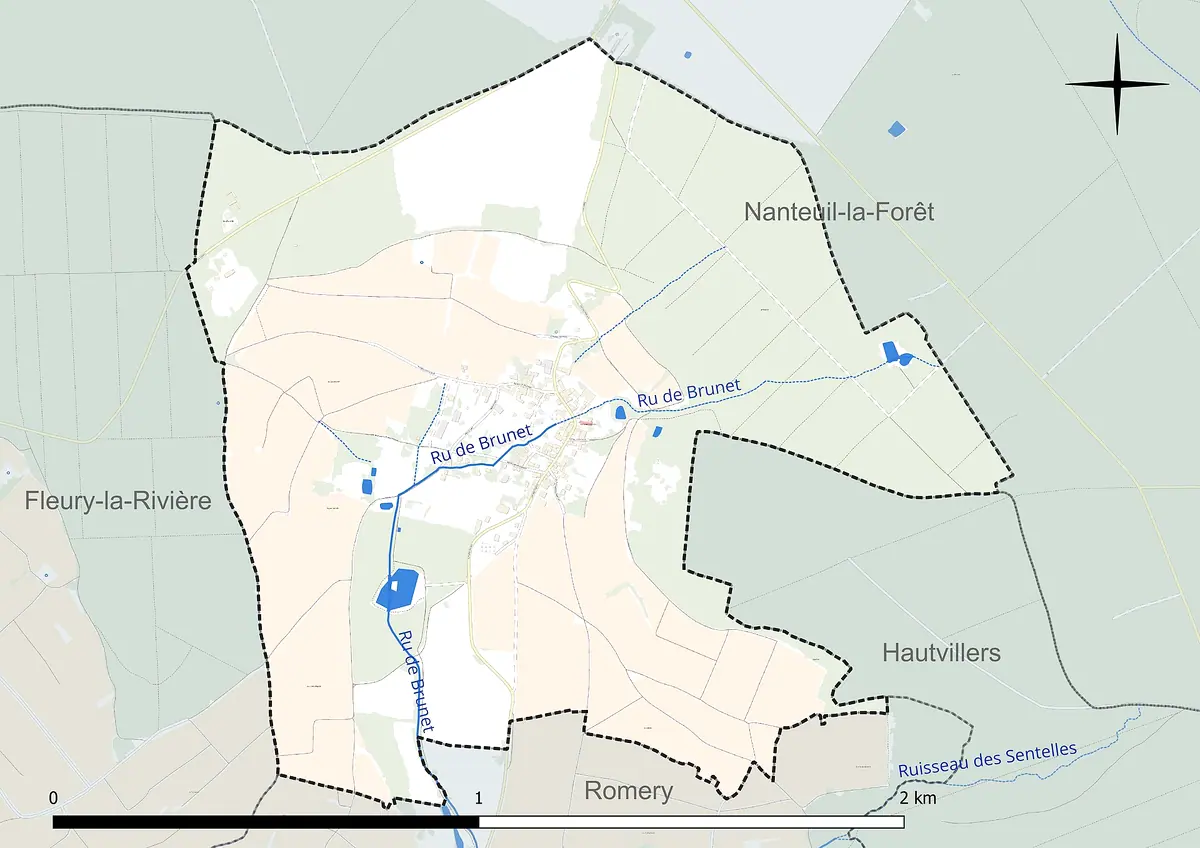
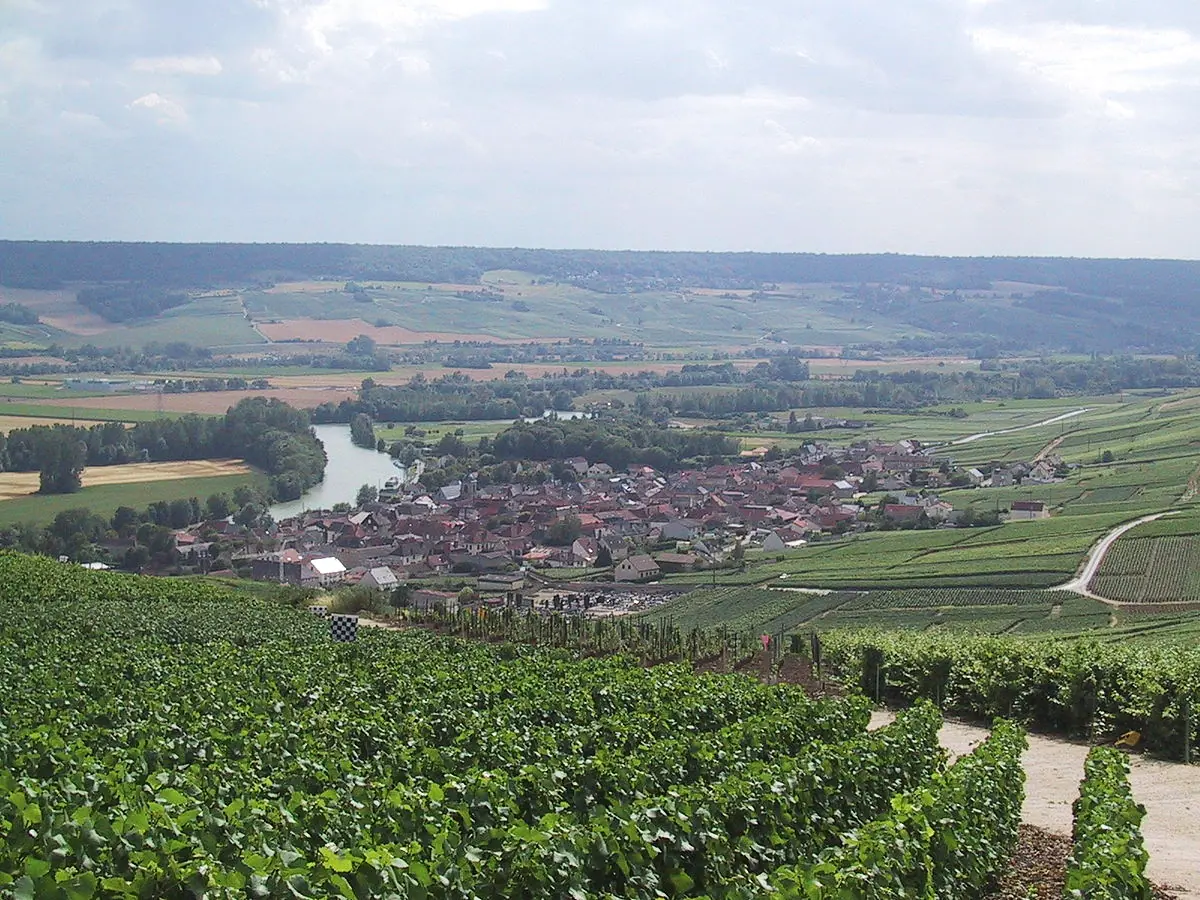
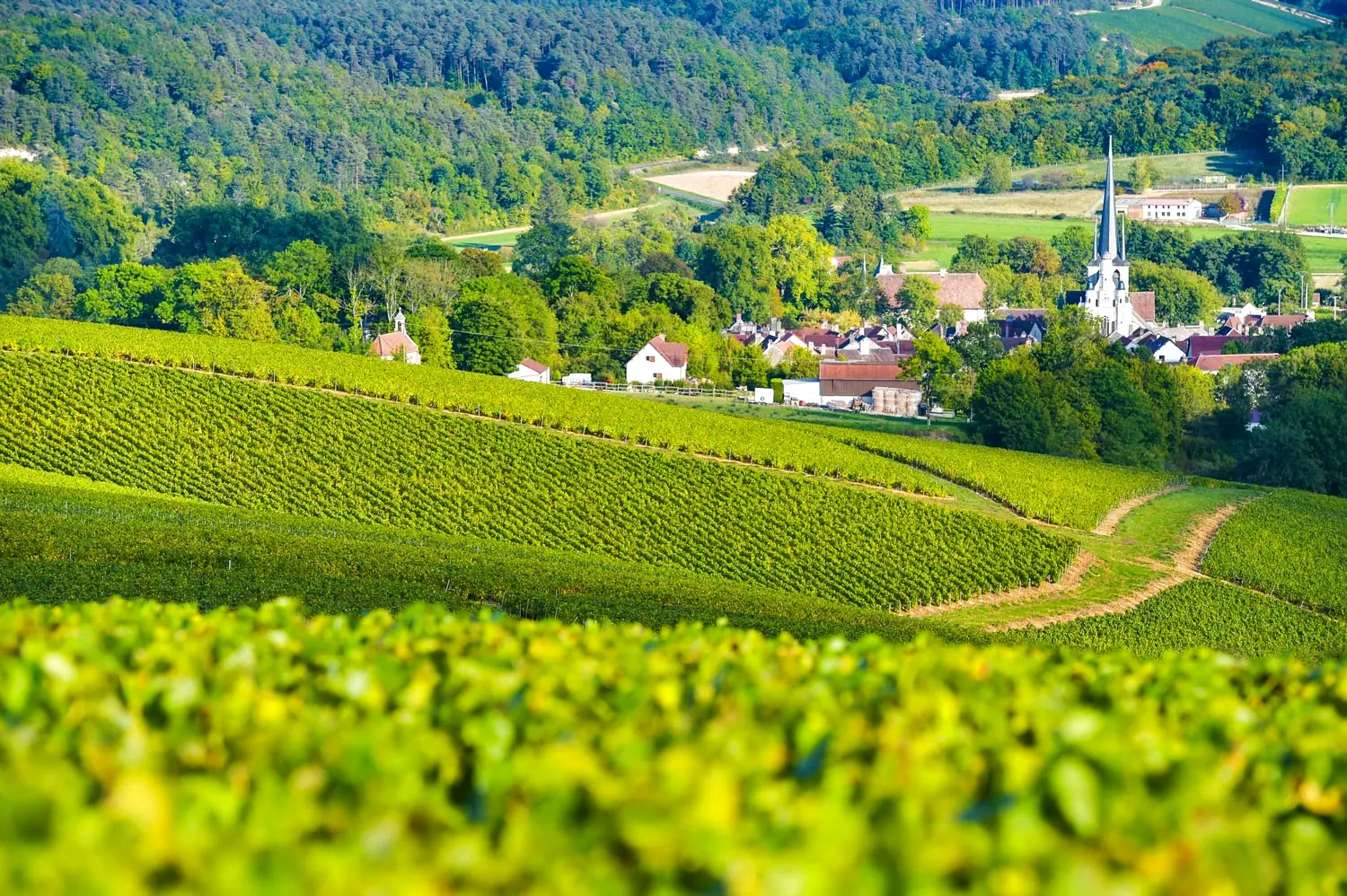
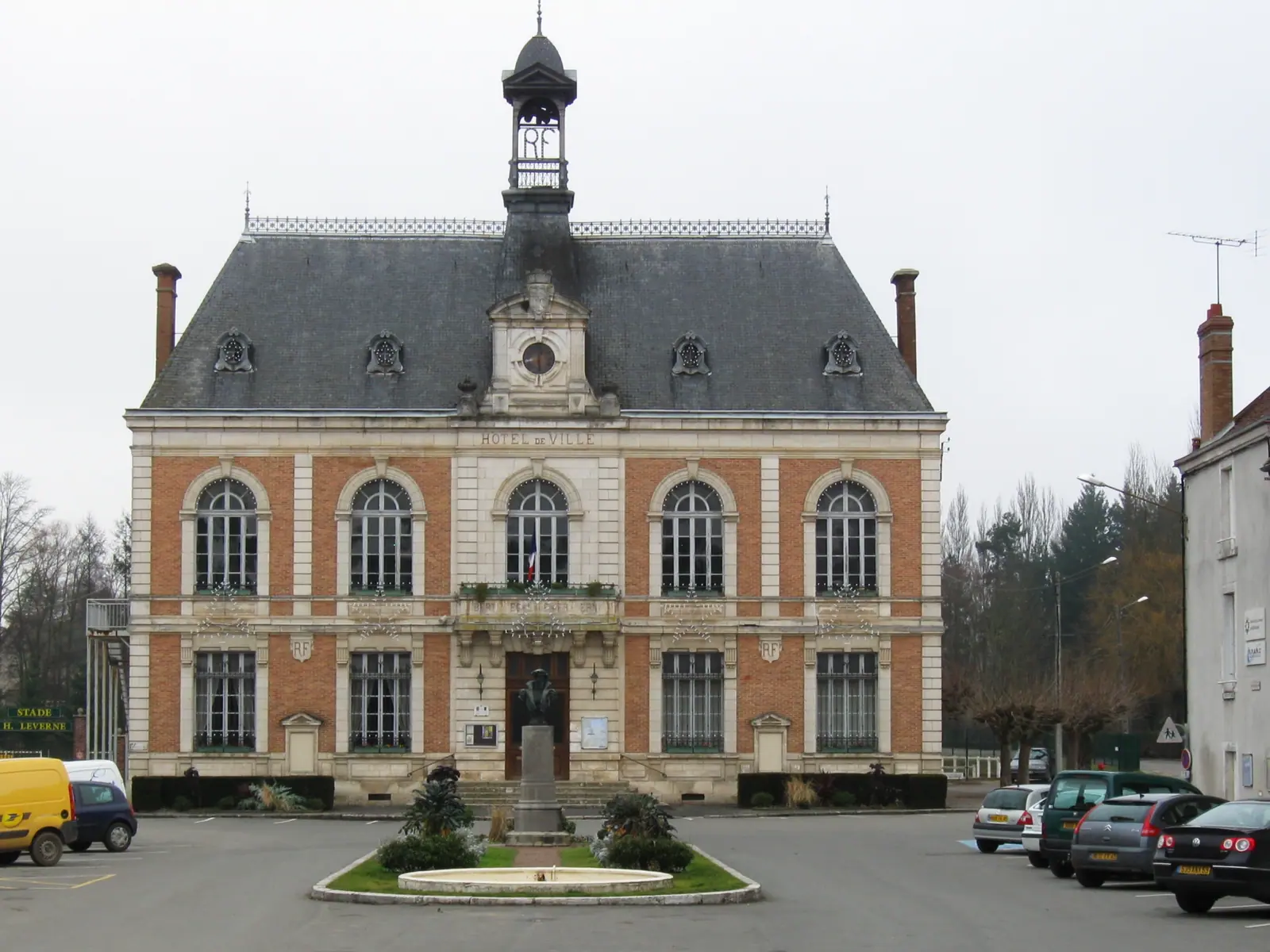
Champagne Boude Baudin is a family-run estate in Cormoyeux, in the Vallée de la Marne, about 25 km from Reims and 12 km from Épernay. The grower Benjamin now carries on his family's work. The estate is registered as a Récoltant-Manipulant, so the grapes all come from its own vineyards.
Family and history
The roots go back to the early 20th century. Alfred Baudin and Denis Pongnot each farmed their parents' vineyards in Cormoyeux at the time. Their sons Gustave Baudin and Albert Pongnot took over the estates and, around 1960, began making and selling champagne. The next generation enlarged the holdings through purchases and built modern winemaking facilities. In 1993 Nathalie Baudin and José Boude brought the two estates together and gave the house its present name. Their son Benjamin continues the work.
Vineyards and way of working
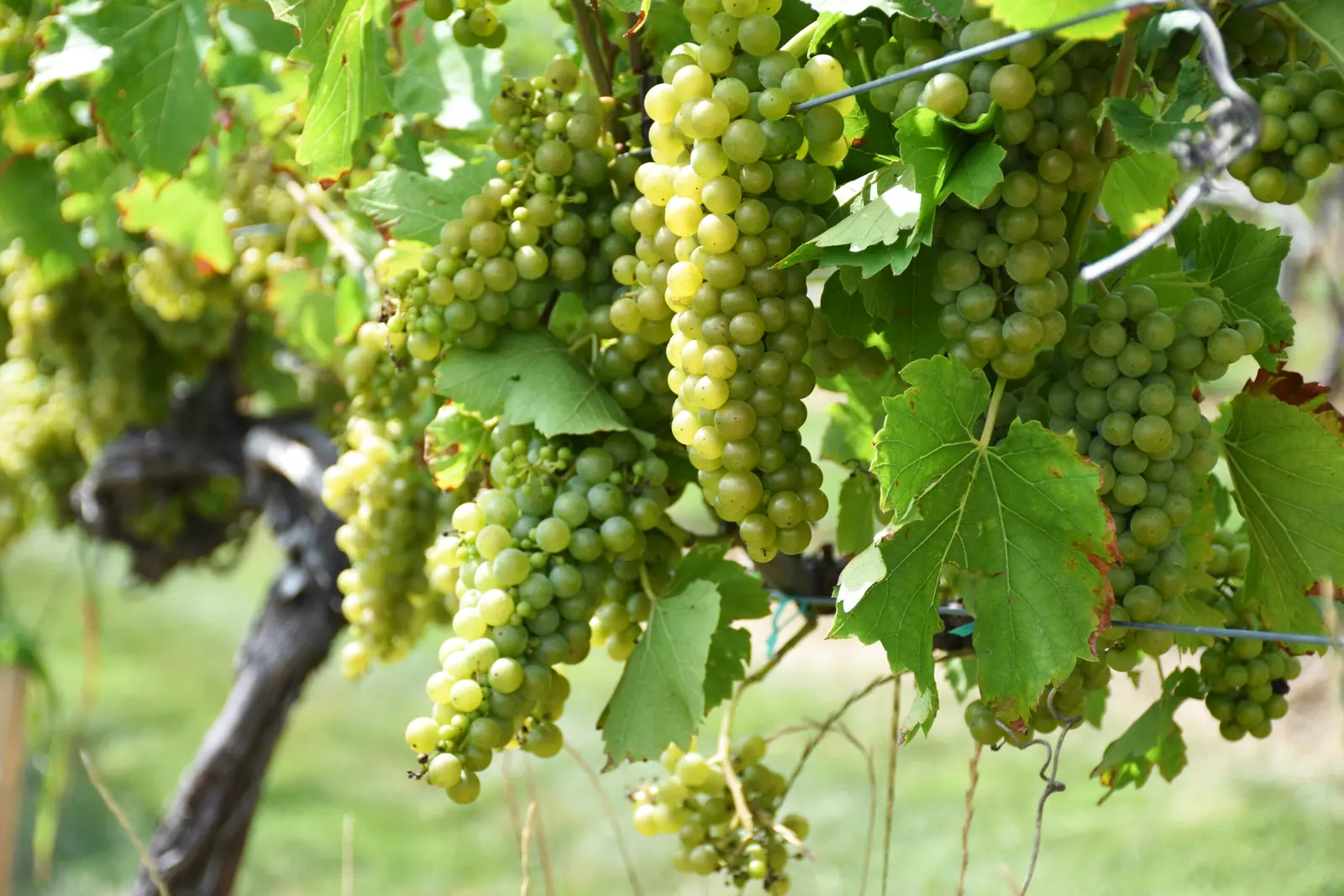
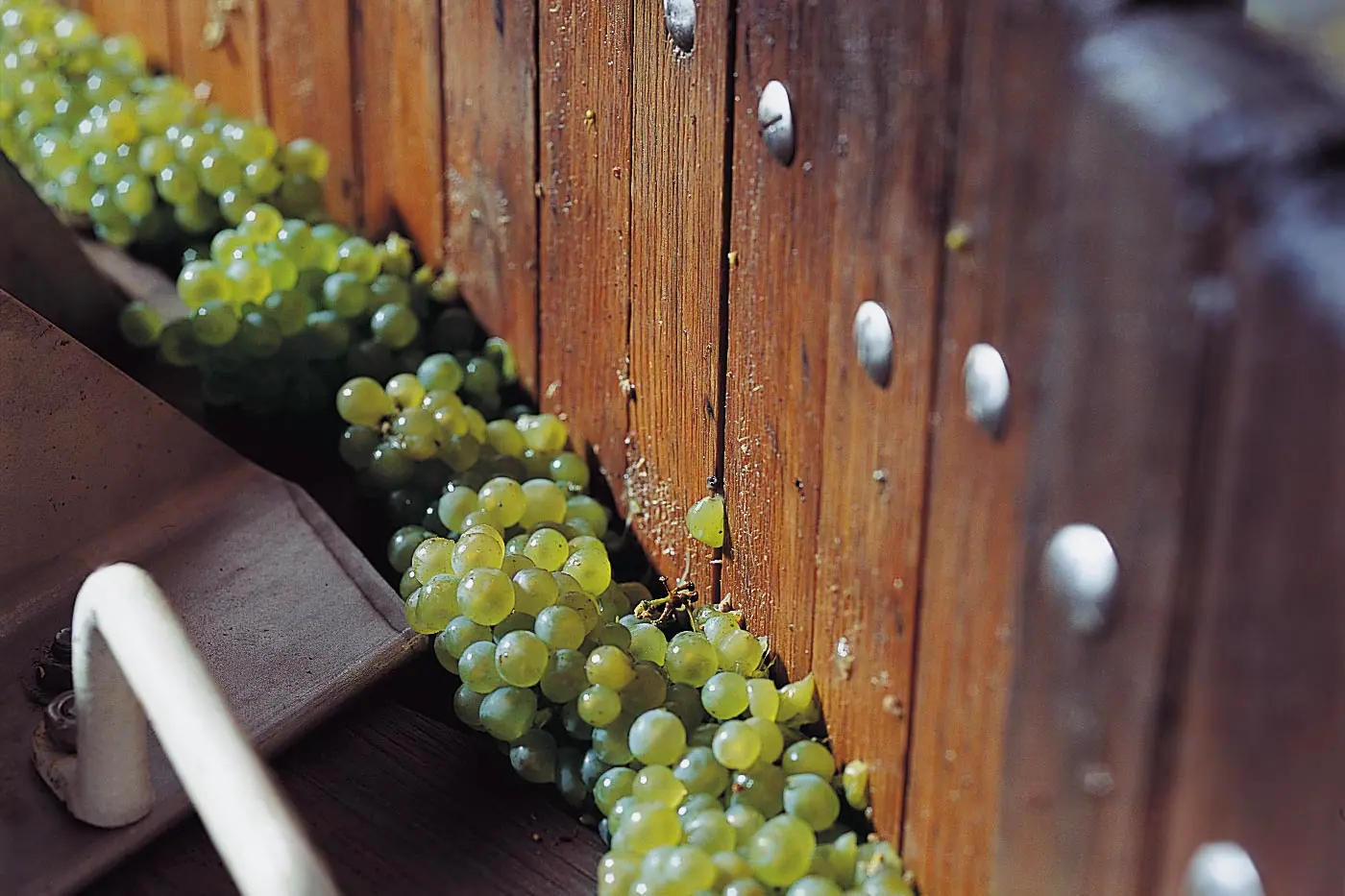
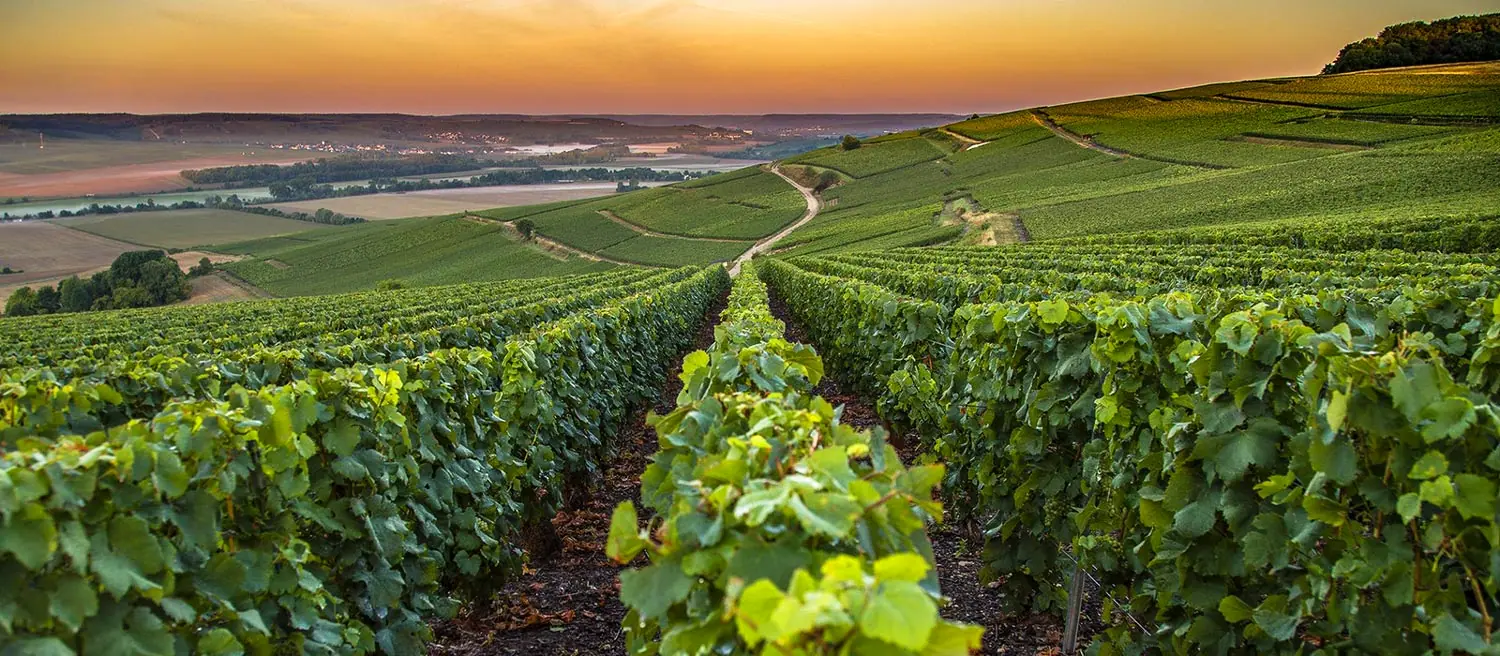
The family farms 5 hectares, all of it rated cru ordinaire. They grow Pinot Noir, Chardonnay and Pinot Meunier. The vines stand on chalk and clay soils in Cormoyeux. The plots sit in a natural amphitheatre that shelters them from the wind. The estate is certified HVE (Haute Valeur Environnementale) and Viticulture Durable en Champagne (VDC). According to a partner website, the press works slowly and gently in order to preserve the purity of the musts.
The cuvées
- Brut de B: 40% Pinot Meunier, 40% Pinot Noir, 20% Chardonnay, the entry point to the range.
- Chardonnay Blanc de Blancs
- Saint Clément Millésime 2016 and Vieilles Vignes Millésime 2018
- B Zero: a brut nature, "the grape in its purest form"
- Rosé de Saignée Millésimé 2020 and Rosé Blend
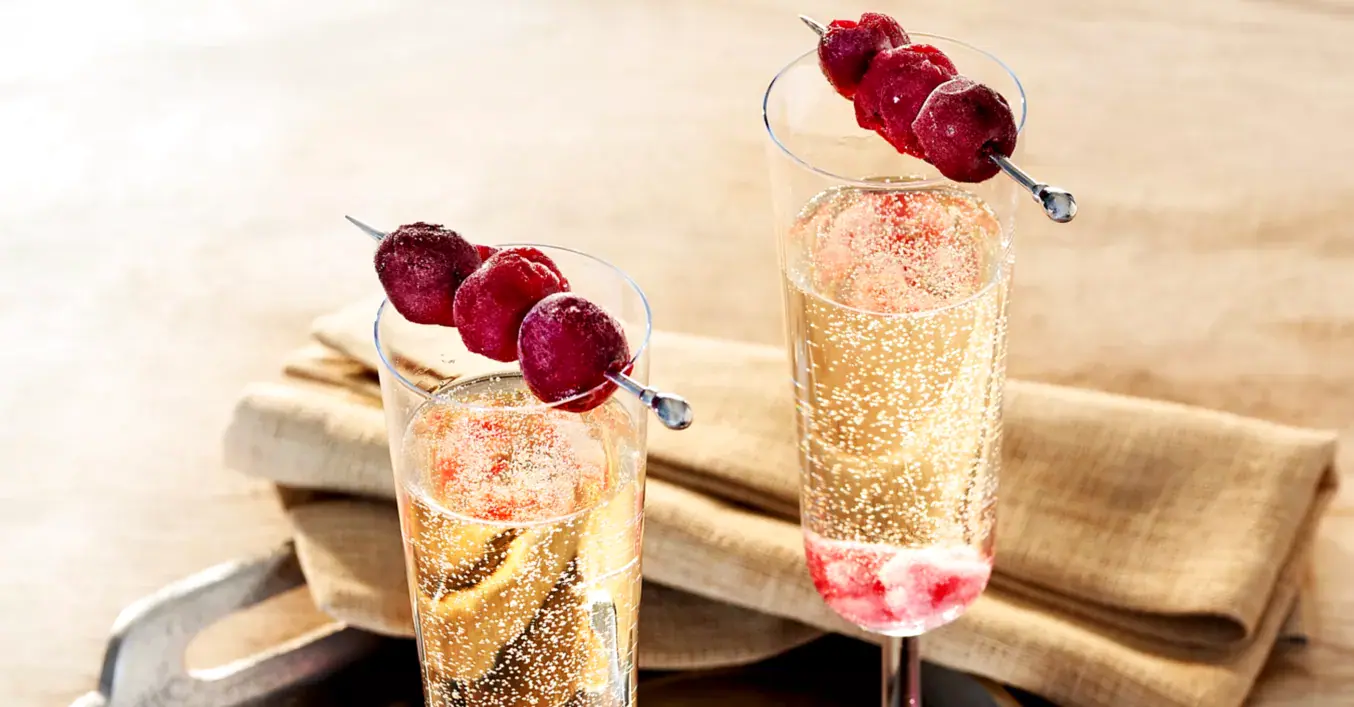
- Ice Touch: an innovative champagne designed to be served over ice
Visit and tasting
The estate welcomes visitors. According to the Champagne trade association, the visit covers the vineyard, the traditional wine press, disgorgement "à la volée" and mechanical riddling. Benjamin gives an overview of Champagne, explains the grape varieties and takes you through the harvest, vinification and bottling. The visit ends with a tasting of three cuvées. According to champagne.fr, visits are possible daily from 10 to 12 and from 2 to 5 pm, ideally by appointment.
Pictures

Sources: www.avenuedesvins.fr, www.wine-searcher.com, www.ruedesvignerons.com, www.explore-grandest.com, www.champagne-booking.com, www.vin-vigne.com, www.champagneboudebaudin.fr, www.france-valley.com