Louis de Sacy in Verzy: Familienhaus mit 18 Hektar, seit 1633 im Weinbau und in der 13. Generation, mit Grand-Cru-Lagen an der Montagne de Reims.
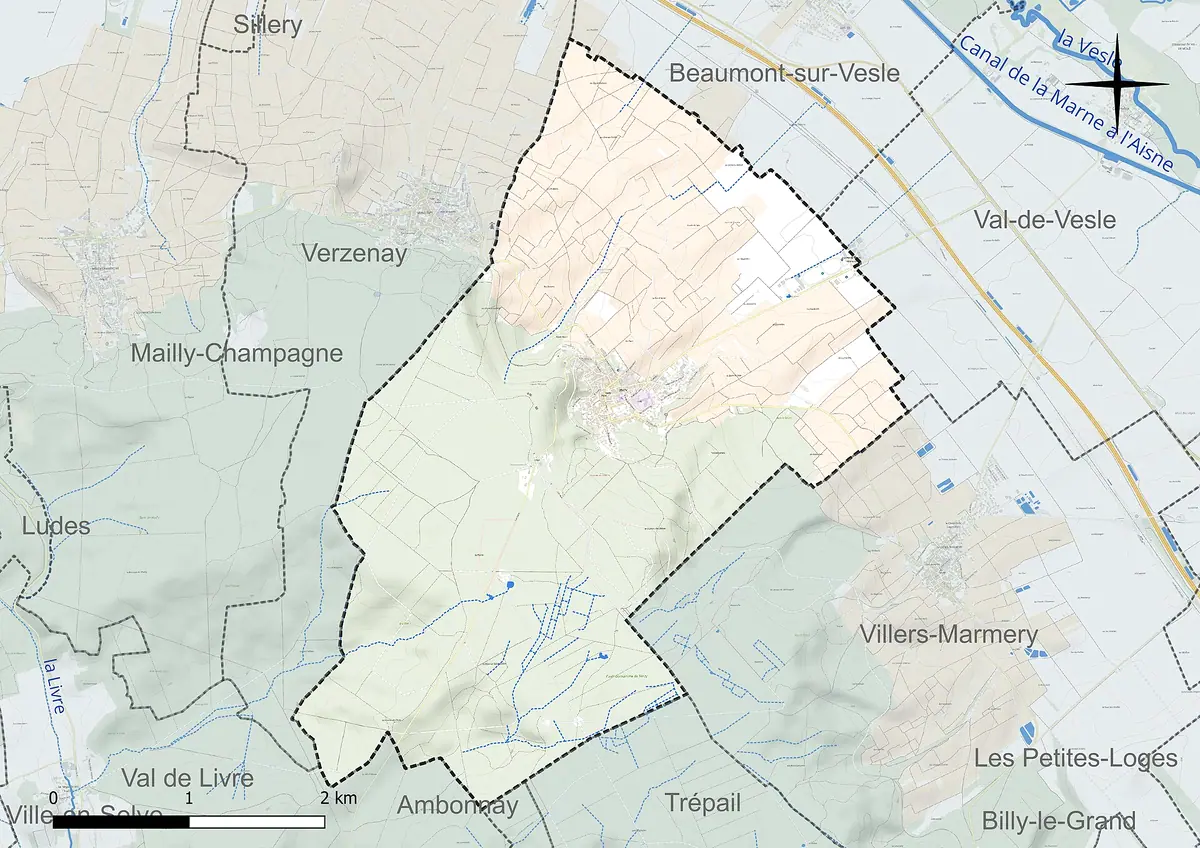
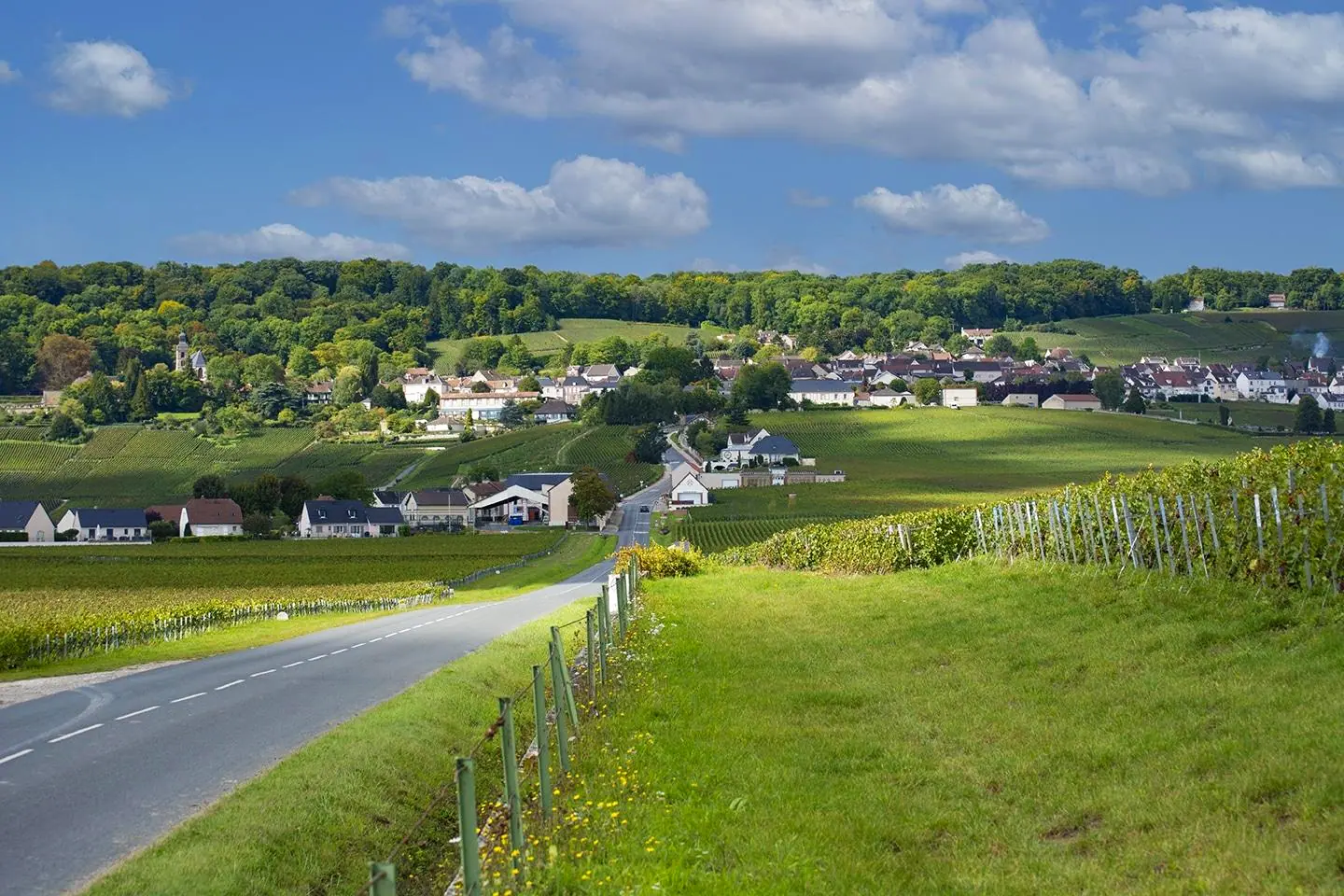
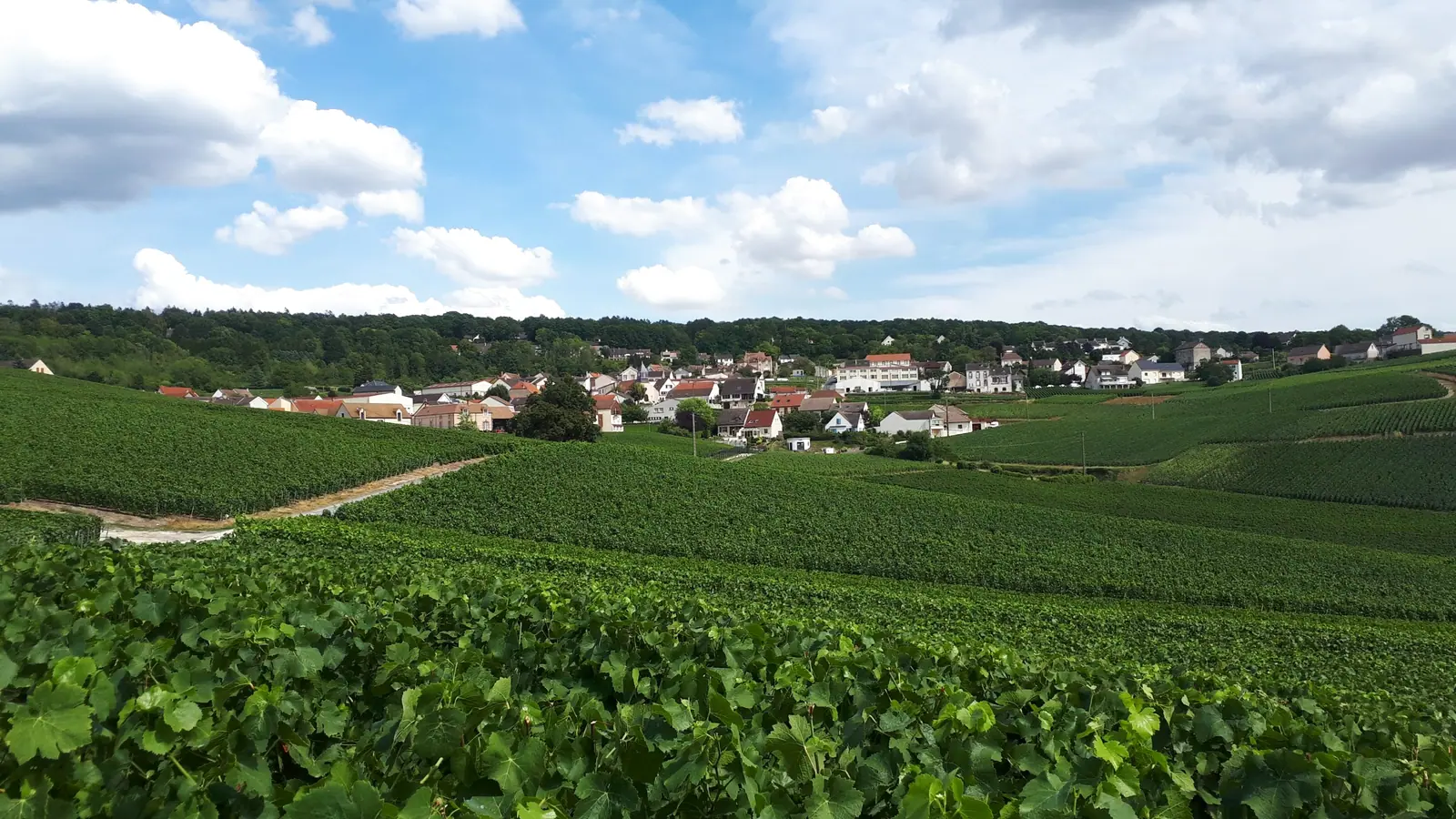
The house of Louis de Sacy is based in Verzy, a village classified grand cru on the Coteaux de la Montagne de Reims. The Sacy family has had vines there since 1633, and today the estate is run by the thirteenth generation. The address: 6 Rue de Verzenay.
From growing family to a brand of their own
For a long time the family only supplied grapes. In 1962 André Sacy decided to make champagne himself, at first under the name Sacy Père et Fils. In 1986 this became Louis de Sacy, named after a famous ancestor: the writer and lawyer born in 1654, who was elected to the Académie française in 1701. Alain Sacy expanded the vineyard in order to be independent, and from 2001 he also presented his champagnes in New York. His children Yaël and Jonathan joined around 2013. Jonathan looks after the vineyard and cellar above all, Yaël sales and communication. The founding year is given differently depending on the source: the website says 1962, while the trade body Union des Maisons de Champagne lists 1967.
Vineyards and way of working
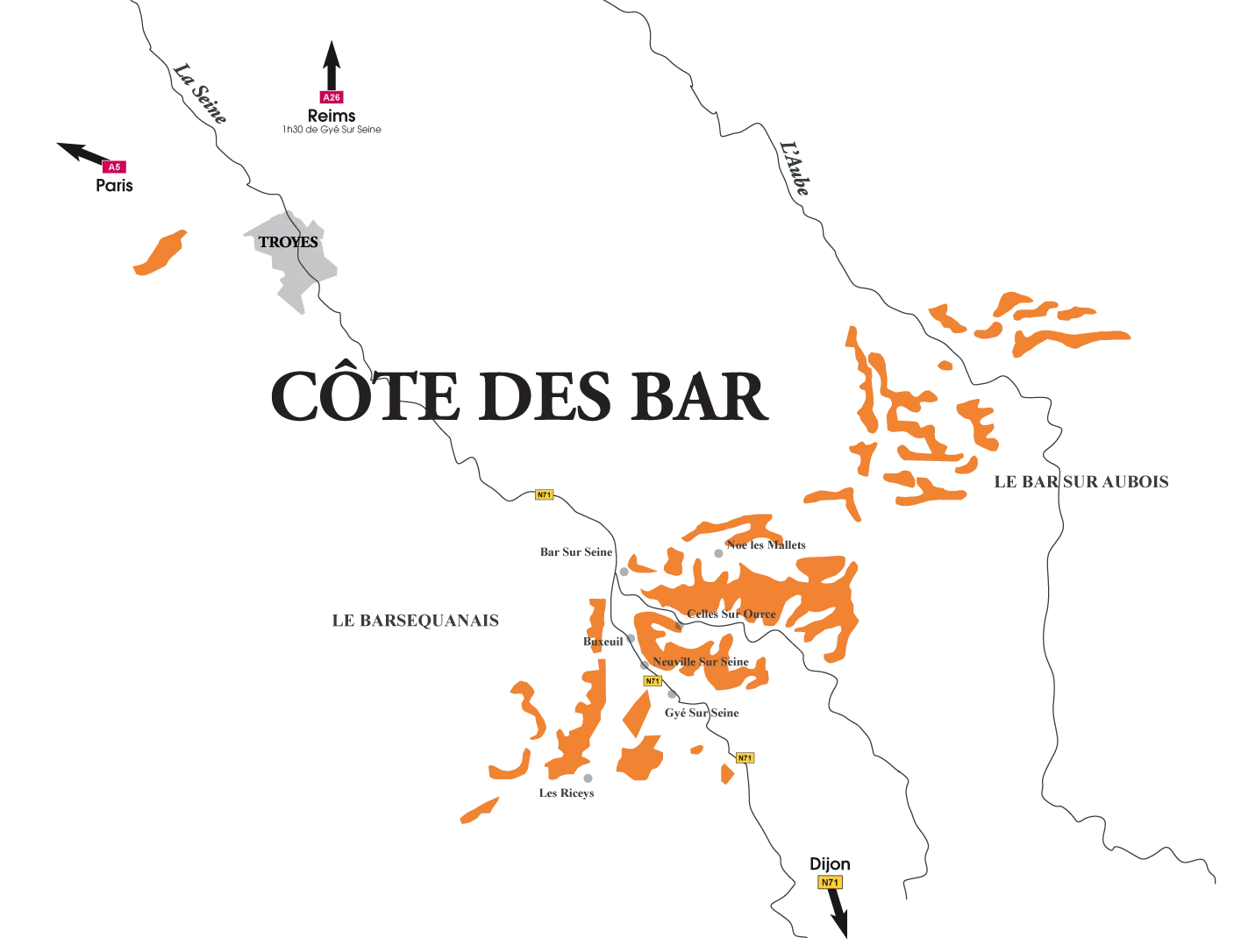
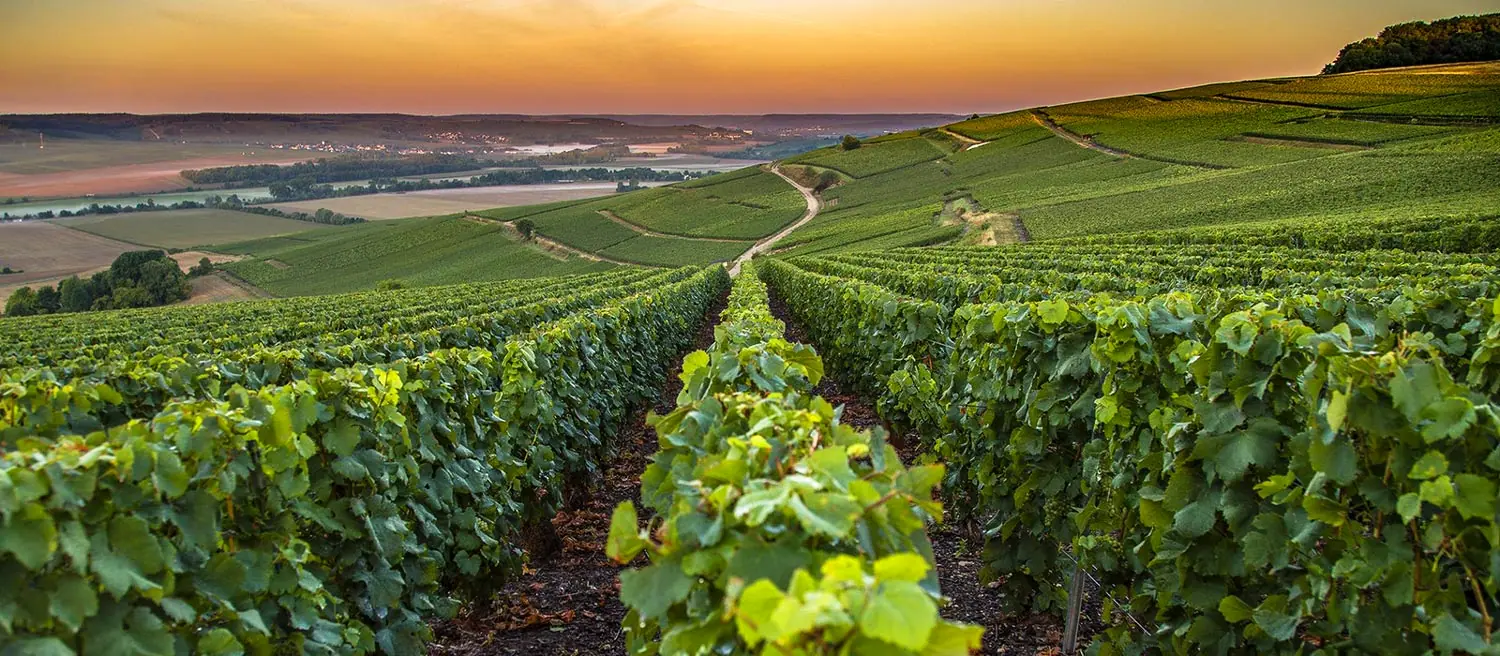
The house farms 18 hectares in six villages, spread over 27 individually recorded plots. The average age of the vines is 33 years. Besides Verzy, these include Trépail (premier cru), Bligny in the Aube, Cernay on the Mont de Berru and Treslon in the Ardre valley. The vineyards are planted mostly with pinot noir and chardonnay, with only a little pinot meunier. The house also buys in grapes from growers to keep the cuvées consistent.
The Sacy family has had vines there since 1633, and today the estate is run by the thirteenth generation.
The estate holds the HVE (Haute Valeur Environnementale) and VDC (Viticulture Durable en Champagne) certifications. Yaël and Jonathan have also started converting to organic. They time planting, bottling and disgorgement according to the biodynamic calendar.
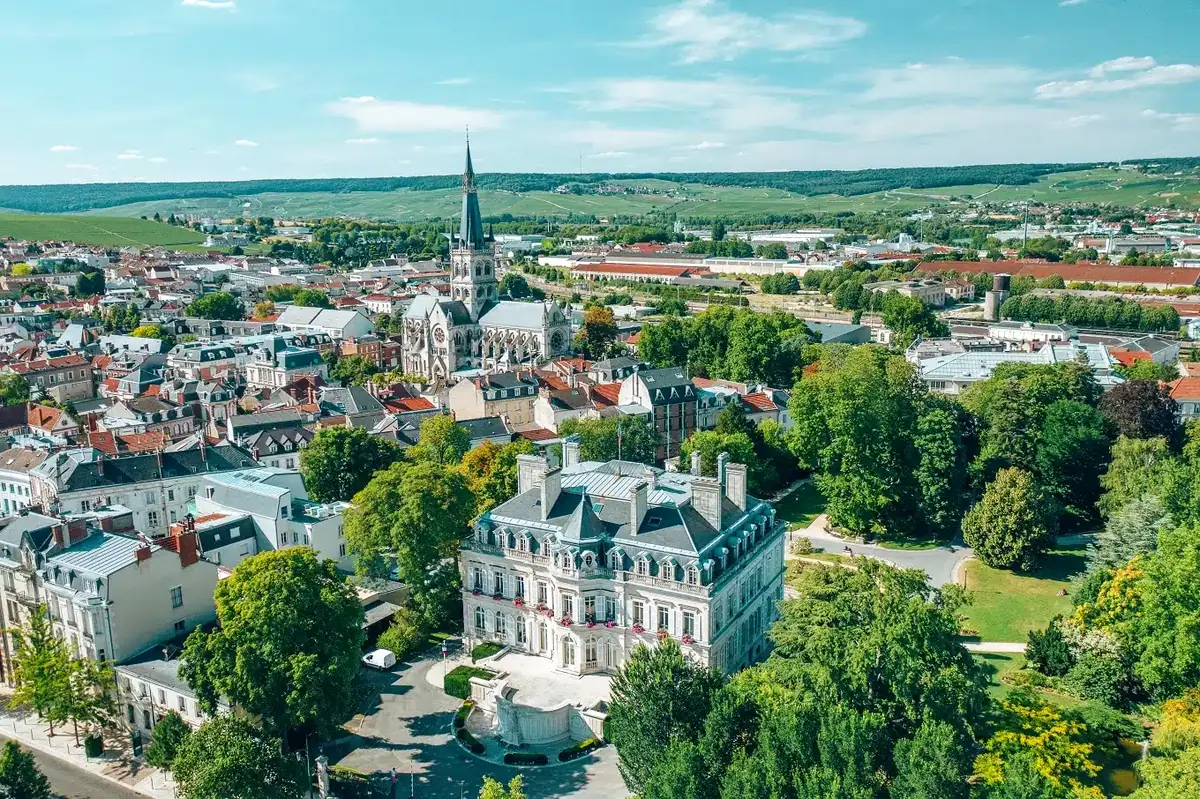 Épernay
The cuvées and visiting
According to the trade body, the range includes the cuvées Originel, Grand Cru and Rosé de Saignée. Added to these are the vintage champagne Grand Soir and the single-plot cuvée "Les Courtisols". There is an anecdote behind the latter: chardonnay was planted by mistake right in the middle of pinot noir on this plot. The family turned it into a champagne of its own. The Grand Cru Brut is made of 80 per cent pinot noir and 20 per cent chardonnay. Merchants describe it with notes of red fruit, citrus and toast.

Tastings at the house can be booked online in advance.
Pictures
Sources: www.vivino.com, www.vivino.com, vinovoss.com, greenegrapewine.com, www.champagne-booking.com, www.alliedvintners.com, en.wikipedia.org, wedrinkbubbles.com