
Vintage champagne differs from non-vintage champagne in that it is made exclusively from the base wines of a single year.
Vintage champagne: individuality and quality in every bottle
Vintage champagne differs from non-vintage champagne in that it is made exclusively from the base wines of a single year. That year is stated on the label, which signals the uniqueness of the wine.
How vintage champagne is made, and why it matters
Vintage champagne is produced only in those years when the quality of the grapes is so outstanding that it can yield an exquisite champagne, carrying the particular identity of that year, without being blended with wines from other years. These champagnes are not necessarily "better" than non-vintage champagnes, but they have a distinctive individuality, shaped by the specific climatic conditions and quirks of the year in question.
A vintage reflects terroir and climate
Every vintage produces grapes that are always unique, thanks to the interplay of unpredictable factors such as sun, rain, frost, hail, pests and fungal disease. It is a mistake to assume that a year in which few or no houses declare a vintage must have produced poor grapes. The true art of champagne making shows in non-vintage champagnes, where the skilful blending of wines from different years preserves the traditional house style and often embodies the "soul" of the house.
The complex mosaic of Champagne
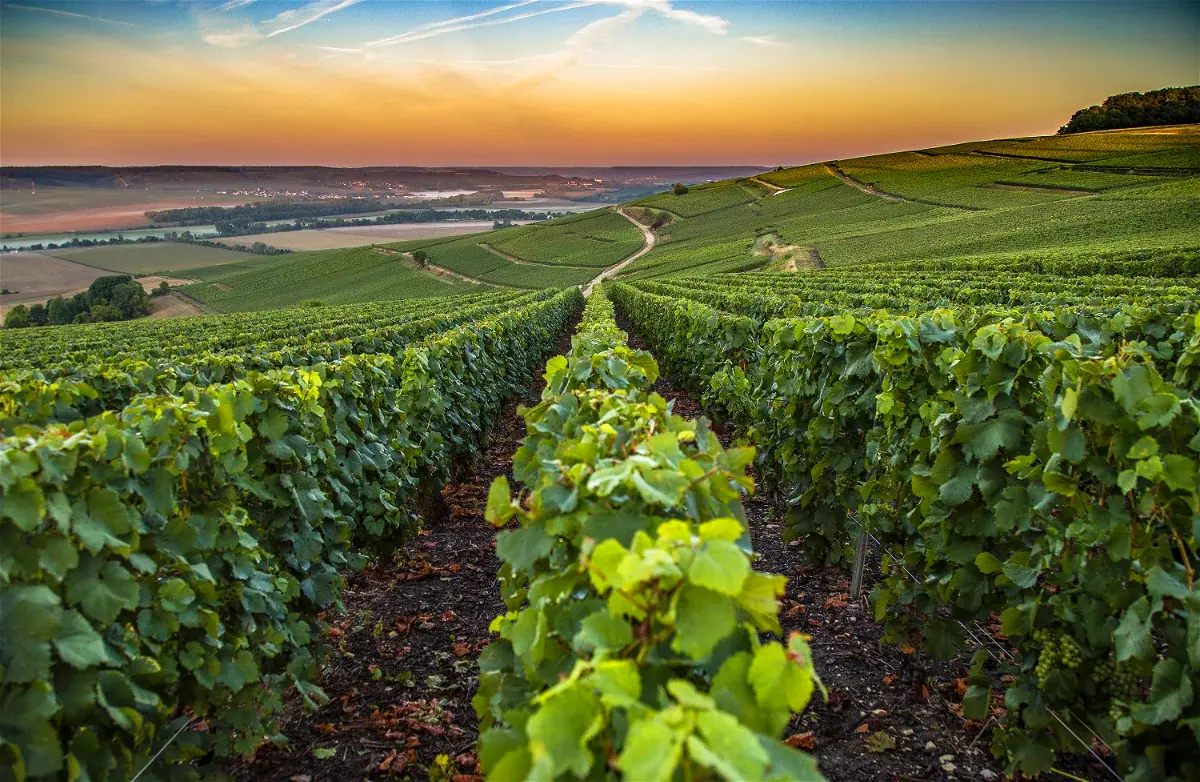
Champagne is a complex mosaic of different microclimates, sites and grape varieties which, together with varying soil types, produce a broad range of grape qualities every year. While most growers may not make a vintage champagne in some years, there are still growers in other parts of Champagne whose grapes justify a vintage declaration. An outstanding vintage champagne can come from a year that is not generally regarded as remarkable, which underlines the craftsmanship and instinct of the growers.
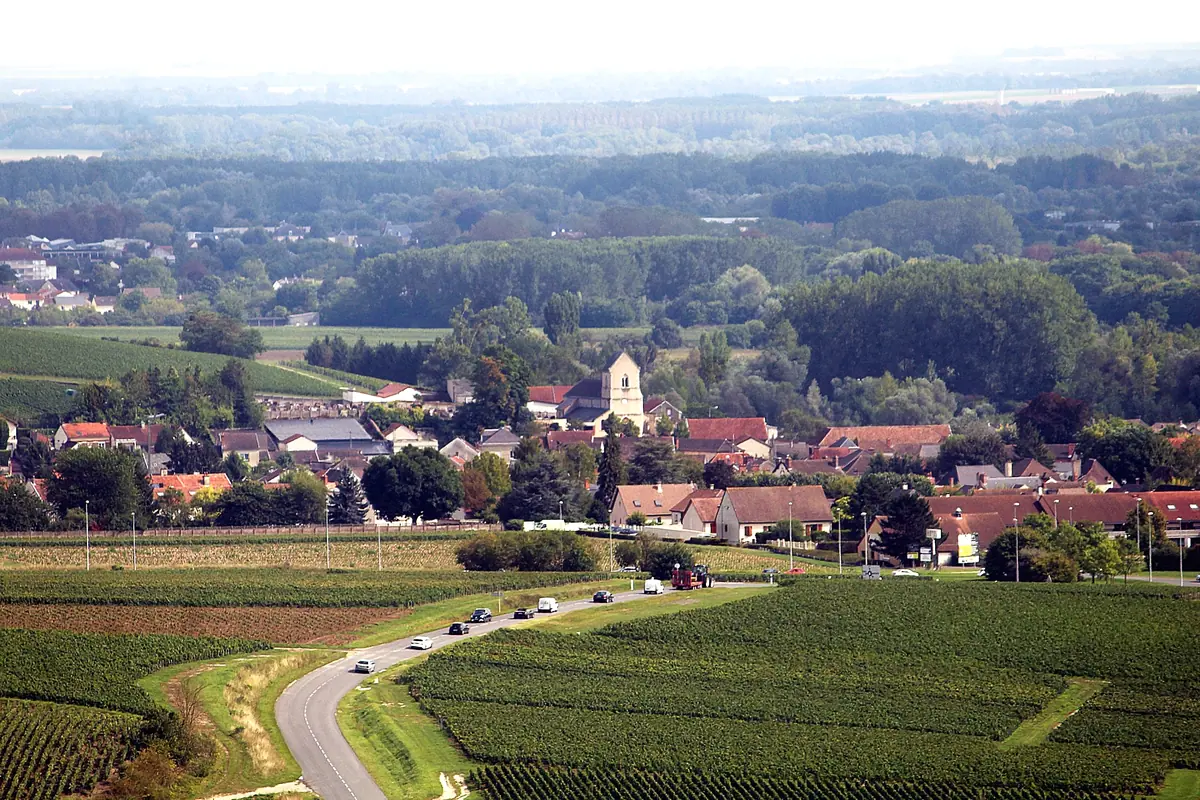 Dizy
The role of nature: examples from history
The harvests of 1982/83 and 2002 are examples of exceptional years. 1982/83 delivered both generous yields and superb quality, while 2002, thanks to late but intense sunshine, produced one of the best vintages of the last decade, as Claude Taittinger of Taittinger observed.
2003 was another interesting year. A severe frost in April destroyed many Chardonnay vines, followed by a hot summer that brought the earliest harvest since 1822. Despite these challenges, growers were pleased with the quality of the grapes, and some vintage champagnes from that year have proved remarkable, even though many houses did not release a 2003 vintage.
Ageing and maturation of vintage champagne
A vintage champagne must be aged for at least three years after the second fermentation before it can be sold. At least 20% of the harvest must be held back as reserve for future blending with other vintages. Many vintage champagnes improve with longer ageing and can be kept for 5 to 10 years or even longer. Certain vintages, such as 1996, 1995, 1990, 1988 and 1985, are still highly sought after today and show that champagnes can become more complex and interesting with age.
A severe frost in April destroyed many Chardonnay vines, followed by a hot summer that brought the earliest harvest since 1822.
Famous vintages and what they mean
Particularly prized vintages of the last 30 years include 1996, 1995, 1990, 1988 and 1985. These vintages are known for their outstanding quality and their ability to mature and develop over decades.
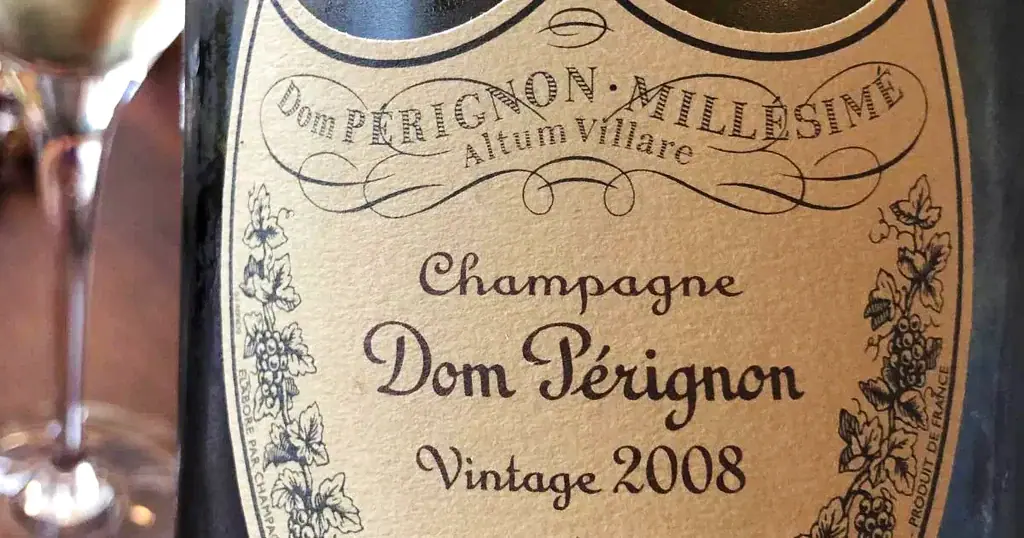
- Dom Pérignon Vintage 2008: This vintage is widely regarded as one of the best from the house of Dom Pérignon. It stands out for its exceptional balance and elegance.
- Krug Vintage 2002: Krug is known for intense, complex champagnes, and the 2002 is no exception. It is often praised for its maturity and depth.
- Louis Roederer Cristal 2008: Cristal is a symbol of luxury and quality. The 2008 vintage is highly valued for its purity and structure.
- Bollinger La Grande Année 2012: This vintage champagne is praised for its powerful structure and its aromas of ripe fruit and spice.
- Pol Roger Sir Winston Churchill 2008: This champagne honours the famous British prime minister and is known for its intensity and longevity.
Champagne: a region of diversity and terroir
Champagne is not just a region but a mosaic of different terroirs, each with its own climatic and geological particularities. This interplay of factors shapes the quality and character of the grapes harvested each year. Individual villages and communes within Champagne, such as Ambonnay, are known for their specific qualities and contribute to the diversity and complexity of the wines that come from the region.
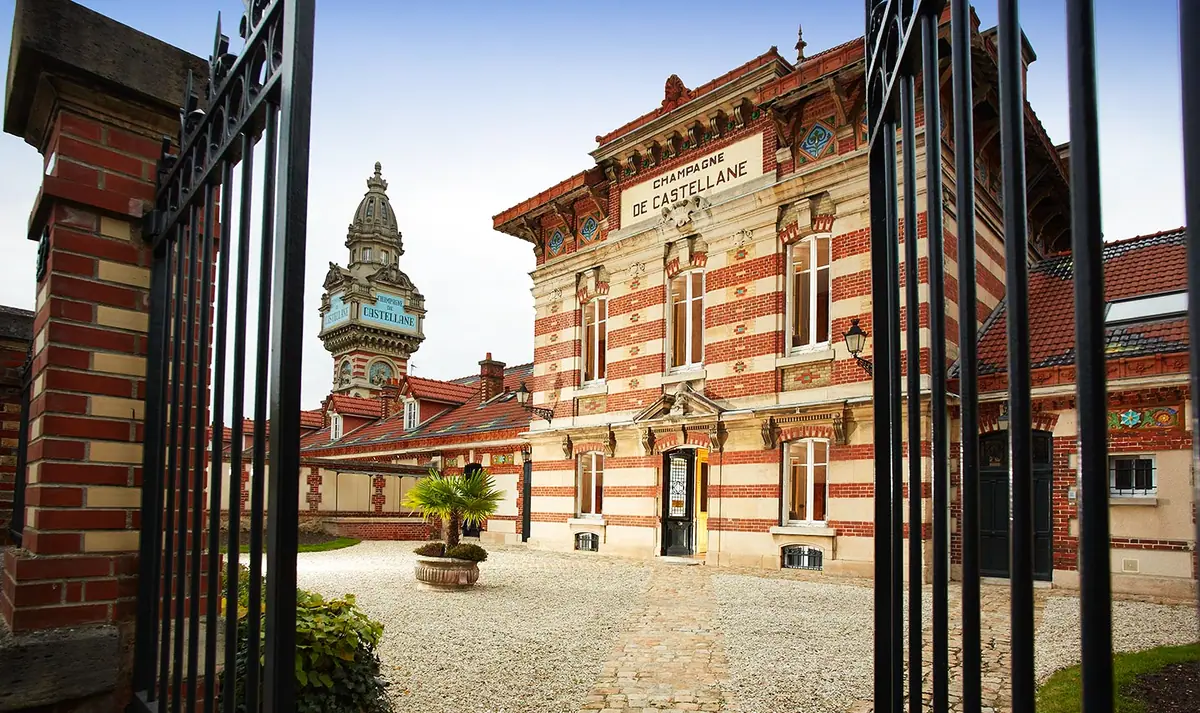 De Castellane Champagner
The importance of microclimates and soils
The microclimates and soils of Champagne play a decisive role in determining the quality of the grapes. The region is divided into several zones, each with its own character. The Montagne de Reims, the Côte des Blancs, the Vallée de la Marne and the Côte des Bar are the main growing areas. Each has its own characteristics, which show in the wines. The Montagne de Reims is known for its powerful Pinot Noir, while the Côte des Blancs is famous for its elegant Chardonnay.
Famous producers and their vintage champagnes
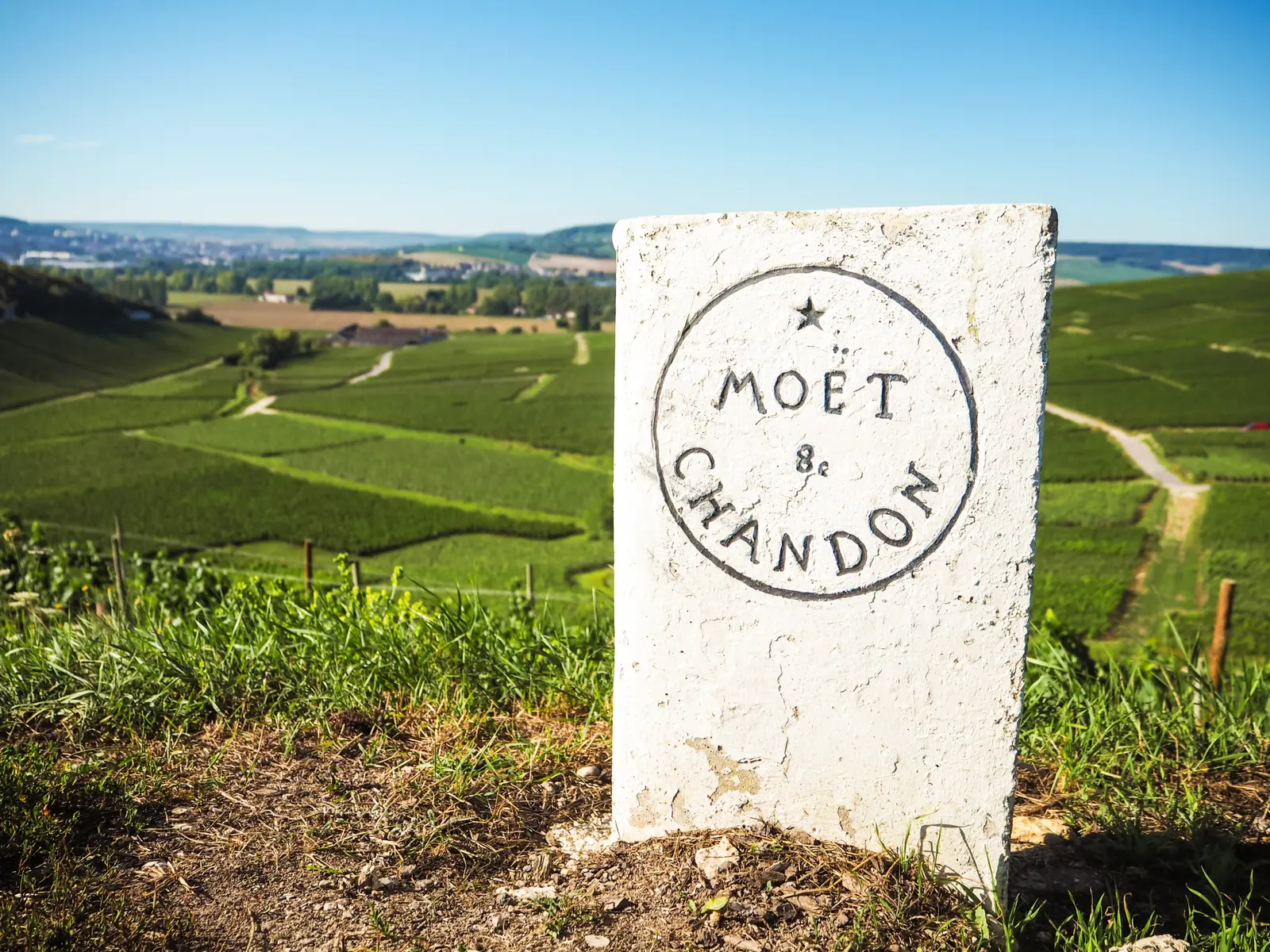
The best-known champagne houses include Moët & Chandon, Veuve Clicquot, Dom Pérignon, Krug and Bollinger. These houses have made their name through consistent quality and their ability to produce both non-vintage and vintage champagnes of outstanding quality.
Moët & Chandon: Famous for its Dom Pérignon vintage champagne, regarded as one of the best in the world. Dom Pérignon is made only in the best years and is known for its complexity and longevity.
Veuve Clicquot: Known for its La Grande Dame vintage champagne, named in honour of the house's founder, Madame Clicquot. This champagne is known for its elegance and finesse.
Krug: A house that specialises in vintage champagnes prized for their depth and complexity. Krug vintage champagnes can often be cellared for decades and develop astonishing aromas over time.
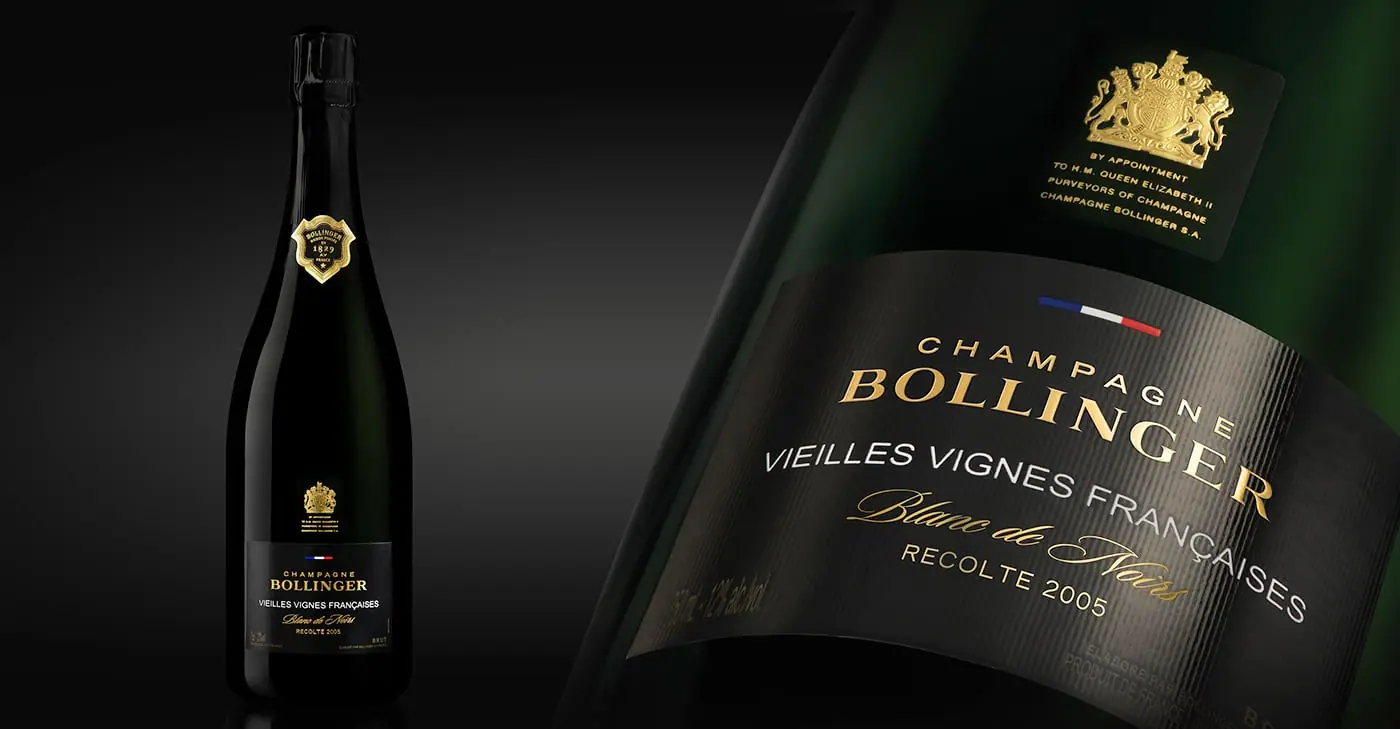
Bollinger: Famous for its Vieilles Vignes Françaises vintage champagne, made from rare old Pinot Noir vines. This champagne is known for its power and structure.
Conclusion
Vintage champagnes are the product of one particular year and reflect that year's unique climatic and geological conditions. They offer a distinctive tasting experience shaped by the specific identity of the vintage. While non-vintage champagnes embody the soul of the house, vintage champagnes give a deeper insight into the nuances and subtleties of a single year. Cellaring and maturation can further increase their complexity and depth, making them a valuable and treasured pleasure for connoisseurs and collectors. Champagne remains a region of diversity and excellence, whose wines rank among the best in the world.
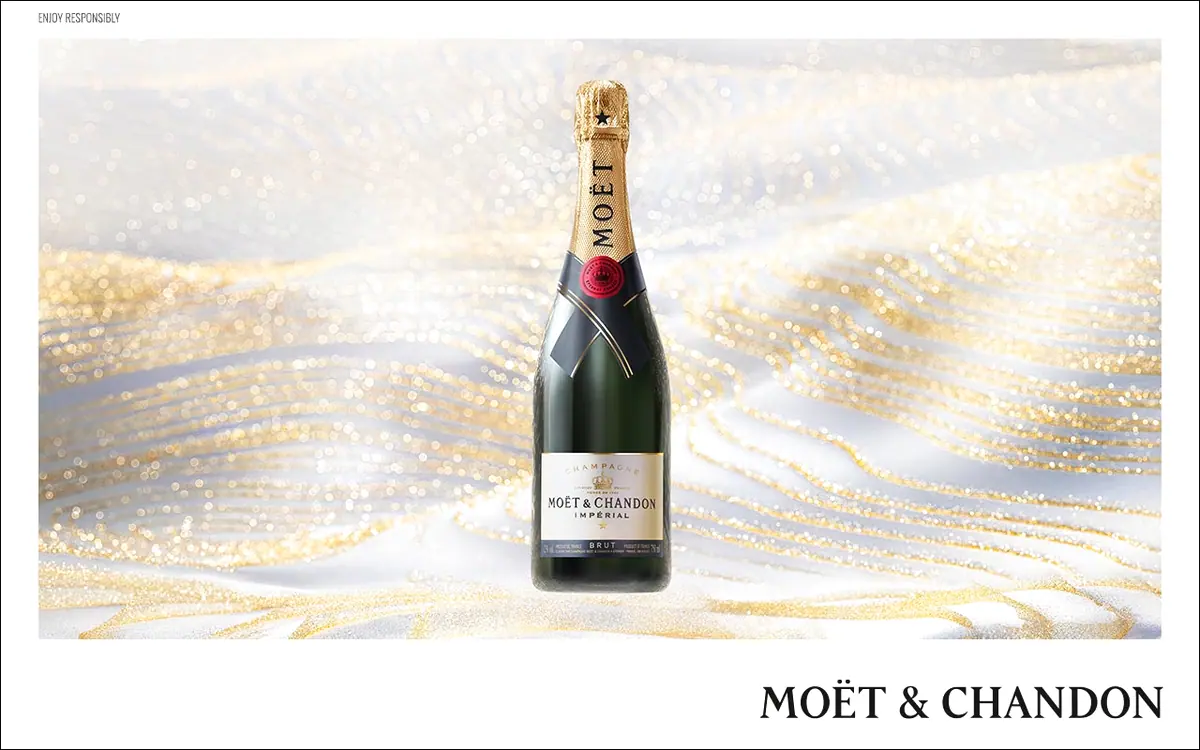 Moët & Chandon Champagner
01List of the most important vintage champagnes:
1. Moët & Chandon
- Grand Vintage: 2008, 2009, 2012, 2013, 2015
2. Veuve Clicquot
- La Grande Dame: 2004, 2006, 2008, 2012
3. Dom Pérignon
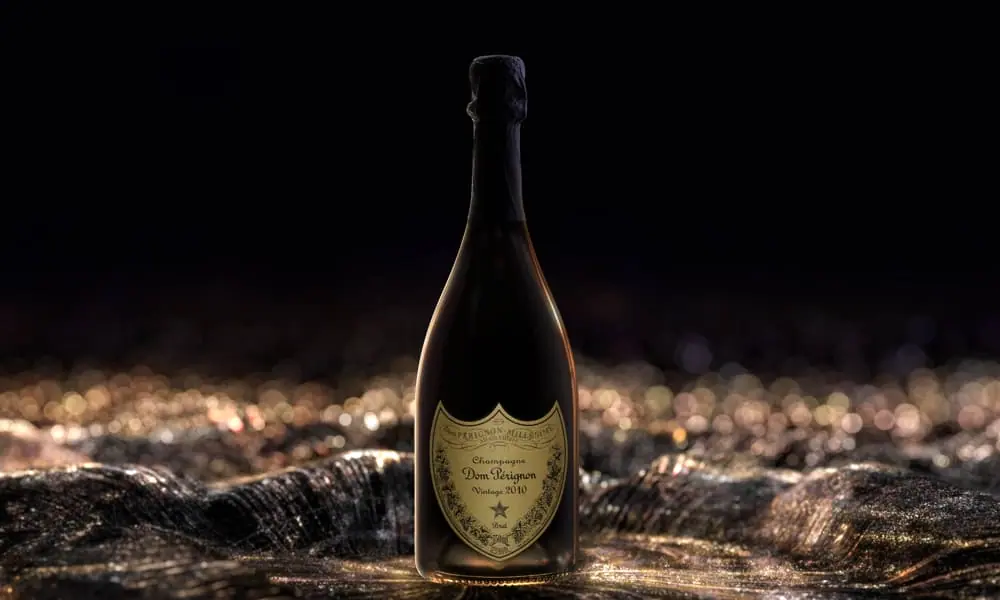
- Dom Pérignon Vintage: 2004, 2006, 2008, 2010, 2012
4. Krug
- Krug Vintage: 2000, 2002, 2004, 2006, 2008
5. Louis Roederer
- Cristal: 2002, 2004, 2006, 2008, 2012
6. Bollinger
- La Grande Année: 2004, 2005, 2007, 2008, 2012
7. Ruinart
- Dom Ruinart: 2002, 2004, 2006, 2007, 2009
8. Taittinger
- Comtes de Champagne: 2005, 2006, 2007, 2008, 2011
9. Pol Roger
- Sir Winston Churchill: 2002, 2004, 2006, 2008, 2009
10. Laurent-Perrier
- Grand Siècle: Iteration No. 23 (2006, 2007, 2008)
11. Perrier-Jouët
- Belle Epoque: 2004, 2006, 2007, 2008, 2012
12. Piper-Heidsieck
- Rare: 2002, 2006, 2007, 2008
13. Henriot
- Enchanteleurs: 2000, 2003, 2005
14. Billecart-Salmon
- Cuvée Nicolas François: 2002, 2006, 2007
15. Charles Heidsieck
- Blanc des Millénaires: 2004, 2006
16. Salon
- Salon: 2002, 2004, 2006, 2008, 2012
17. Deutz
- Amour de Deutz: 2005, 2006, 2007, 2008
18. Gosset
- Celebris: 2004, 2007, 2008
19. Ayala
- Perle d'Ayala: 2006, 2012
20. Jacquesson
- Dizy Corne Bautray: 2008, 2009
21. Alfred Gratien
- Cuvée Paradis: 2004, 2006, 2008
22. Agrapart
- Minéral: 2009, 2010, 2011
23. Egly-Ouriet
- Millésime: 2007, 2008, 2009
24. Jacquart
- Alpha: 2005, 2006, 2007
25. Bruno Paillard
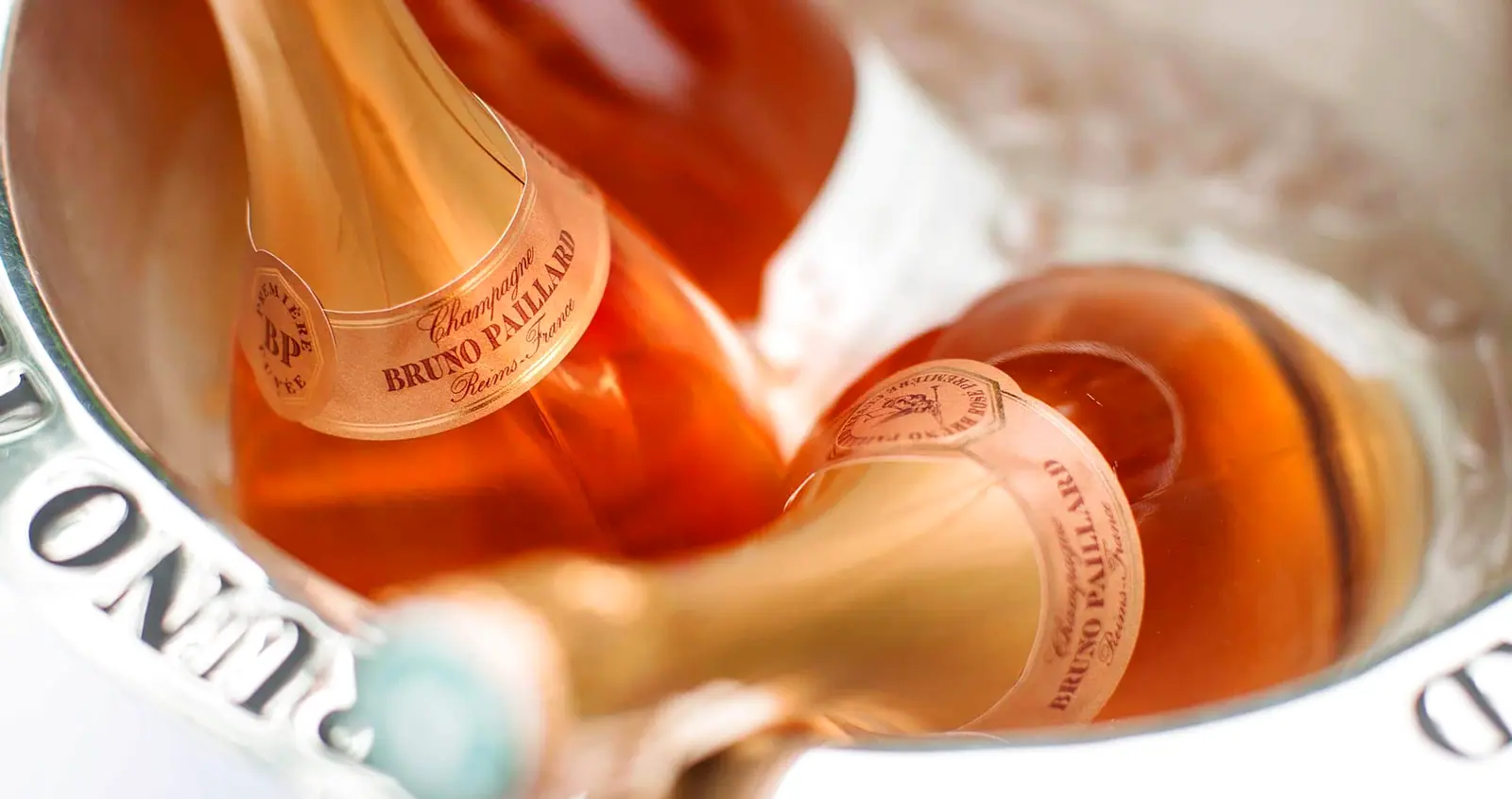
- Nec Plus Ultra: 2002, 2003
The sweetness scale
Choose a level. You will see the sugar content, the taste and what goes with it.
Bone dry, pure and mineral
Pairs with: Oysters, mussels, sashimi
More in the glossaryVery dry, taut and clear
Pairs with: Raw fish dishes, ceviche
More in the glossaryDry, the classic
Pairs with: Aperitif, seafood, Parmesan
More in the glossaryMedium dry, soft
Pairs with: Asian cuisine with a little heat
More in the glossarySweet, fruity
Pairs with: Foie gras, fruit desserts
More in the glossarySweet, now rare
Pairs with: Cakes, tarts, patisserie
More in the glossaryPictures
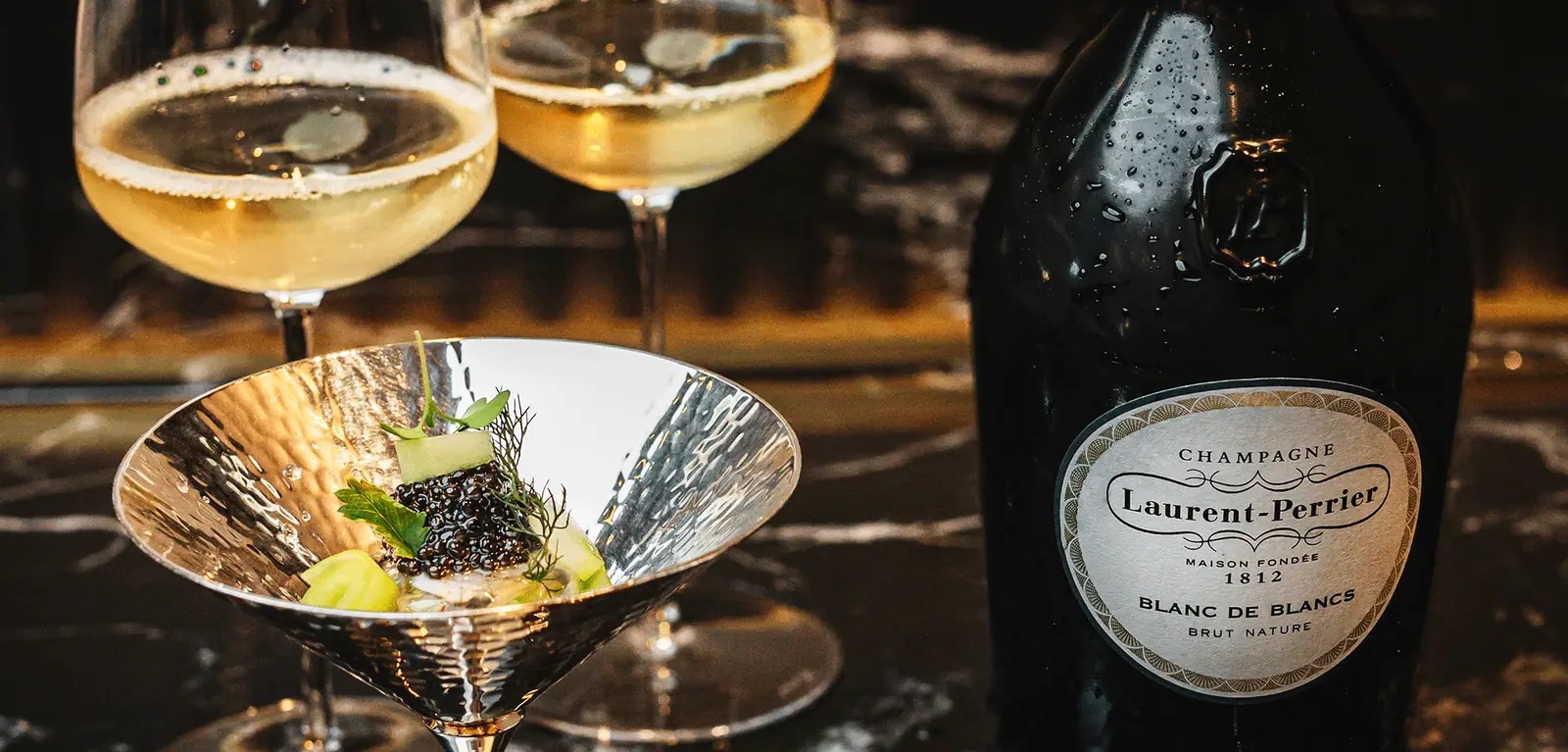
 Bottle
 Bottle
 Bottle
 Bottle
 Bottle
 Bottle
 Bottle
 Bottle
 Bottle
 0 %
