
Autolysis is the breakdown of dead yeast cells by their own enzymes. In champagne it shapes aroma, creaminess and mousse during ageing on the lees in bottle.
Autolysis is the term for the self-digestion of dead yeast cells. In champagne it takes place during ageing on the lees in the bottle. It is one of the main reasons why mature champagne tastes of brioche, nuts and toasty notes rather than of fruit alone.
What happens in the bottle
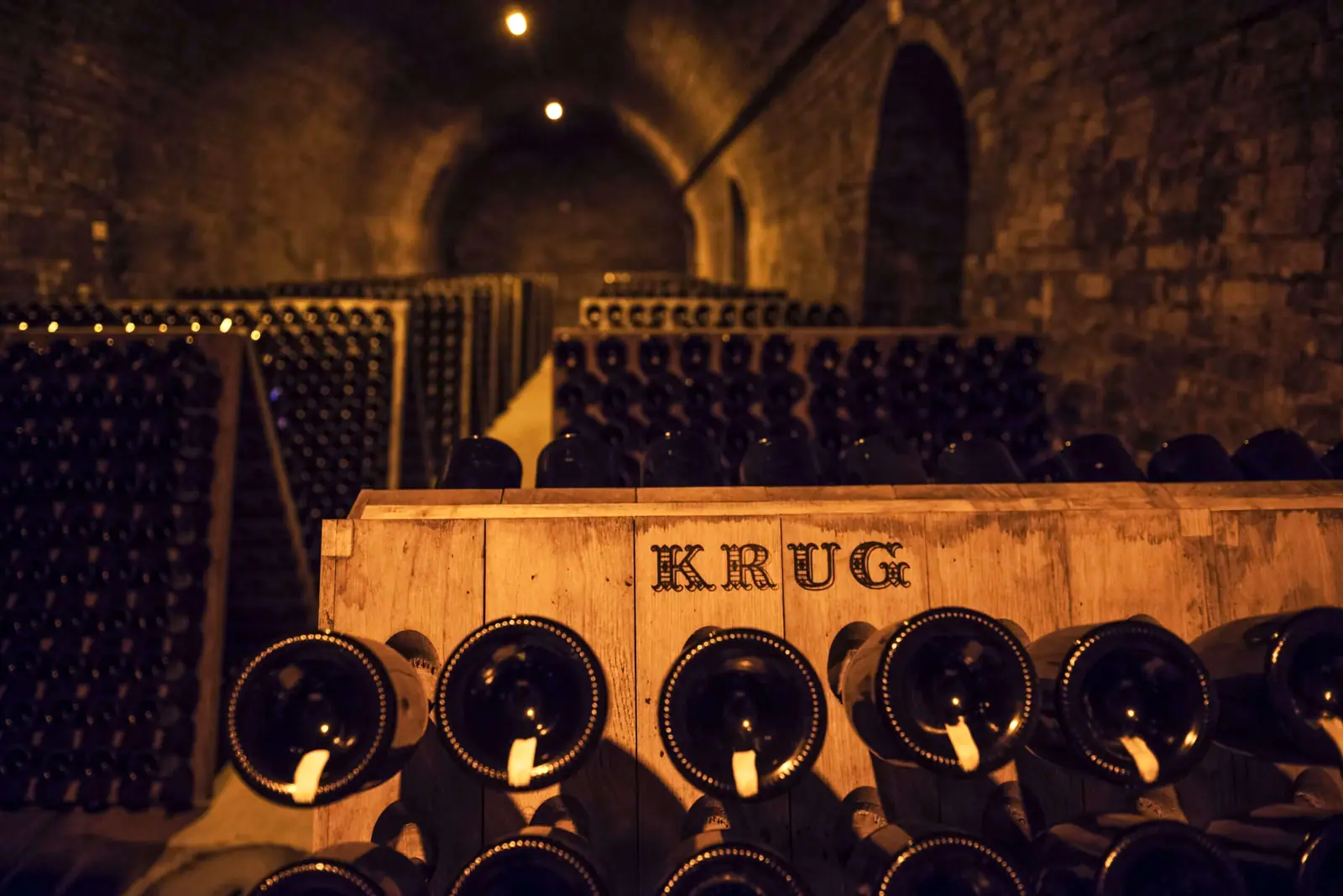
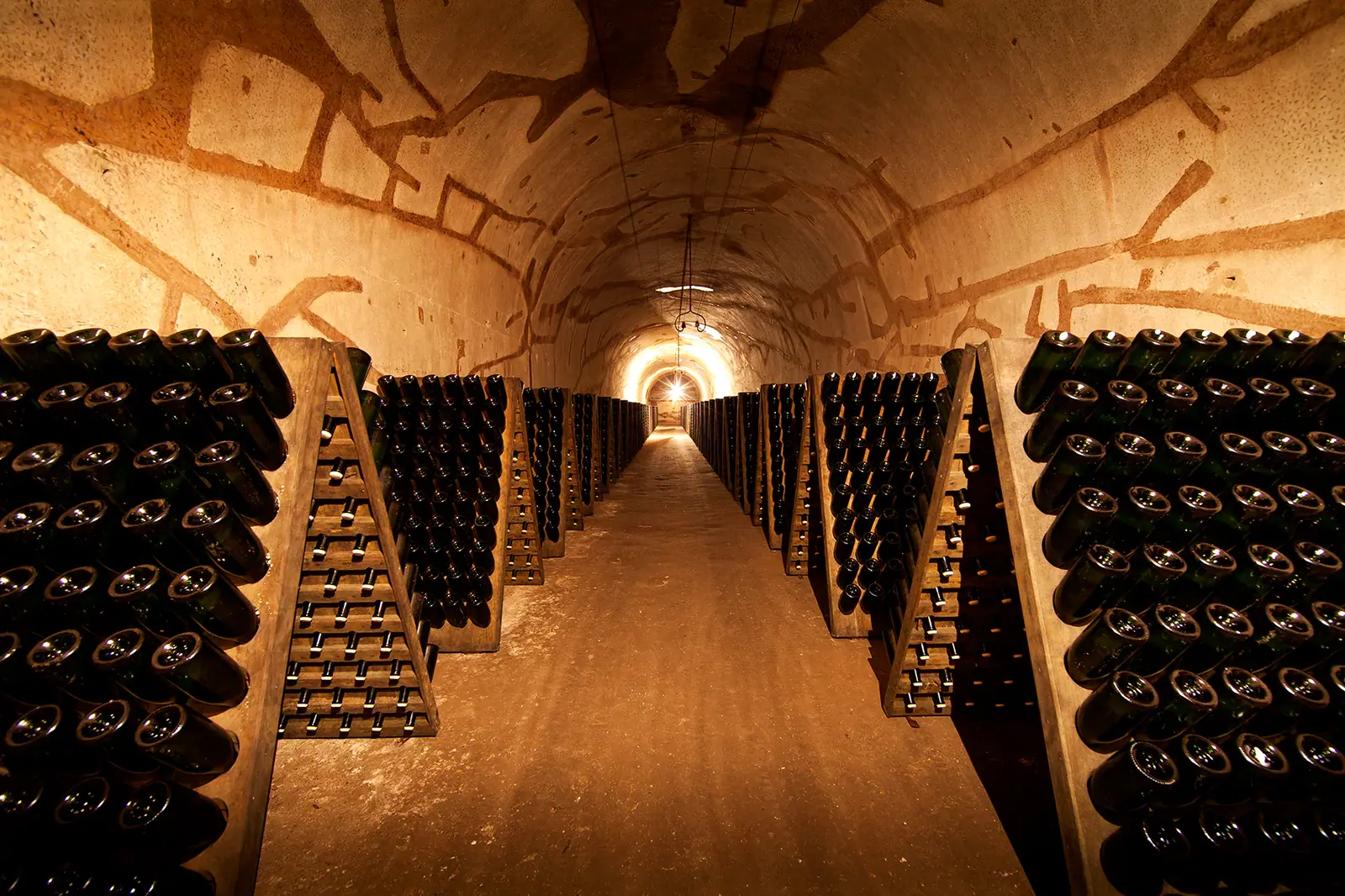
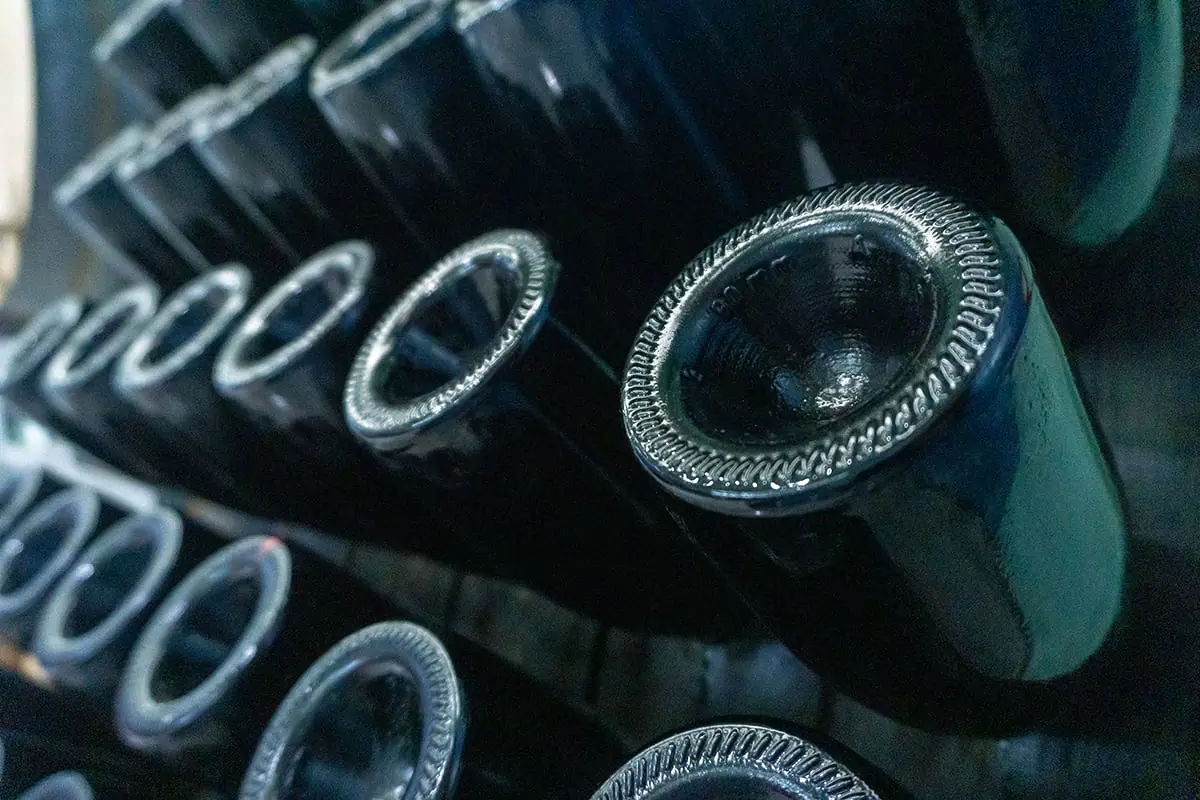
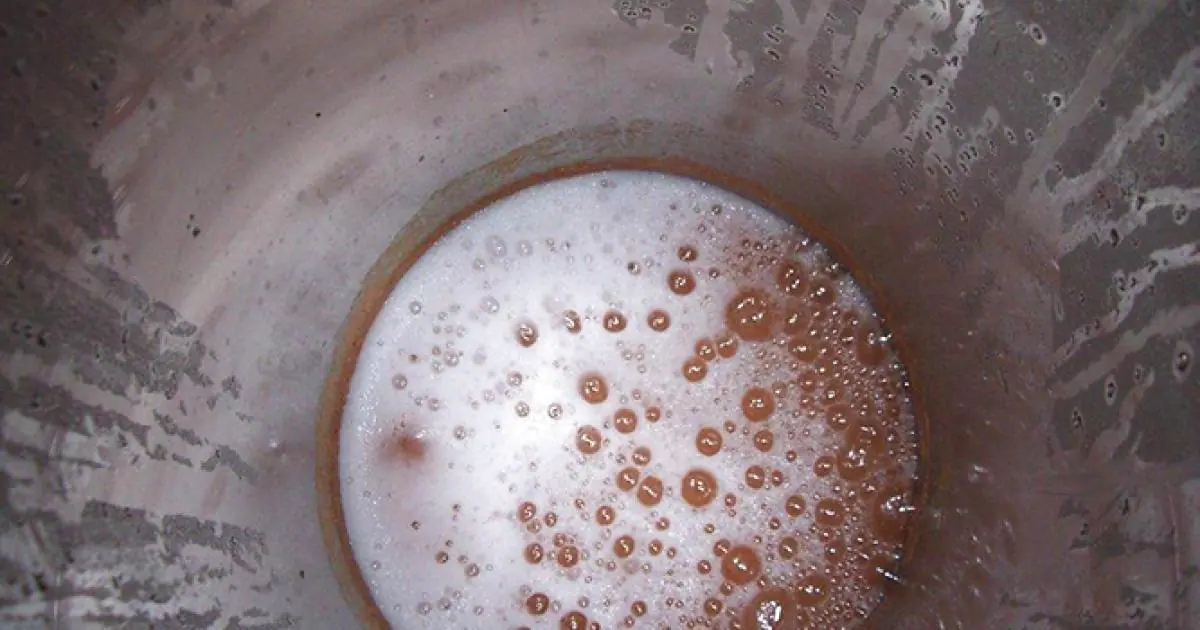
After the tirage, sugar and yeast are added to the base wine and the bottle is sealed. During the second fermentation, the prise de mousse, carbon dioxide and alcohol are formed. Once the sugar is used up, the yeast dies and settles as lies against the wall of the bottle. The bottles now rest sur lattes, usually in cool cellars. Enzymes in the yeast gradually break down the cells' own walls. In the process, amino acids, peptides, mannoproteins and other compounds are released into the wine.
Effect on aroma and texture
The compounds released change the wine noticeably. Fresh citrus and apple notes gain companions such as brioche, toast, hazelnut, almond or biscuit. The mouthfeel also becomes rounder and creamier. Mannoproteins and polysaccharides are thought to be among the factors that make the mousse finer and more stable. The yeast also absorbs oxygen, so the lees protect the wine from premature oxidation at the same time. How strong the effect is depends on the base wine, the yeast, the cellar temperature and, above all, on time.
A non-vintage champagne must age for at least 15 months, of which at least twelve on the lees.
Duration and rules in Champagne
The appellation rules set minimum ageing times. A non-vintage champagne must age for at least 15 months, of which at least twelve on the lees. A vintage champagne needs at least 36 months on the lees. Many houses and growers leave their bottles considerably longer, especially for prestige cuvées. More time usually means more autolytic character, but not automatically a better wine. What matters is that the acidity and fruit of the base wine can carry the mature notes.
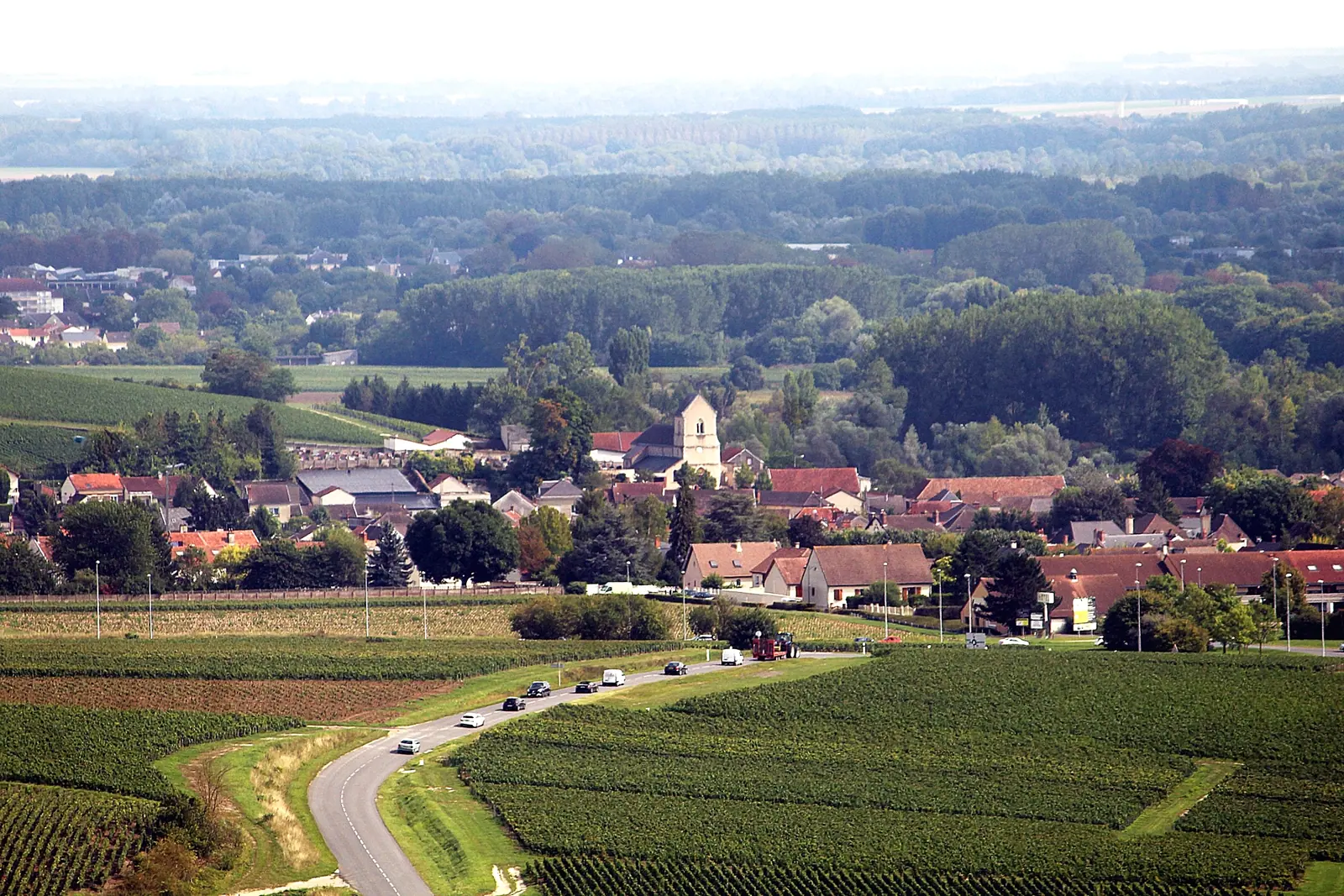
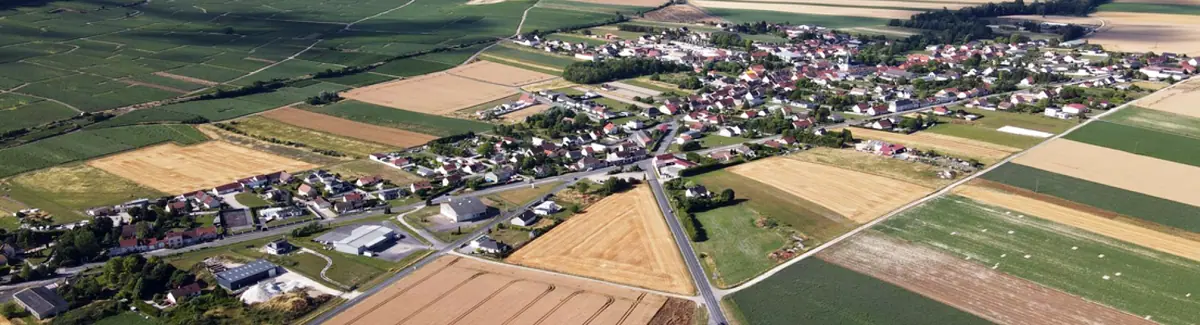 Bergères-lès-Vertus
The end of lees ageing
With the dégorgement, the yeast is removed from the bottle. The wine receives its liqueur d'expédition and its final cork. Autolysis ends at this point. The aromas that have formed by then are retained, however, and continue to develop in the bottle. For champagne with long lees ageing, people often speak of an autolytic character, which shows in the glass as pastry and nutty aromas. If you want to experience it deliberately, compare a young non-vintage champagne with a vintage champagne from the same house.
Pictures
 0 %
