
The lees (French <em>lies</em>) are the dead yeast cells that remain in the bottle after the second fermentation. During ageing they shape the aroma and texture of champagne.
The lees, lies in French, are the dead yeast cells that remain in the bottle after the second fermentation. In Champagne they are a central building block of style. Without long ageing on the lees there would be neither the typical brioche note nor the fine creaminess on the palate.
How the lees form
For the prise de mousse, the liqueur de tirage is added to the finished base wine, a mixture of sugar and yeast. The bottle is sealed, and the yeasts ferment the sugar into alcohol and carbon dioxide. Once they have finished, they die, sink to the bottom and settle as a fine sediment against the wall of the bottle. The wine then stays in contact with this deposit. It should not be confused with the sediment from the first fermentation, which is racked off the base wine in the cellar.
Autolysis: what happens on the lees
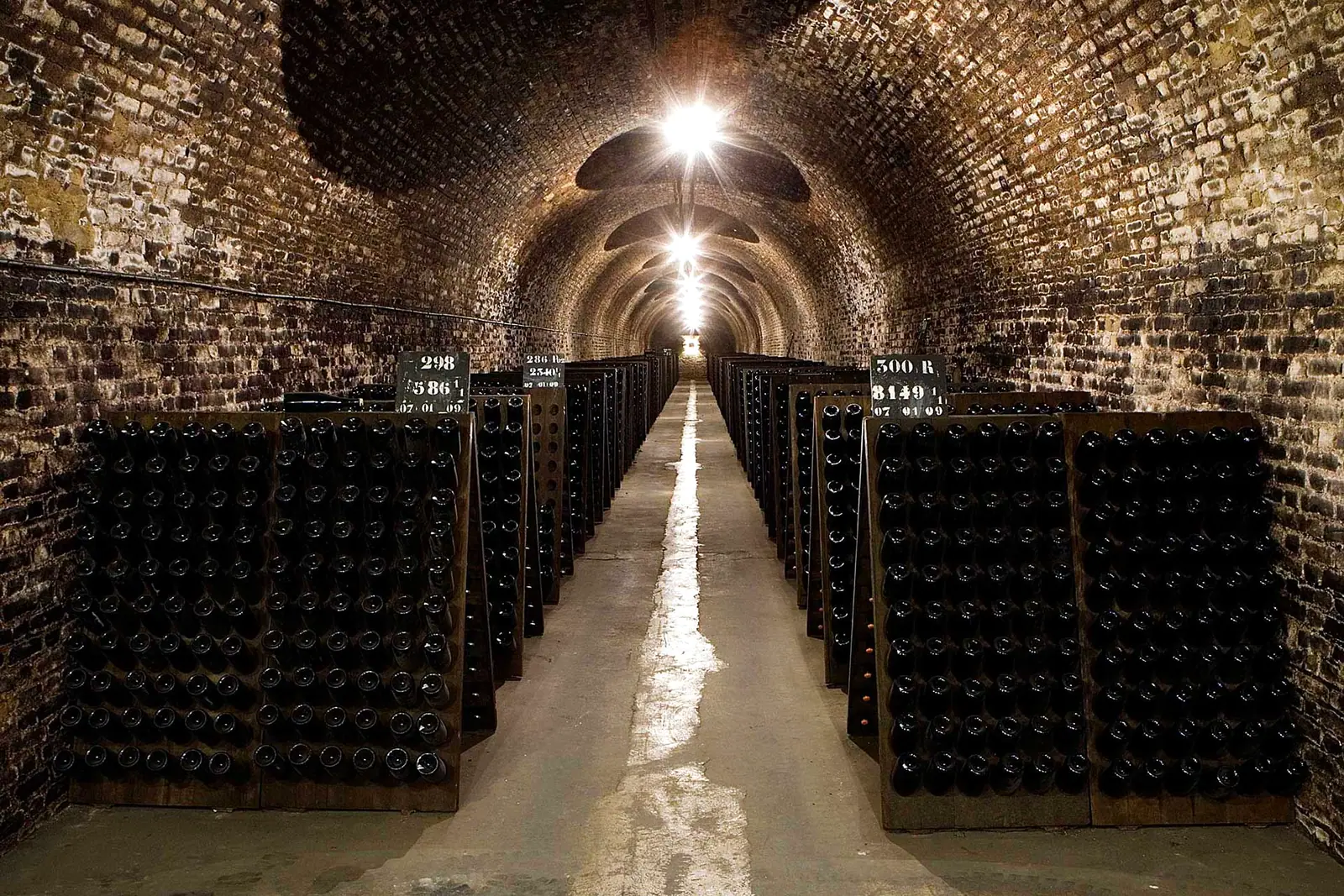
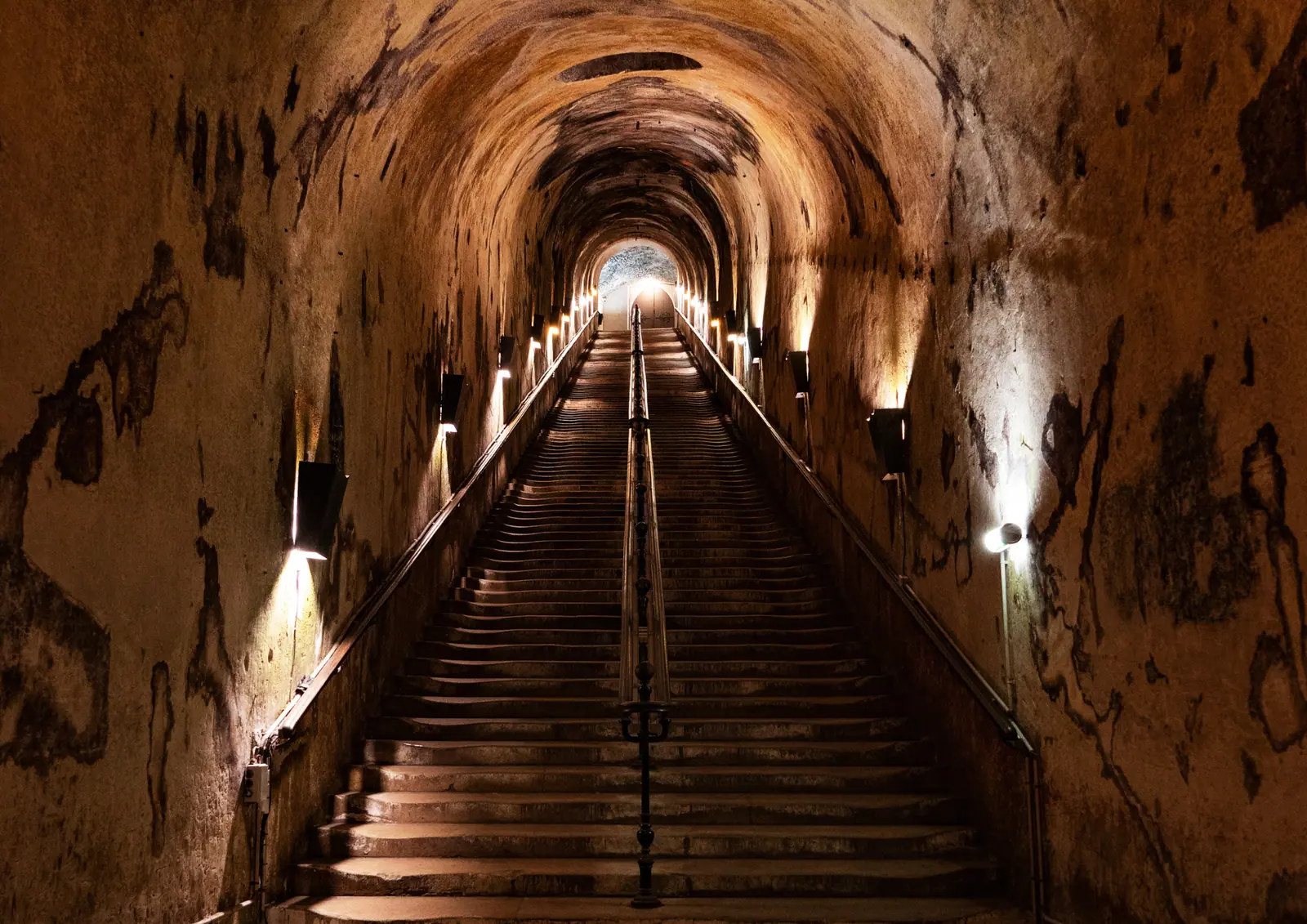
Over time the yeast cells break down, a process known as autolyse (autolysis). In the course of it, amino acids, peptides and mannoproteins, among other things, pass into the wine. They change aroma and texture. To the fresh fruit and floral notes are added brioche, toast, roasted nuts or bread dough. The mousse feels finer, the wine rounder and more layered. The lees also offer the wine a degree of protection from oxygen. All of this happens slowly in the cool darkness of the chalk cellars. You begin to notice it after months, and it only becomes properly pronounced after several years.
Non-vintage champagne must age for at least 15 months, of which at least twelve months on the lees.
Minimum times in the appellation
The rules of Champagne prescribe minimum ageing times. Non-vintage champagne must age for at least 15 months, of which at least twelve months on the lees. Vintage champagne needs at least three years on the lees. Many houses leave their wines considerably longer, because they hope to gain more depth and finesse from it.
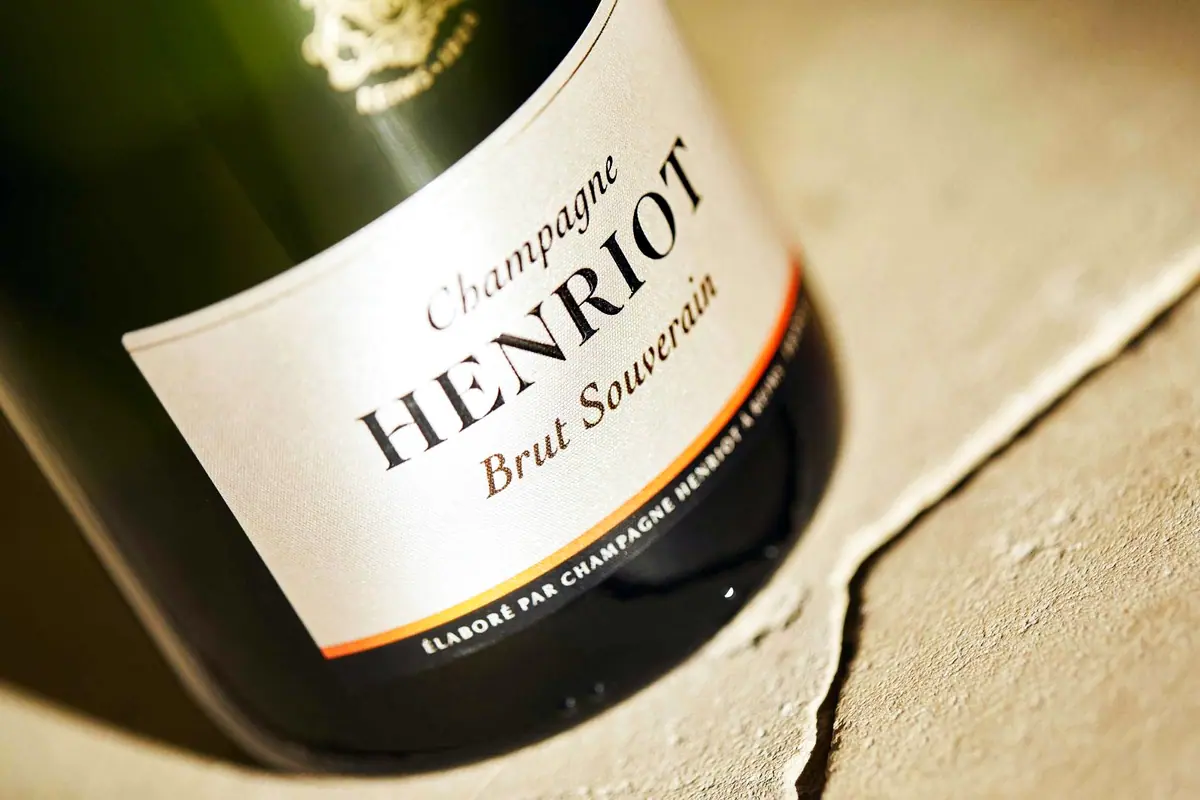 Henriot Champagne
Removing the lees
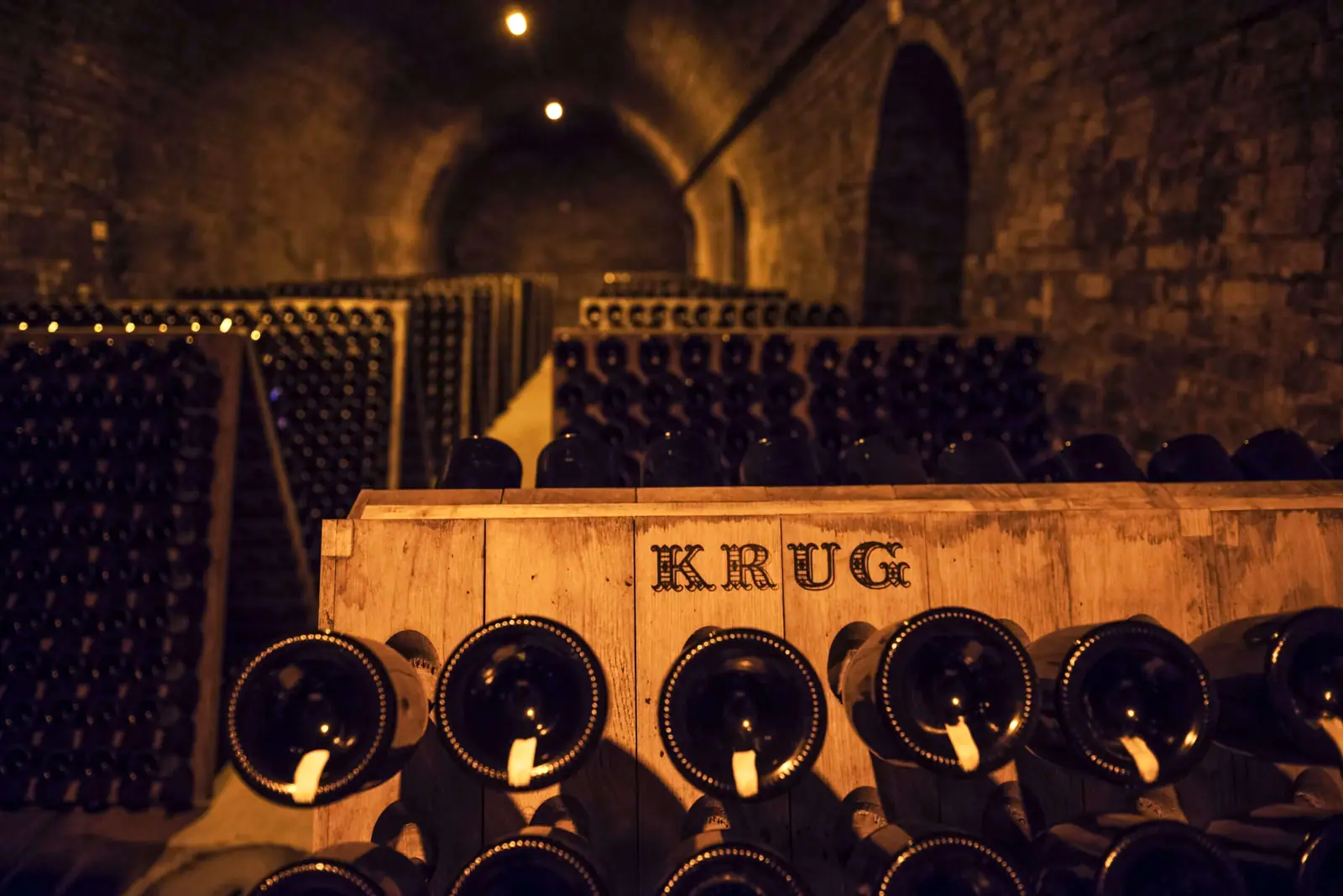
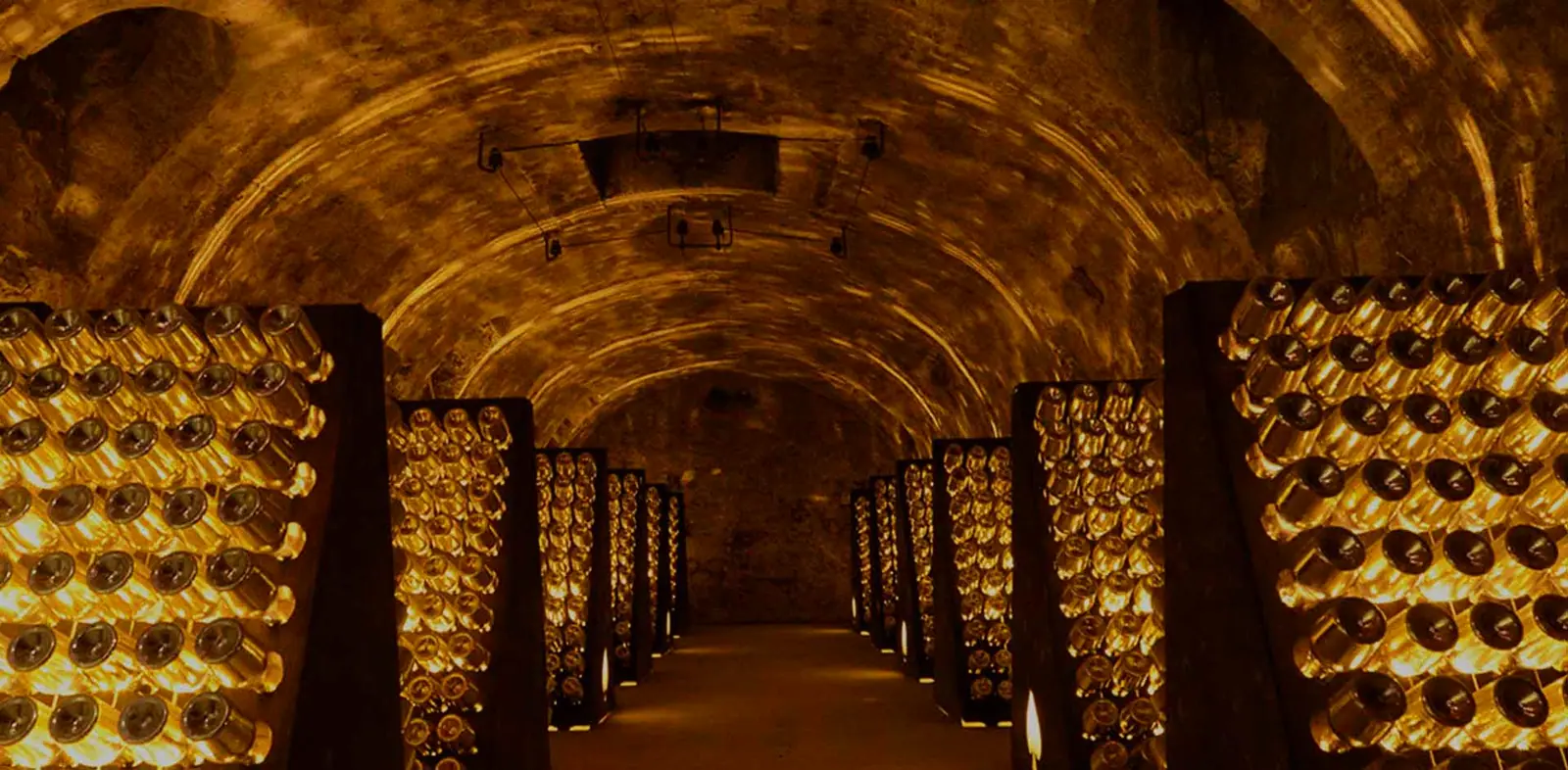
Before sale, the yeast has to leave the bottle. In remuage, the bottle is turned gradually over several weeks and set ever more steeply, traditionally by hand on the pupitre, today usually in a gyropalette. This moves the deposit into the neck of the bottle. At dégorgement, the neck is frozen, and the pressure of the carbon dioxide shoots out the plug of ice together with the yeast. Then come the topping up with the liqueur d'expédition (dosage) and the final cork. The disgorgement date shows how long the wine spent on the lees and how long it has rested in the bottle since. Some houses state it on the label.
Pictures

 0 %
