
The Méthode Champenoise, also known as the traditional method, is the way champagne is made, with the second fermentation taking place in the bottle. The bottles age on the lees for at least 15 months.
The Méthode Champenoise, also known as the traditional method, is the process used to make champagne
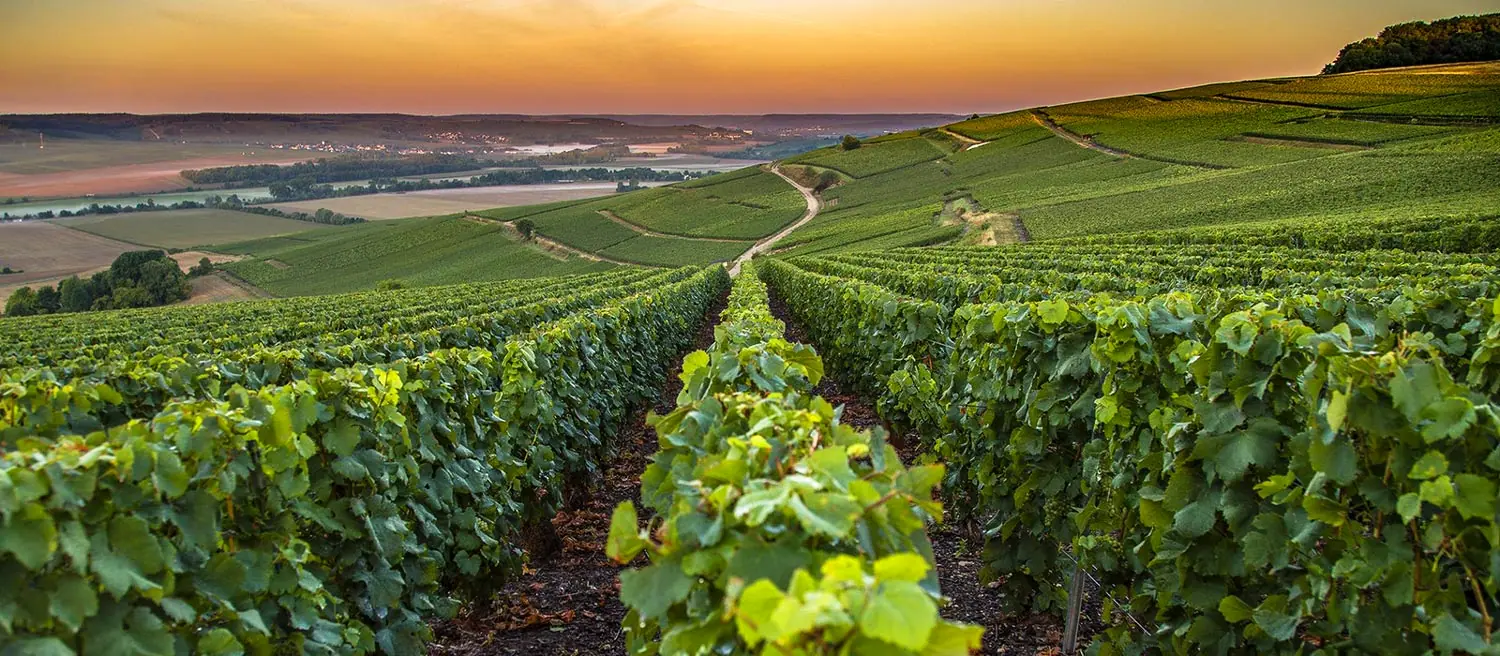
The method is famous for its complexity and for the quality of the wines it produces. The term "Méthode Champenoise" refers to the Champagne region of France, where the process originated and where champagne, the most noble of all sparkling wines, is made.
1. Origins and history
The Méthode Champenoise has its roots in the Champagne region, which has been known for its sparkling wines since the 17th century. The region was originally famous for its still wines, but sparkling wine came about through unintended fermentation in the bottle, which in the cold climate of Champagne produced natural carbonation. Over the years, growers and cellar masters have refined and perfected the method.
2. The production process
Making champagne by the Méthode Champenoise involves several stages and a number of complex steps:
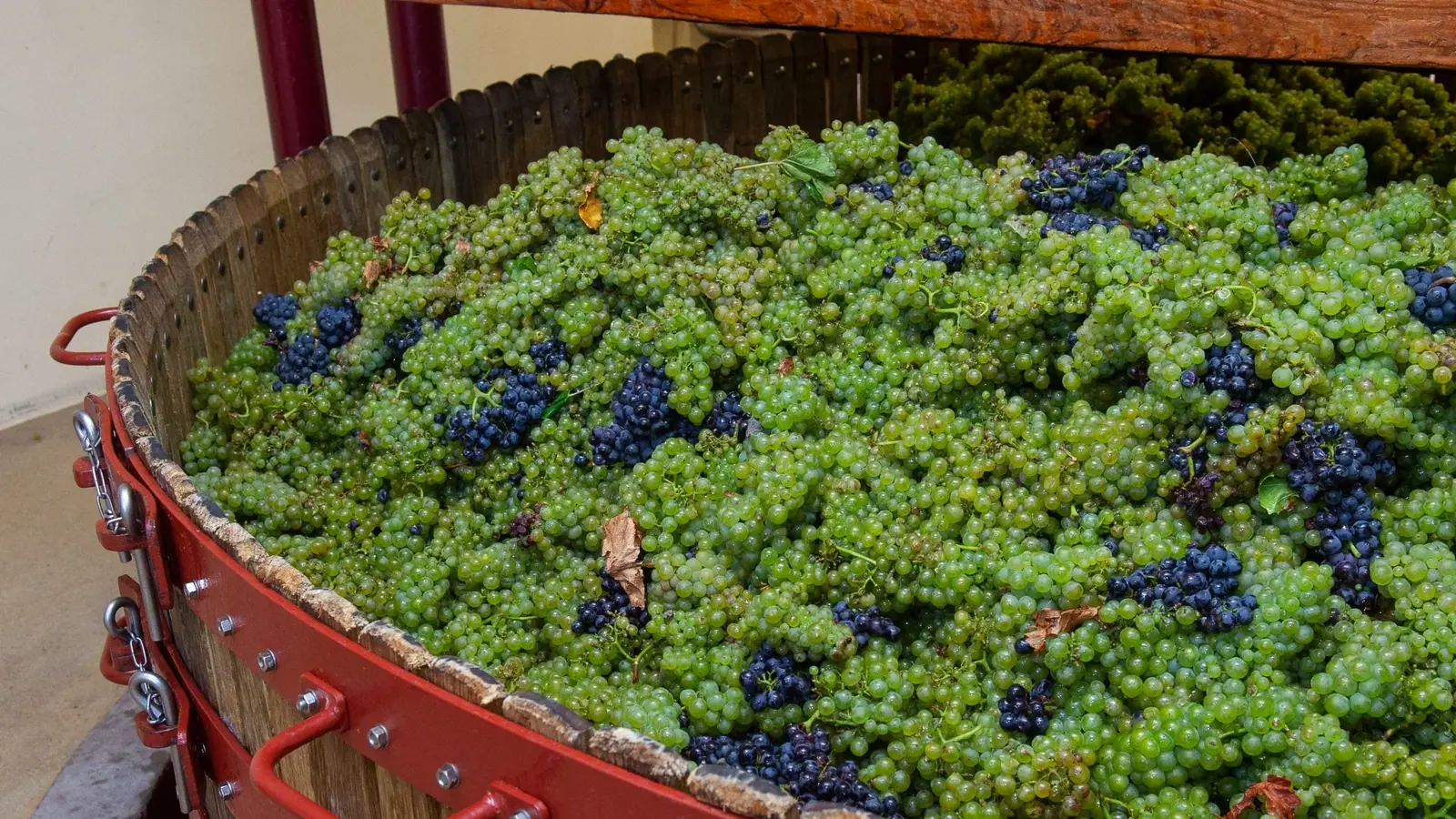
1. Harvest and pressing: The grapes used for champagne are mainly Chardonnay, Pinot Noir and Pinot Meunier. The harvest is usually done by hand, to keep the grapes in the best possible condition. After picking, the grapes are pressed, and the juice is fermented in stainless steel tanks or oak barrels.
2. First fermentation: The juice goes through a first fermentation, in which the sugars are converted into alcohol. This produces a still wine, the base wine for the second fermentation. During this stage, important aromas and structure develop that will later show clearly in the champagne.
3. Assemblage: After the first fermentation, the wines are blended in the assemblage stage. Different vintages and wines are combined to achieve the desired taste and character. The blend may also include a small amount of reserve wine, to ensure consistency and complexity.
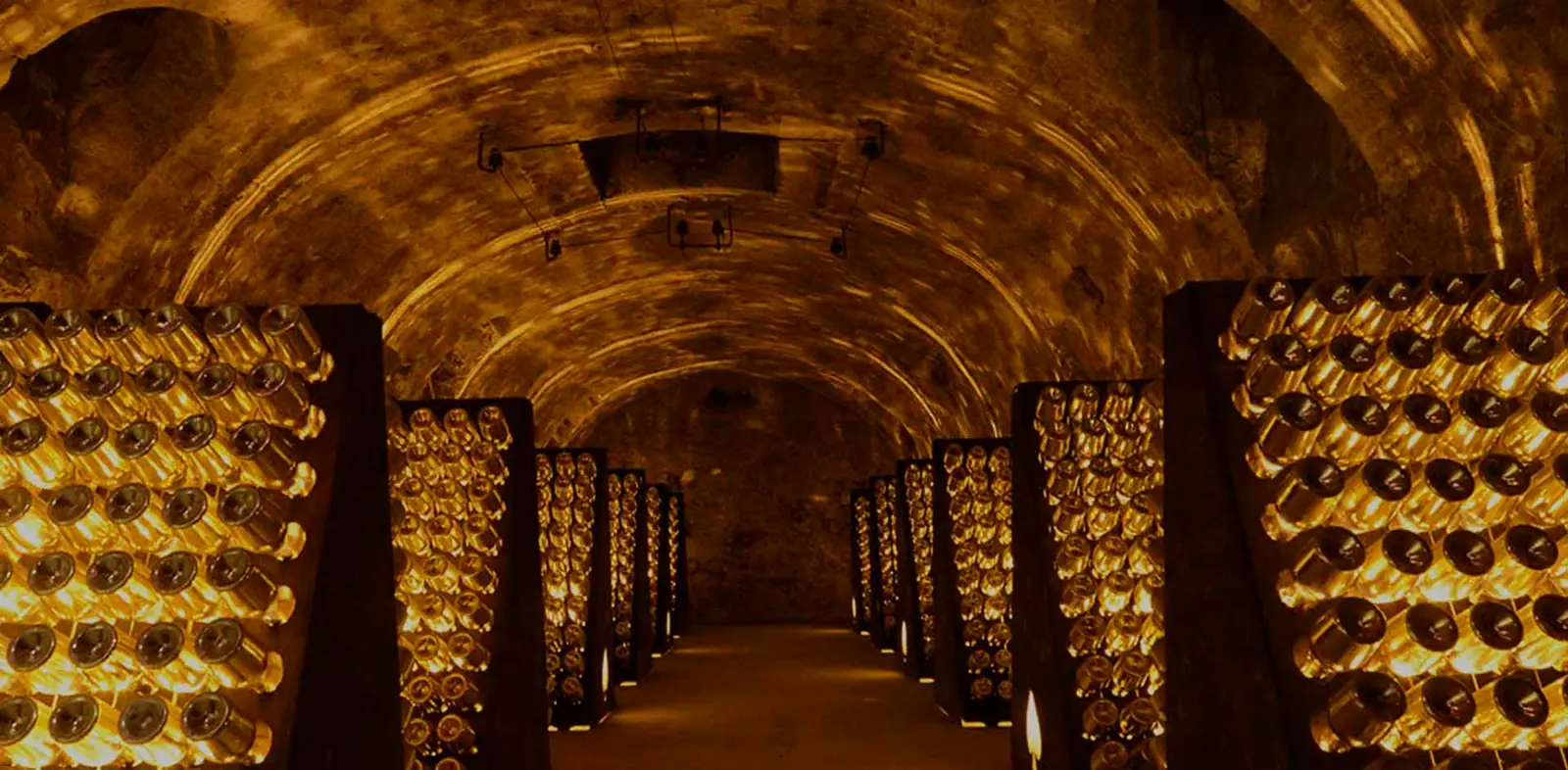
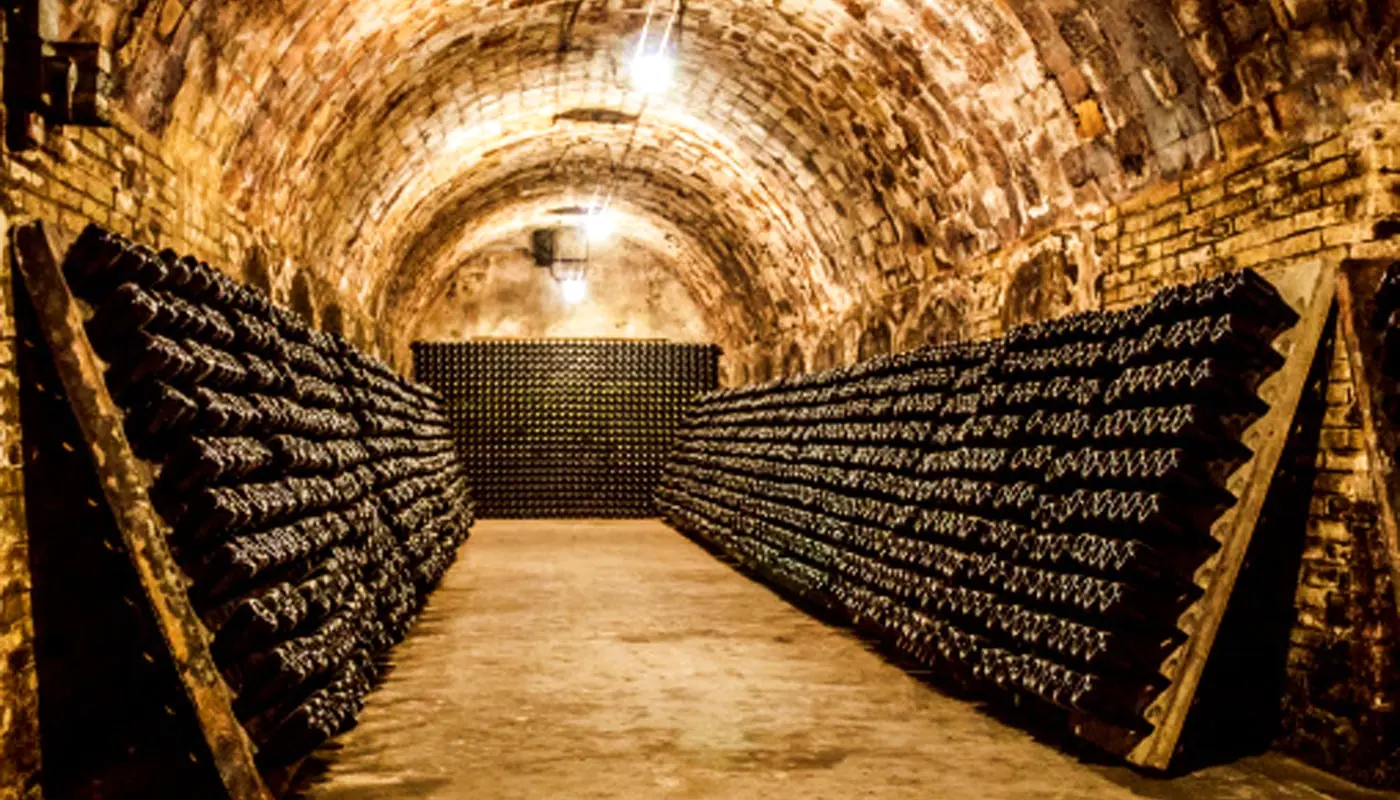
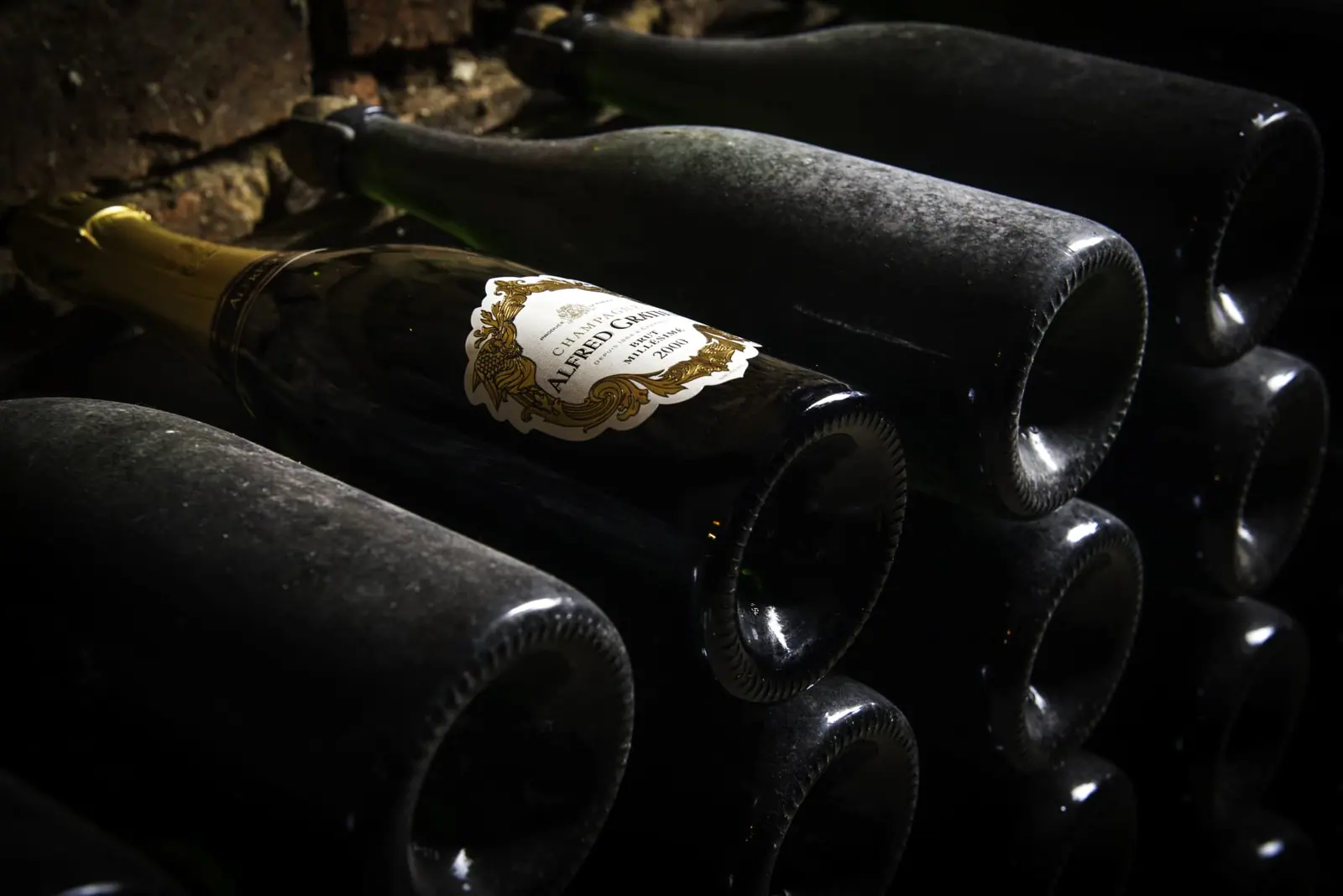
4. Second fermentation: The blended wine is then bottled with a mixture of sugar and yeast known as the "liqueur de tirage". This mixture starts the second fermentation in the bottle, which creates the carbon dioxide. The bottles are then sealed and stored, later to be placed on riddling racks (pupitres) to assist the process.
Over the years, growers and cellar masters have refined and perfected the method.2.
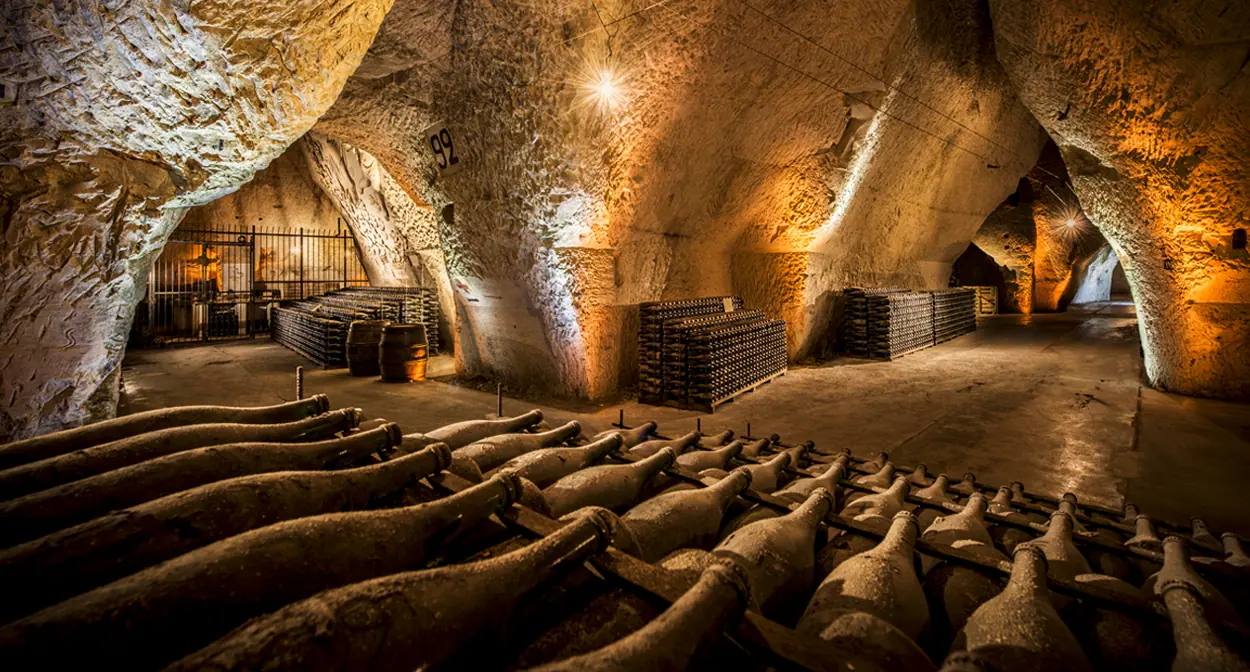
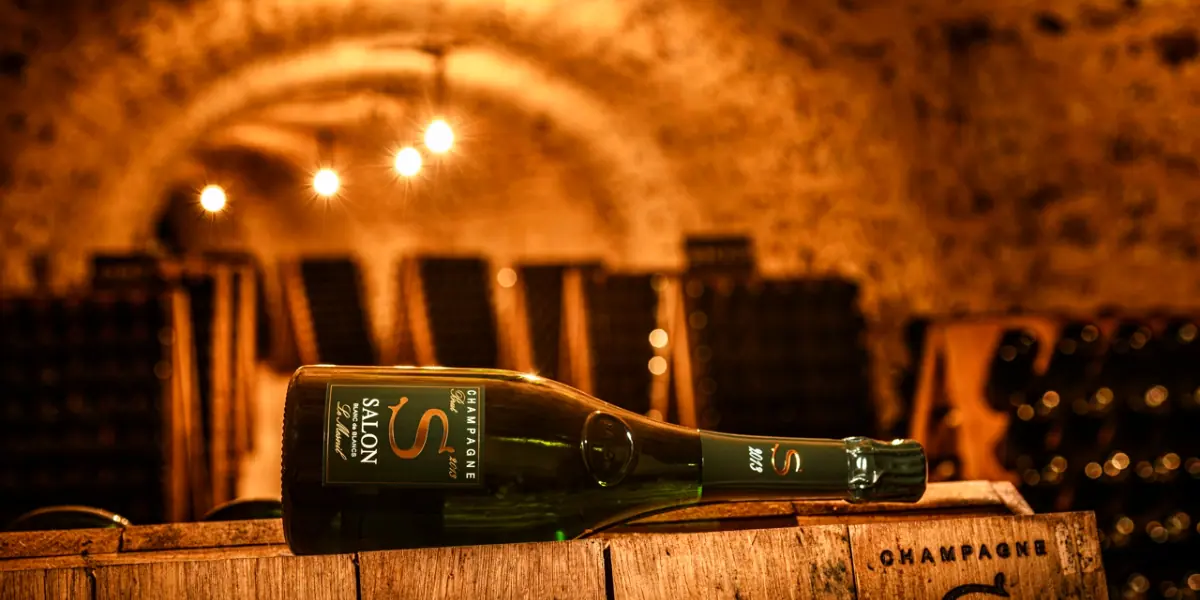
5. Ageing: The bottles age on the lees for at least 15 months, and usually considerably longer. During this time the champagne develops its characteristic aromas and its fine mousse. The lees add further complexity and depth to the flavour of the champagne.
6. Riddling (remuage): To remove the yeast sediment from the champagne, the bottles are slowly turned and tilted in special riddling racks. This can take several weeks and makes the sediment settle in the neck of the bottle.
7. Disgorgement (dégorgement): After riddling, the neck of the bottle is frozen so that the sediment collects in a plug of ice. The plug is then removed, and a mixture of wine and sugar, the "liqueur d'expédition", is added to the bottle. This fine-tunes the taste and the sweetness of the champagne, known as the dosage.
8. Corking: Finally, the bottle is sealed with a cork and a wire cage (muselet). The champagne is now ready for sale.
3. Influence on taste
The Méthode Champenoise shapes the taste of champagne in many ways. The second fermentation in the bottle gives a fine, persistent mousse and a creamy texture. The long ageing on the lees contributes to complex aromas, which can include notes of freshly baked bread, brioche, nuts and toast. The assemblage makes it possible to combine different flavours and vintages to create a unique profile.
4. Quality control and craftsmanship
The Méthode Champenoise demands a great deal of craftsmanship and care. Every step of the process affects the quality of the finished wine. The growers and cellar masters of Champagne put great weight on detail and experience, to make sure the champagne is of the highest quality. That includes choosing the best grapes, carrying out the fermentations with precision and handling every single bottle with care.
5. Significance and prestige
Champagne made by the Méthode Champenoise is regarded as one of the most prestigious sparkling wines in the world. The traditional process and the high quality make it a symbol of luxury and celebration. The name "champagne" is legally protected and may only be used for sparkling wines that come from the Champagne region and are made by the traditional method.
In summary, the Méthode Champenoise is a demanding and artful way of making champagne. It combines tradition, craftsmanship and a deep understanding of viticulture and winemaking. The result is a unique sparkling wine, valued around the world for its quality and exclusivity.
Pictures
 0 %
