
Reserve wines (<em>vins de réserve</em>) are still wines from earlier vintages that champagne houses and growers set aside to use later in the blend. They secure the consistent style of a non-vintage champagne.
Reserve wines are still, which means not yet sparkling, wines from past harvests. They are kept apart from the current vintage so that they can be used at the assemblage. The thinking behind them is simple: Champagne is a cool-climate region, and every year turns out differently. Sometimes taut acidity dominates, sometimes ripe, generous fruit. If you want to offer a recognisable non-vintage brut year after year, you need a way of evening things out.
What they are for
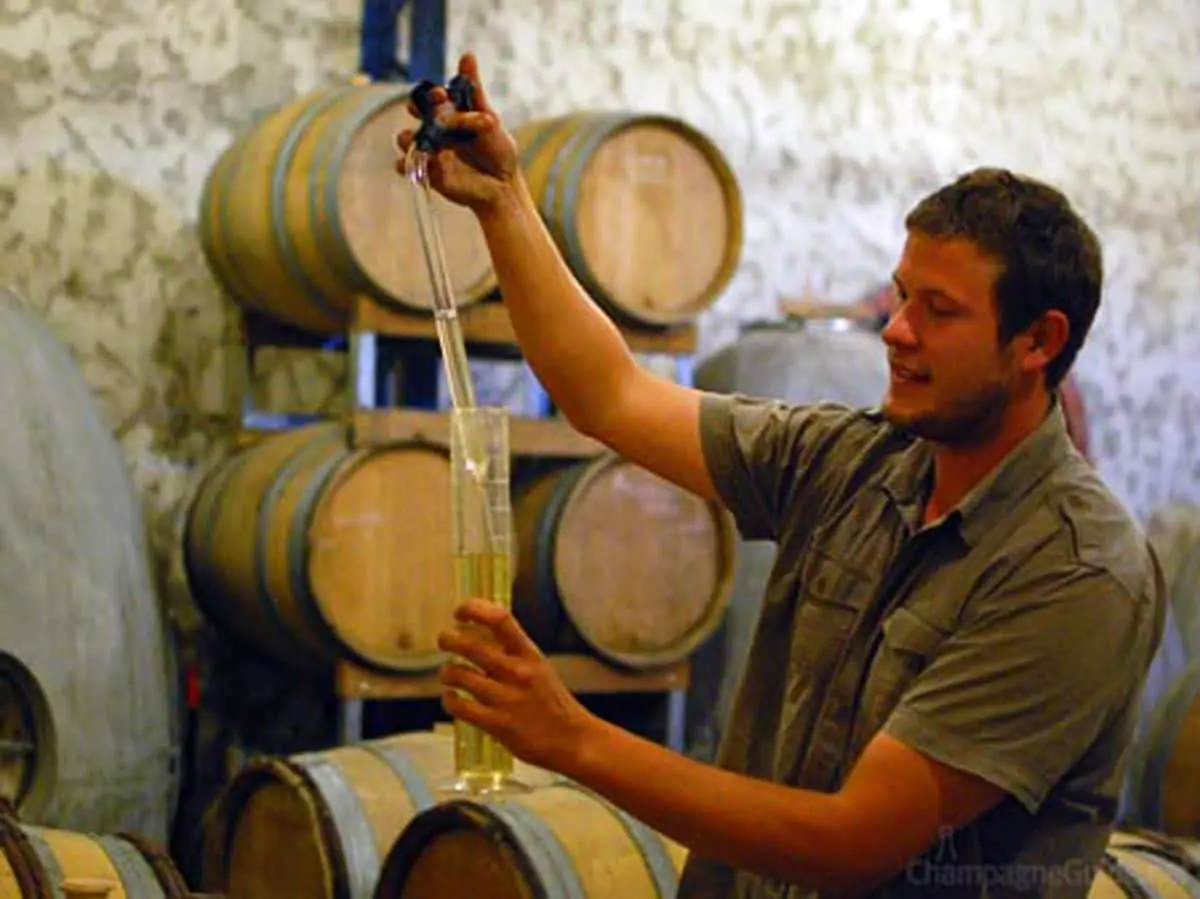
The cellar master blends wine from the most recent year with reserve wines and in this way steers freshness, ripeness and body. Young wines bring tension and fruit, while older reserves add depth, roundness and flavours of nuts, dried fruit or brioche. How large the share is is each house's own decision, and it varies with the style and the quality of the harvest year. Vintage champagne, by contrast, comes essentially from a single year and is meant to show that year's character.
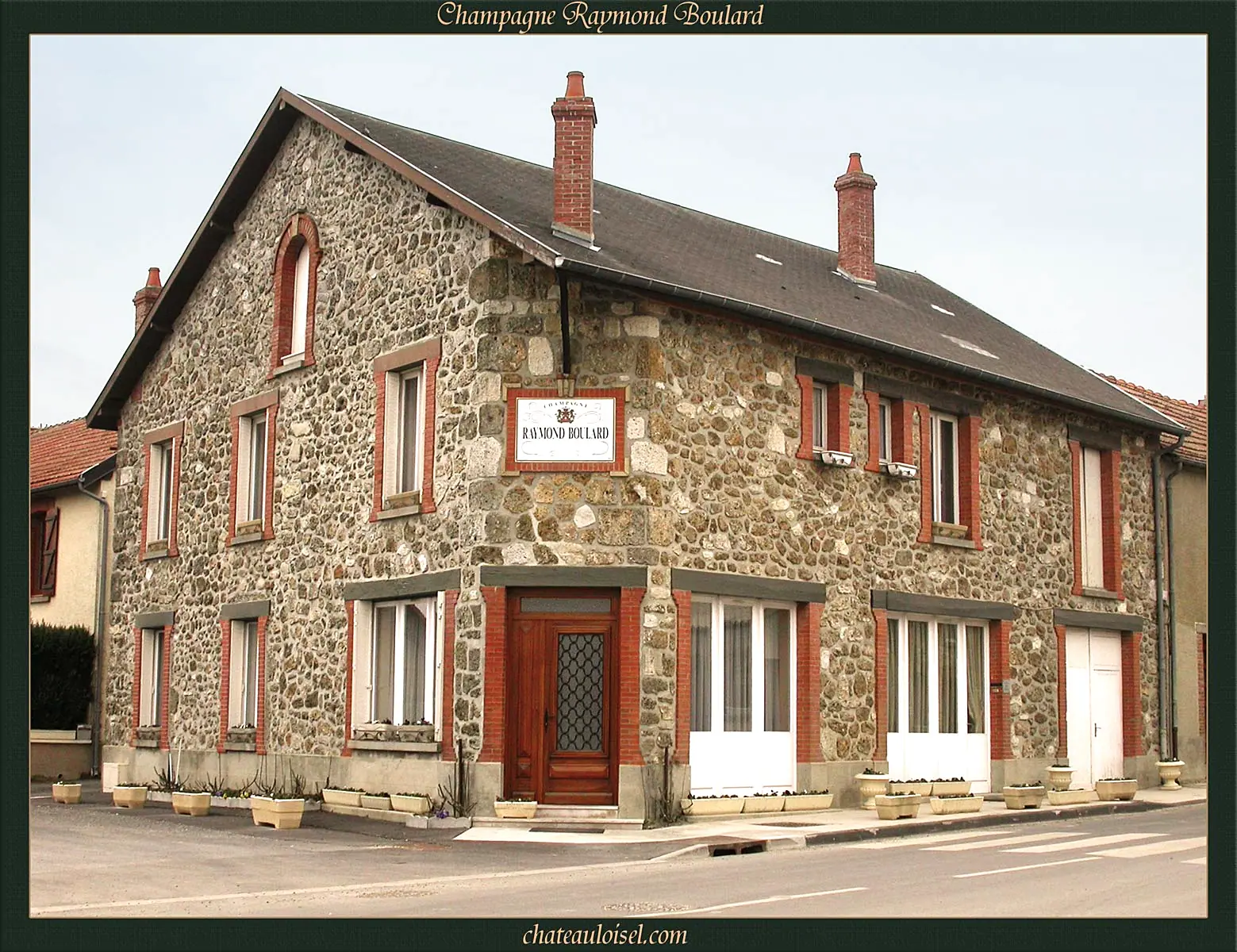
Storage and methods
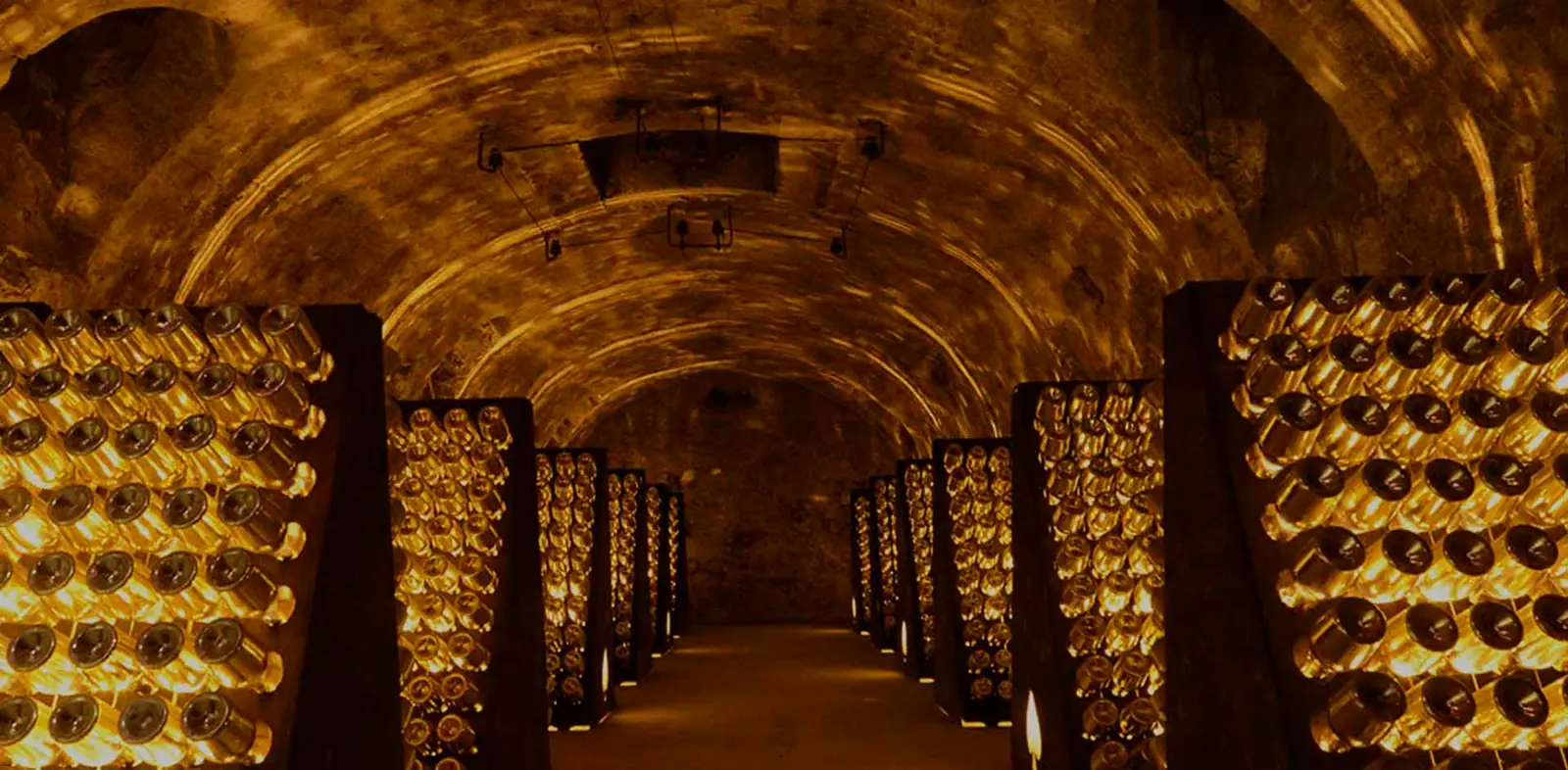
Reserve wines usually mature in stainless steel tanks or in wooden casks. Some houses also bottle them, for instance in magnums sealed with natural cork, so that they stay fresh and develop slowly. One special case is the réserve perpétuelle: a vessel is never emptied completely, but each year part of it is drawn off and topped up with new wine. Over many years this builds up a blend of numerous vintages, much like the solera principle from Spain.
The legal framework
In Champagne, yields per hectare are limited. The trade body CIVC decides every year how much wine producers may sell and how much more they may hold back in an individual quality reserve. This allows good harvests to be saved for lean years. The reserve is therefore not only a stylistic tool but also a buffer against frost, hail and crop failures.
 Finish
What it means in the glass
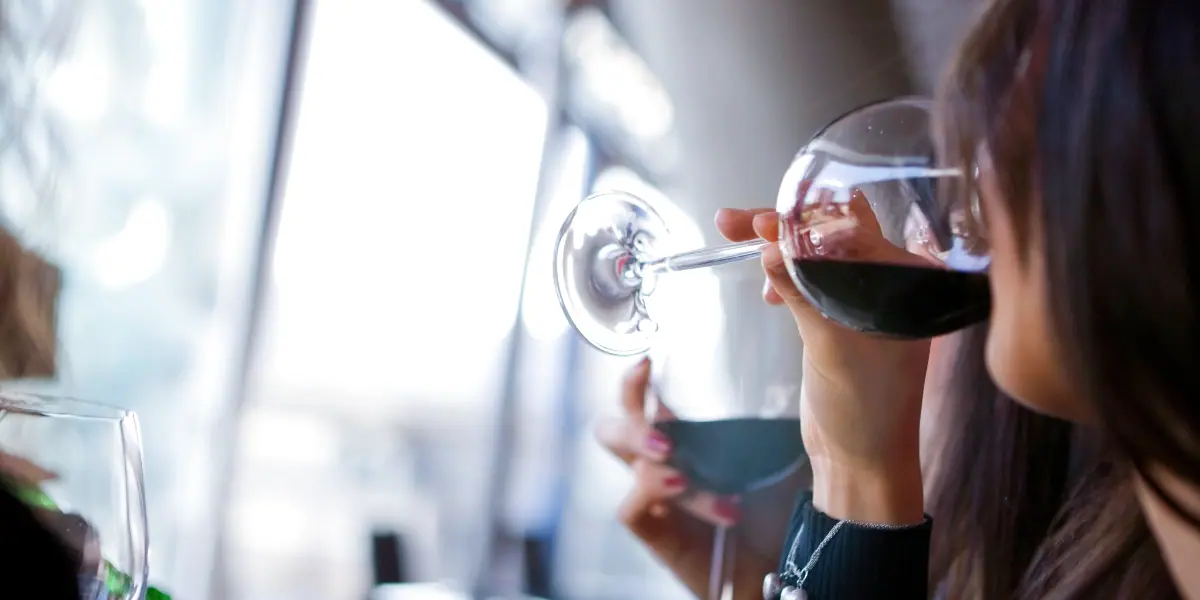
When the label says nothing about a vintage, the bottle often holds a piece of cellar history. The share of reserve wines explains why a champagne from the same brand tastes familiar over the years and yet is never quite identical. If you taste the entry-level cuvées of several houses side by side, the degree of maturity and spice will often show you how generously each one works with its reserves.
Pictures
 0 %
