
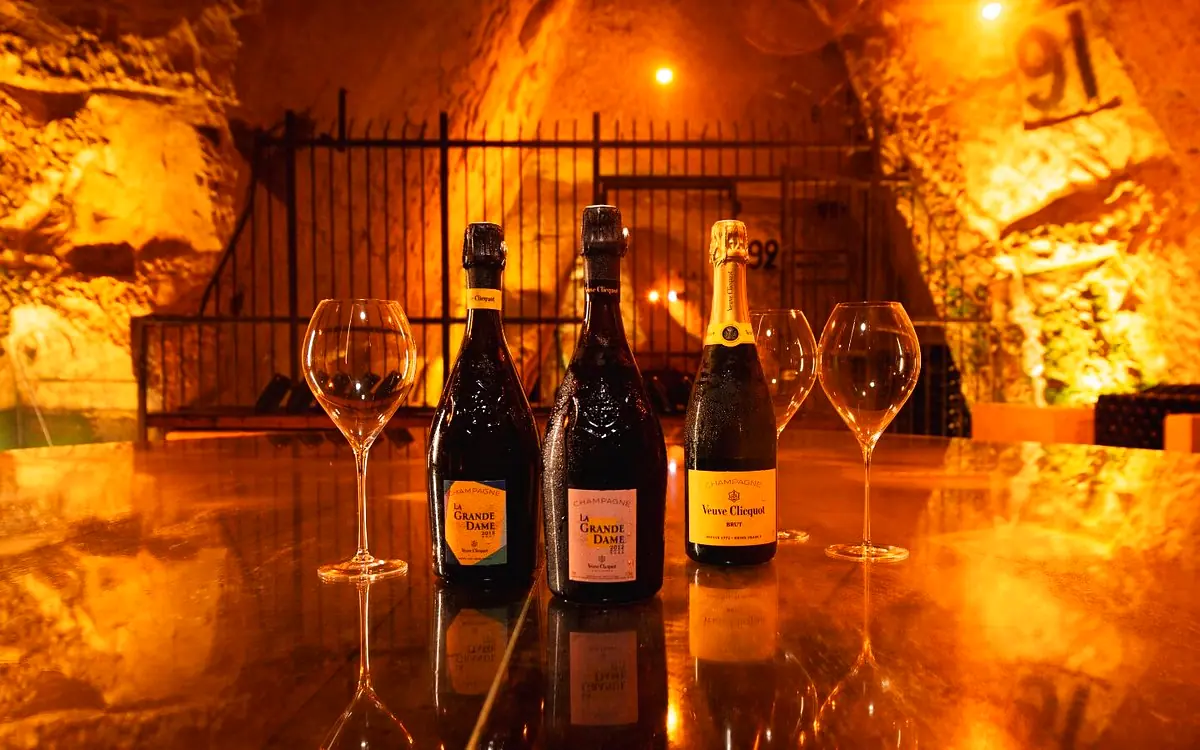
Bar is the unit in which bottle pressure is measured, and 1 bar is roughly the air pressure at sea level. Thanks to the second fermentation in the bottle, champagne sits at around 5 to 6 bar.
Bar and pressure: what do they mean?
1. Bar:
In the world of champagne, "bar" refers to the pressure inside the bottle. Pressure is an essential part of champagne, because it creates the perlage (the fine bubbles). It is measured in bar, where 1 bar corresponds roughly to the air pressure at sea level.
Champagne normally has a pressure of around 5 to 6 bar, which is more than double that of a car tyre. This high pressure comes from the second fermentation in the bottle, which produces carbon dioxide. The quality of a champagne is often judged by the fineness and persistence of its perlage, and this pressure plays a key role in both.
2. Pressure
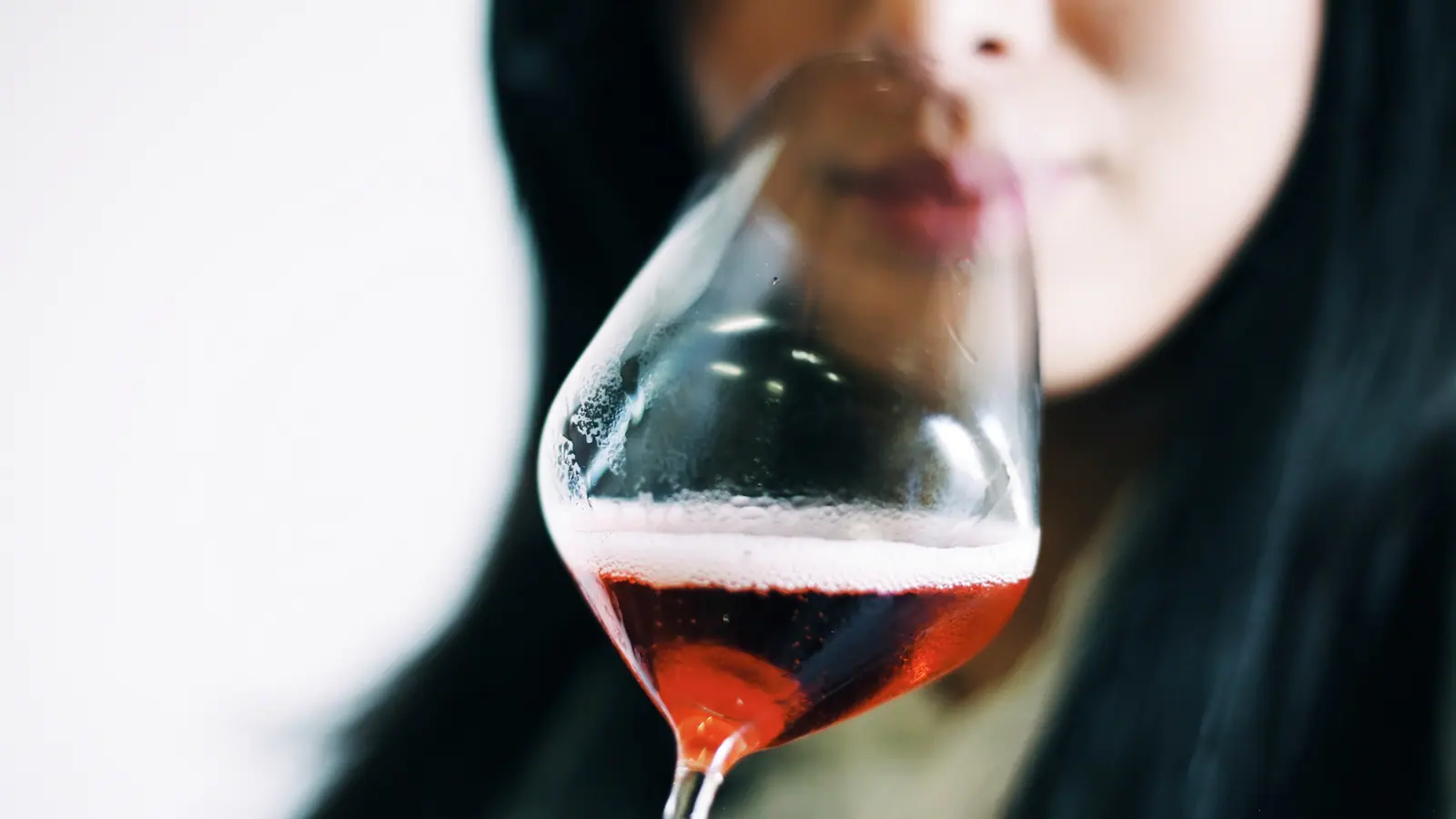
The pressure in the bottle has a considerable effect on how champagne tastes and feels. Higher pressure means a more intense perlage, which adds to the prickling sensation on the tongue. This can improve the mouthfeel of the champagne and bring out its aromas in a different way.
Pressure also affects how the bubbles unfold and how they interact with the palate. A champagne with higher pressure can feel livelier and more sparkling in the glass.
The quality of a champagne is often judged by the fineness and persistence of its perlage, and this pressure plays a key role in both.2.
Influence on harvest and production
The timing of the harvest and the way the wine is made have a direct influence on the pressure in the champagne. At harvest, the grapes are carefully selected to ensure the desired quality and the right levels of sugar and acidity. The second fermentation, which takes place in the bottle, is decisive for how the pressure develops. Its length and conditions determine how much pressure builds up and how the bubbles evolve.
The role of pressure in different champagne styles
There are different styles of champagne, and they can show different levels of pressure:
- Brut: This style has the highest pressure and is the driest form of champagne. The high pressure underlines its freshness and liveliness.
- Demi-Sec: Somewhat less dry than Brut, with a slightly sweeter taste. The pressure is still relatively high, but less intense.
- Extra Brut: Very dry, with a very high pressure that leads to a pronounced perlage.
- Sec: Sweeter than Demi-Sec, but the pressure stays high enough to keep the bubbles lively.
Conclusion
Pressure, both as a measurement in bar and as the force that creates the bubbles, plays a central role in defining champagne. The perfect balance between pressure and flavour is the result of careful winemaking and terroir. When choosing a champagne, consider the pressure as an important factor, as it can shape the drinking experience considerably. Whether you prefer a lively Brut or a velvety Demi-Sec, the pressure in the bottle contributes decisively to the quality and enjoyment of the champagne.
Pictures



 0 %
