
The caudalie is a unit for measuring how long a wine lingers in the mouth: one caudalie equals one second during which flavour and aromas persist after swallowing.
One second of finish
The term caudalie describes how long the flavour of a wine stays in the mouth after you have swallowed or spat it. One caudalie equals one second. The word comes from the Latin cauda, meaning tail: it refers to the trail a wine leaves on the palate. In French you will usually hear longueur en bouche or persistance aromatique, while in English we simply talk about the finish or the length.
How to measure it
You start counting from the moment the mouthful has left your mouth. You count the seconds during which aromas and flavour impressions are still clearly perceptible, such as fruit, toasty notes, saltiness or acidity. The method is subjective and more a tasting aid than a laboratory value. How precisely anyone counts depends on practice, how they feel on the day and the temperature of the wine. As a rule of thumb, the longer the finish, the higher the quality is judged to be, provided it stays pleasant. A finish that fades away bitter or coarse is not improved by being long.
Caudalie in champagne
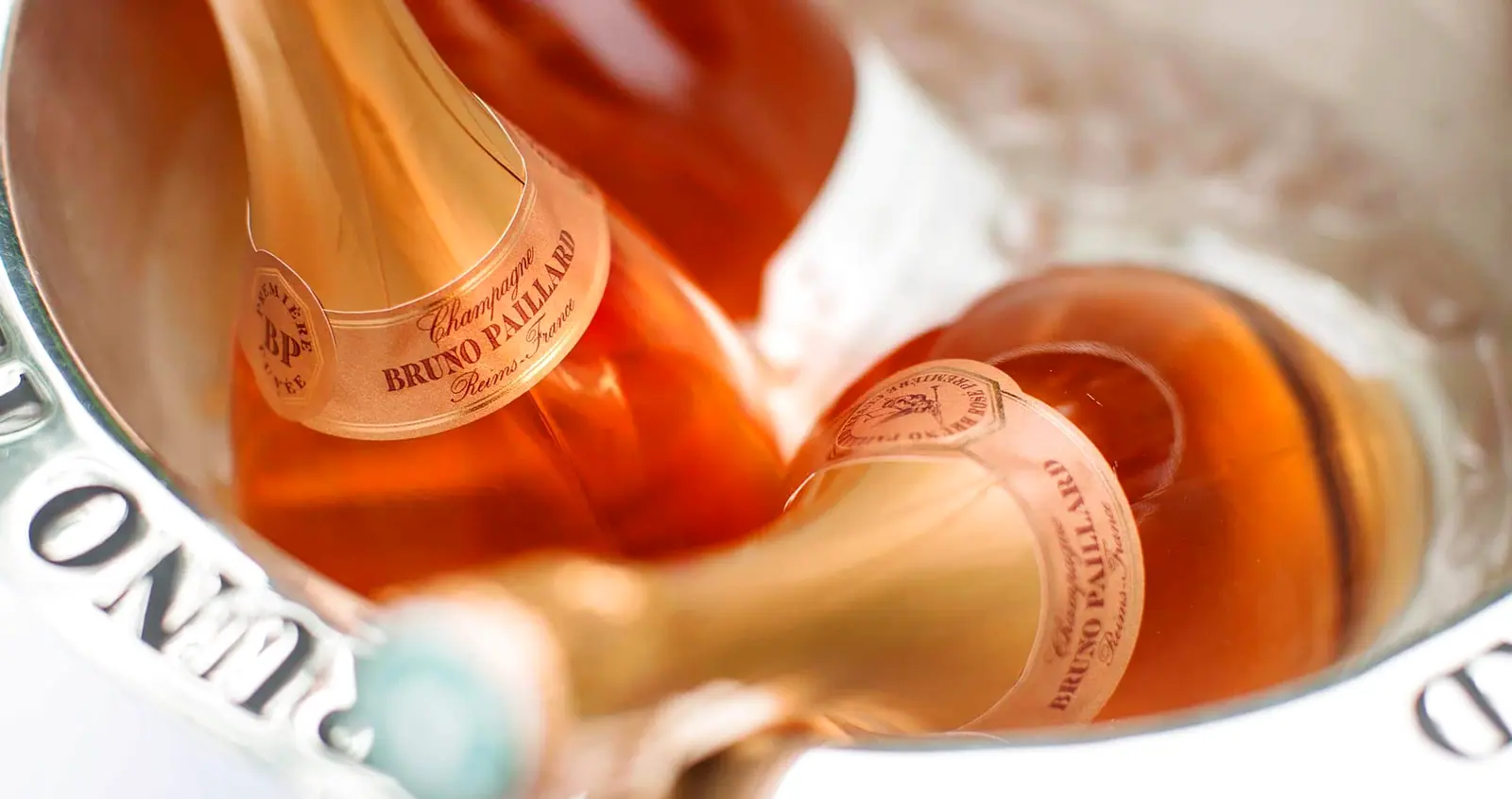
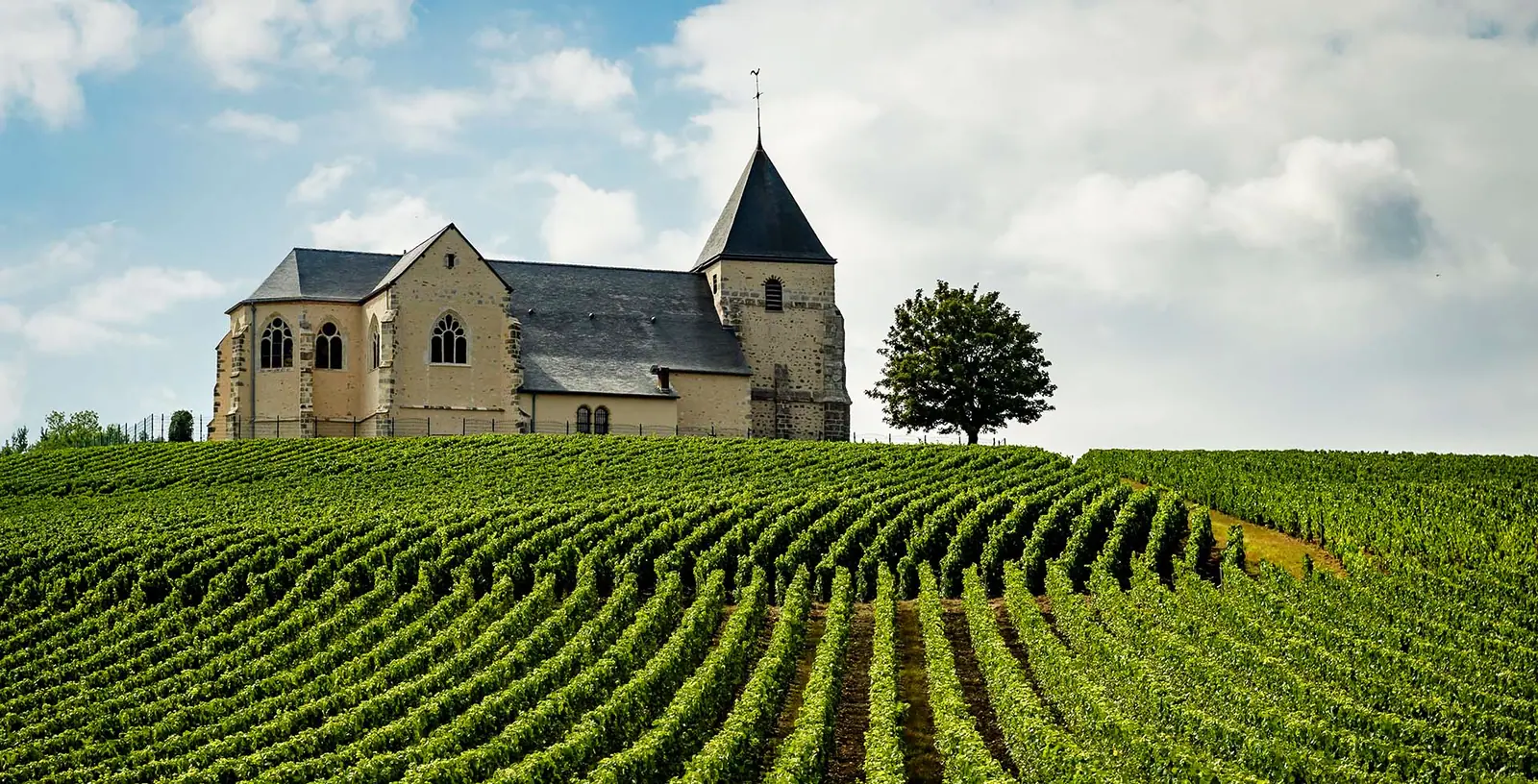
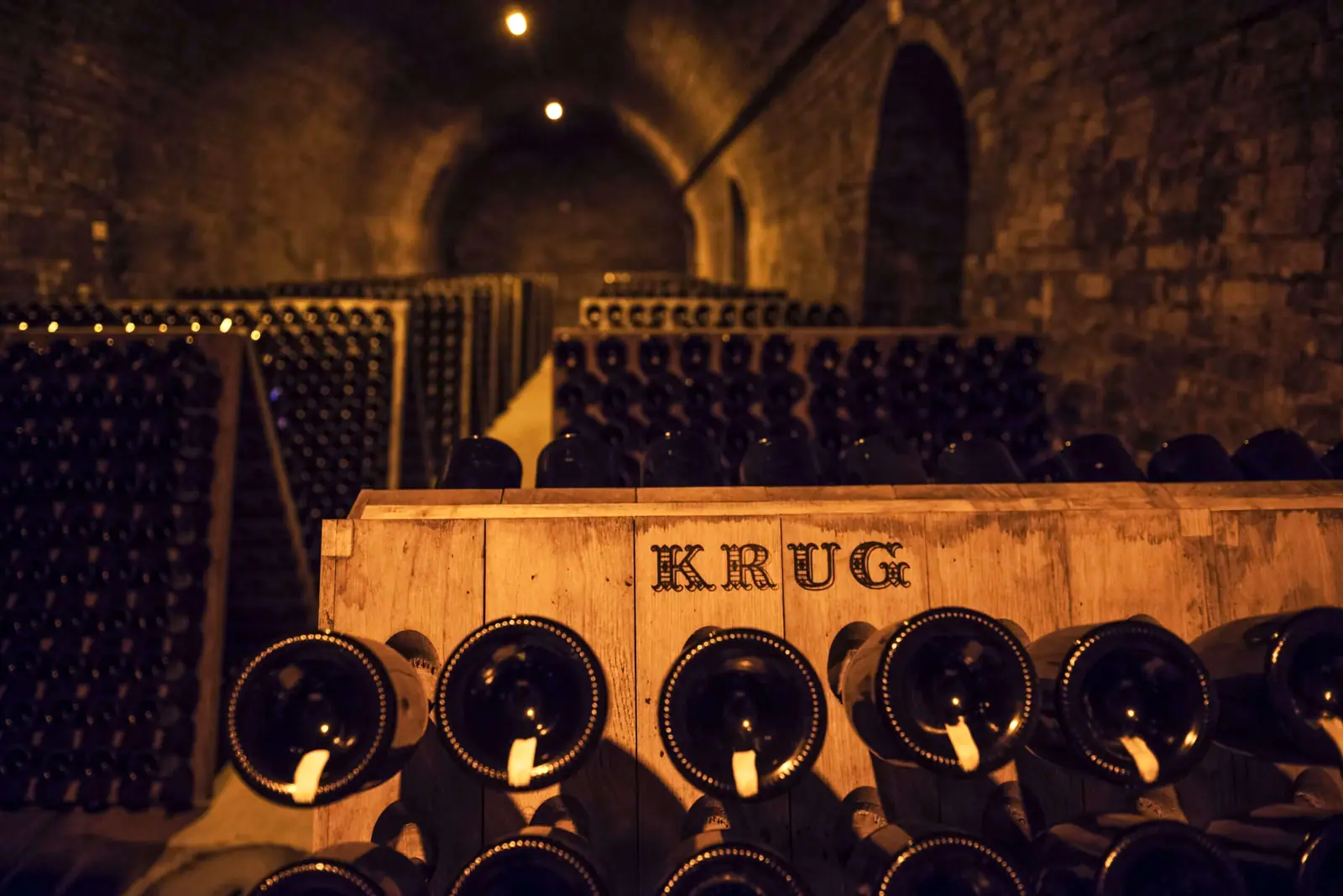
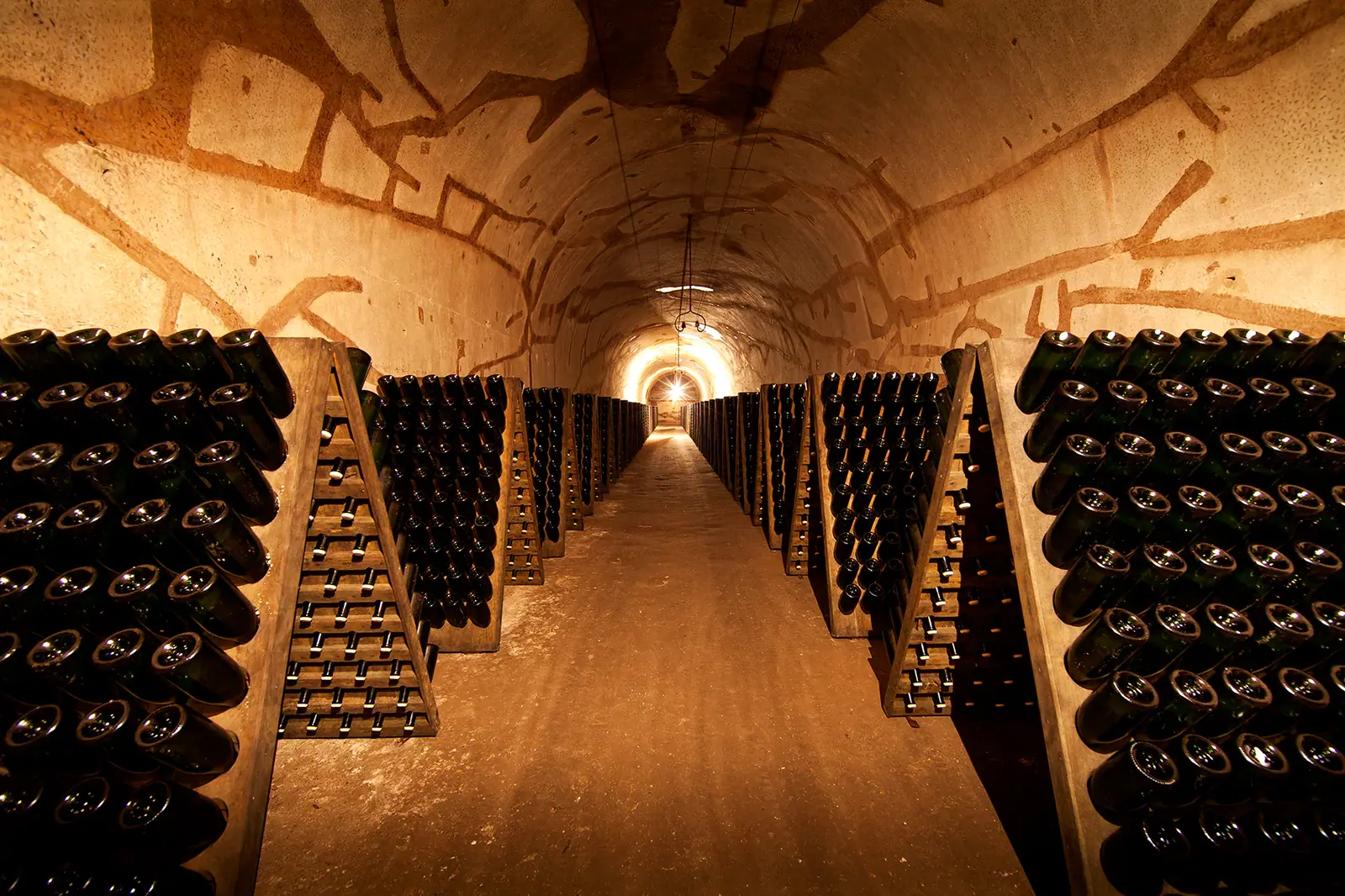
In champagne, length shows particularly clearly because several factors come together: acidity, minerality, the mousse and the aromas from lees ageing. A champagne that has been allowed to age sur lie for a long time often brings notes of brioche, nuts or toasted almonds that echo on the palate. The chalk soils of the Champagne region are also often associated with a taut, saline-seeming finale that pulls the flavour along and keeps it fresh.
As a rule, simple non-vintage cuvées have a shorter finish than vintage champagnes or cuvées de prestige. This is not a fixed rule, as a well-made non-vintage grower champagne can also linger surprisingly long. The dosage plays a part too: a very low sugar addition lets the acidity come through more strongly, while a higher one rounds off the finish.
Not to be confused with
Caudalie is also the name of a cosmetics brand from Bordeaux. It shares nothing with the tasting unit except the name. If you would like to count along with your next glass of champagne, wait after the sip and watch how the flavour changes second by second. It is often in the finish that you can tell whether a wine merely pleases or also has depth.
Pictures

 0 %
