
Complexity describes the layered character of a champagne: many aromas and flavours that complement one another and change in the glass. What counts is how they work together, not the mere number of notes.
A complex champagne does not show everything at once. On the first sniff, citrus fruit may dominate; after a few minutes brioche and almond join in, later honey or fine spice notes. Complexity describes exactly that: how many aromas and impressions a wine offers, how they arrange themselves and how they change over time.
Where the layers come from
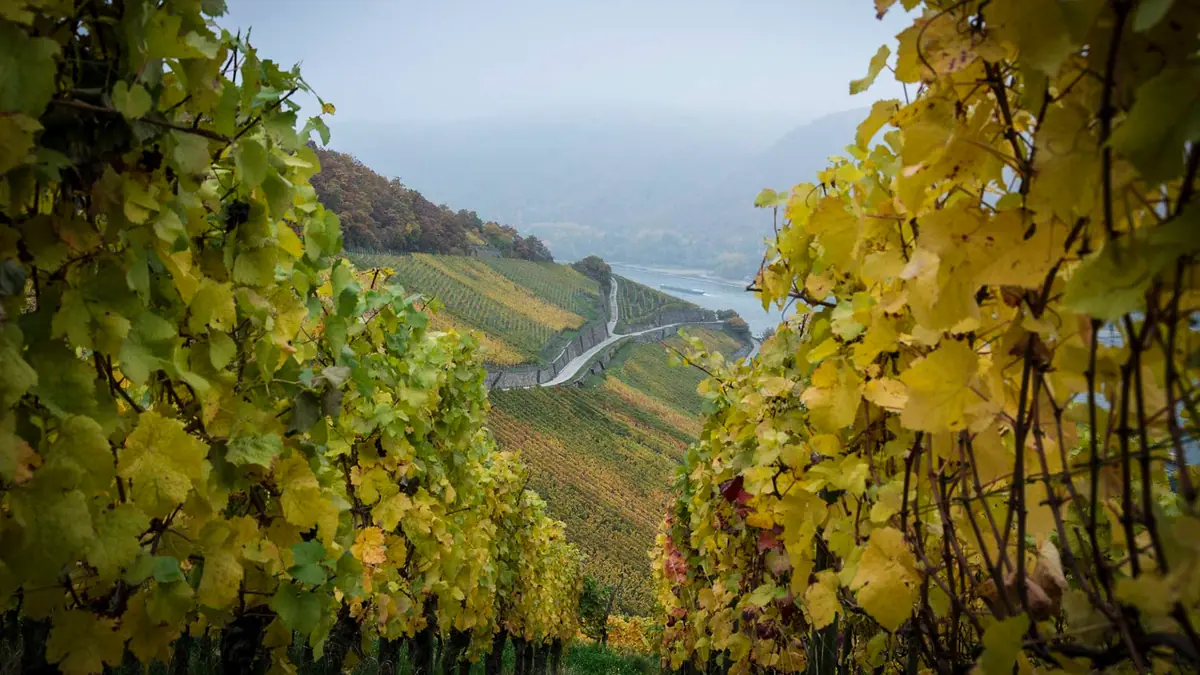
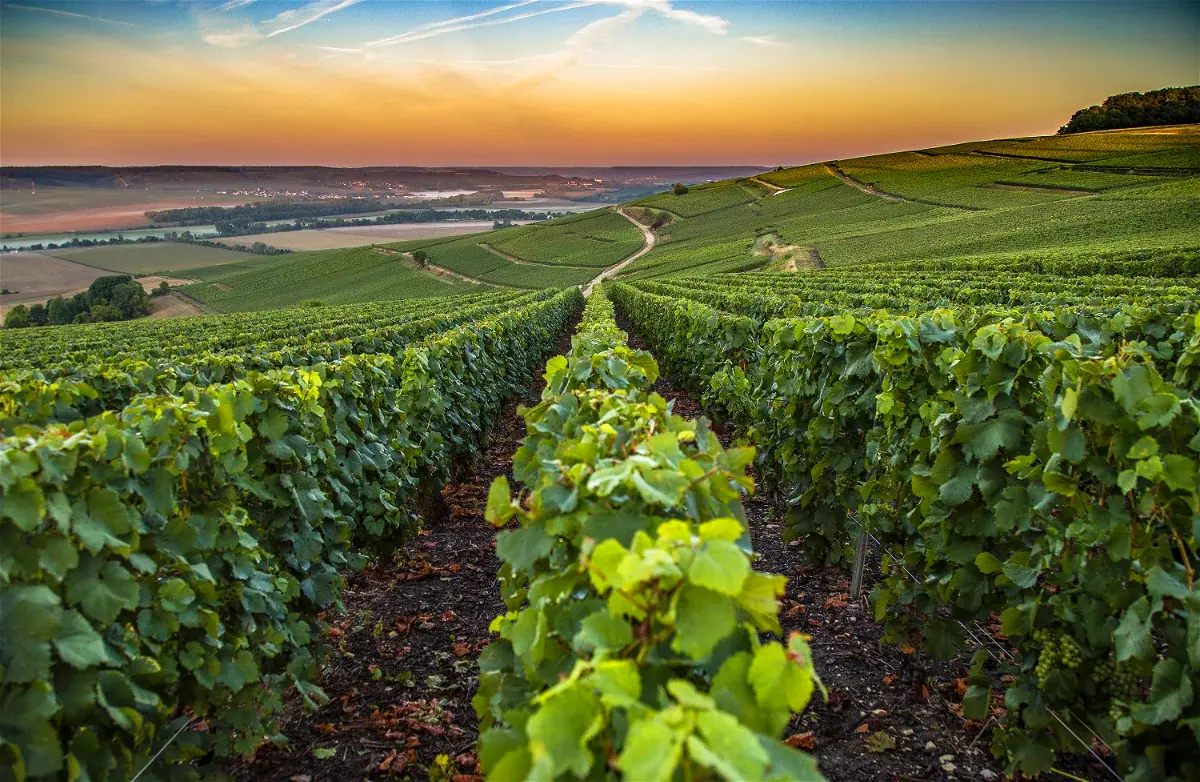
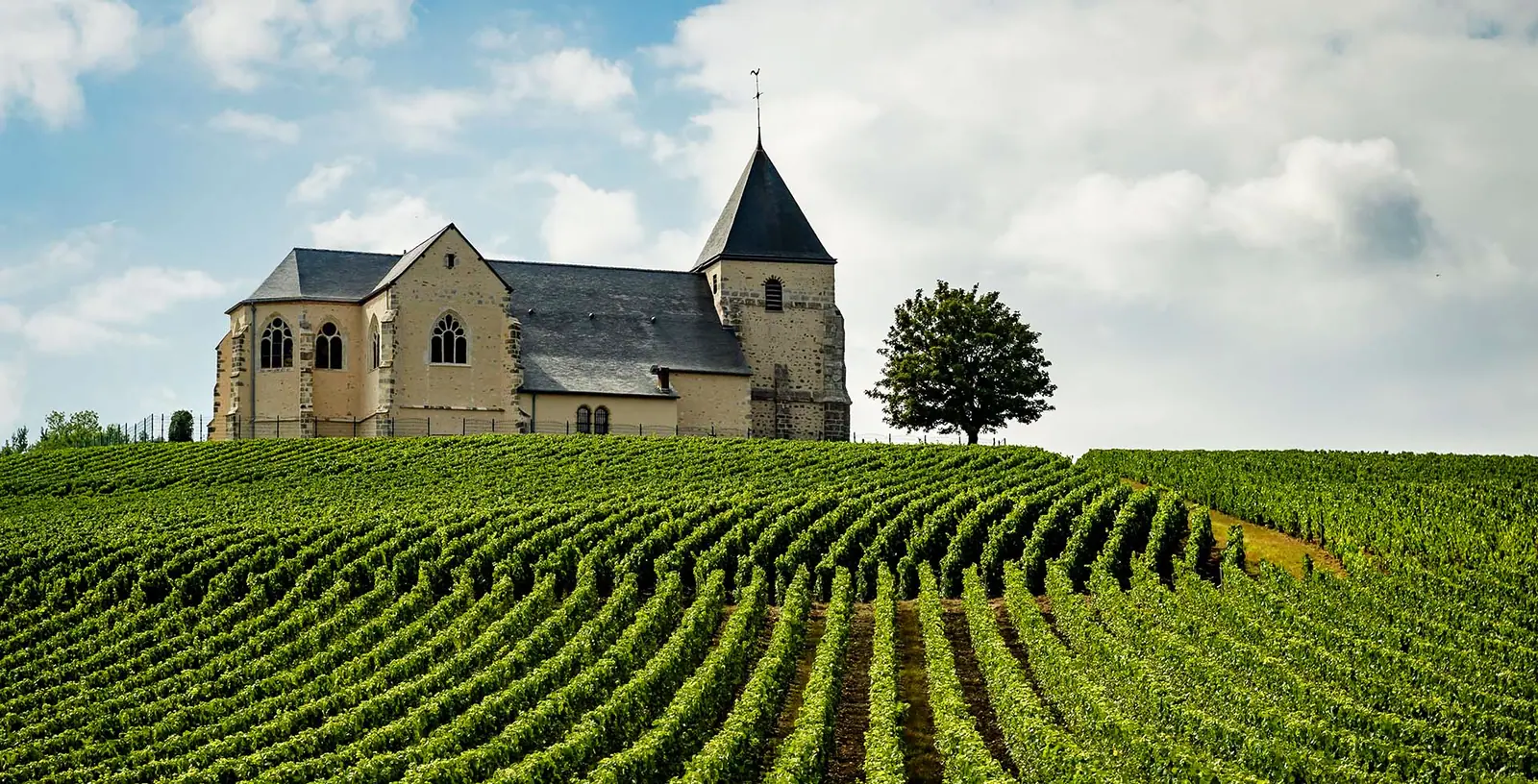
The foundation is laid in the vineyard. Chardonnay, Pinot Noir and Pinot Meunier each bring their own qualities, and to that you add different sites and the chalky soils of Champagne. In the cellar, the cellar master builds the assemblage from them. He blends wines from different plots, grape varieties and often different vintages too. Vins de réserve give particular depth: older wines that lend the cuvée maturity and composure.
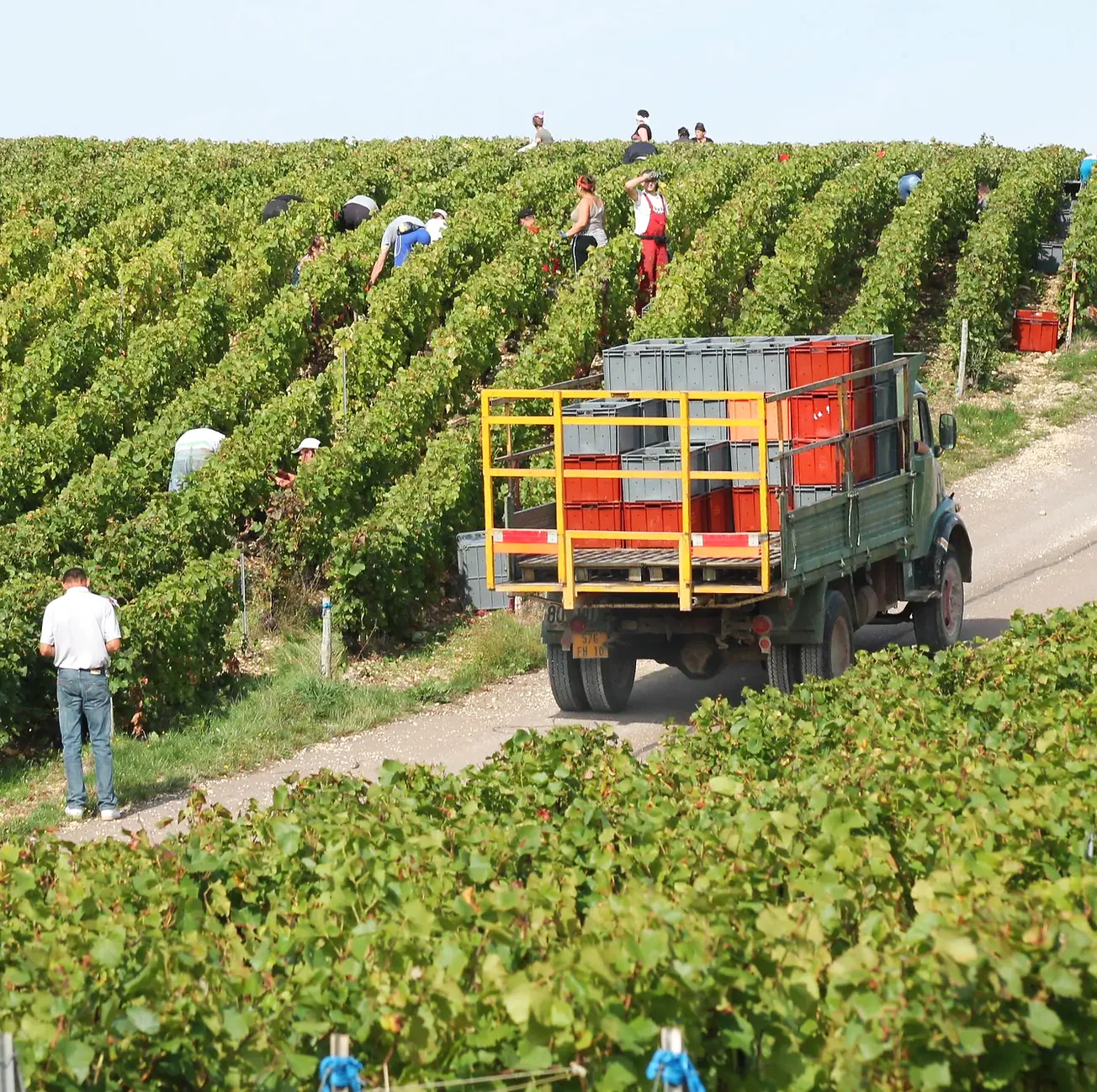
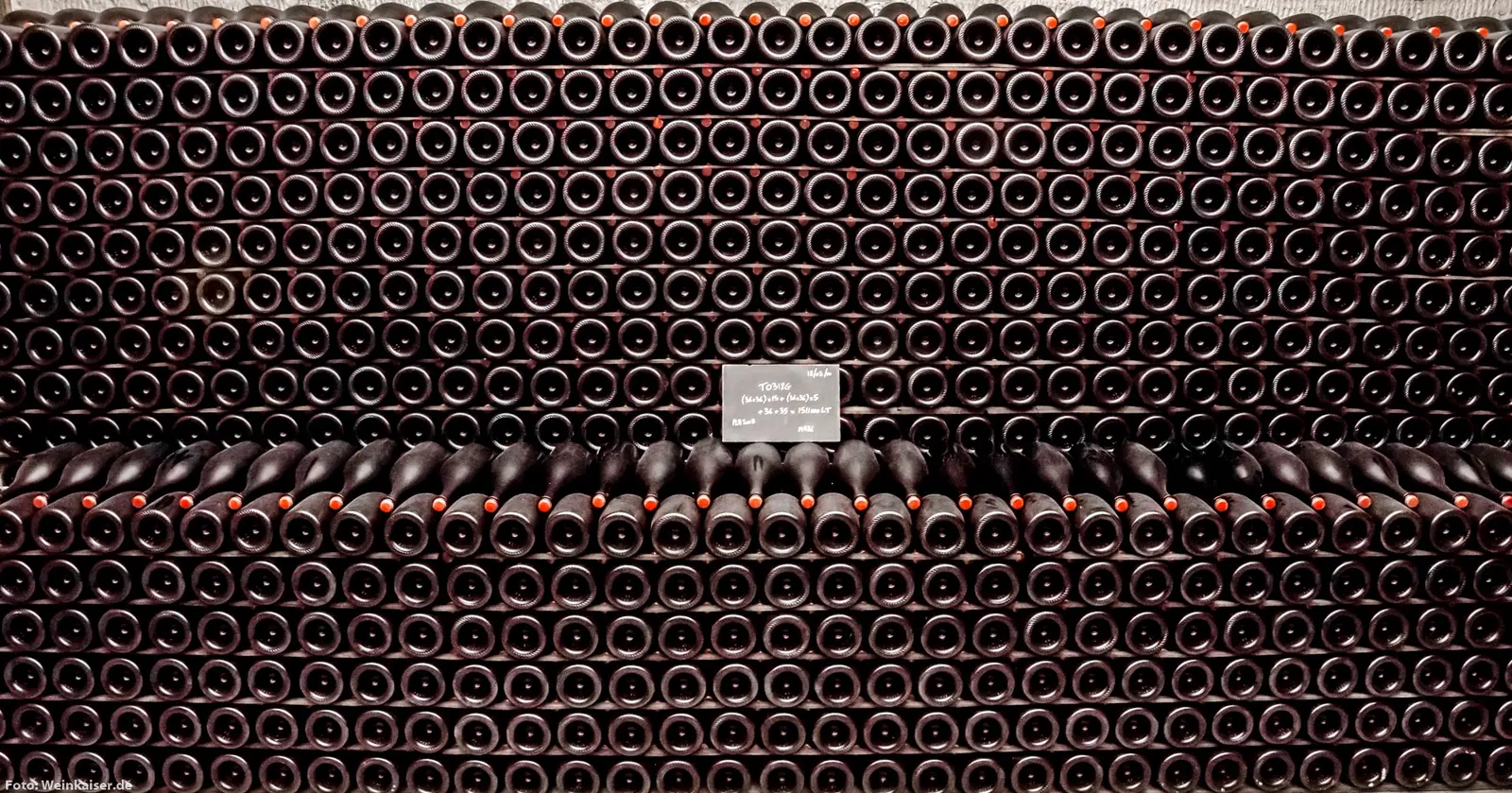
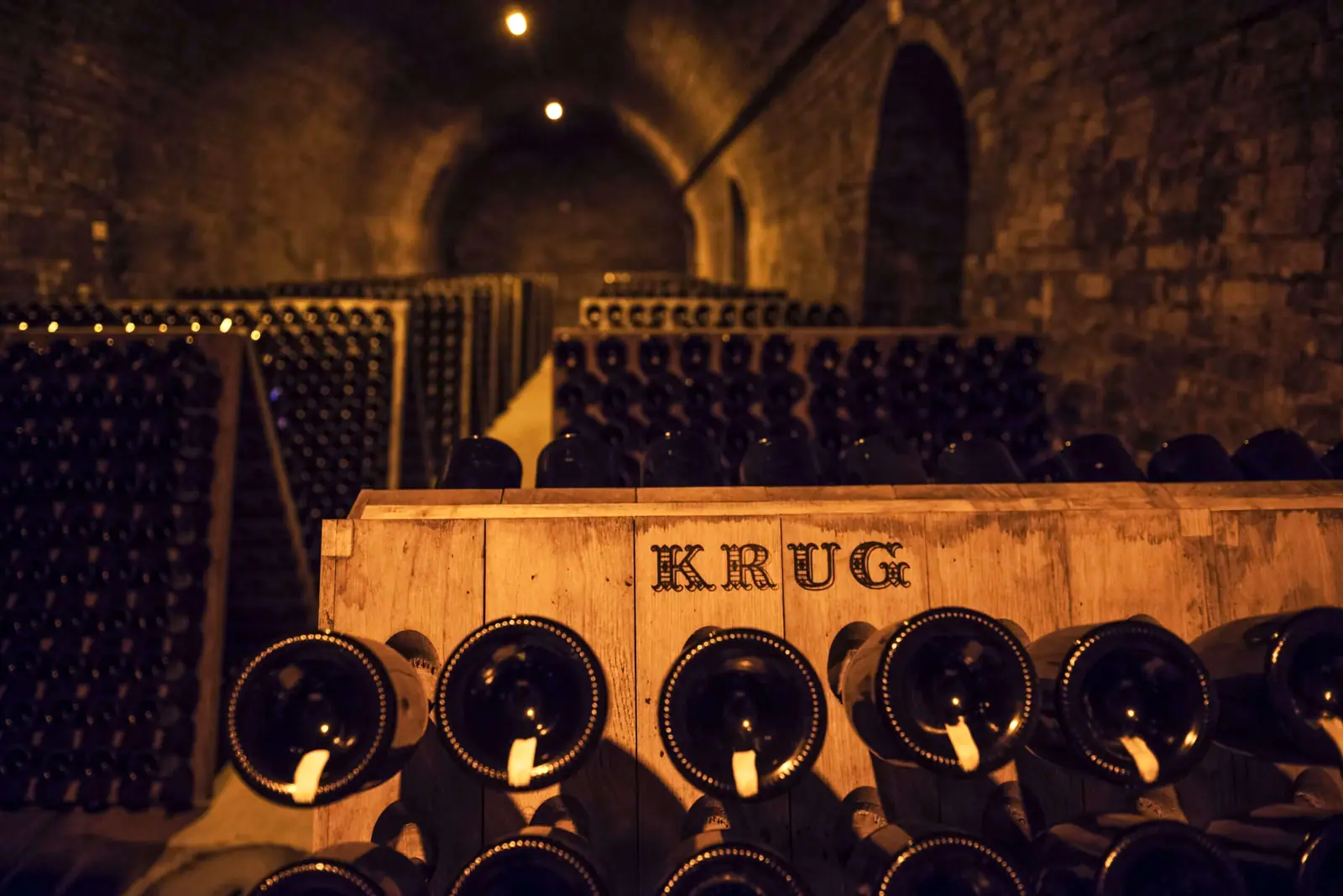
Then there is the second fermentation in the bottle. While the wine rests on its lees, the yeast cells break down, a process called autolysis. It shapes aromas of brioche, nuts and toast, as well as the creamy texture. By law, a non-vintage champagne must age for at least 15 months, of which at least 12 months on the lees. For vintage champagnes the minimum is 36 months. Many houses leave their wines to rest considerably longer.
By law, a non-vintage champagne must age for at least 15 months, of which at least 12 months on the lees.
Primary, secondary, tertiary
To describe a wine, we distinguish three levels of aroma. Primary notes come from the grape and the soil: citrus, apple, white blossom, chalk. Secondary aromas arise during fermentation and lees ageing, such as brioche, butter or yeasty pastry. Tertiary notes develop with maturity: roasted nuts, dried fruit, honey, mushroom, sometimes leather or caramel. Young champagnes show mainly the first two levels, while mature bottles combine all three. Malolactic fermentation, ageing in oak barrels and the dosage also influence how many facets emerge.
 Autochthon champagne
Recognising and enjoying complexity
One clue is how the wine develops in the glass: if you find different aromas after five minutes than when you poured, you are dealing with a layered wine. A long finish, a fine, well-integrated mousse and a harmonious balance of acidity, fruit and maturity also count. Served too cold, much of it stays closed. A white wine glass with a little belly shows the aromas to better advantage than a narrow flute.
Complexity is not the same as intensity or great age. A young blanc de blancs can be clear, slender and straightforward, and delight precisely because of it. Simplicity is not a weakness, it is a different style. But if you are looking for champagne with depth, you will often find it in cuvées with long lees ageing, a high proportion of reserve wines or mature vintages.
Pictures

 0 %
