
Typicity describes how clearly a wine shows the characteristics of its origin, its grape varieties and its style. In champagne it means the recognisable signature of the Champagne region, and often that of a particular house as well.
Typicity is the degree to which a wine matches what you would expect from its origin and its style. A wine is considered typical if you could place it, even blind, in the right region, grape variety or style. It is not a quality ranking but a measure of recognisability. A typical wine can be plain, and an untypical one can be outstanding.
What counts as typical for Champagne
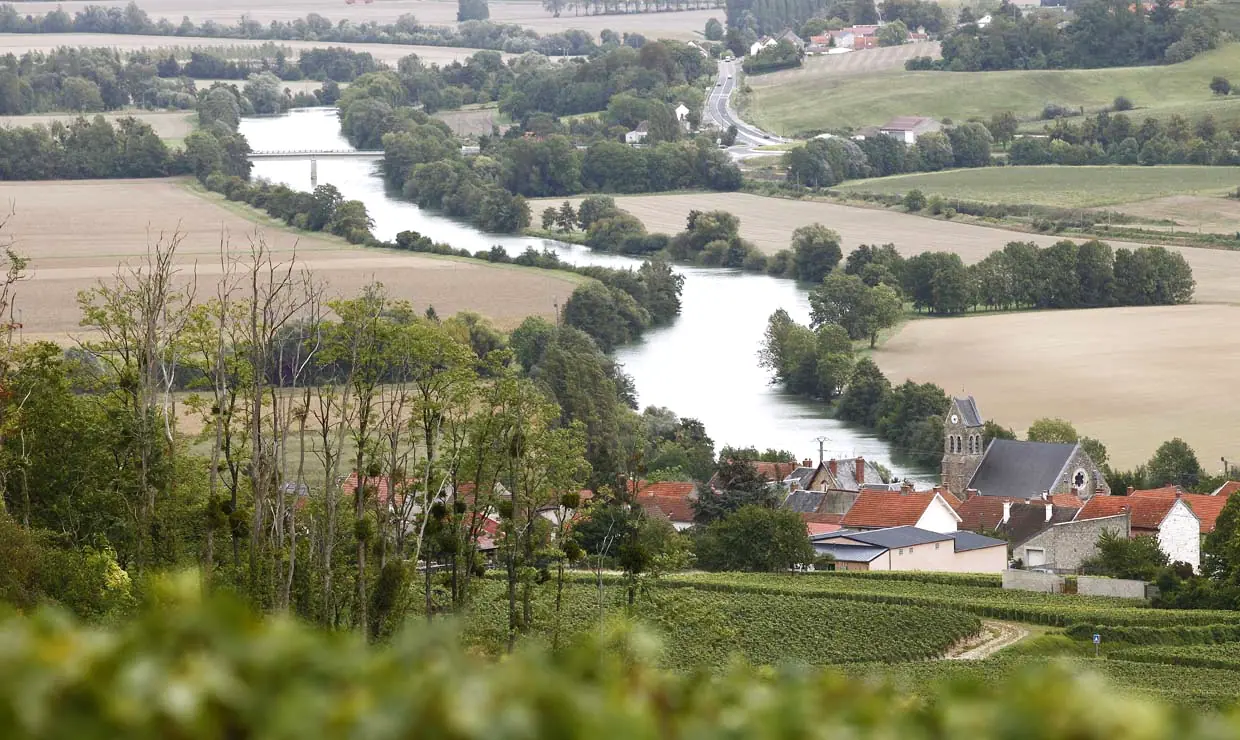
Champagne sits at the climatic limit of what is possible for viticulture. The grapes ripen slowly and keep plenty of acidity. Add the chalky soils, often associated with freshness and a saline, taut line on the palate. Typical features are therefore tension, a fine mousse, bright fruit from citrus to apple, and the notes of lees ageing, such as brioche, nuts and toast. How far that line can really be credited to the soil, however, is disputed among experts.
Typicity in the house and in the vintage
The region is one thing, the house another. Many producers cultivate a style maison, which they aim to recreate year after year. This is made possible by the assemblage: winemakers blend wines from different sites, grape varieties and years, drawing on reserve wines to do so. In this way they smooth out the whims of the weather. If you know a house's non-vintage brut, you expect the next bottle to have the same character, not the same composition.
With vintage champagnes and grower champagnes from single sites, the expectation shifts. Here the year is allowed to show, as is the origin of a particular plot. Typicity then means that the basic features of Champagne remain recognisable, even if the bottle tastes different from last year's.
Typicity is not uniformity
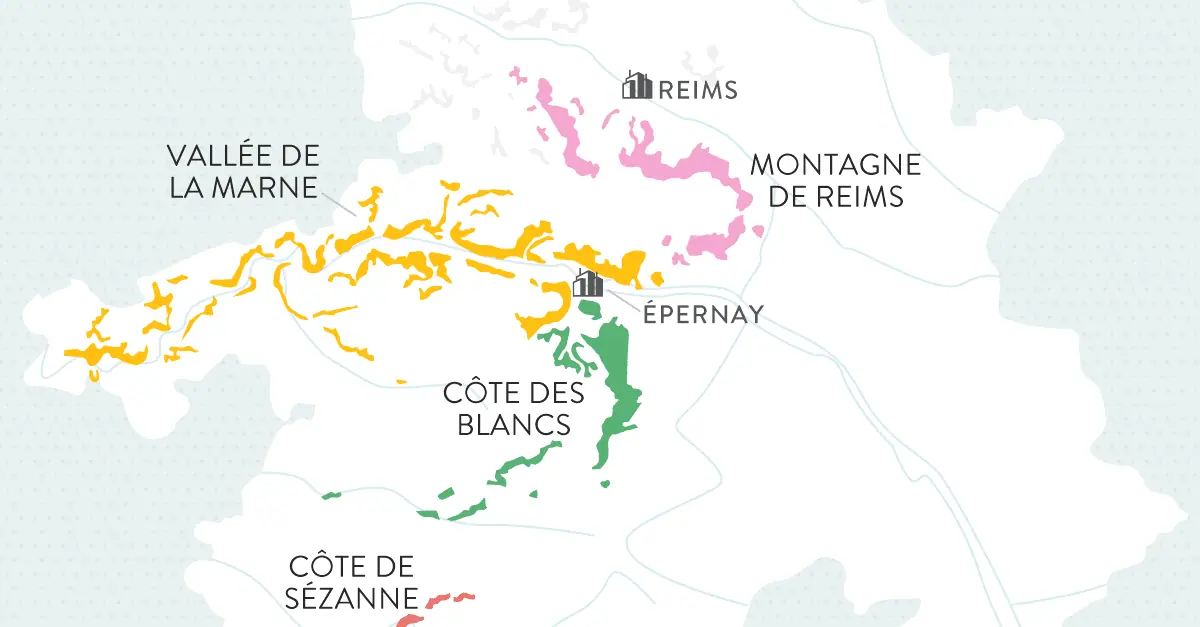
The term also has a critical side. Interpret it too narrowly and you treat deviation as a flaw and reward conformity. A blanc de blancs from the Côte des Blancs tastes different from a Pinot Noir from the Montagne de Reims, and both are typical Champagne. What matters is that origin, grape variety and craft remain traceable in the glass. Dosage, ageing in wood or long maturation may shape the wine, as long as they do not mask it.
When tasting, it helps to ask: what does this wine tell me about its place and its house, and does that match what it claims to be? If you can answer that, you have understood typicity.
Pictures



 0 %
