

Persistence describes how long the aromas and flavours of a champagne linger in the mouth and throat after you swallow. It is regarded as an important marker of a wine's quality.
If you have finished a sip of champagne and can still taste brioche, citrus or chalk several seconds later, you are experiencing persistence. The term describes the afterglow: how long and how clearly the flavour stays once you have swallowed. In French the word is persistance or longueur, and in English you will often hear it called the finish, the length or the aftertaste.
What is actually being measured
It is not about the strength of the aroma, but about its duration and quality. A champagne can seem very fragrant at first and then fade quickly. Another may seem reserved at the start and carry on for a long time. Tasters usually speak of a short, medium or long finish. In French tasting language the caudalie is also used as a measure, one second of lingering flavour. As a rough guide it is useful, but it does not replace looking at the whole picture: do the aromas stay clean, harmonious and pleasant, or does the finish turn bitter or hard?
Where the length comes from
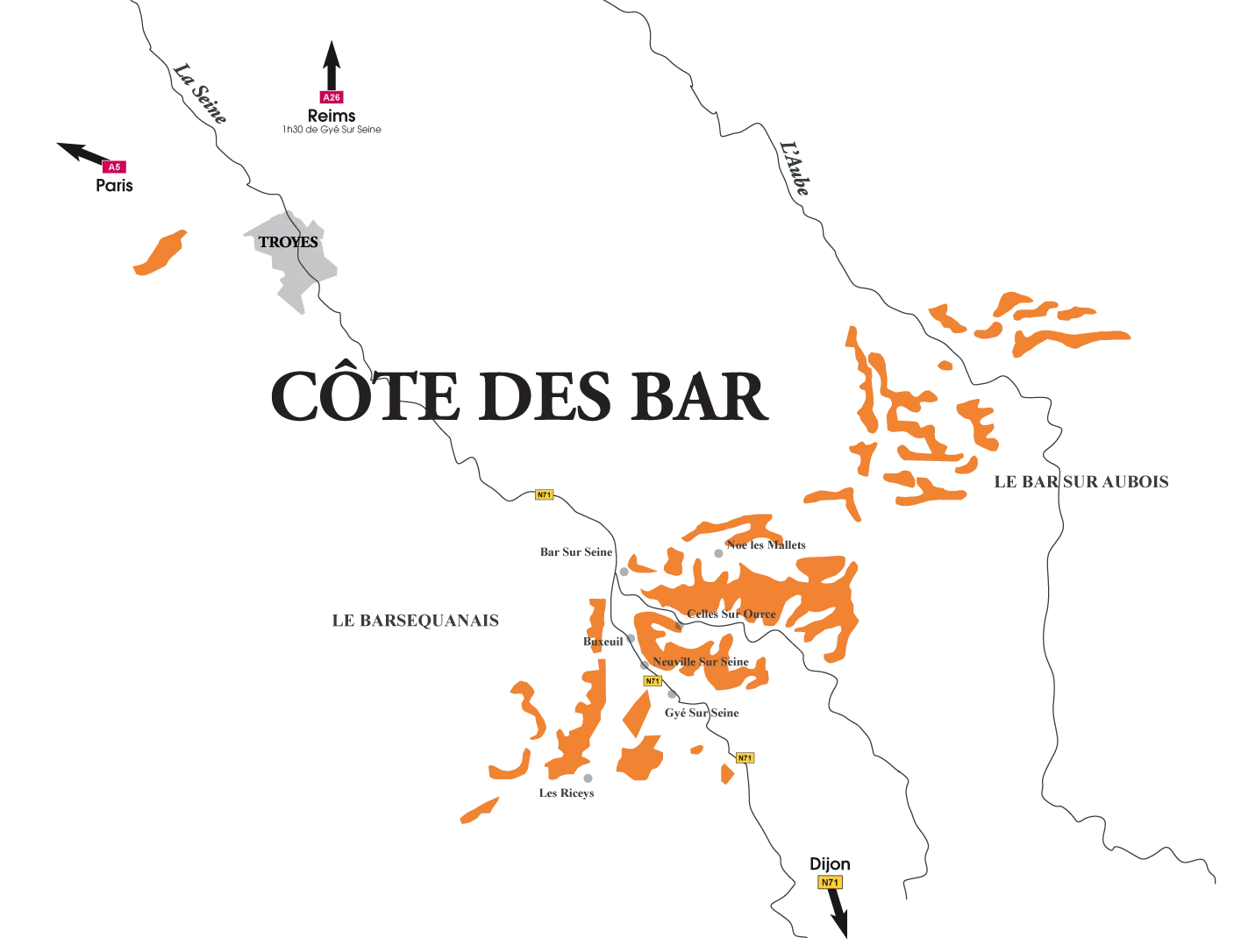
Several factors work together. Grapes from good Champagne sites, such as Chardonnay from the Côte des Blancs or Pinot Noir from the Montagne de Reims, give substance and a tension of acidity that carries the wine. Long ageing on the lees in the bottle adds depth and texture. Reserve wines and a ripe harvest can also strengthen the finish. The fine bead and the carbon dioxide support the impression, because they spread the aromas around the mouth. The dosage has an influence too: too much sweetness can mask the length, while a well-integrated addition of sugar rounds it off.
How to check the persistence
Take a sip, hold it briefly in your mouth and swallow. Then breathe out calmly through your nose, because a large part of the finish arises retronasally. Pay attention to how the flavour changes. Fruity notes often turn into toast, nuts or a saline touch, and it is exactly this development that marks out complex wines. Serving temperature matters as well: if the champagne is too cold, the aromas are muted and the finish seems shorter than it really is. Around 10 to 12 degrees Celsius is a good range for many cuvées.
High persistence is a sign of quality, but not an end in itself. A slender blanc de blancs is allowed to finish fresh and brief, as long as it is coherent. What matters is that the finish suits the style of the wine and closes it with elegance.
Pictures
 0 %
