
Downy mildew, known in French as <em>mildiou</em>, is a fungal disease of the vine that attacks leaves, flower clusters and grapes in damp weather. In the cool, rainy Champagne region, it is in some years the greatest threat to the harvest.
Downy mildew is caused by Plasmopara viticola, a fungus-like oomycete. It originated in North America and reached Europe in the 19th century. Because European vines had no natural defence against it, it hit the vineyards hard. Bordeaux mixture, in French bouillie bordelaise, a blend of copper sulphate and lime, became the first effective remedy and is still used today in modified form.
Recognising it and how it develops
The typical sign is yellowish taches d'huile, oil spots on the upper side of the leaf. In damp conditions a white, cottony down forms on the underside. Infected leaves die off, and the vine can then photosynthesise less. More dangerous is an attack on the flowers and young berries: flower clusters curl up and dry out, and berries shrivel into brown, leathery fruit. At that point yield is lost directly, often a large share of it.

Why Champagne is especially affected
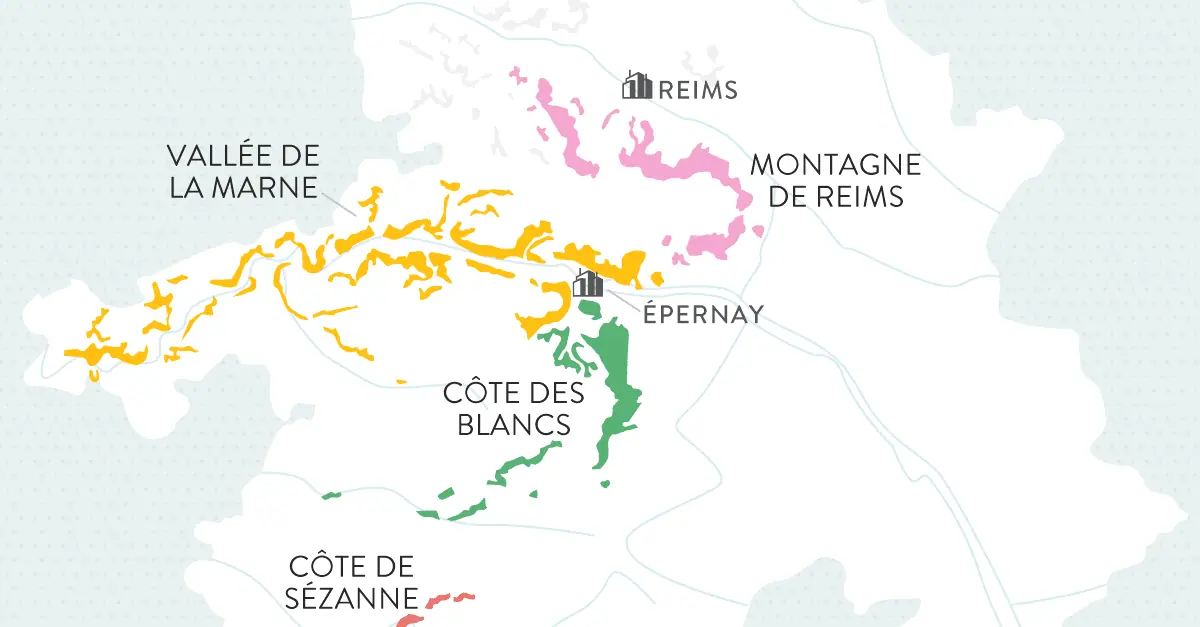
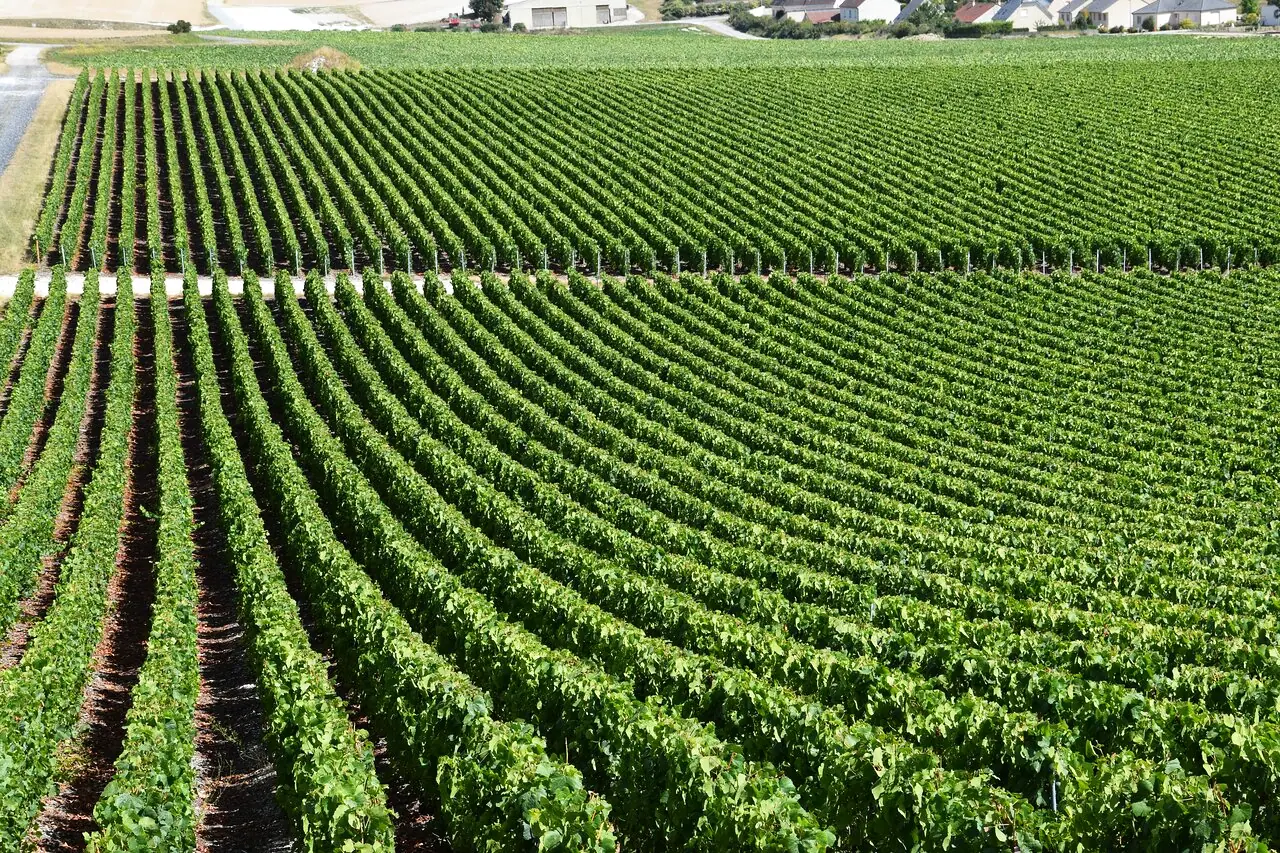
The fungus overwinters in fallen leaves and in the soil. In spring, mild temperatures and rain are enough for the first infections to take hold. Champagne lies at the northern limit of viticulture, and early summer there is often wet and changeable. Chardonnay, Pinot Noir and Pinot Meunier are all susceptible. The region was hit particularly hard in 2016, when a damp spring let the disease run out of control in many sites and the size of the harvest collapsed. 2021, too, was a pronounced mildew year.
It originated in North America and reached Europe in the 19th century.
Prevention and control
Growers watch the weather and the development of the vines closely and use forecasting models to time their treatments. Copper and sulphur preparations are permitted as contact treatments even in organic viticulture, although copper may only be applied in limited amounts because it builds up in the soil. Conventional estates also use systemic products. Airy canopies from careful canopy management, tended grass between the rows and the removal of debris that could harbour the fungus all help as well.
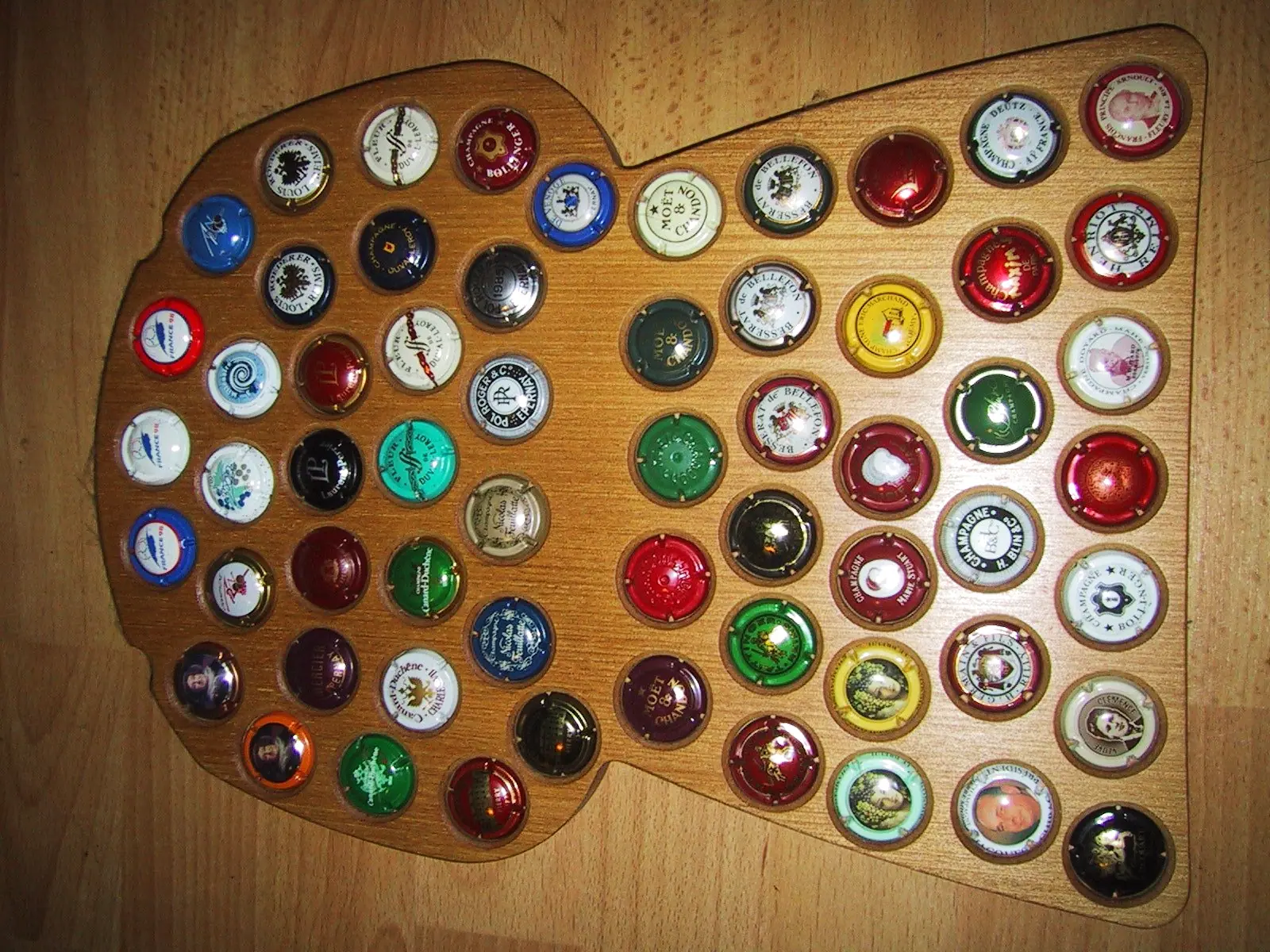
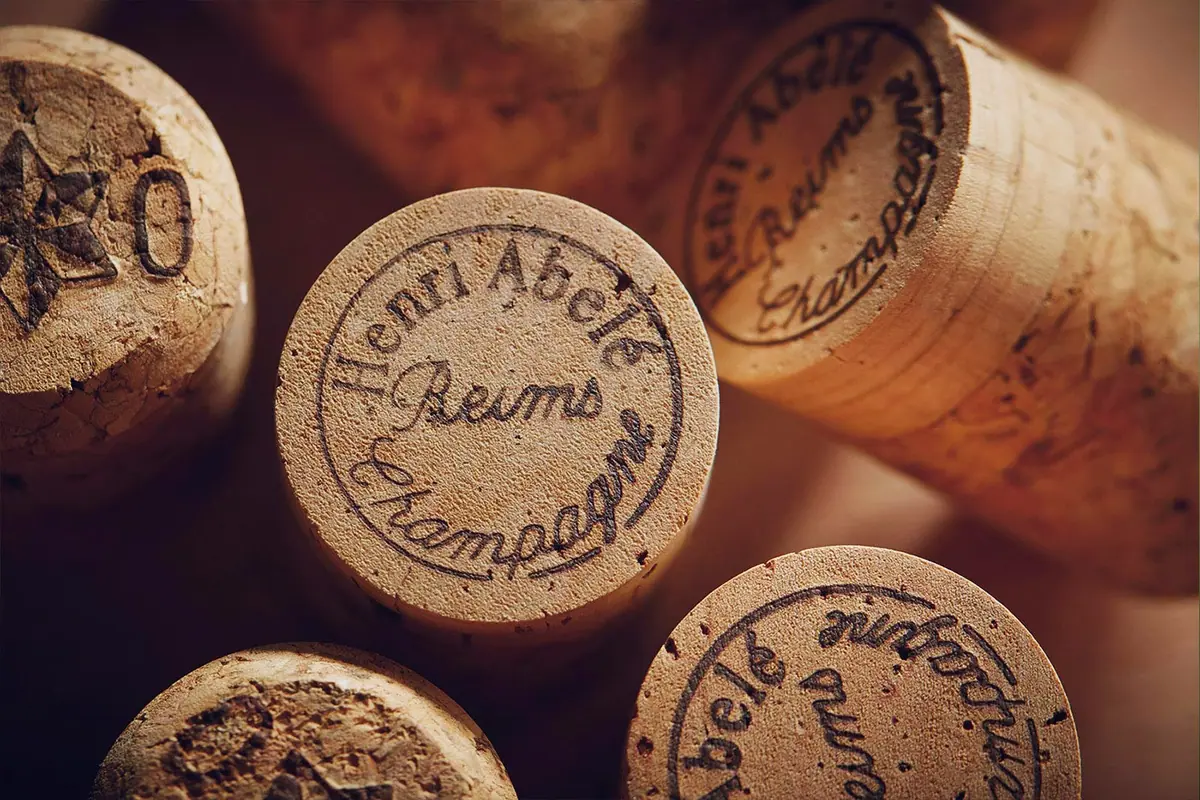 Henri Abelé champagne cork
In the long term, many are betting on hardier plants. In Champagne, trials are under way with fungus-resistant varieties that need fewer sprays. For now, though, the classic three main grape varieties remain the backbone of the appellation, so mildiou remains a constant concern in the vineyard.
It should not be confused with powdery mildew (oïdium), which appears in dry, warm conditions and forms a powdery grey coating.
Pictures



 0 %
