
A parcel is a single, clearly bounded piece of vineyard with its own site, grape variety and way of being farmed. In Champagne it is the smallest unit from which growers and houses build their wines.
A parcel (French parcelle) is a continuous piece of vineyard recorded in the land register as a plot in its own right. It usually has a single grape variety, a similar vine age and a uniform site. In Champagne it counts among the most important building blocks of a wine's style and quality.
Why Champagne is so fragmented
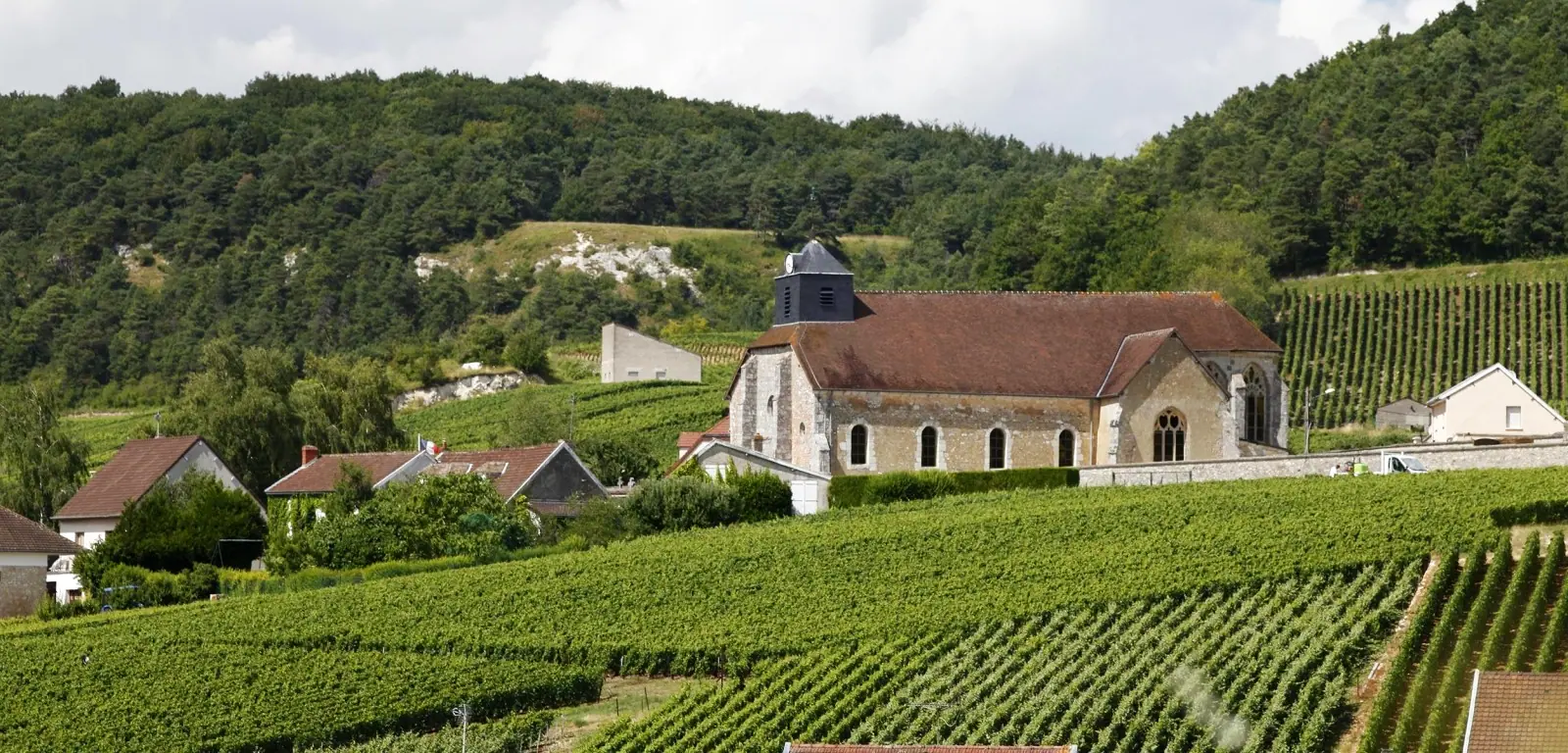
The vineyards of Champagne are heavily broken up. One reason is the forced heirship introduced by Napoleon's Code civil, which divides property equally among the heirs. As a result, a grower often owns many small pieces in different sites and villages, sometimes only a few rows per parcel. That makes the work harder, but it gives a great variety of base wines.
What shapes a parcel
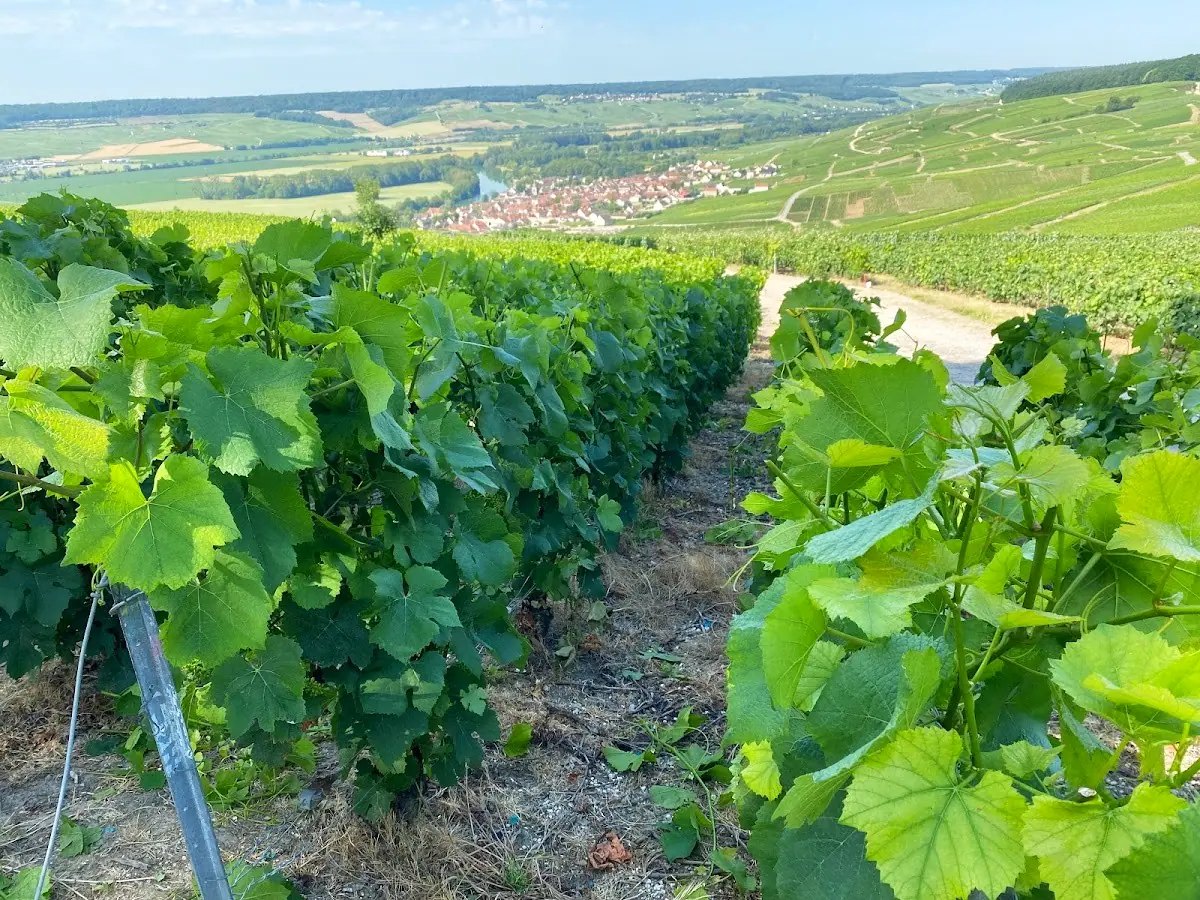
Two parcels on the same slope can taste very different. What matters is the soil (chalk, limestone, clay or sand), the gradient of the slope, its exposure to the sun, the altitude and the age of the vines. The microclimate plays a part too, for instance through nearby woodland or cold air settling in hollows. These factors determine the ripeness, acidity and aromatics of the grapes, and with them the character of the eventual base wine.
Parcel, lieu-dit and clos
Several neighbouring parcels sharing a common place name form a lieu-dit. A clos is a vineyard enclosed by a wall and worked as a single unit. Well-known examples are Krug's Clos du Mesnil and Philipponnat's Clos des Goisses. Single-vineyard champagnes like these remain the exception, though, because the classic art of Champagne is the assemblage.
Why it matters in the cellar and in the cru system
Many producers pick and vinify parcel by parcel, often in small tanks or barrels. This creates a broad palette of individual wines from which the cuvée is later blended, often with the addition of reserve wines. One point is important: in Champagne, the ranking as Grand Cru or Premier Cru applies to the whole village and not to the individual parcel. Even within a Grand Cru village, the quality of parcels can still vary noticeably. That is why those in the know look for site details on the label and for growers who know their parcels closely and use them with intent.
Pictures
 0 %
