
The first nose is the aroma of a champagne in a still glass, the second nose the aroma after a gentle swirl. Each impression reveals a different layer of aromas.
At a tasting, judging a champagne begins with the nose. Professionals distinguish two steps: the premier nez, the first nose, and the deuxième nez, the second nose. Together they give a more accurate picture than a single sniff over the glass.
The first nose: the still impression
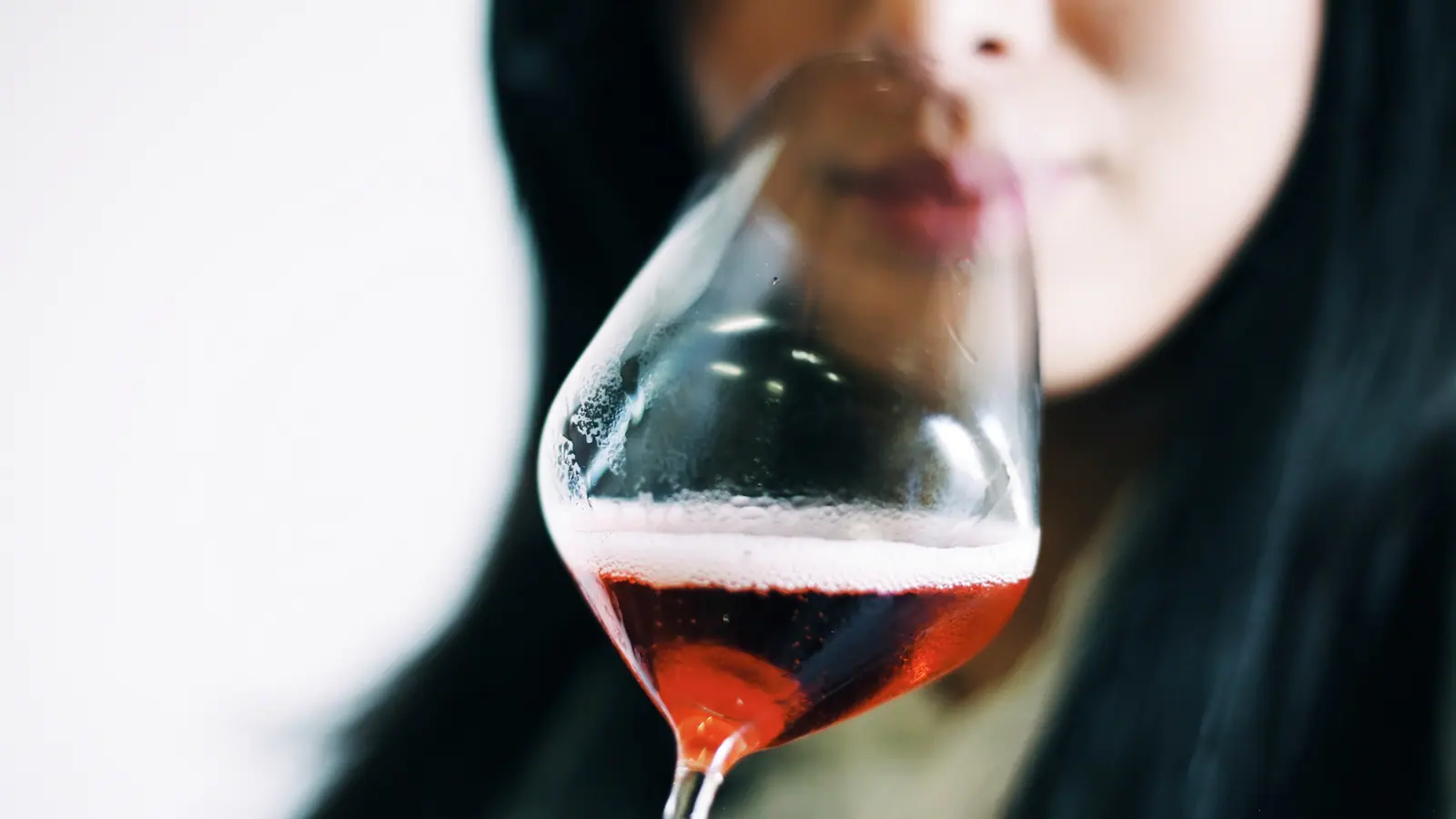
You take the first nose straight after pouring, without moving the glass. At this stage it is mainly the light, volatile aromas that rise. In champagne these are often citrus fruit, apple, pear, white blossom, chalk or fresh bread. This first impression tells you about style and freshness: a blanc de blancs made from Chardonnay often smells of citrus and flowers, a blanc de noirs more of red fruit and pastry. Faults such as cork taint or pronounced oxidation usually show up here too.
The second nose: after swirling
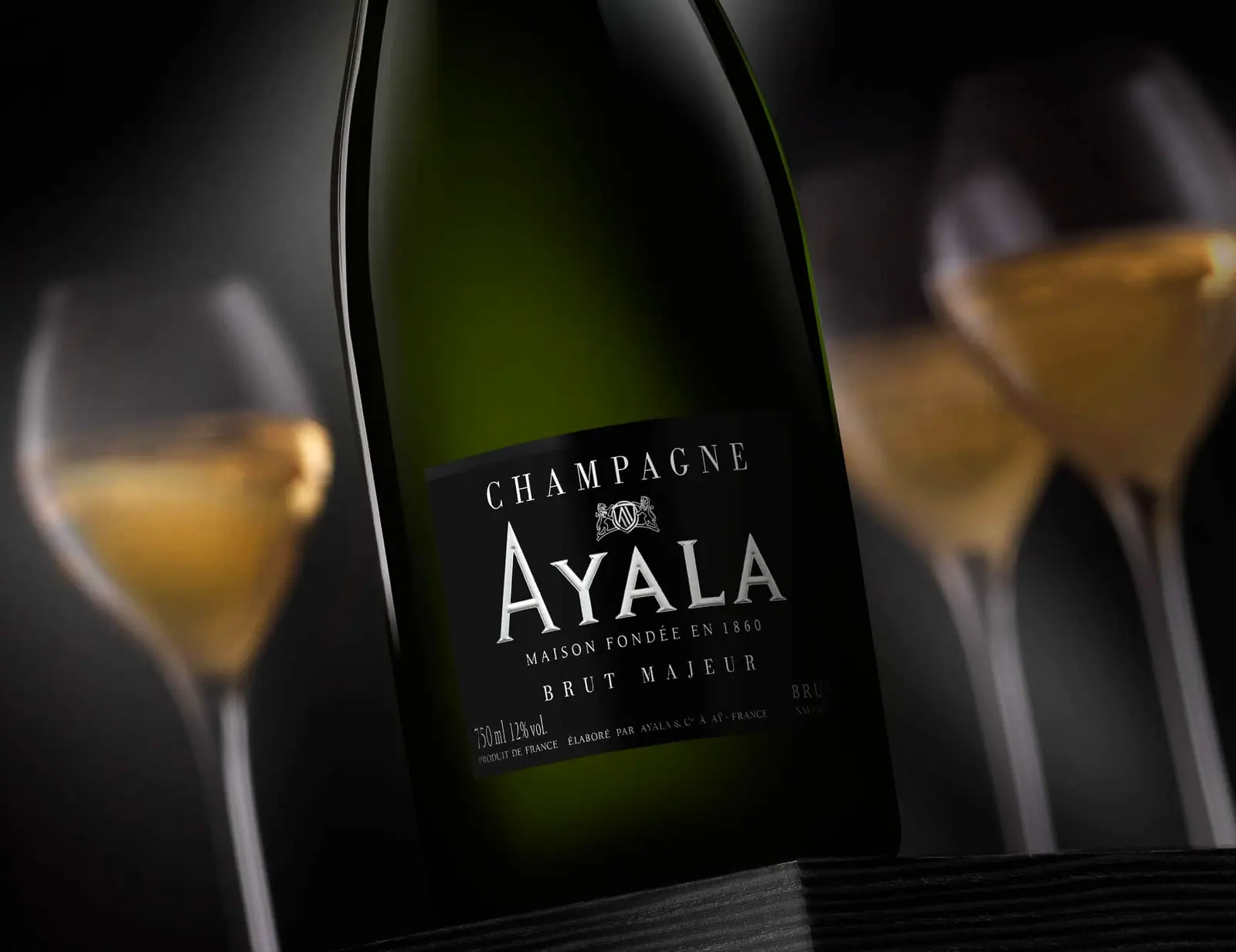
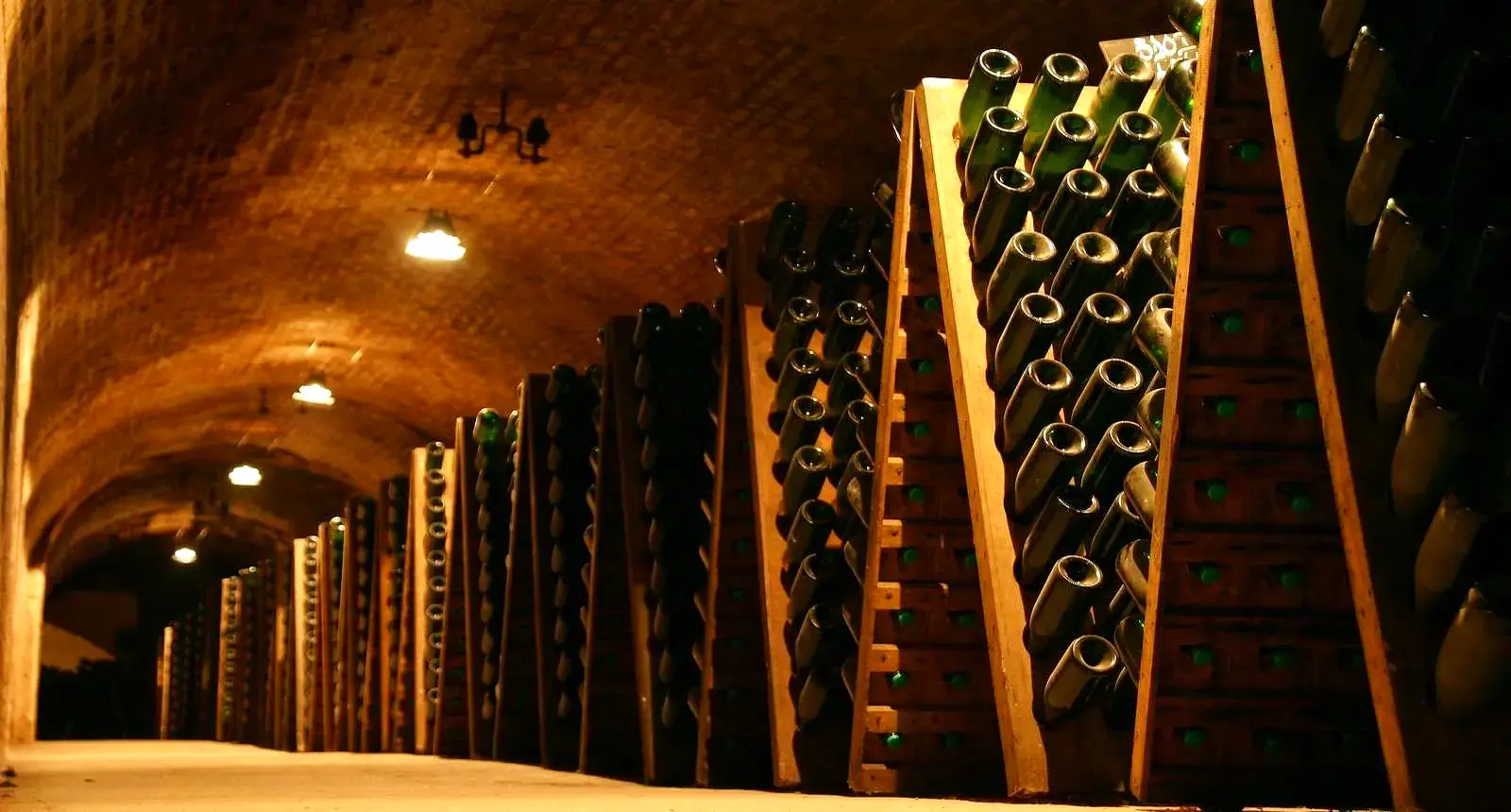
For the second nose, set the champagne in motion with a small circular movement of the glass. Contact with oxygen lets heavier aroma compounds rise as well. Now notes such as brioche, toasted nuts, butter, honey, spices or dried fruit appear. Many of them come from the long ageing on the lees in the bottle (sur lie), during which yeast cells break down, and from the reserve wines that play a part in many cuvées. In mature vintage and prestige cuvées, mushroom, truffle, coffee or smoky notes can join in.
When swirling, go gently. Otherwise the carbon dioxide foams up strongly and the mousse fades faster. A light circling of the glass on the table is often enough.
Practical tips
A glass with a wider bowl, such as a tulip glass or a slender white wine glass, releases aromas better than a narrow flute. Fill it only about halfway so the aromas can gather. Serve the champagne well chilled but not ice cold, as too much cold mutes the aromas. Leave a minute or two between the first and second nose, because many champagnes noticeably open up in the glass. If you jot down your impressions, you will in time recognise the style of a house or a vintage more reliably.
Pictures

 0 %
