
- Département
- Marne (Grand Est region)
- Site
- Southern Champagne near Sézanne, on the transition from Brie to the Champagne crayeuse
- Inhabitants
- 564 (2023)
- Source
- Wikipedia, eigene Zusammenfassung
Gaye is a small village in the Marne département near Sézanne, about 60 km south-south-west of Reims. It is better known for its Cluniac priory and its rural setting on the edge of Champagne than for its champagne.
Location
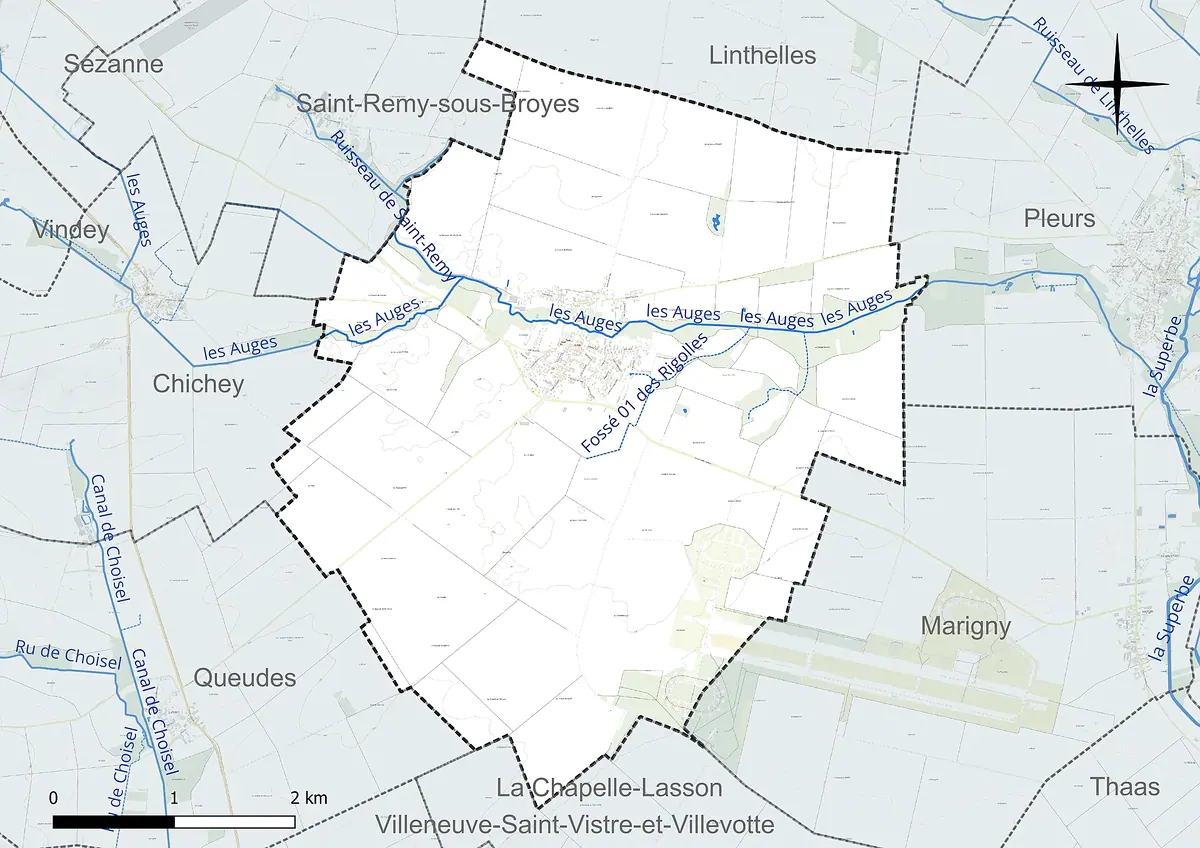
Gaye lies in the Marne département, roughly sixty kilometres south-south-west of Reims, in the catchment area of Sézanne. Brie and Champagne meet here, and the Île-de-France is not far away. The village grew up on the former marshland of the Marais des Auges. The Auges, a stream about 18 kilometres long, rises near Sézanne and flows into the Superbe at Pleurs. Even the name of the place points to water: it probably derives from the Old French gayere, meaning damp ground. Neighbouring villages include Linthelles, Pleurs, Marigny, Chichey and Saint-Remy-sous-Broyes.
Gaye and champagne
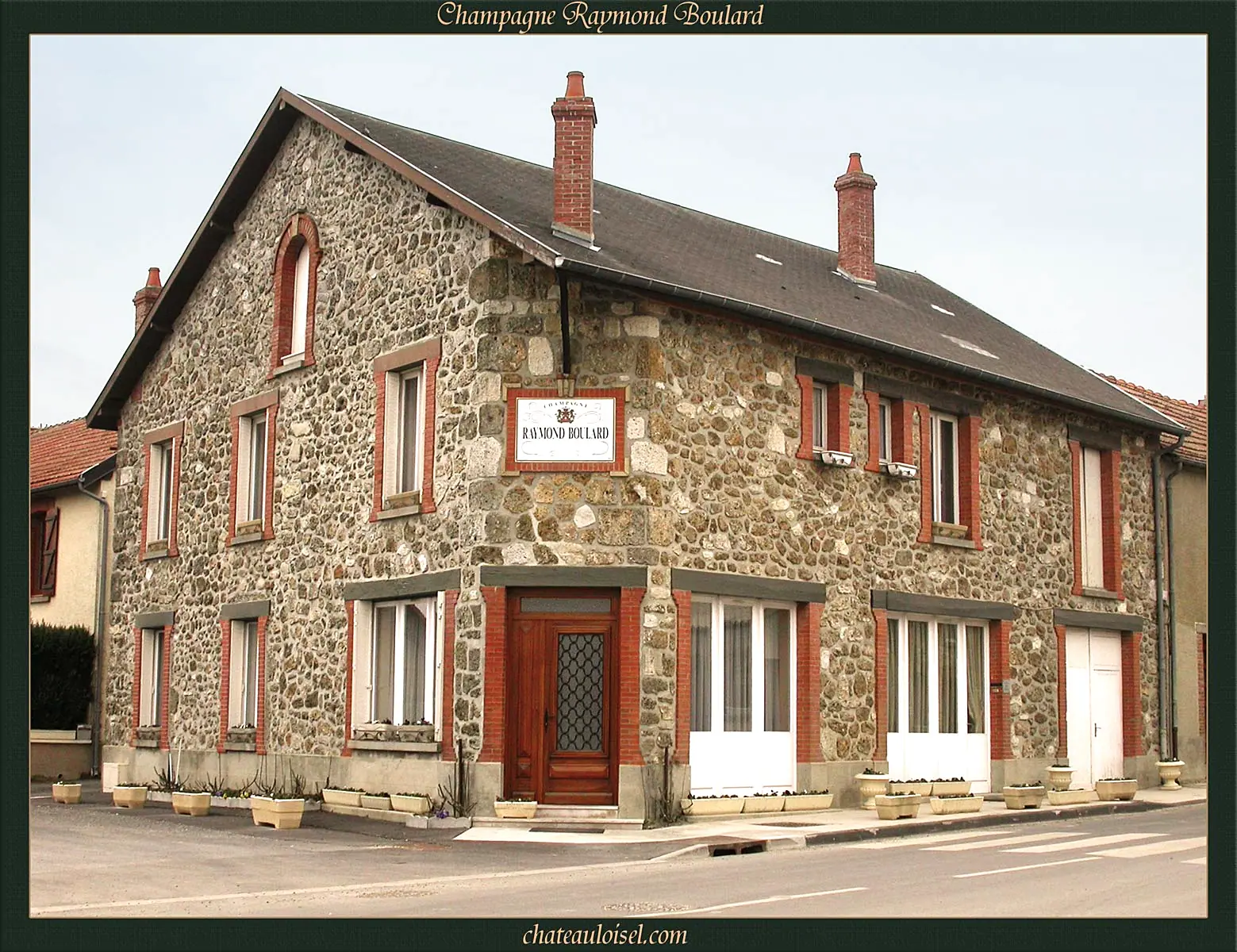
Gaye is neither grand cru nor premier cru, and it is not a classic grower village. The commune belongs to the Communauté de communes des Coteaux Sézannais. The area around Sézanne is part of Champagne and is known for Chardonnay. Gaye itself, however, is above all farmland: according to Corine Land Cover data, a good 86 per cent of its area was arable land in 2018, and around 6 per cent was forest. The soil is chalky and sandy, which fits the Champagne crayeuse. The climate is oceanic and rather cool, with an annual mean of about 10.5 °C and around 705 millimetres of rainfall (1971 to 2000). It is precisely this coolness that shapes the style of many champagnes.
The climate is oceanic and rather cool, with an annual mean of about 10.5 °C and around 705 millimetres of rainfall (1971 to 2000).
History
- In the 11th century an influential priory belonging to the Cluny network was founded in Gaye. In 1291 it was converted into a deanery, and in 1788 the Grand Conseil under Louis XVI abolished it.
- On 4 March 1814, Cossacks set fire to 102 of the village's 130 houses.
- The parish priest Joseph-Louis Alliey, who lived through the Revolution in the village, campaigned vigorously for the draining of the marshes.
- Around 1845 the village lived from farming, hosiery weaving and the plaiting of straw hats. The workshop was in the former prior's house, which was known as the château.
The dairy Moulin de Gaye, latterly known under the name Lactalis, has been closed for some years now.
 Moët & Chandon Champagner
What to see
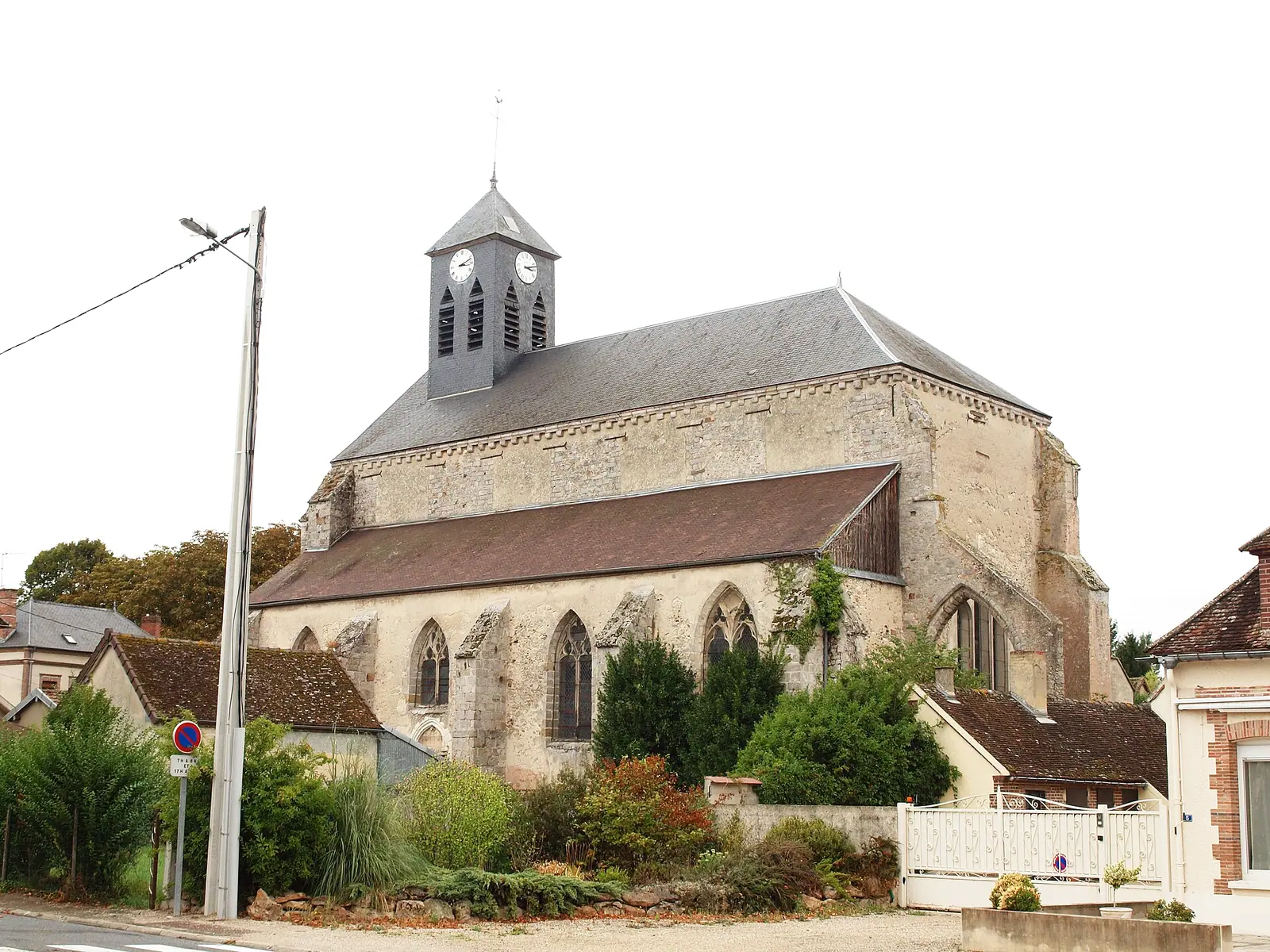
The landmark is the church of the former Benedictine priory. Its origins date back to the 13th century, and it was greatly reduced in size in the 16th century. Together with a residential building from the 18th century, it is a remnant of the former complex, which stood for about 700 years and was linked to the Burgundian abbey of Cluny. Today the church belongs to the Fédération des Sites Clunisiens, a network recognised as a Council of Europe cultural route. In the village centre you will find the Place des Tilleuls and the mairie.
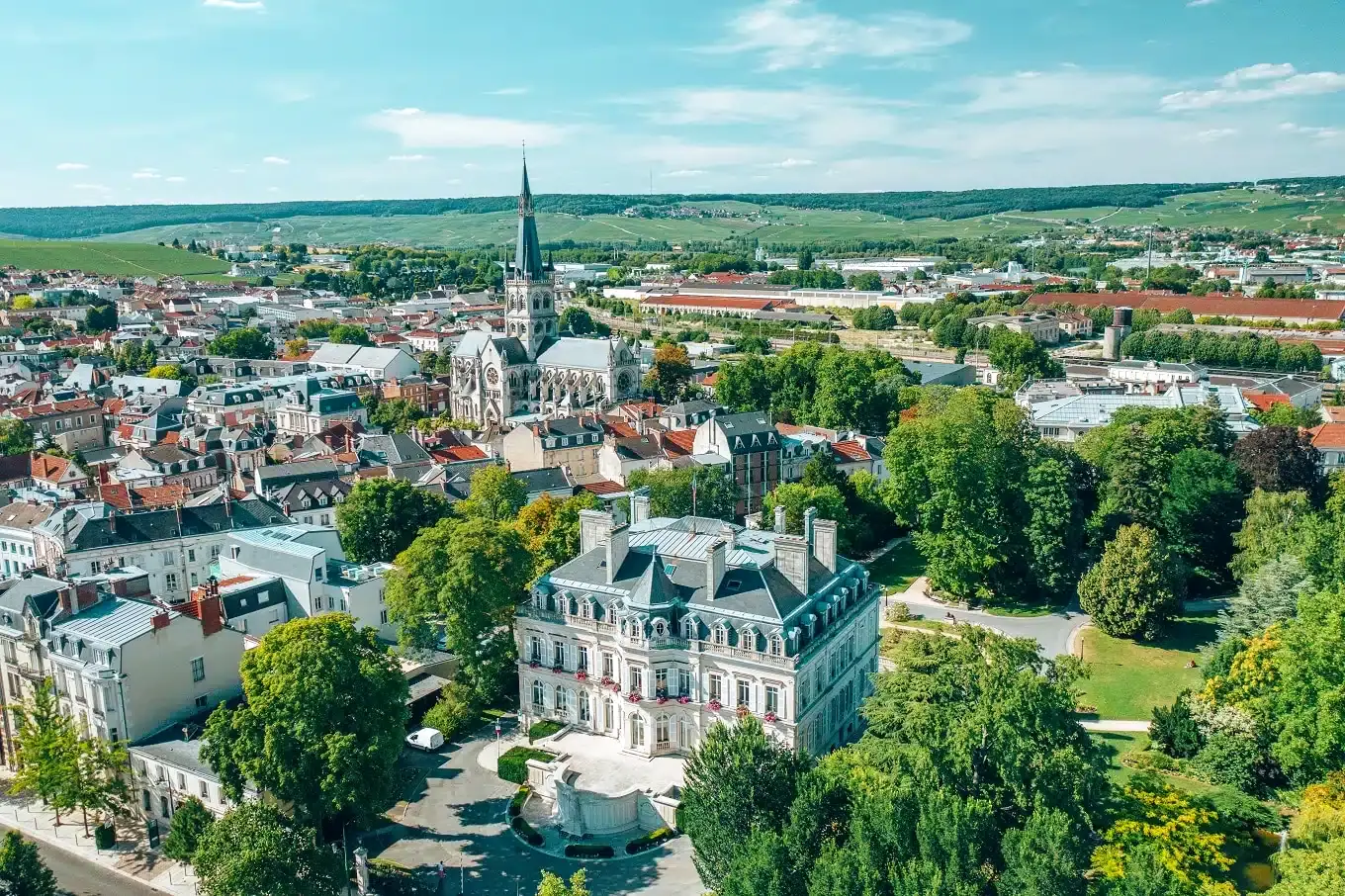
Gaye has 564 inhabitants (2023), known as Gayons and Gayonnes. For visitors travelling in champagne country, the village makes a quiet stop between Brie and Champagne, for instance on the way to Sézanne and the vineyard slopes of the surrounding area.
Pictures


 0 %
