
Massal selection (<em>sélection massale</em>) means propagating vines from cuttings taken from many carefully chosen vines in a vineyard. This preserves the genetic diversity of a grape variety, unlike clonal selection.
In massal selection, or sélection massale in French, the grower picks many particularly good vines in an existing vineyard and takes cuttings from them in winter for replanting. The planting material therefore does not come from a single mother plant but from a whole cross-section. The young vines consequently carry different genetic traits of the same variety.
The opposite: clonal selection
In clonal selection (sélection clonale), all the planting material comes from one single vine. The offspring are genetically almost identical. This brings reliability in health, yield and ripening time, and makes work in the vineyard easier. In Champagne, clones were widely used after the vineyards were rebuilt following the phylloxera crisis, partly because tested, healthy planting material was readily available from the trade. The downside: where the same few clones stand everywhere, diversity is lost.
How the selection works
Usually the vines are observed over several years. The ones marked are those that stay healthy, crop regularly and ripen their grapes evenly, with a good balance of sugar and acidity. Growers look for things like loose-bunched grapes, which are less prone to rot. The scion wood collected is then grafted onto phylloxera-resistant rootstock, since ungrafted vines are a rare exception in Champagne.
Advantages and limits
Supporters see in the mix of Pinot Noir, Chardonnay or Meunier greater complexity in the wine. Different vines ripen at slightly different times and react differently to heat, frost or drought. With climate change in mind especially, this pool of diversity is seen as a safeguard. Some growers and houses in Champagne therefore opt for massal selection when replanting, often using material from their own old parcels.
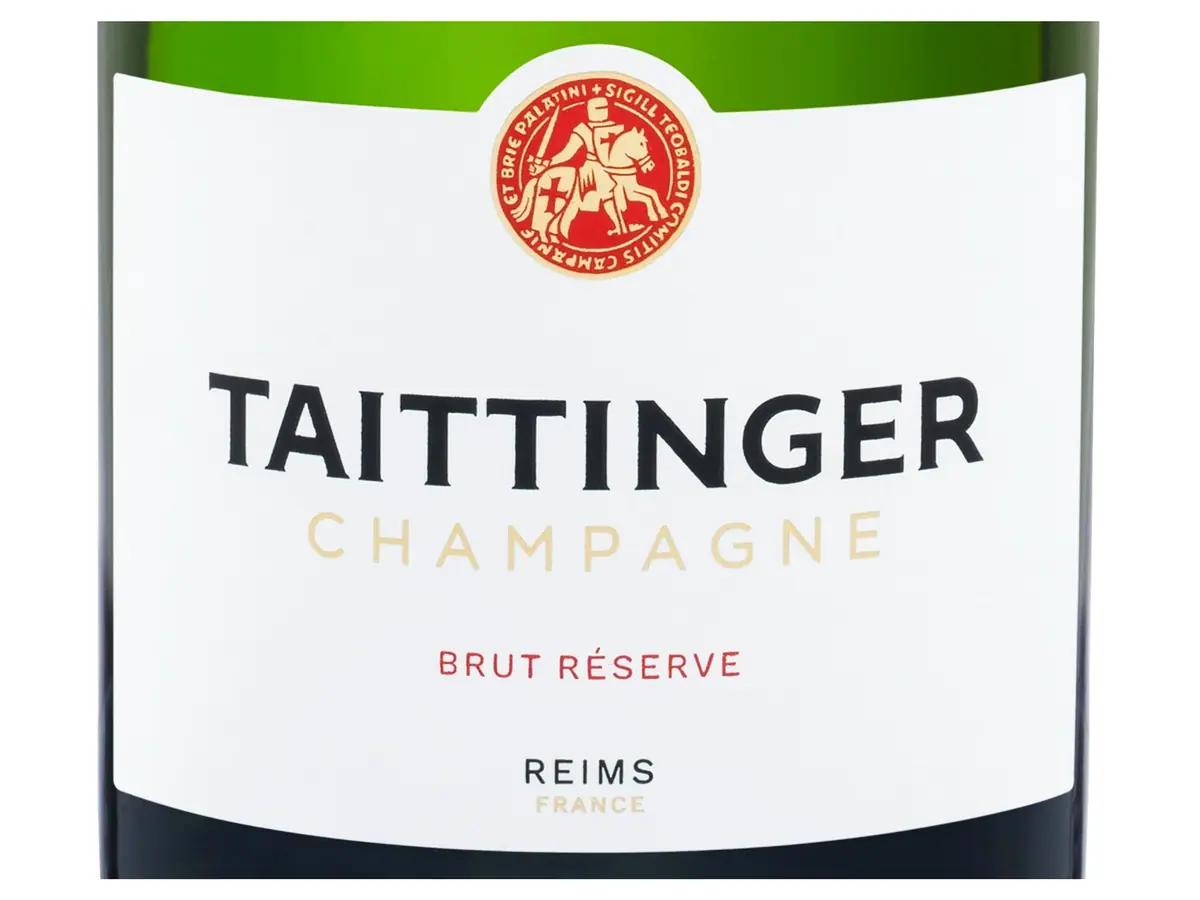 Taittinger champagne label
There are drawbacks too. The effort is greater, the quality of the source material varies, and without careful monitoring, vine diseases such as viruses can be propagated along with the wood. Yields are also less even than with a uniform clone. Anyone practising massal selection needs a sharp eye for their own vineyards, and patience.
For the drinker, the difference rarely shows in the glass straight away. It lies more in a fine layered complexity, best discovered in grower champagnes from old sites.
Pictures




 0 %
