
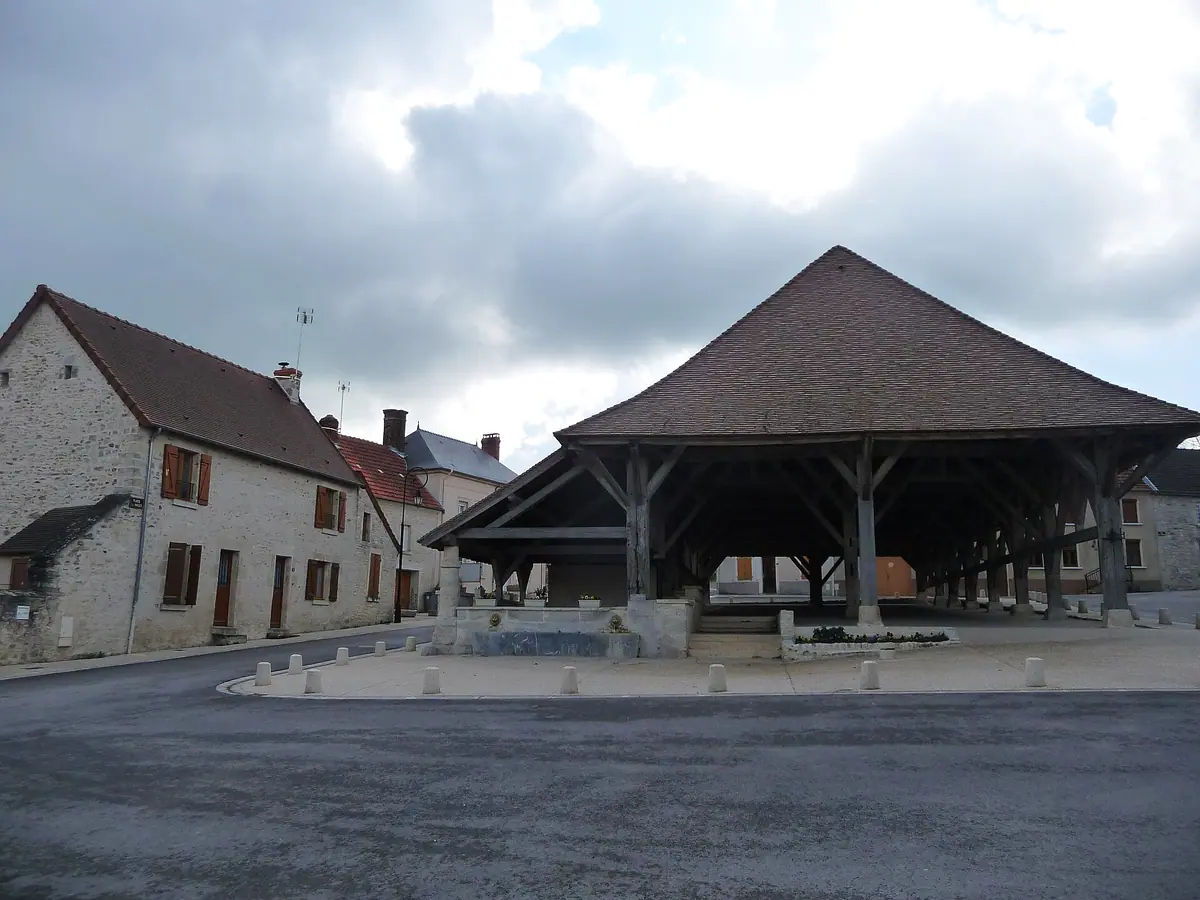
Yield (<em>rendement</em>) is the amount of grapes a vineyard produces per hectare. In Champagne, the permitted maximum is set afresh every year.
Yield describes how much fruit a hectare of vines produces, usually measured in kilograms of grapes per hectare. It is a key lever for quality: when the vines carry a very heavy crop, the vine's energy is spread across many berries, and the musts can turn out thinner and less concentrated. In Champagne, yield is therefore not left to the whim of the individual grower.
Set afresh every year
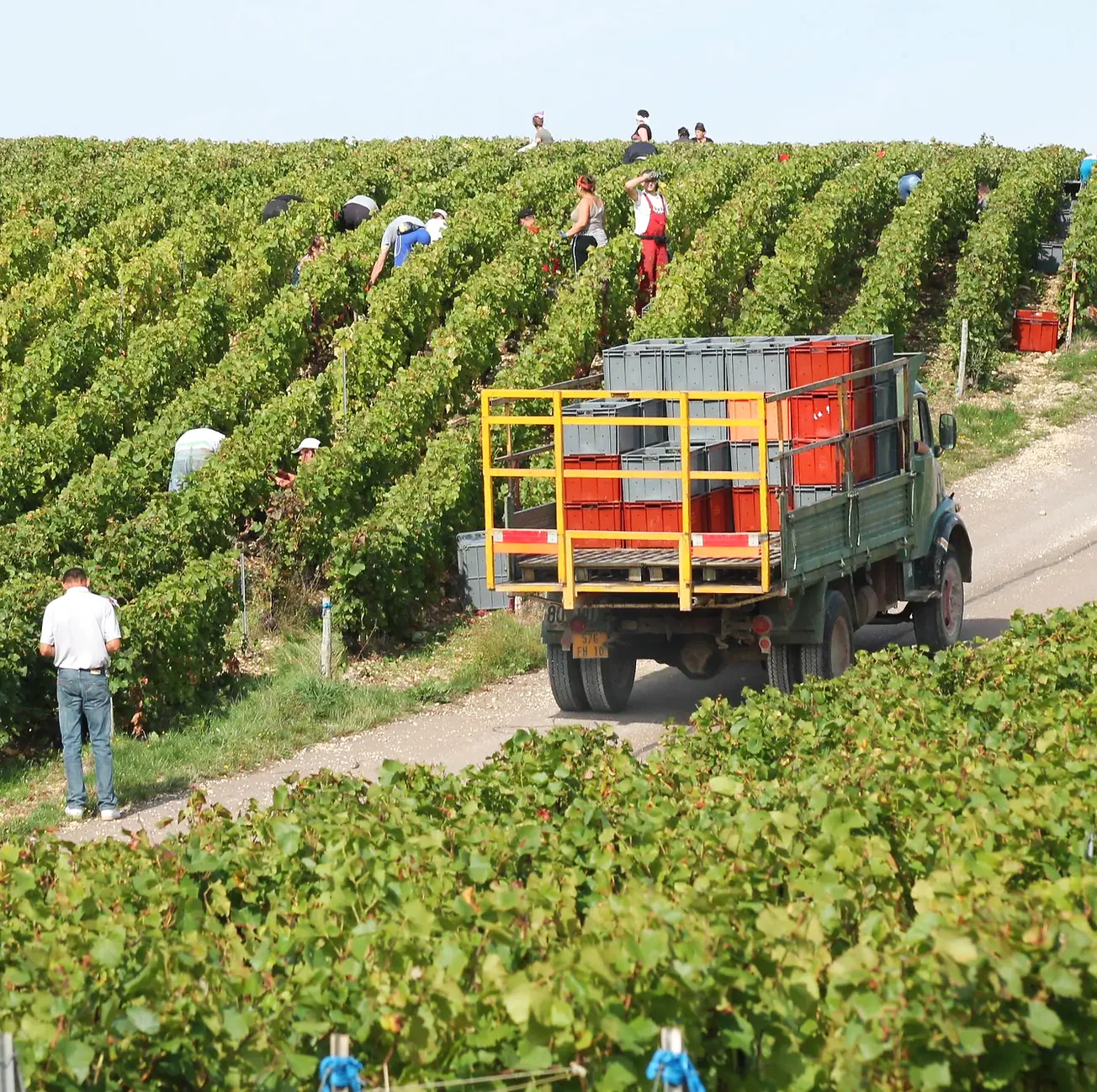
Unlike in many other appellations, Champagne does not apply a fixed figure to every vintage. Before the vendange, the trade bodies agree the maximum permitted yield for the harvest together with the viticultural authorities, depending on the weather, the health of the grapes and the state of the market. The order of magnitude is around 10,000 kilograms per hectare, though in difficult or very abundant vintages it can move noticeably down or up.
The reserve as a buffer
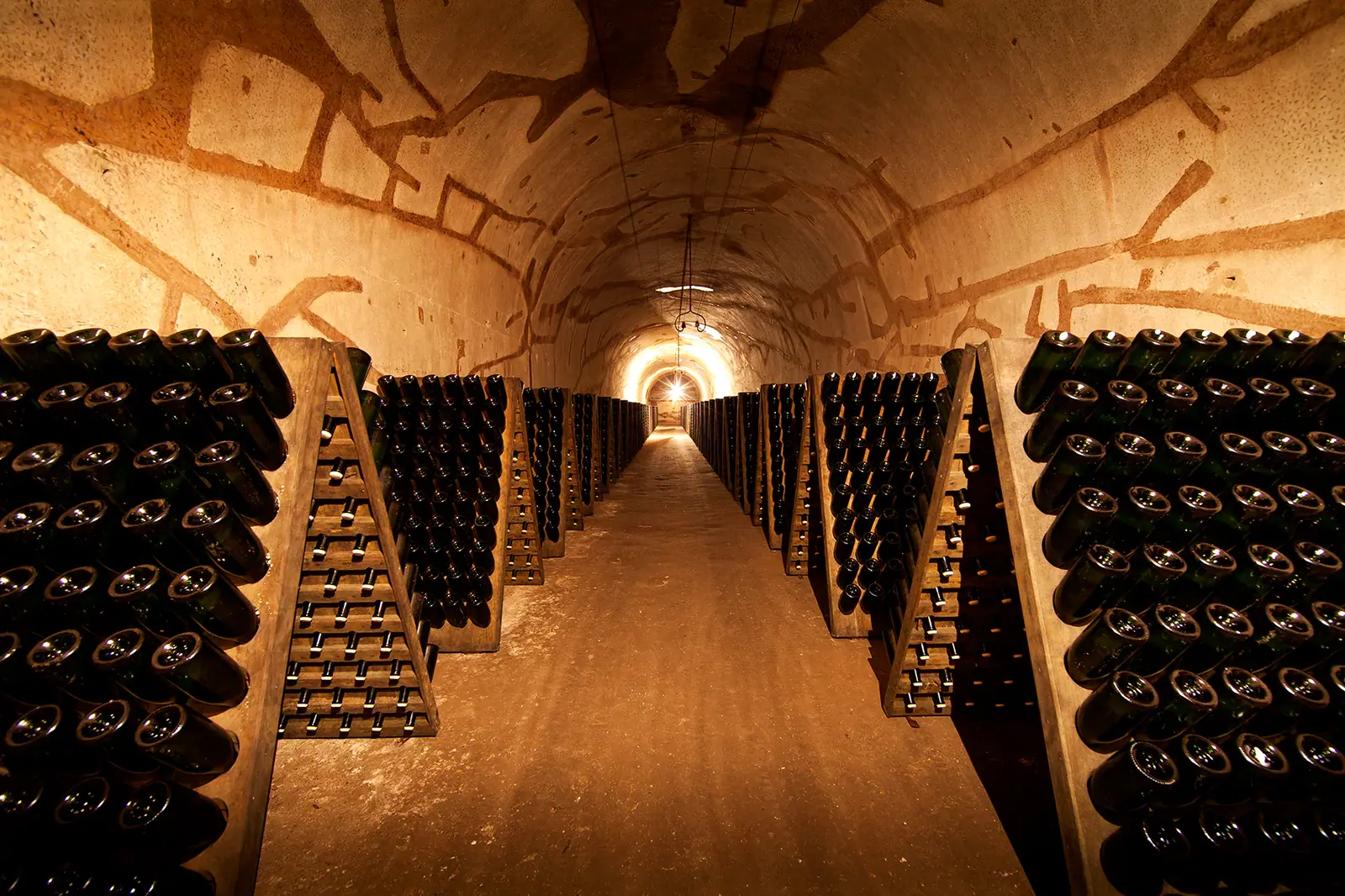
Not all of the harvest has to go straight to market as champagne. Part of it can be set aside as a qualitative reserve and then becomes available in weaker years. This is also where the vins de réserve come from, which houses and growers use for their non-vintage cuvées. In this way the region evens out the swings between vintages and keeps the house style steady over the years.
The traditional pressing of one marc takes 4,000 kilograms of grapes and yields 2,550 litres of must.
Yield and pressing
Yield should not be confused with the extraction at the press. The traditional pressing of one marc takes 4,000 kilograms of grapes and yields 2,550 litres of must. Of this, 2,050 litres are the cuvée, the finest fraction, and 500 litres are the taille. The yield in the vineyard and the extraction in the press house together determine how much wine a site actually produces.
What the grower can control
Within the ceiling, the vigneron shapes the actual yield. What matters is pruning, the number of buds per vine, the removal of surplus shoots and bunches, and the care of the soil. A grower who thins early in the season harvests less, but often more aromatic grapes. Especially in grand cru and premier cru sites, many producers see the maximum as a frame rather than a target.
Yield remains a compromise in Champagne: the region needs volume for a wine in demand all over the world, but does not want to sacrifice the ripeness and freshness of the grapes. The annual decision is the tool it uses to rebalance this again and again.
Pictures





 0 %
