
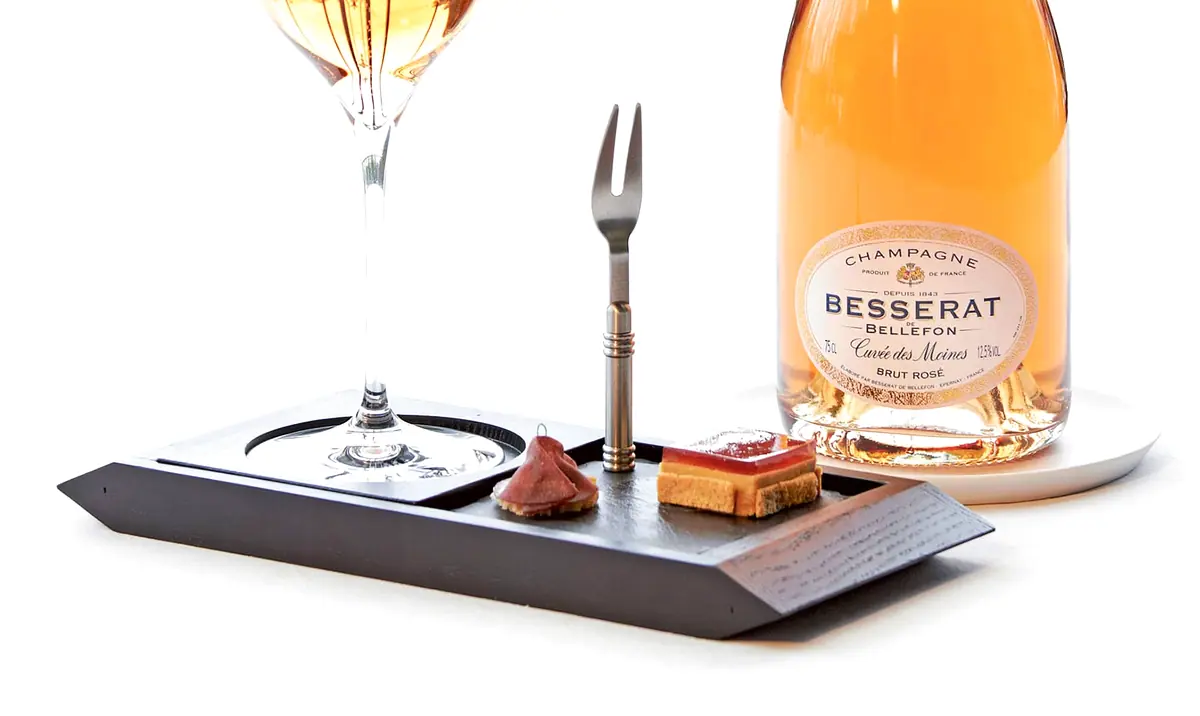
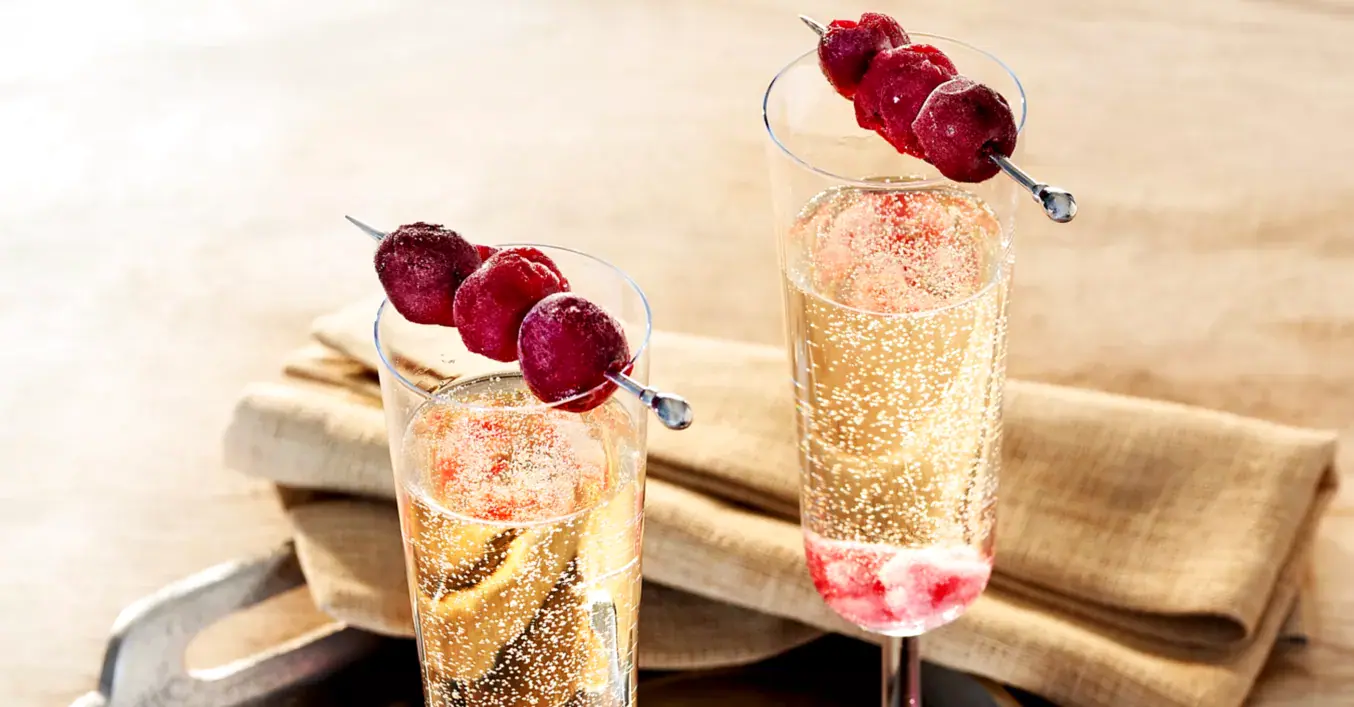
Rosé champagne is a dry champagne whose colour comes either from a brief maceration of the black grapes (saignée) or from the addition of red wine. It accounts for only around 3% of production.
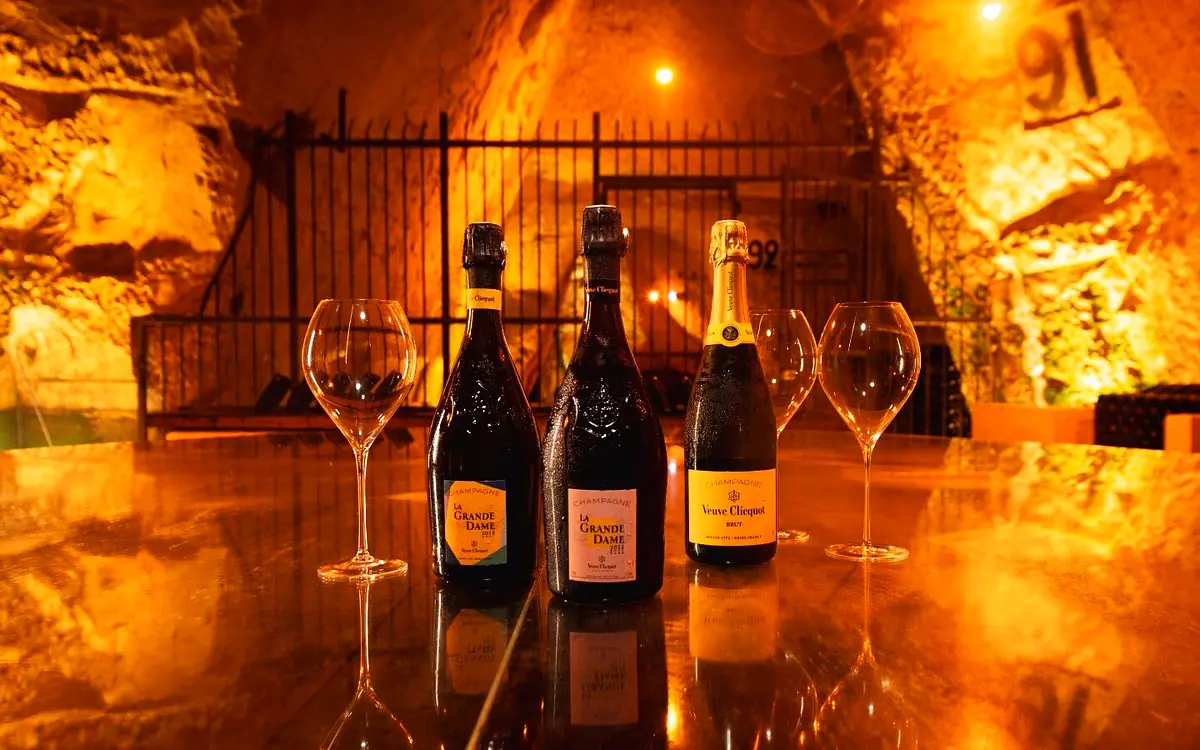
Rosé champagne has a long and eventful history. Rosé wines have been known for many centuries, and the wines of Champagne themselves, famed and revered in the 16th century as Vin Gris, were pink drinks. Monks such as Perignon and Oudart invested all their talent in finally managing to make white wine from black grapes. They would surely have been horrified to learn that the famous Widow Clicquot went on to introduce the deliberate production of pink champagne as well, successfully, in 1777.
Since then, rosé champagne has enjoyed a changeable popularity. Around 1850, for example, it was highly fashionable, then its fortunes declined, until around 1900 it was in great demand again. At that time it was often called Oeil de Perdrix (eye of the partridge). Today rosé has a relatively small but loyal following among enthusiasts (only about 3% of the champagne produced is now rosé). It is particularly popular with women, not least because pink is the colour of love and innocence, and also feels gentle and warming. Both in colour and in flavour, a rosé makes a first-class partner for meat dishes.
One reason why some drinkers pass rosé champagne by, especially in the USA, is a mistaken prejudice based on colour: for a long time they have known countless cheap pink sparkling wines, mostly marked by an unpleasantly sweet note.
Rosé champagnes, by contrast, are not sweet but dry sparkling wines, and as first-class, fully fledged champagnes they are in no way inferior to champagnes of any other colour. On average they are also a little more expensive than their white counterparts. A great many champagne houses have a rosé in their range.
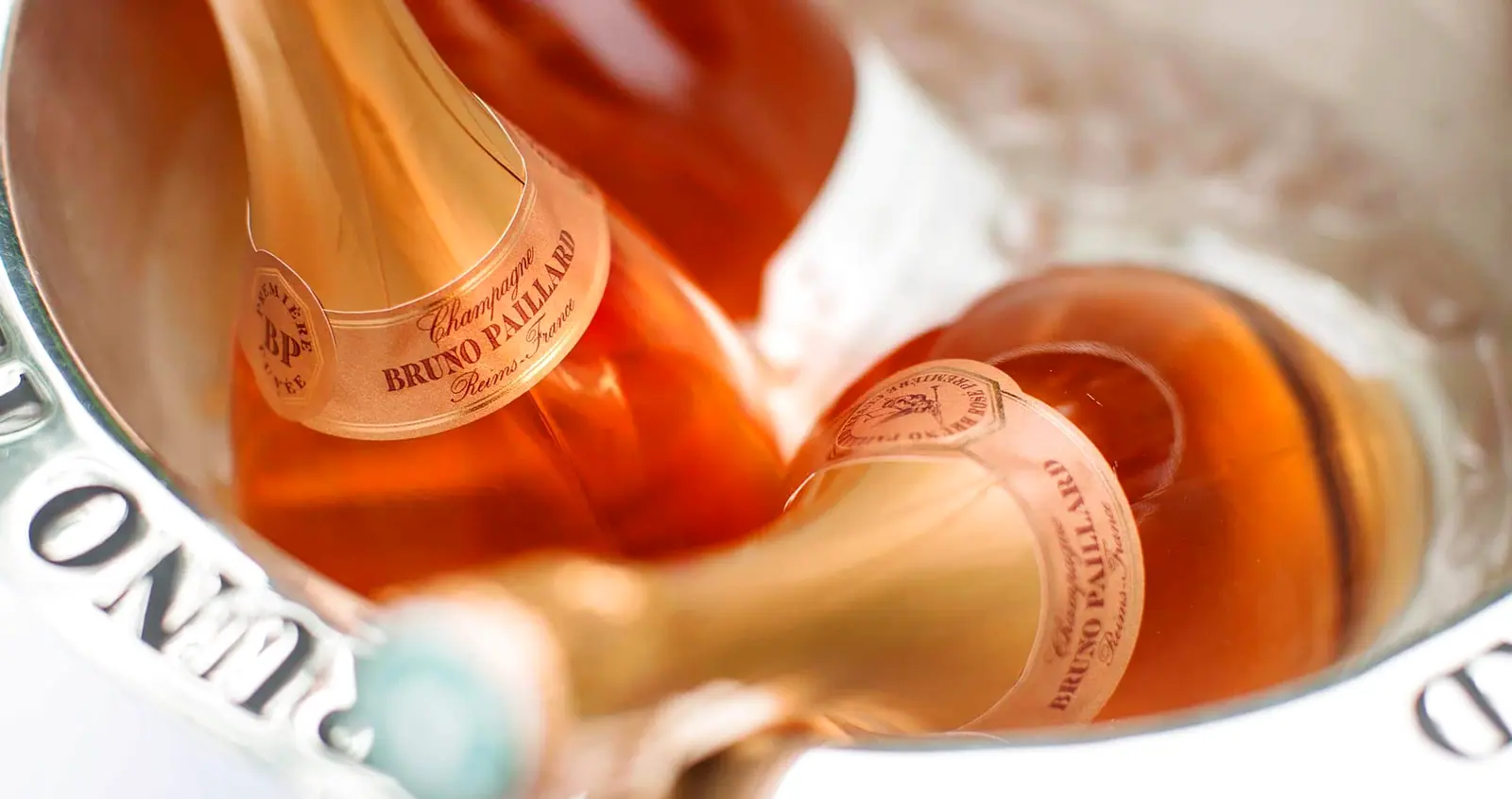
Making rosé champagne is somewhat more complex than making the usual champagne. The seductive colour is achieved either by a painstaking maceration, that is, a short soaking of the skins of the black grapes in the must (the method known as 'saignée'), or by the skilled addition of red wine. The pink of a house's rosé has to match precisely, year after year.
The sweetness scale
Choose a level. You will see the sugar content, the taste and what goes with it.
Bone dry, pure and mineral
Pairs with: Oysters, mussels, sashimi
More in the glossaryVery dry, taut and clear
Pairs with: Raw fish dishes, ceviche
More in the glossaryDry, the classic
Pairs with: Aperitif, seafood, Parmesan
More in the glossaryMedium dry, soft
Pairs with: Asian cuisine with a little heat
More in the glossarySweet, fruity
Pairs with: Foie gras, fruit desserts
More in the glossarySweet, now rare
Pairs with: Cakes, tarts, patisserie
More in the glossaryPictures
 Bottle
 Bottle
 Bottle
 Bottle
 Bottle
 Bottle
 Bottle
 Bottle
 Bottle
