
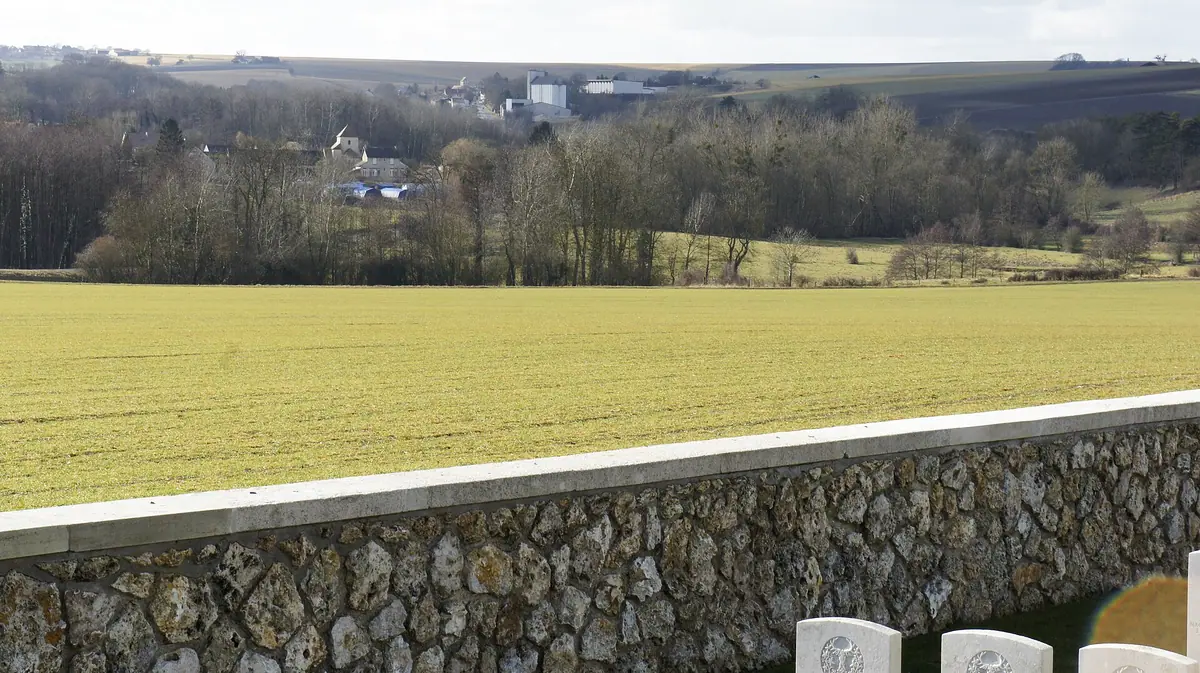
The SGV is the trade association of Champagne's growers. It represents the interests of grape producers in dealings with the champagne houses, politicians and the authorities.
The voice of the growers
The Syndicat Général des Vignerons de la Champagne, or SGV for short, is the body that represents the growers of the region. It is based in Épernay and speaks for the people who own the vineyards: small family estates as well as growers who supply their grapes to houses or cooperatives, and those who make and sell their own champagne.
Growers and houses: two sides, one table
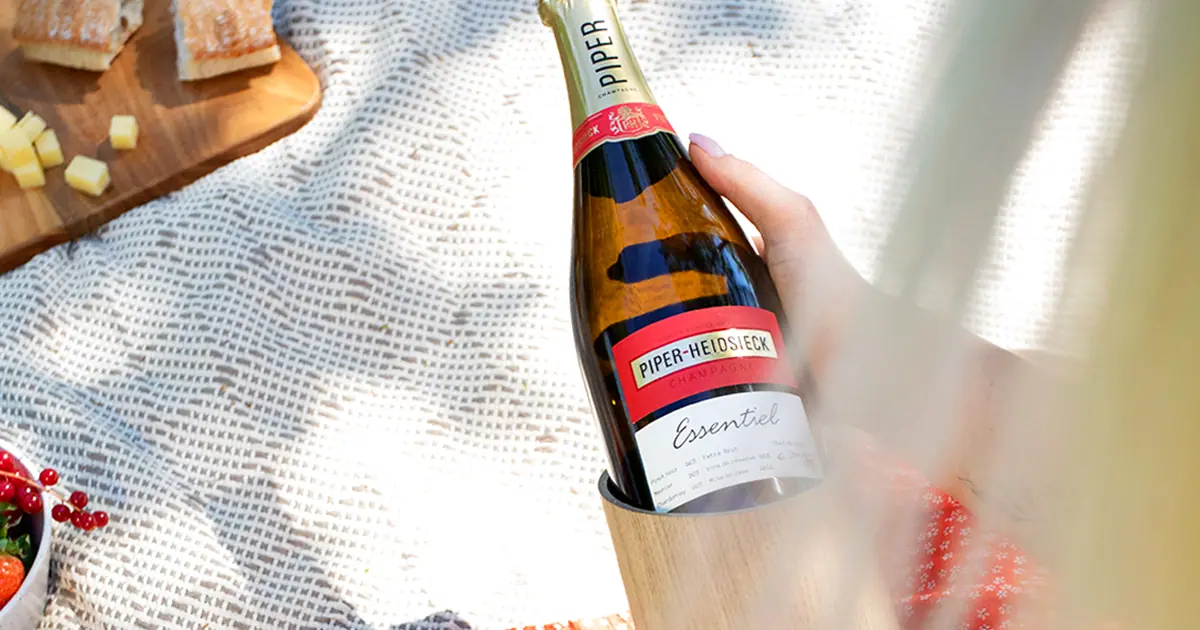
Champagne is organised in an unusually divided way. The vines belong mostly to growers, while the big brands are generally houses that buy in part of their grapes. Their interests do not always line up, for instance over the price of grapes or how much may be harvested. The counterpart to the growers is the Union des Maisons de Champagne (UMC), which speaks for the houses. Both bodies sit together on the Comité Champagne, the trade organisation founded in 1941 that steers the region jointly.
What the SGV negotiates in practice
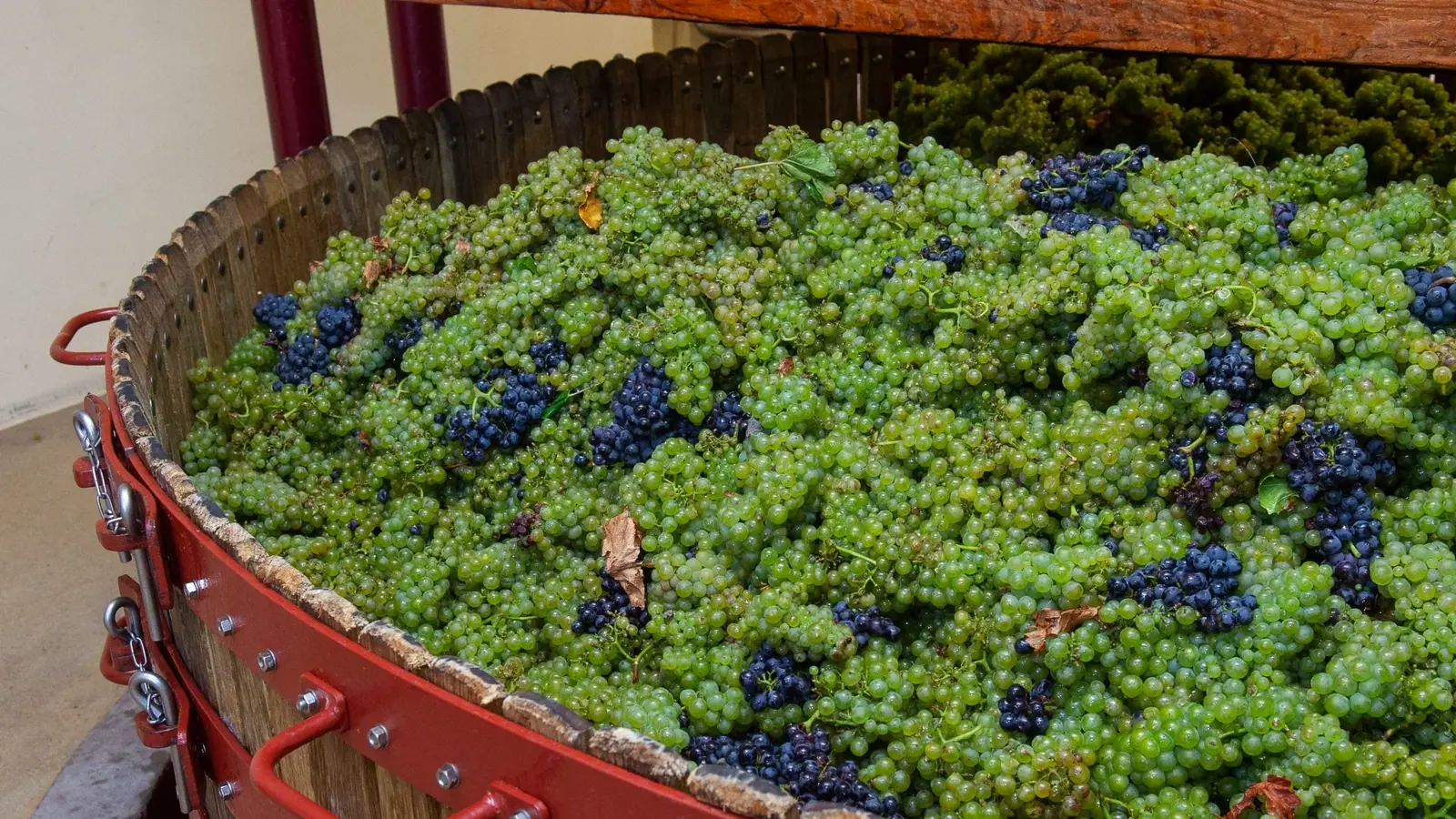
Each year, the SGV and the UMC discuss within the Comité Champagne the key levers of the appellation. These include the permitted yield per hectare, the amount set aside as réserve qualitative in good years, and questions of sales. The start of the harvest, by contrast, is not decided by the association but released regionally by decree, based on ripeness checks. Here the SGV brings in the view of the producers, who bear weather risks and crop losses directly.
The association also deals with issues that shape viticulture over the long term: crop protection and sustainable farming, adapting to climate change, rules on new plantings and the protection of the appellation name. Advising its members on legal and practical matters is another of its tasks.
Why the term matters to wine lovers
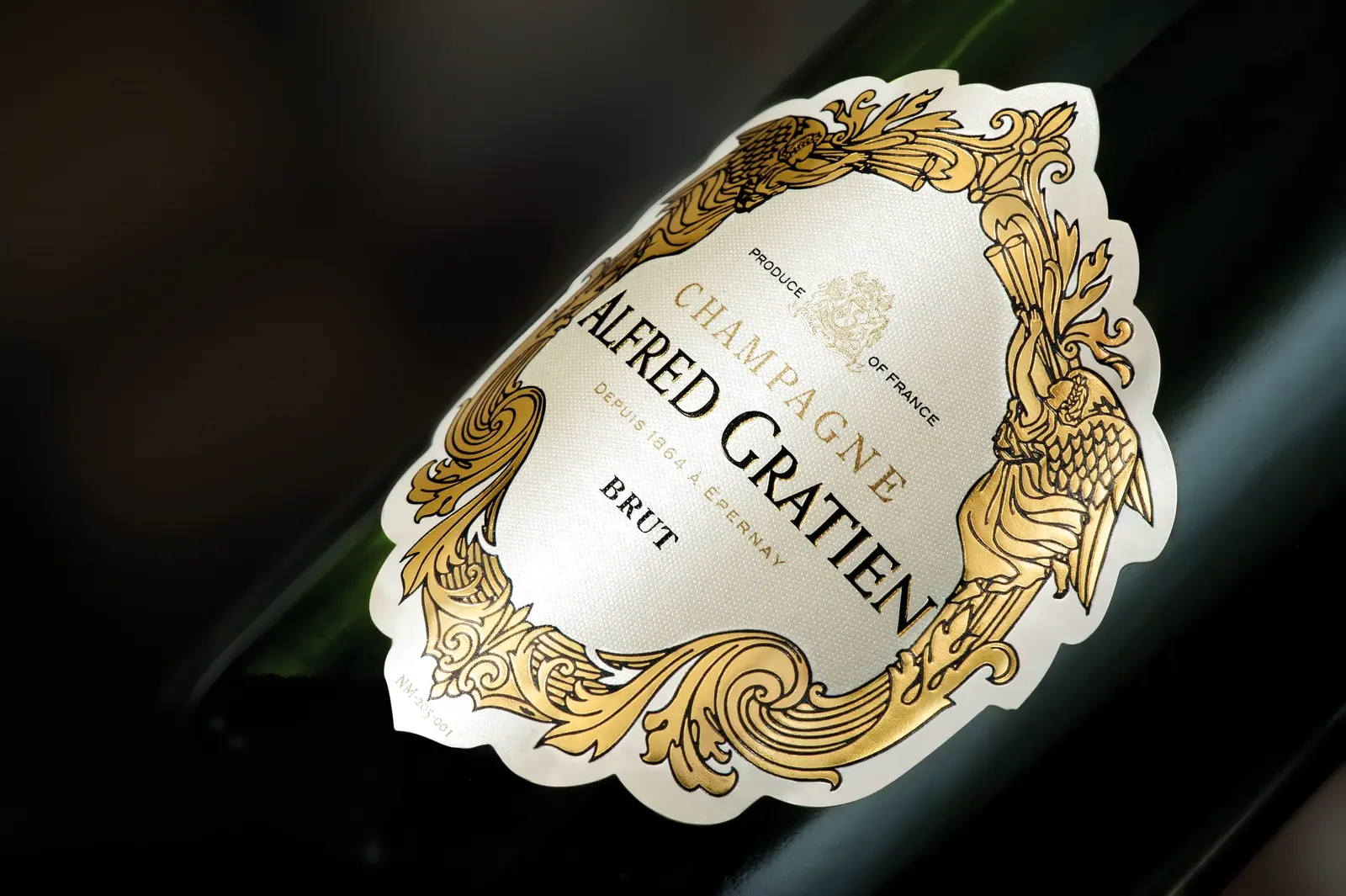
Anyone who reads abbreviations such as RM or NM on a label is indirectly encountering the structure the SGV represents. Behind a grower champagne there is often an estate that belongs to the association. In this way the SGV explains a piece of Champagne: its balance rests on growers and houses negotiating their interests rather than playing them off against each other.
Pictures




 0 %
