
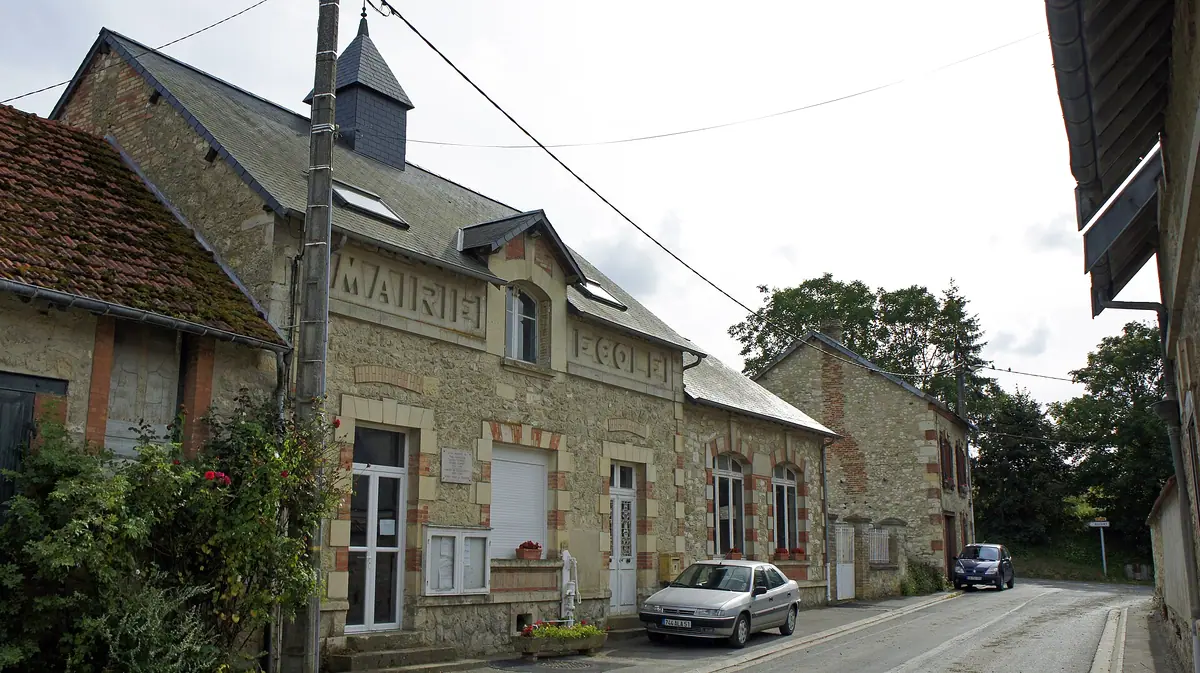
The UMC is the trade association of the champagne houses, based in Épernay. It represents the interests of the <em>Maisons</em> in dealings with the growers, with politicians and with the market.
The Union des Maisons de Champagne, or UMC for short, is the association of the champagne houses. It represents the Maisons, that is, the businesses that buy in grapes or wine, make the champagne themselves and sell it under their own brand. In the statistics they appear as Négociants-Manipulants. The UMC is based in Épernay.
Whom the UMC represents
Its members range from the large, world-famous houses to smaller brands. Together they account for a large share of all shipments and for the bulk of champagne exports. The counterpart in the Champagne region's structure is the Syndicat Général des Vignerons de la Champagne (SGV), which represents the growers. They own most of the vineyard land, while the houses farm only a smaller share themselves and therefore depend on buying in grapes.
Working with the growers
The UMC and the SGV jointly run the Comité Champagne, also known as the CIVC. This interprofession is staffed by both sides, with two presidents at the top, one from the growers' camp and one from the houses. This is where the course is set for the whole appellation. That includes proposals on the permitted yield per hectare, how the reserve is handled in good and poor years, and how much vineyard area will be planted in future. The interests are not always the same, because one side sells grapes and the other buys them. The association is therefore also a place where such differences are negotiated.
Looking outward
A core concern is protecting the name Champagne. Together with the Comité, the UMC campaigns against the misuse of the appellation name, including in countries outside Europe. Then there are trade questions such as tariffs and market access, which matter especially for a product so heavily geared towards export. Another field is sustainability: carbon footprint, vineyard practices and packaging, for example through lighter bottles.
What membership does not mean
The UMC is not a seal of quality. That a house is a member says nothing about the style or quality of any individual cuvée. Even so, the association matters to anyone who enjoys champagne, because its positions help decide how much champagne may be made in a given year, how the appellation presents itself and how it develops in the vineyard.
Pictures




 0 %
