

Soutirage, or racking, is the drawing off of a young wine from its sediment into a clean vessel. In Champagne it is done with the base wines before they are blended and bottled for the second fermentation.
Racking, or soutirage in French, means separating a wine from its sediment and pumping it into a clean tank or barrel. This sediment, the lees (lies), is made up of dead yeast cells, grape remnants and the solids that settle out of the wine. In Champagne the process is called soutirage. It is one of those quiet jobs in the cellar that help decide how pure a base wine turns out.
When racking happens in Champagne
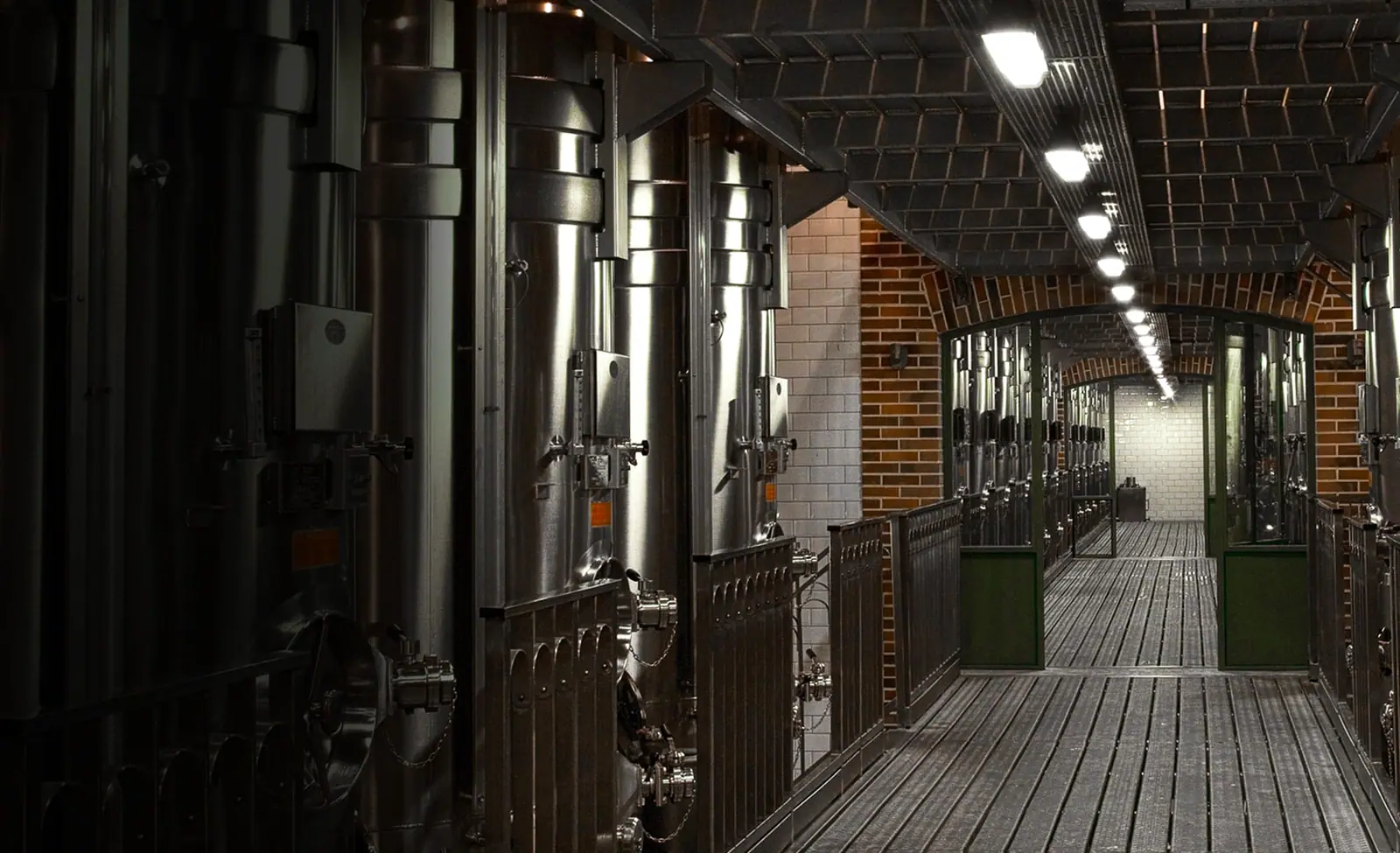
Even the freshly pressed juice is cleared of coarse solids in the débourbage. It then ferments, usually in stainless steel, though some houses and growers use oak barrels too. Once alcoholic fermentation has finished and, where it is wanted, malolactic fermentation has run its course, the young wine is racked off the yeast. This normally happens in winter after the harvest. The cold cellars help, because the wine clears naturally and tartrate crystals drop out. Only after that comes the assemblage, in which the cellar master blends wines from different sites, grape varieties and vintages, often including reserve wines, into the cuvée.
What racking achieves
If a wine stays too long on its gross lees, their breakdown can bring unpleasant tones, such as musty or sulphurous notes. Racking guards against that. The wine also comes briefly into contact with air, which can release reductive notes. At the same time the cellar master has to be careful, because too much oxygen would take freshness and tension away from the champagne. A little sulphur is often added during racking to protect the wine. How often and how gently a wine is racked is a question of house style.
Not to be confused with disgorgement
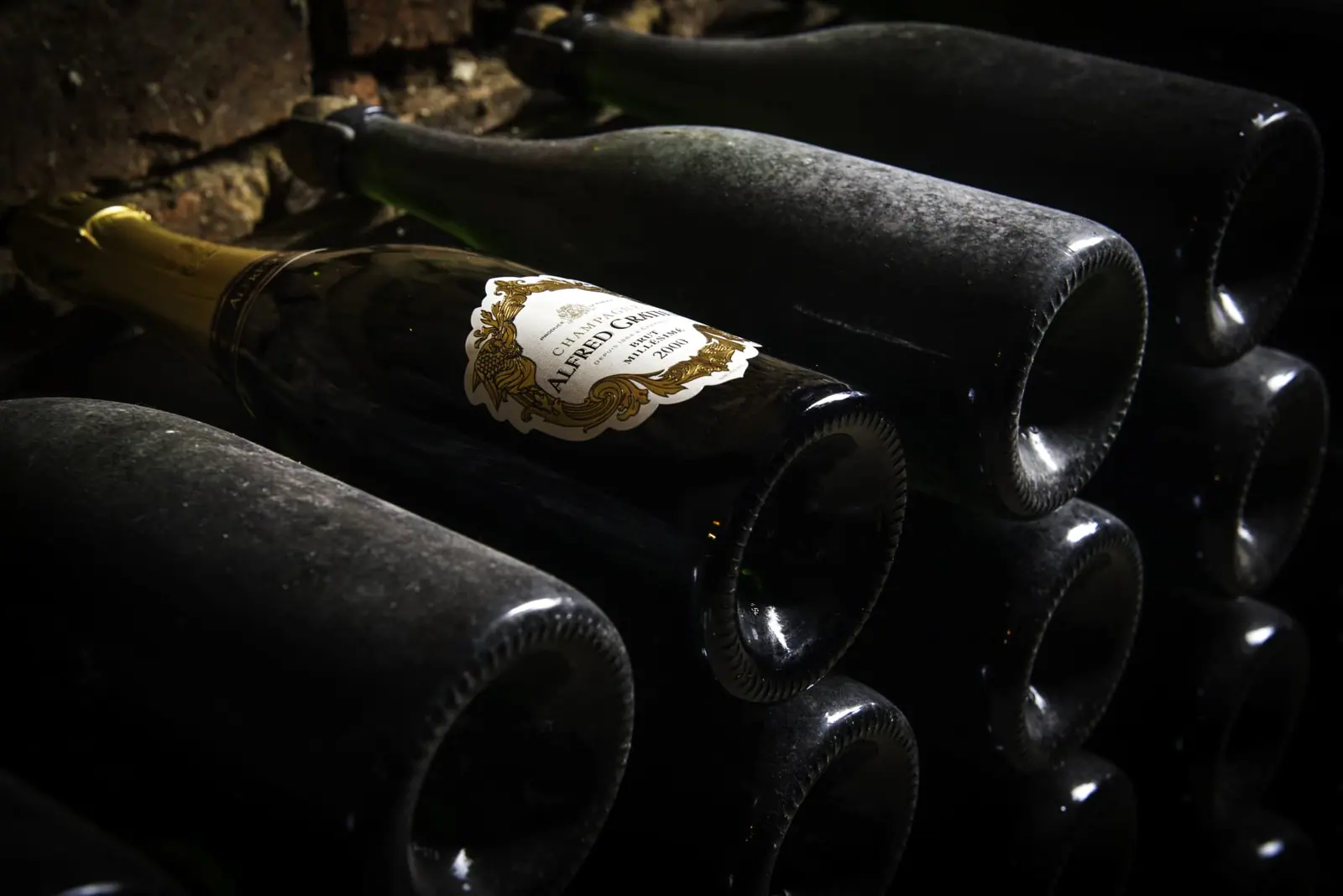
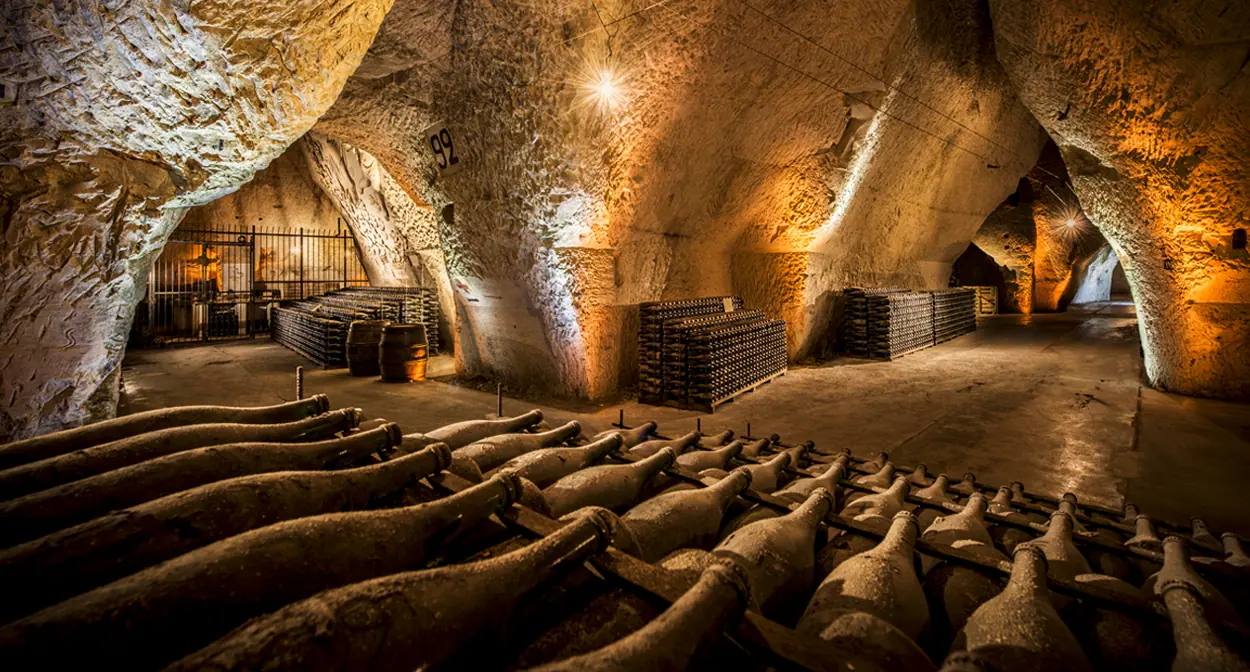
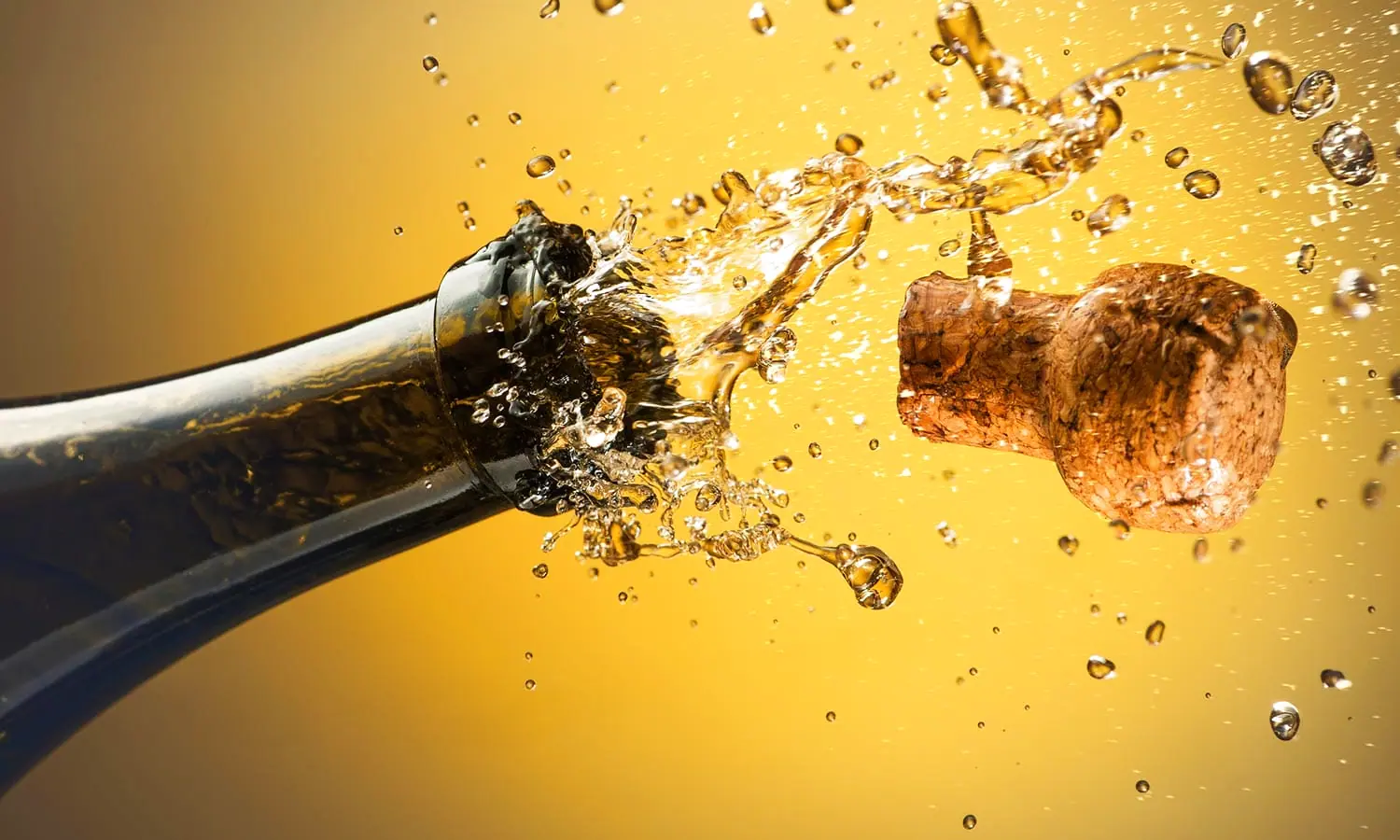
Racking concerns the still base wine, before it is bottled. The dégorgement comes much later. After the second fermentation and the ageing on the yeast in the bottle, the accumulated yeast deposit is removed from the neck of the bottle. So in champagne the wine is separated from the yeast twice, but in quite different ways: first in tank or barrel by racking, and finally in the bottle by disgorgement.
Pictures




 0 %
