
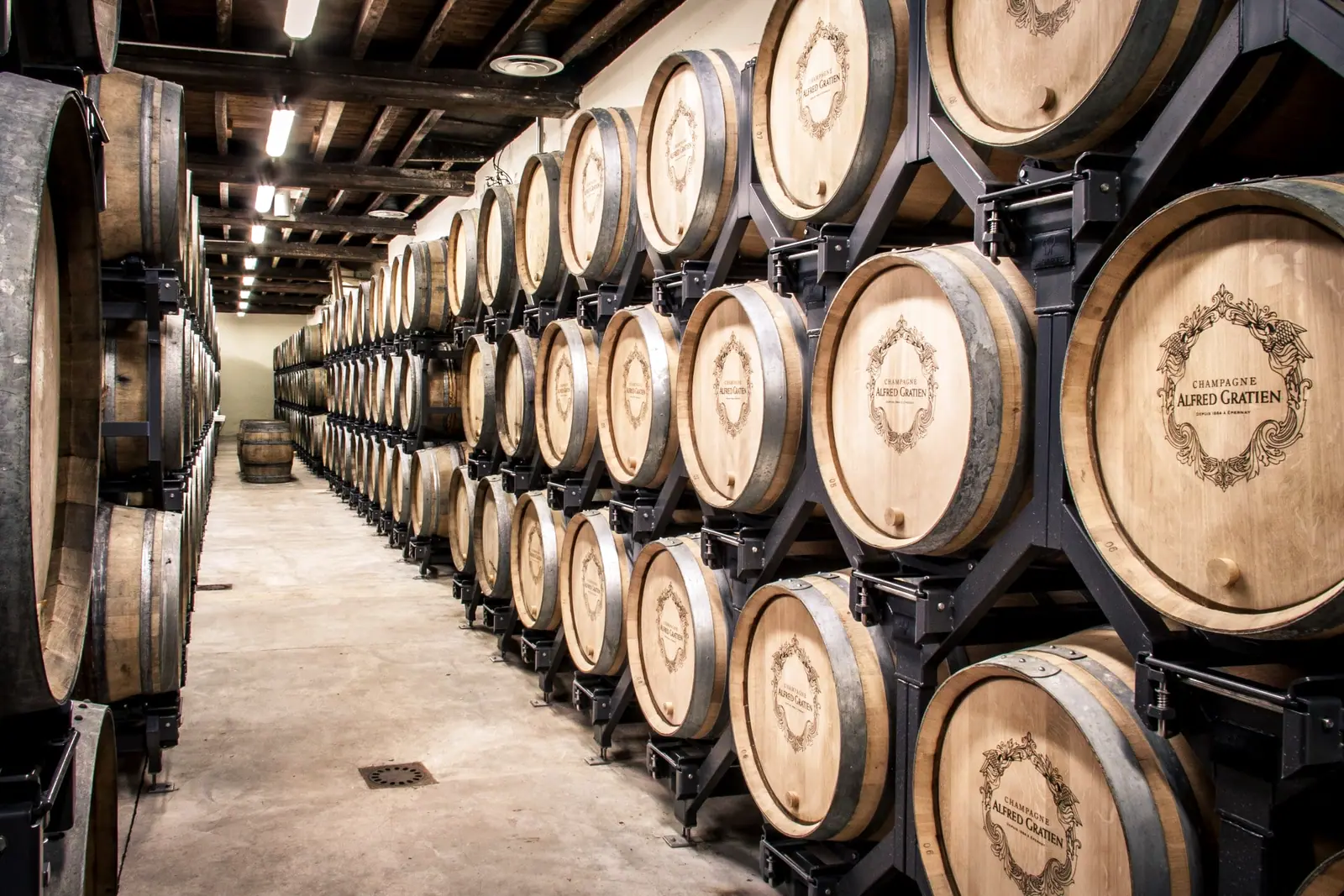
Caques, also known as "foudres", are large oak casks in which the base wine matures for months or years. The wood allows a micro-oxidative maturation and can lend notes of vanilla, spice and toasted bread.
01The Role of Caques in Making Champagne
Introduction
Making champagne is a craft built on centuries-old traditions and techniques. One of the most fascinating and lesser-known parts of the process is the use of caques. These large wooden casks play an essential role in the maturation and flavour of champagne, and they stand for the precision and dedication that go into every bottle.
The History of Caques
Caques, known in French as "foudres", are large oak casks traditionally used in the making of wine and champagne. They have a long history that goes back to the Middle Ages, when they were first used to store and transport wine and beer. Over time, growers and champagne makers recognised the particular qualities these casks could give their wine.
How Caques Are Made
Building a caque is a demanding process that calls for great skill and experience. First, oak is chosen that has been dried for several years, to make sure it has the right properties for maturing champagne. The wood is then bent into shape by hand and assembled. Caques vary in size, but they are typically much larger than standard wine or champagne barrels.
What Caques Do in Champagne Production
In champagne production, caques play a decisive role during maturation. Once the base wine has been made, it is filled into the caques, where it can mature for several months or even years. This ageing in wooden casks gives the champagne a more complex structure and deeper aromas, which come from the interaction between the wine and the wood.
The oak of the caques creates a micro-oxidative environment that lets the wine breathe and encourages the development of finer, more nuanced aromas. This oxidative maturation is different from ageing in stainless steel tanks, which offer a more reductive environment and tend to produce fruitier, fresher wines.
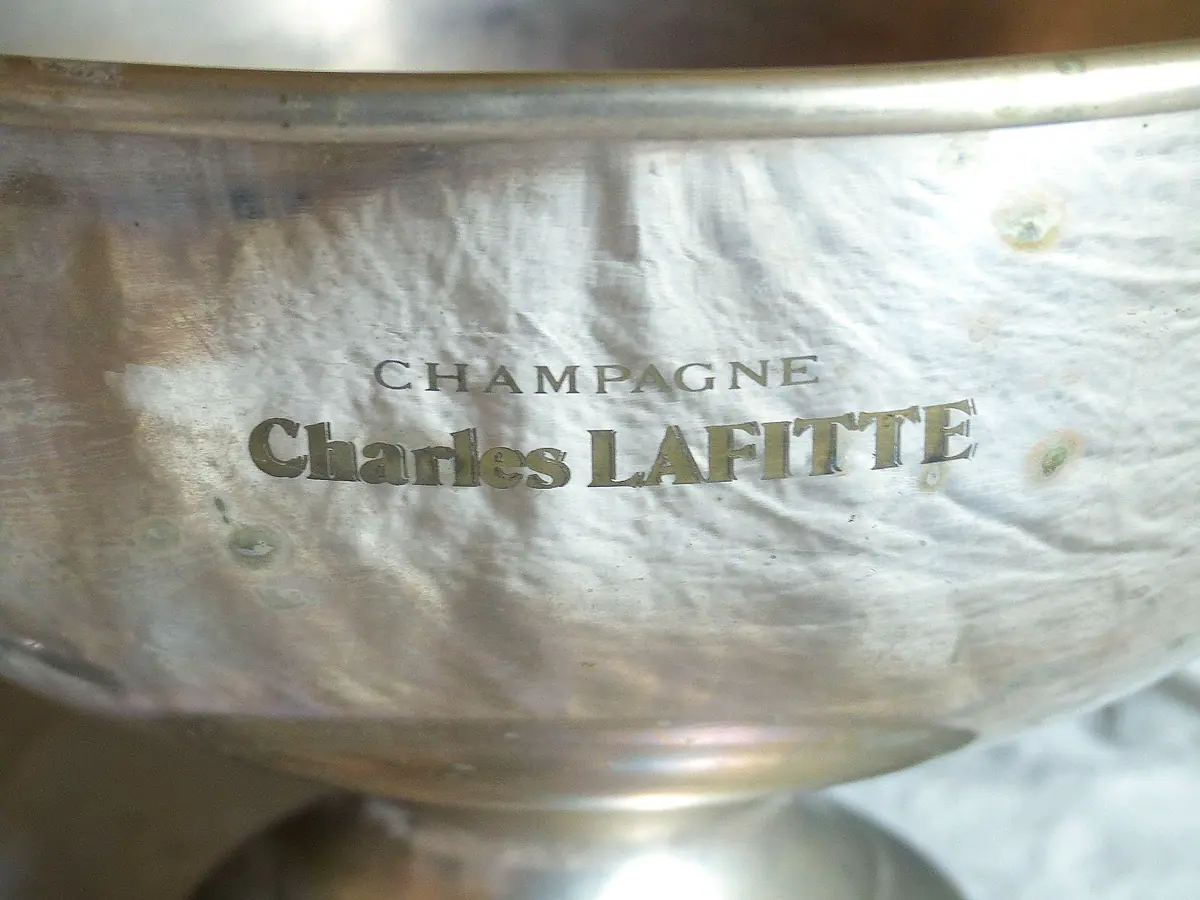 Charles Lafitte Champagner
Influence on Flavour
Champagne matured in caques has distinctive flavour profiles that set it apart from other styles. The wood can add notes of vanilla, spice and toasted bread, which increase the complexity and depth of the wine. These aromas often go beautifully with the natural fruit and yeast notes of the champagne, resulting in a rounded, layered tasting experience.
Since its founding in 1843, Krug has consistently matured its wines in large oak casks.
Tradition Versus Modernity
While many traditional champagne houses still swear by caques, modern production methods and technology have led to a greater variety of maturation approaches. Some producers now prefer stainless steel tanks or concrete eggs for a clearer expression of the grapes. Even so, the use of caques remains a sign of traditional craftsmanship and respect for the origins of champagne making.
Sustainability and Caques
Today, as sustainability and environmental protection grow in importance, the choice of maturation method matters here too. Oak from sustainably managed forests is an important factor for many champagne producers who want to preserve their traditions while protecting the environment. Well-maintained caques are also extremely durable and can be used for decades, which improves their environmental footprint further.
A Case Study: Champagne Krug
A outstanding example of caques in champagne making is the renowned house of Krug. Since its founding in 1843, Krug has consistently matured its wines in large oak casks. This practice is a central part of the unmistakable Krug style, known for its depth, complexity and longevity. At Krug, the casks are not only a means of maturation but also a symbol of the house's heritage and craftsmanship.
Conclusion
Caques are more than just large wooden casks; they are an integral part of the art of champagne making. Through their role in maturation and the development of flavour, they contribute a great deal to the quality and individuality of the finished wine. In a world increasingly shaped by technological progress and modernisation, the use of caques remains a valuable link to the roots and traditions of champagne culture. Whether in a large traditional champagne house or a small boutique winery, caques remain an indispensable tool for those who want to preserve the true spirit and authenticity of champagne.
Pictures

 0 %
