
Récoltant-Coopérateur (RC) describes a grower who belongs to a cooperative and sells champagne under his or her own name, made in the cooperative from the grower's own grapes. On the label it appears as the abbreviation RC.
The Récoltant-Coopérateur is a grower who does not press the grapes themselves, but has them processed by a cooperative and still sells the finished champagne under their own name. They own the vineyards and farm them, and the coopérative takes care of the rest.
How the arrangement works
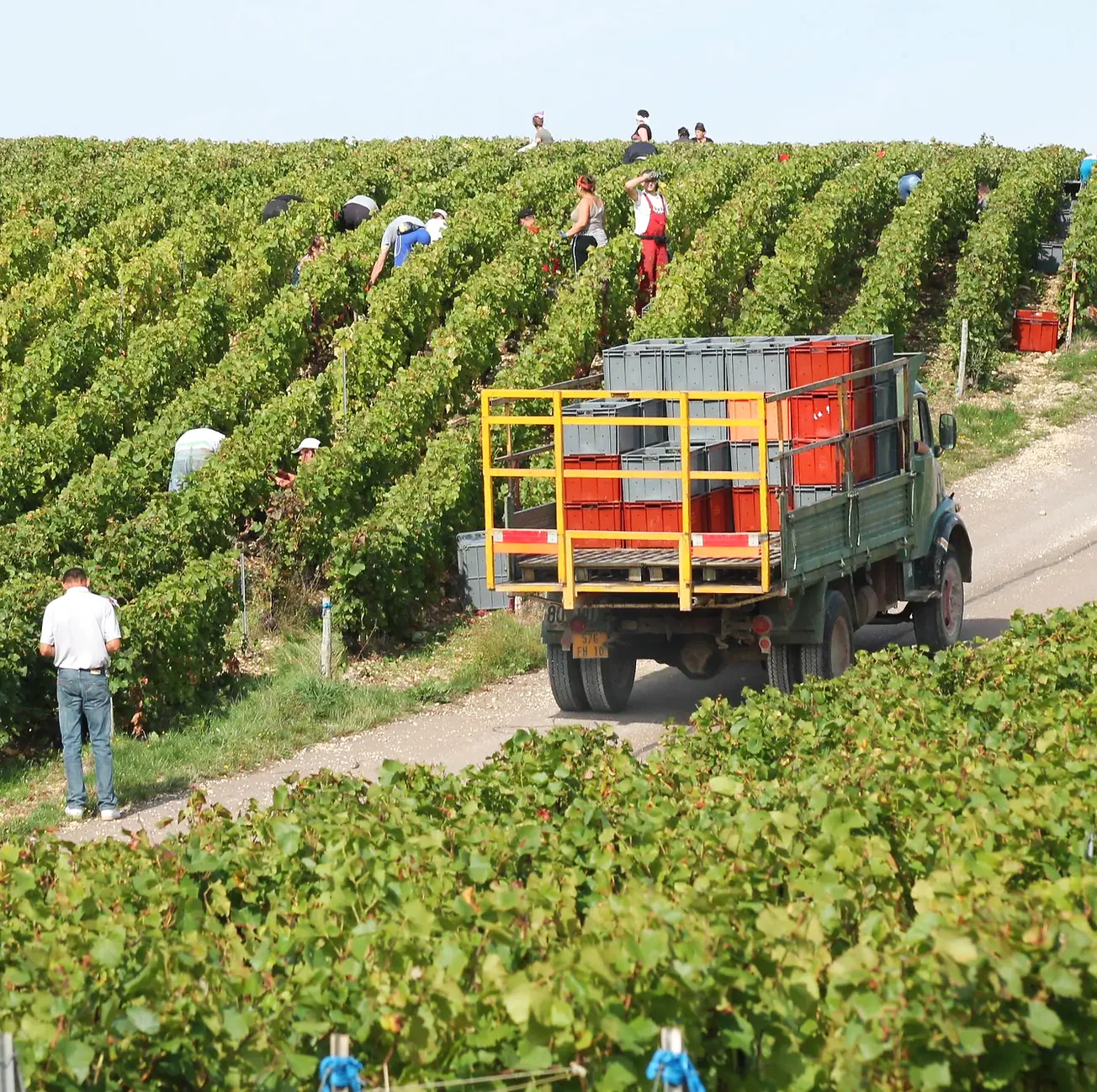
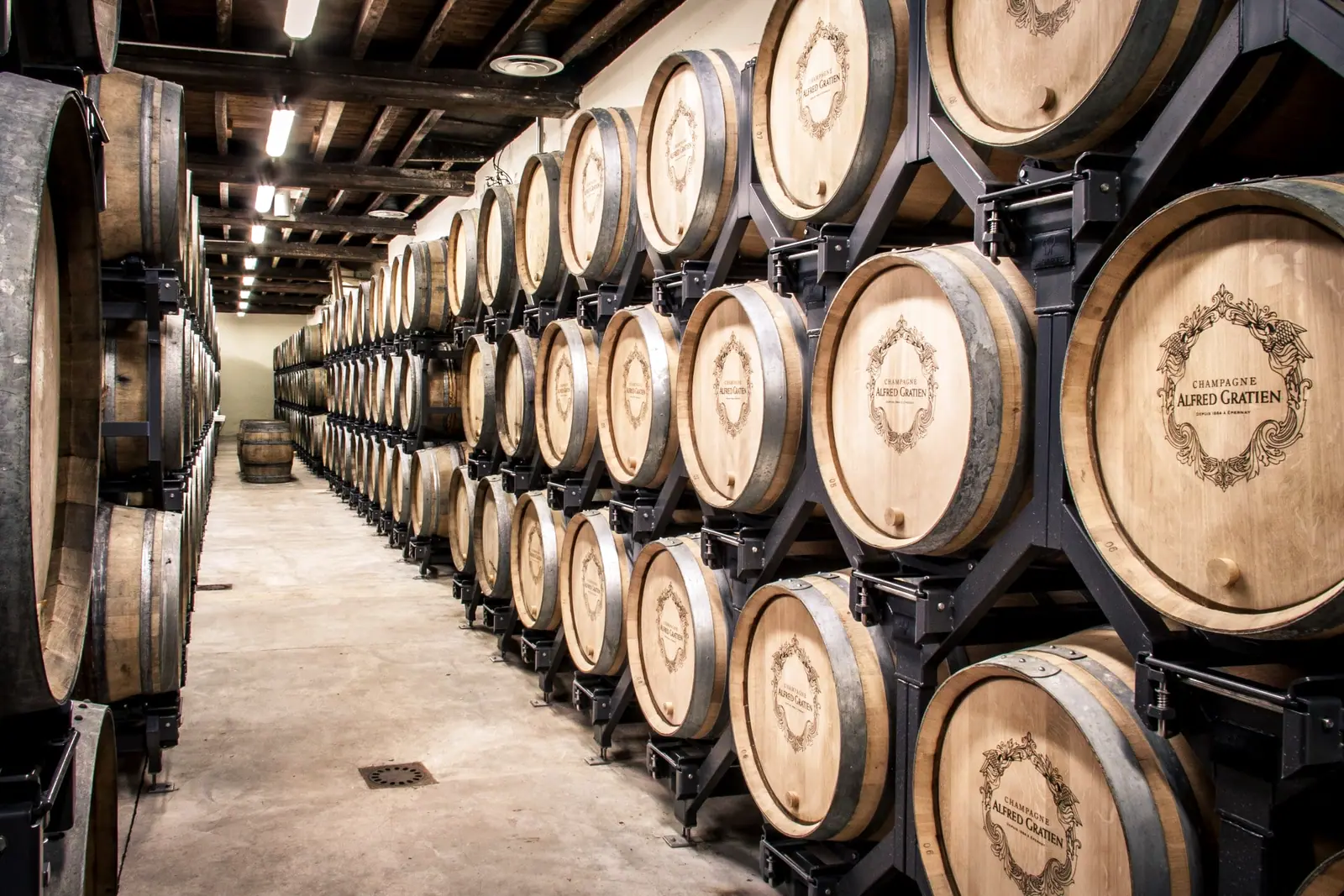
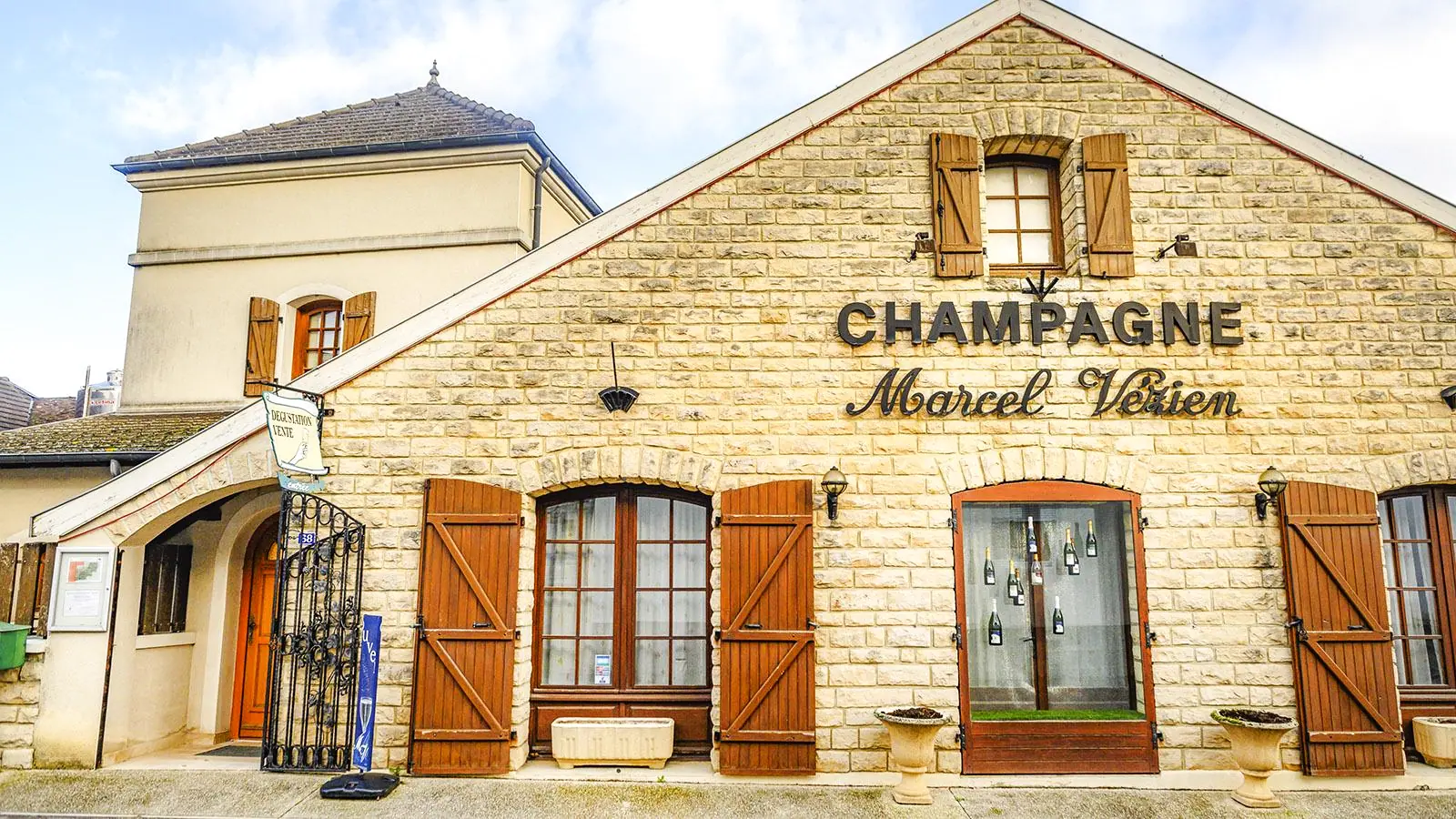
The member delivers the harvest to the cooperative. There the grapes are pressed, the must is fermented and the wines are aged. Depending on the house and the agreement, the cooperative may also handle the second fermentation in the bottle, the ageing on the lees, the remuage and the dégorgement. In the end the grower receives bottles, puts their own label on them and sells them directly, often from the estate itself, to private customers and to restaurants.
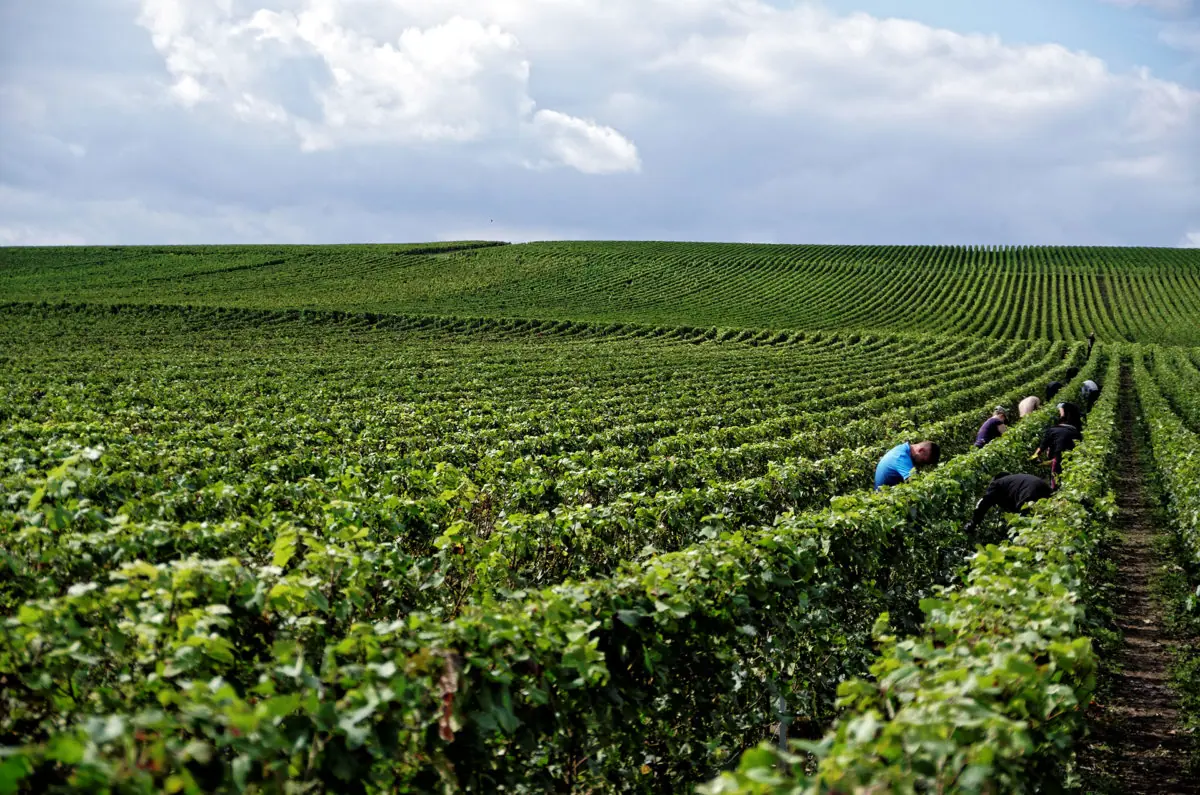
How far the wine really comes from the individual member's grapes depends on the cooperative. Some work parcel by parcel, others blend the harvest of several members. If you want to know exactly, ask the grower.
The abbreviation on the label
Every bottle of champagne carries a registration number with a letter code that tells you the producer's status. For the Récoltant-Coopérateur it reads RC, followed by a number. It is worth telling apart from:
- RM, Récoltant-Manipulant: the grower presses the grapes and makes the champagne on their own premises.
- CM, Coopérative de Manipulation: the cooperative sells under its own brand.
- NM, Négociant-Manipulant: the house buys in grapes or wines and markets them.
What this means in the glass
With an RC, two things count: the work in the vineyard and the skill of the cellar master at the cooperative. The signature in the glass therefore comes only partly from the name on the label. That need not be a drawback. Well-run cooperatives have modern press houses, large stocks of reserve wines and experienced cellar teams, which small estates could hardly afford on their own. This allows growers in the Marne, on the Côte des Blancs or in the Aube to offer champagne that shows where it comes from, without having to build a winery of their own.
For buyers, a glance at the abbreviation is worthwhile, but it is no substitute for tasting. There are RCs with a clear sense of place and fine bubbles, and there are plain everyday cuvées. What matters is the grape variety, the village, the vintage, the dosage and the time on the lees, all of which can usually be found on the label or learned from the grower.
Pictures

 0 %
