
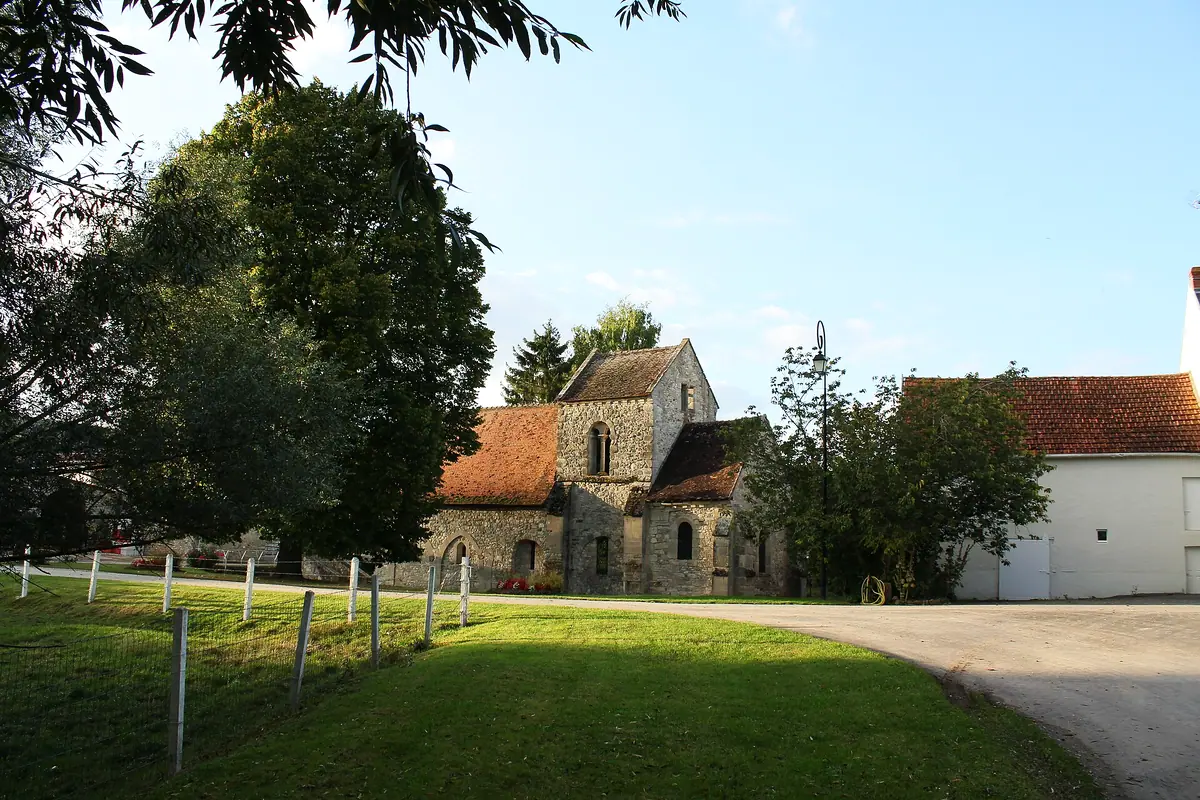
Since 2015, "Champagne Hillsides, Houses and Cellars" has been on the UNESCO World Heritage List. The listing protects selected sites where the origins and making of champagne can still be read in the landscape.
In July 2015, at its session in Bonn, the World Heritage Committee inscribed the site "Champagne Hillsides, Houses and Cellars" (Coteaux, Maisons et Caves de Champagne) on the World Heritage List. It counts as a cultural landscape. The title does not honour the whole region, but three areas which together show how viticulture, trade and cellar work gave rise to a product of its own.
The three parts of the site
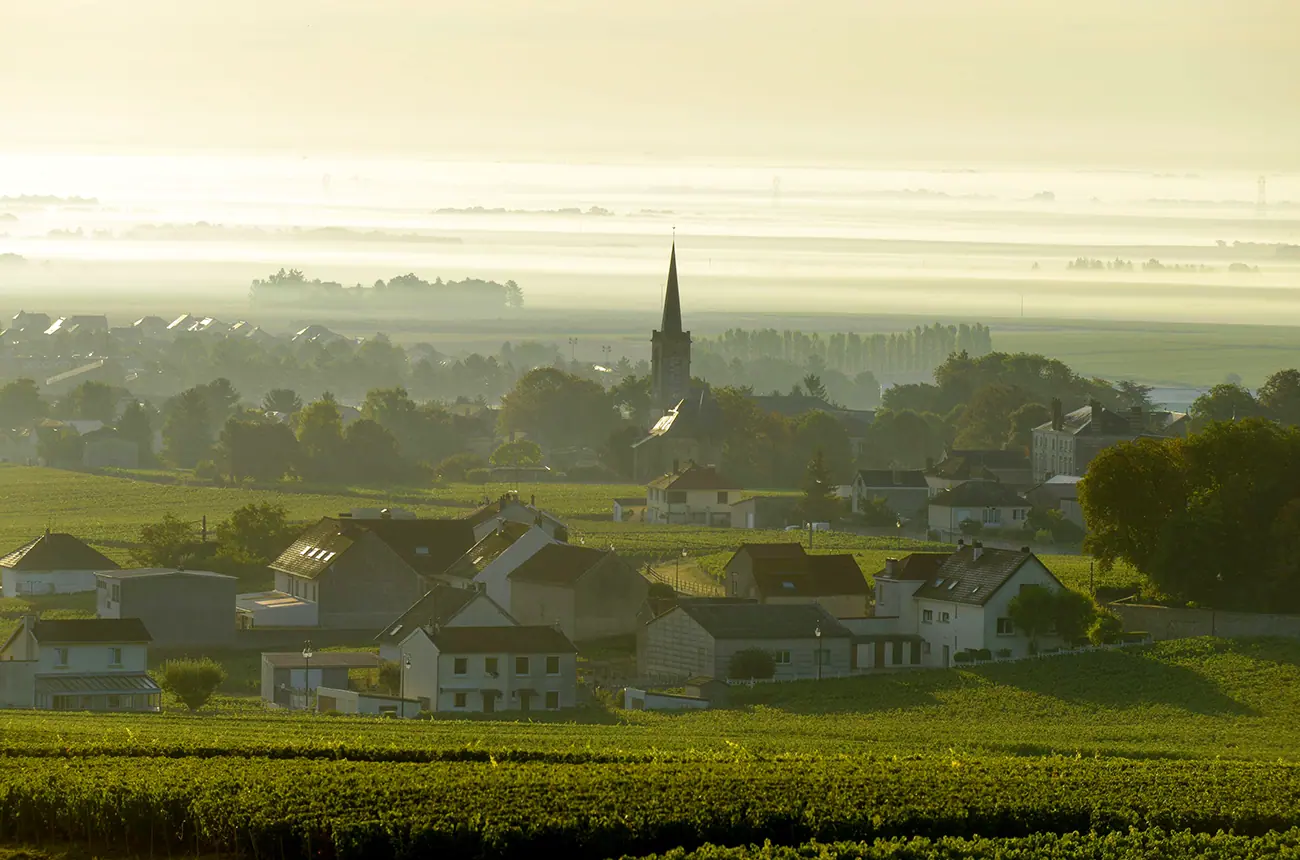
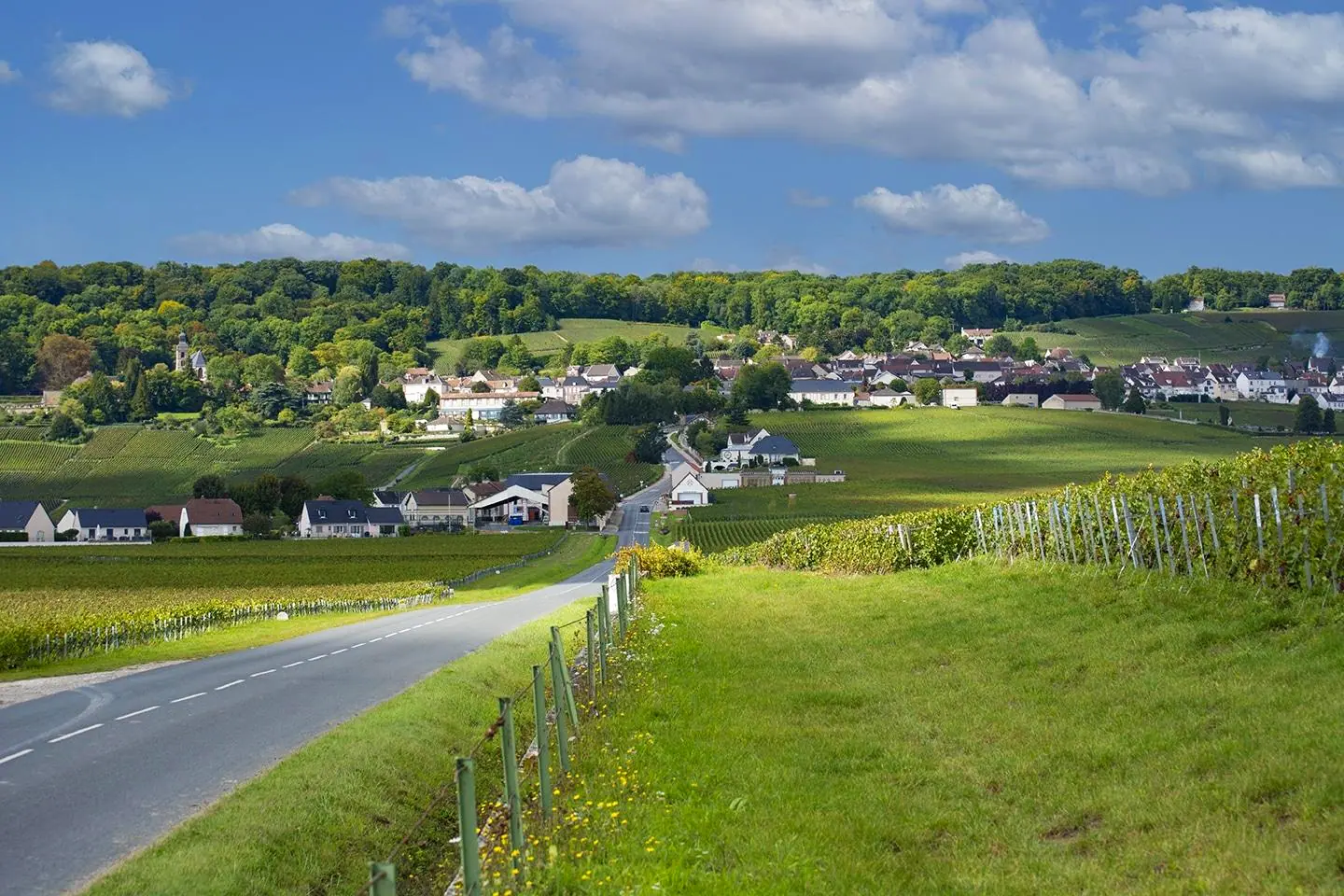
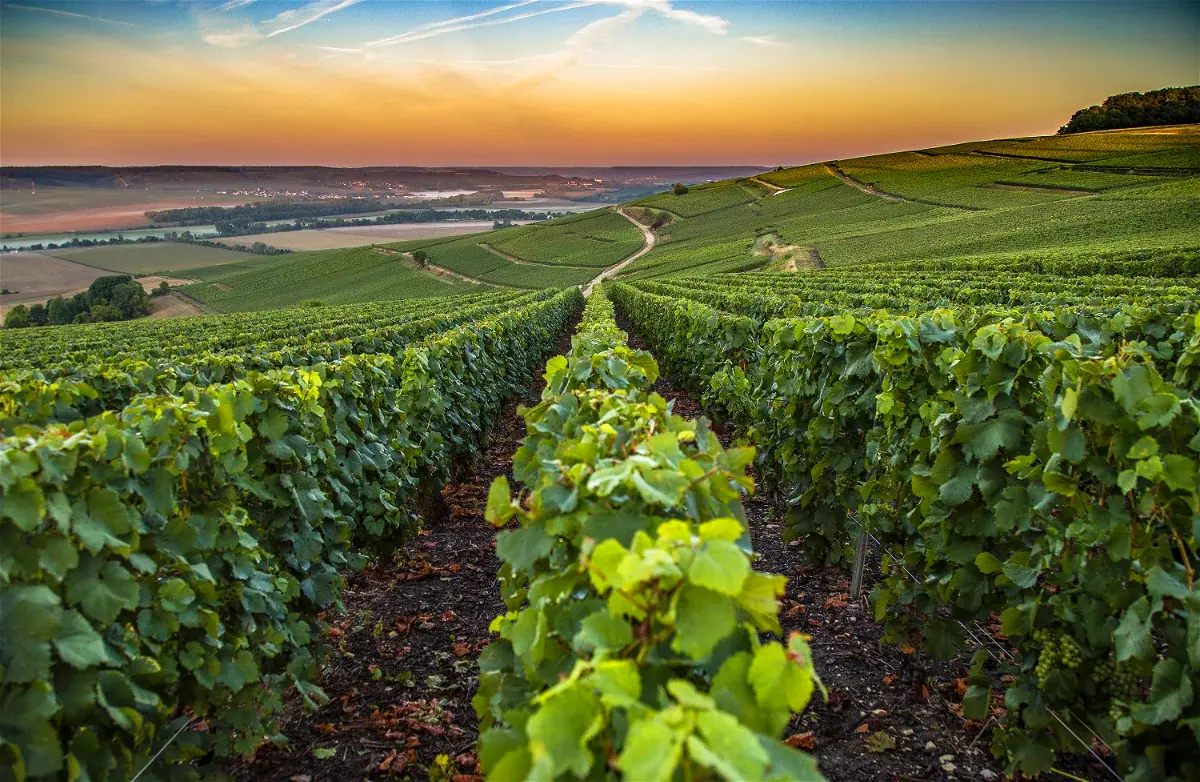
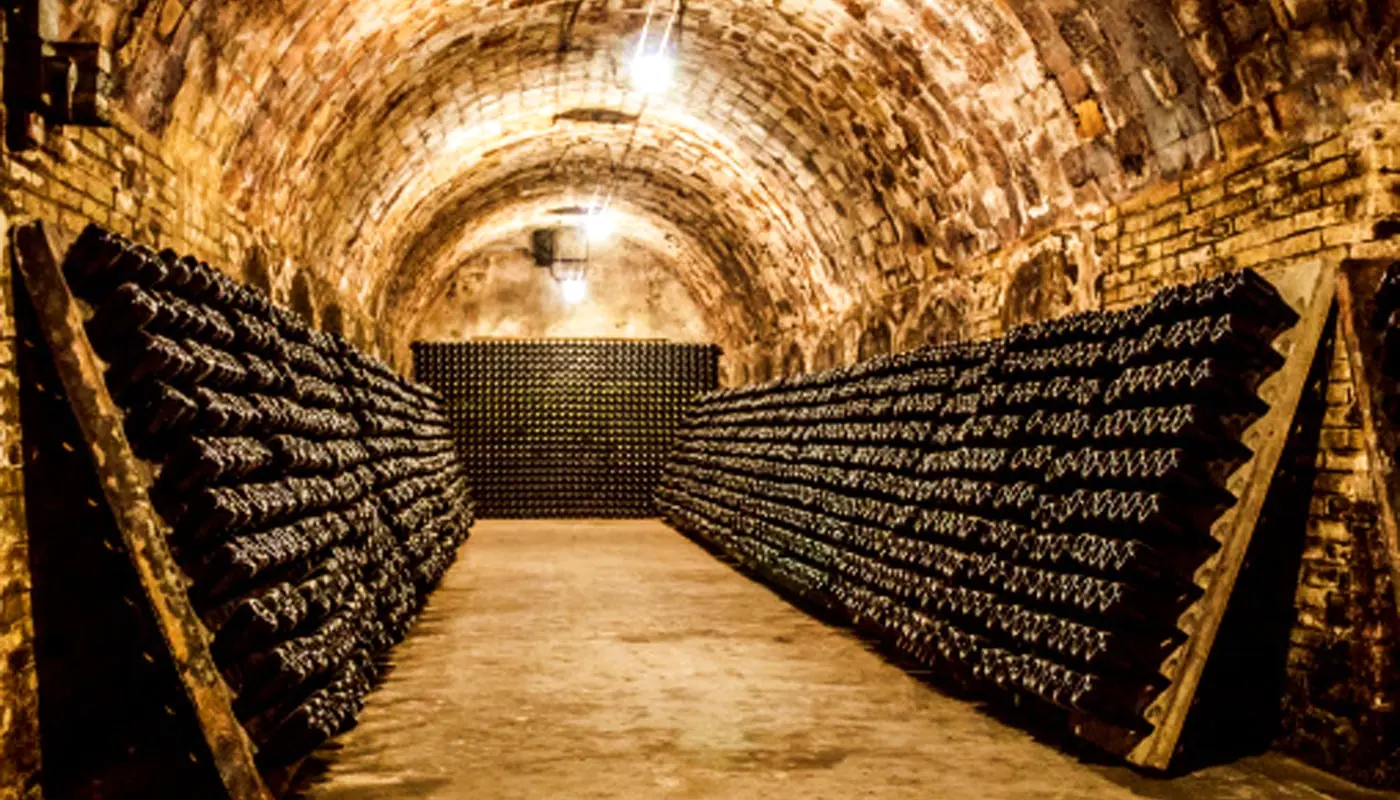
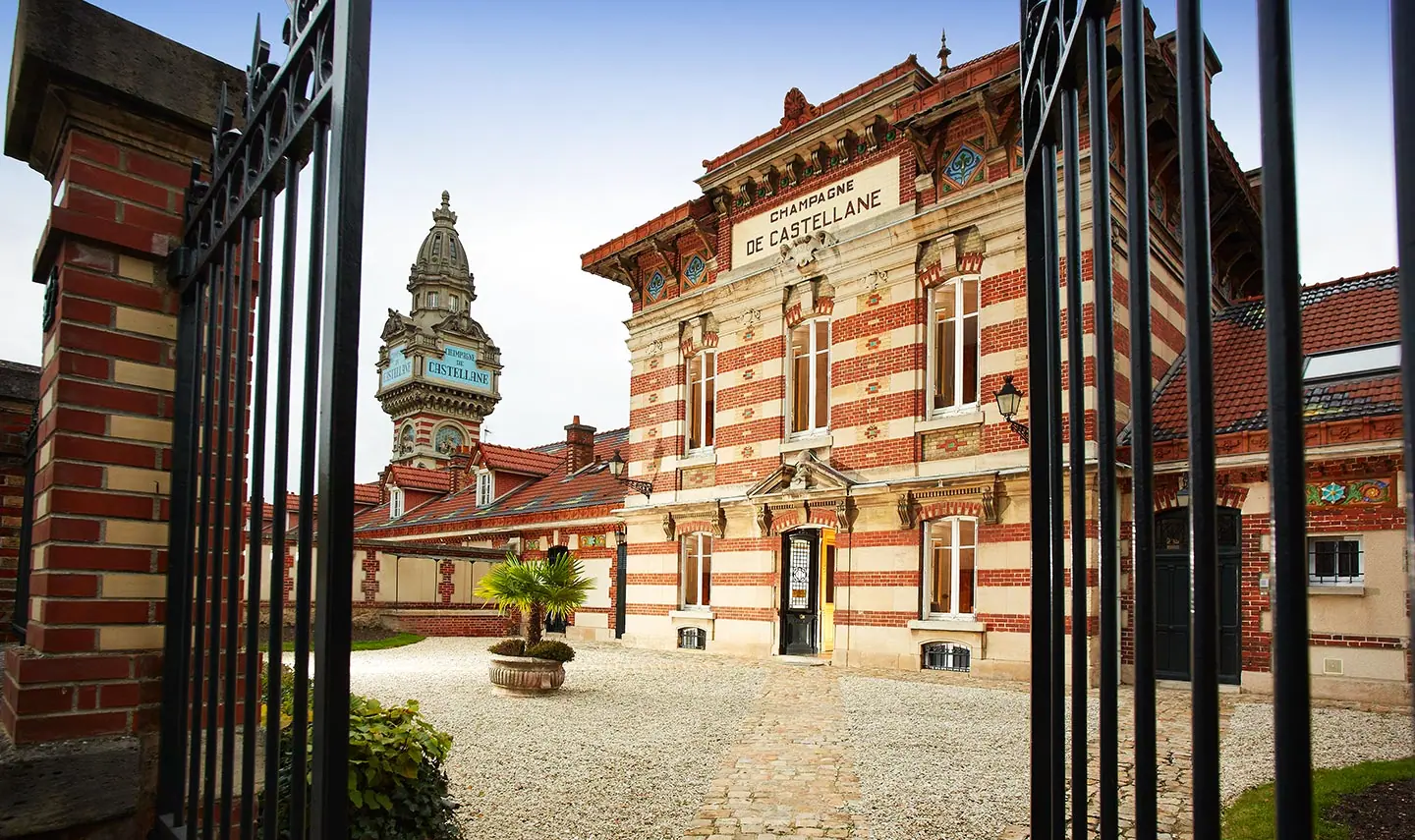
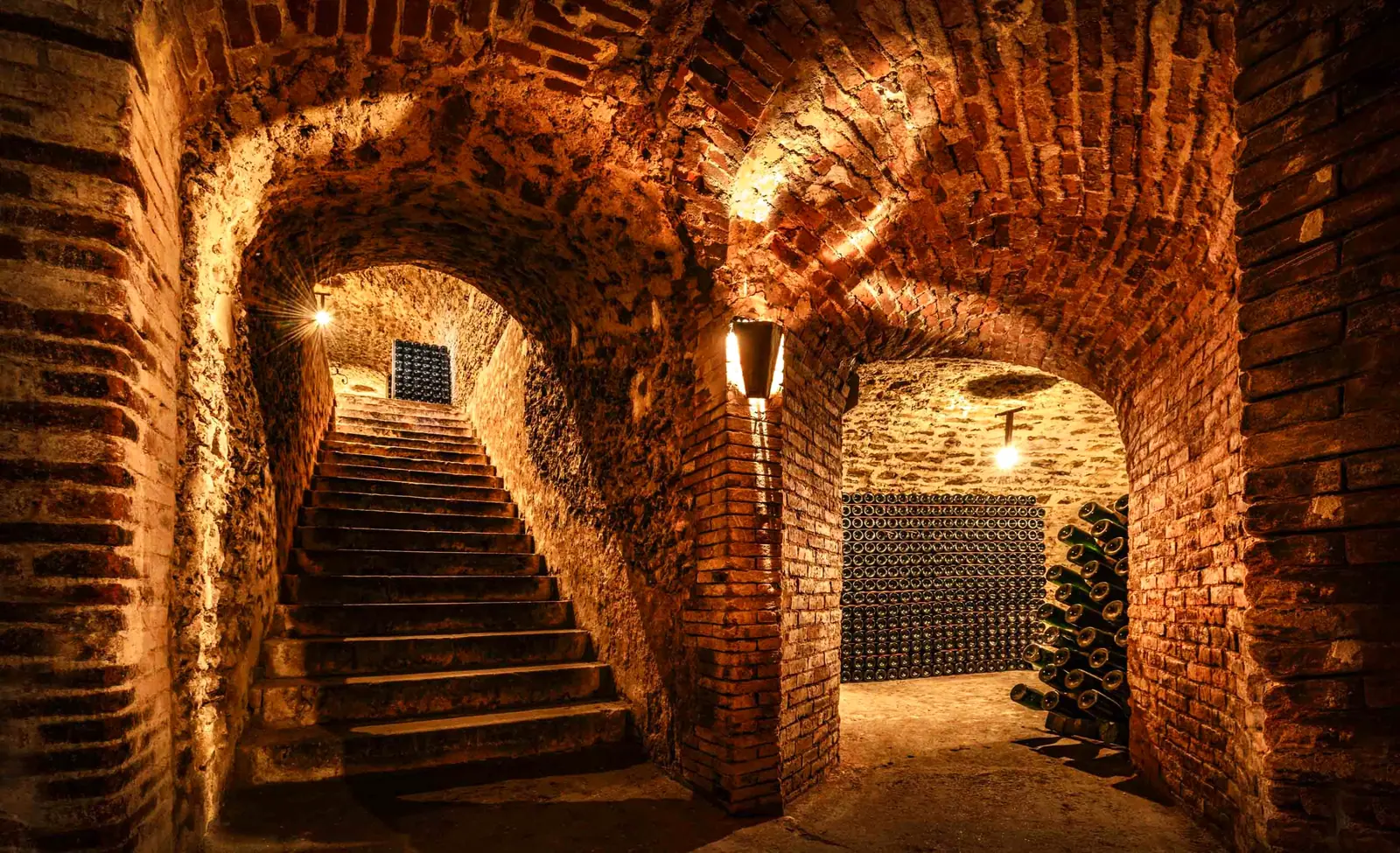
The first part covers the historic vineyards around Hautvillers, Aÿ and Mareuil-sur-Aÿ. Hautvillers is regarded as the cradle of sparkling wine, and it was here that Dom Pérignon worked as cellar master of the abbey. The second part is the Saint-Nicaise hill in Reims. This is where the crayères lie, underground chalk quarries from Gallo-Roman times that were later converted into cellars. Names such as Pommery, Taittinger and Ruinart are tied to this place. The third part is the Avenue de Champagne in Épernay, together with Fort Chabrol. Along this grand boulevard stand houses beneath which cellars stretch for kilometres.
Why these places in particular
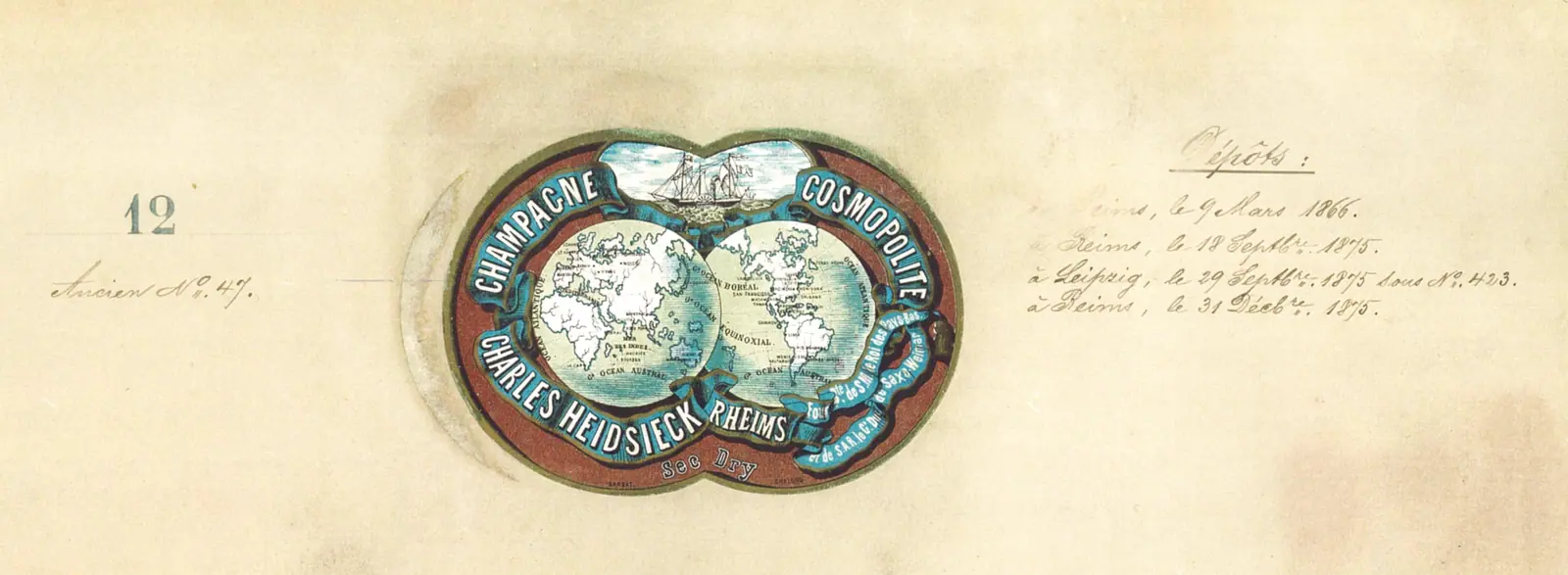
UNESCO justifies the distinction by the interplay of three elements: the vine-covered slopes, the trading houses and the cellars in the chalk soil. The slopes supply the grapes, the houses take care of blending, marketing and export, and the cellars offer a constant coolness over years for the second fermentation in the bottle and the ageing on the lees. This process, the méthode champenoise, developed over centuries. Added to this is the particular division of labour between growers and houses, which still shapes the structure of Champagne today.
What the title means
The status obliges the authorities to protect the sites and their surroundings. Buffer zones are meant to prevent building work or interference with the landscape from changing the character of these places. For visitors, World Heritage status is a useful guide: it explains why a trip from Reims across the Montagne de Reims to Épernay is worthwhile, and why cellars and hillsides belong together.
For wine lovers, the title remains more than a plaque. Anyone who opens a glass of champagne is drinking a product that would be almost unthinkable without these chalk cellars, hillsides and houses. World Heritage status records that champagne is not just wine, but a cultural treasure that has grown over time.
Pictures
 0 %
