
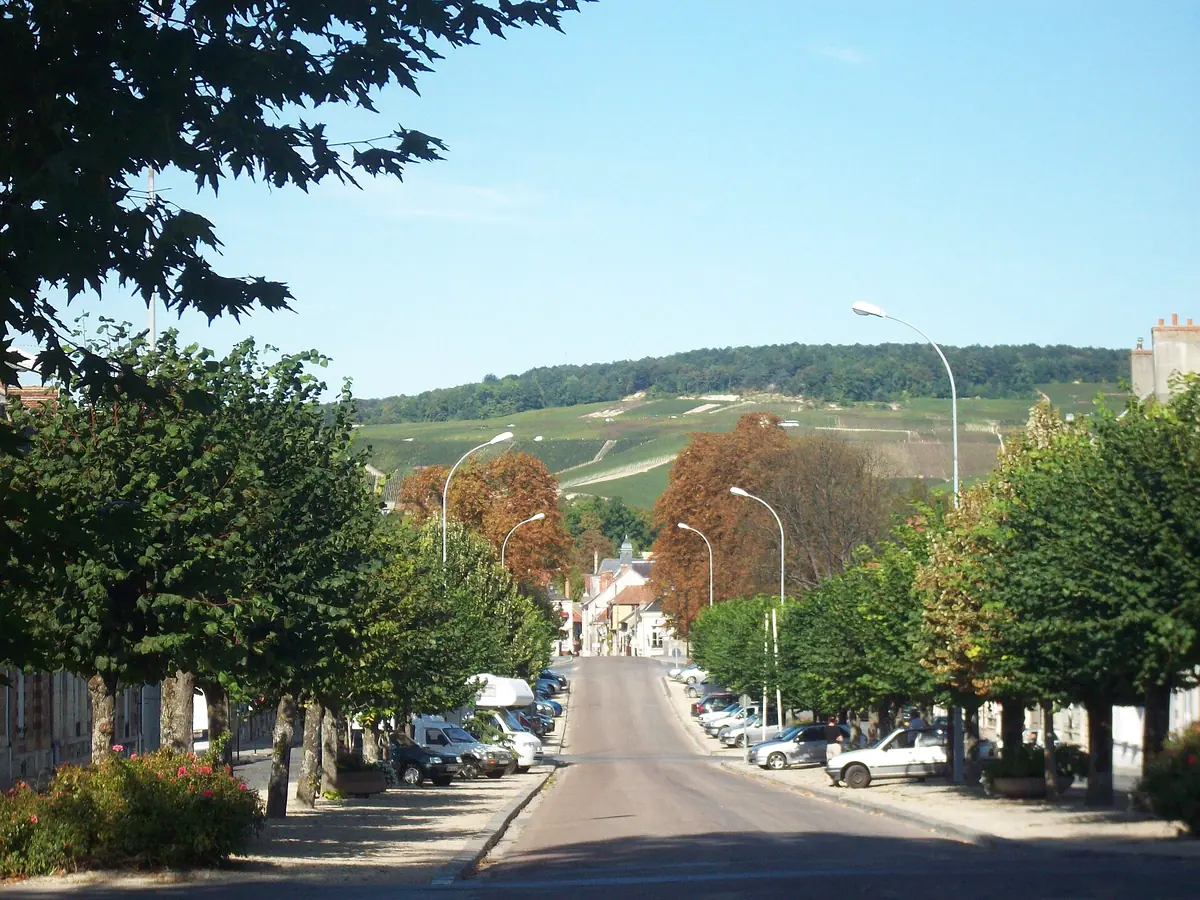
Dormancy is the phase between leaf fall and budburst, when the vine stops growing and stores reserves in its wood and roots. In Champagne it is the time for pruning and for preparing the new vintage.
With the leaf fall of autumn, the vine bids farewell to growth. The sap stops flowing, the buds seal themselves off, and the plant withdraws into its woody parts. This state is called dormancy, dormance in French. In Champagne it lasts roughly from November until budburst in spring.
What happens inside the vine
Before the leaves fall, the vine moves nutrients, above all starch, into the trunk, the canes and the roots. This store feeds the first growth in spring, before the young leaves can produce enough sugar themselves. Specialists distinguish two stages: at first the plant itself suppresses budburst, even in mild weather. Later it is fundamentally ready, but waits for enough warmth. Only then does débourrement, the breaking of the buds, begin.
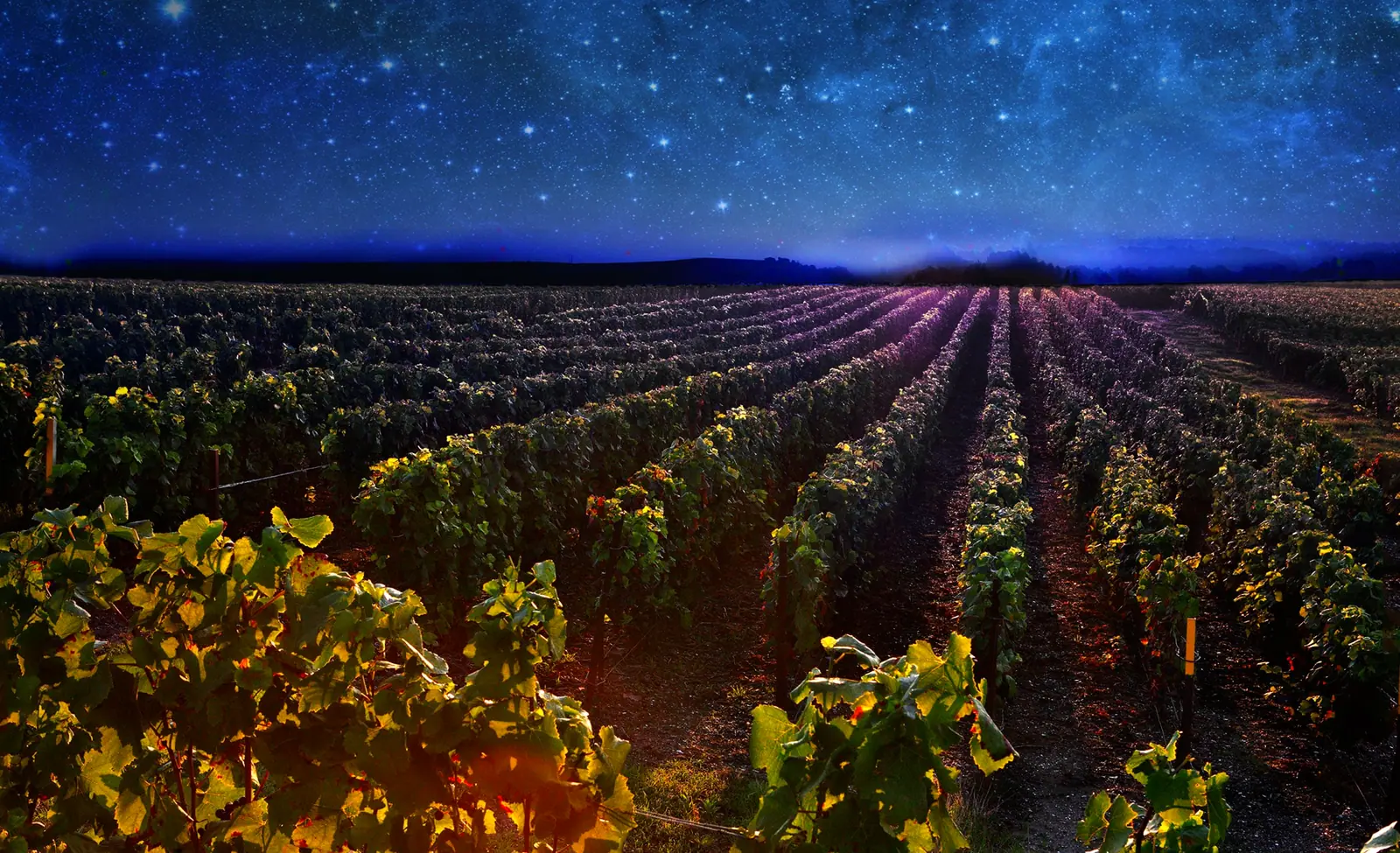
Work in the vineyard
For growers, the dormant season is the time for pruning, the taille. It determines how many buds the vine carries, and with that the quantity and quality of the coming harvest. In Champagne only certain training systems are permitted, including Chablis, Cordon de Royat, Guyot and Vallée de la Marne. After pruning, the chosen canes are tied to the wire trellis. The cuttings are cleared from the rows or chopped up. Added to this come repairs to posts and wires, and the replanting of individual vines.
Risks and change
The dormant vine tolerates cold surprisingly well, but extreme winter frosts can damage wood and buds. The frost of February 1956 is still remembered in Champagne as a warning. Today the trickier moment is usually the end of dormancy: if the vine bursts into growth early after a mild late winter, April frosts threaten the young shoots. With a warming climate, budburst is trending earlier. That is why many estates pay close attention to the timing of pruning, since pruning late can delay budburst slightly and reduce the frost risk.
For the drinker, winter dormancy is not a visible part of the glass, but its effect can be tasted. Careful pruning and well-stocked reserves lay the foundation for balanced grapes, and so for the base of every champagne.
Pictures
 0 %
