
Yeasts are single-celled fungi that ferment sugar into alcohol and carbon dioxide. In champagne they drive both the first fermentation and the second fermentation in the bottle, and during ageing on the lees they shape texture and aroma.
Two fermentations, one organism
Yeasts are single-celled fungi that turn sugar into alcohol and carbon dioxide. In champagne it is usually Saccharomyces cerevisiae that does the work, and it does so twice. During the first, alcoholic fermentation, in tank or barrel, the must becomes still wine, the vin clair. Most houses use selected cultured yeasts for this, because they ferment cleanly and predictably. Spontaneous fermentations using the yeasts of the grape and the cellar are the exception, though a few growers do keep the practice alive.
The second fermentation in bottle
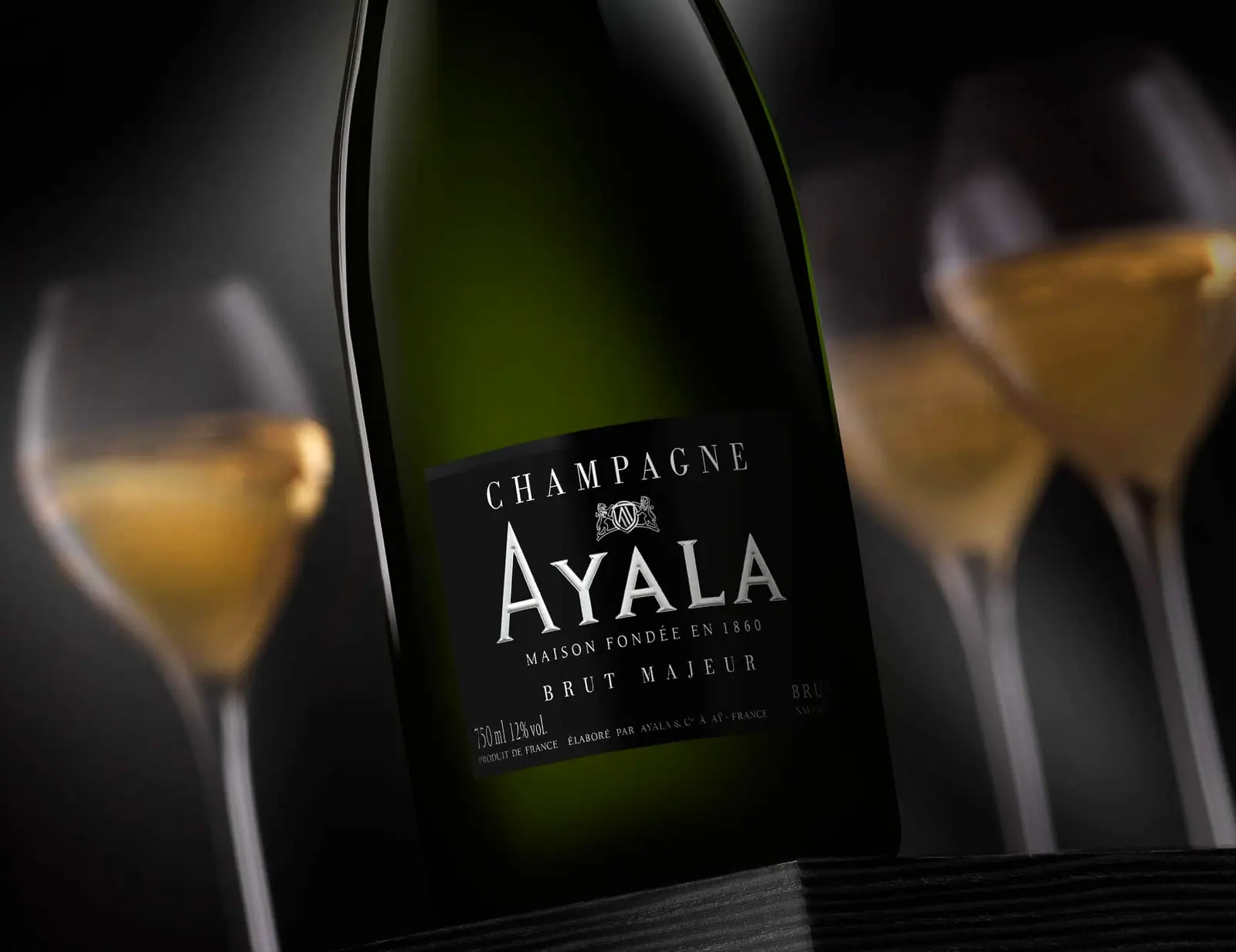
The second fermentation, the prise de mousse, takes place in the sealed bottle. For this the base wine receives the liqueur de tirage, a mixture of sugar and yeast. The yeast ferments the sugar, the carbon dioxide cannot escape and dissolves into the wine. This is where the bubbles come from. By the end the pressure in the bottle sits at around six bar. The yeast has to cope with difficult conditions: alcohol, pressure, few nutrients and the cool of the chalk cellars. That is why producers choose robust strains that tolerate alcohol and cold, and that also settle well.
The appellation rules require non-vintage champagne to age for at least 15 months, of which at least twelve must be on the lees.
Ageing on the lees
After fermentation the yeast cells gradually die. Their own enzymes break them down, a process called autolysis. This releases amino acids, peptides and mannoproteins into the wine. They give creaminess, a finer mousse and aromas of brioche, toast or nuts. The longer the wine rests sur lies, the more clearly this shows. The appellation rules require non-vintage champagne to age for at least 15 months, of which at least twelve must be on the lees. Vintage champagne needs at least three years. Many houses leave their wines considerably longer.
 Champagne glass
Getting the yeast out of the bottle
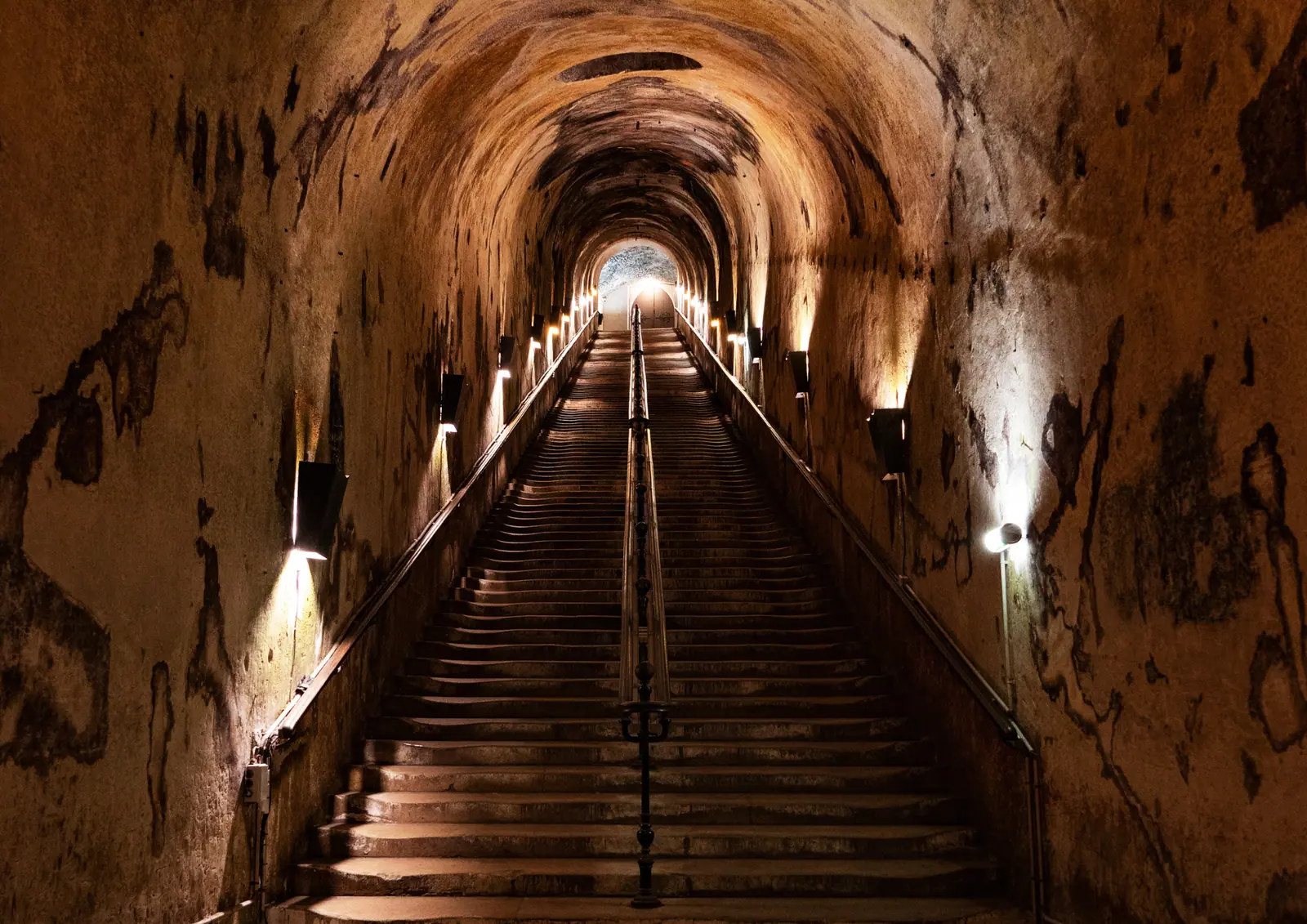
For the champagne to be clear in the glass, the yeast has to leave again. During remuage, the deposit is coaxed down into the neck of the bottle by careful turning, on a riddling rack or in a gyropalette. At dégorgement it is expelled along with the frozen plug. The bottle is then topped up with the liqueur d'expédition, which determines the dosage. The yeast itself does not stay in the wine, but its influence on structure and aroma certainly does.
Pictures

 0 %
