
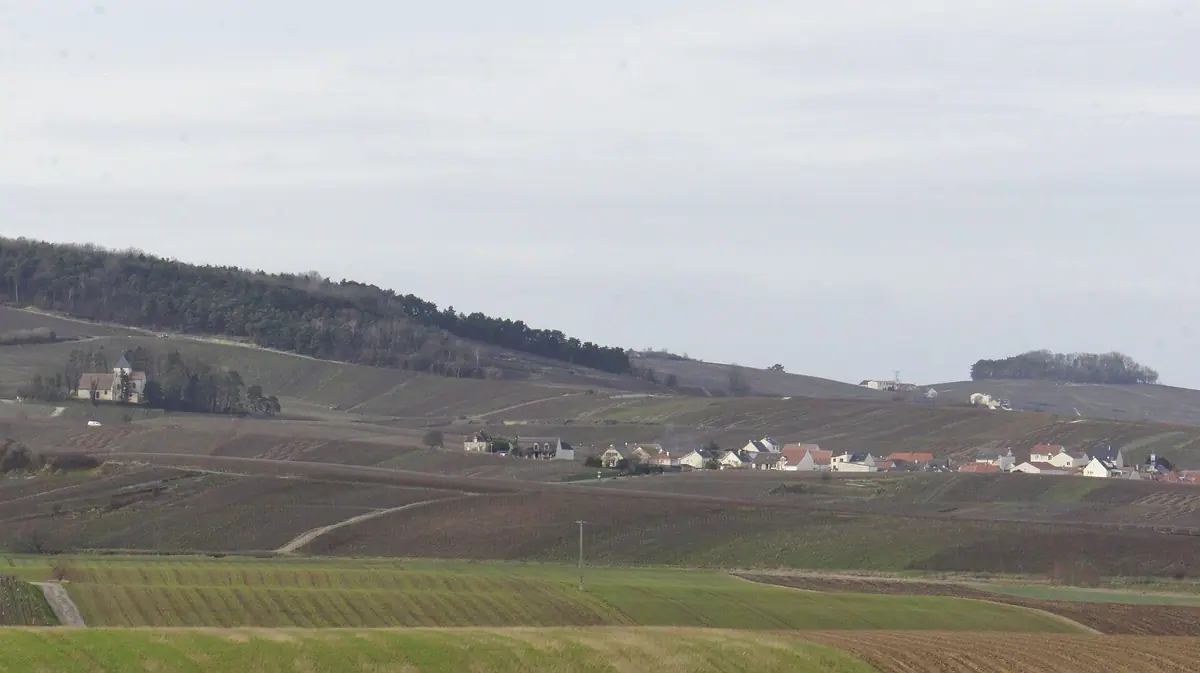
Organic viticulture means working in the vineyard without synthetic pesticides, herbicides or mineral fertilisers. In Champagne it is especially demanding because of the damp climate.
What organic viticulture means
Organic growers work without chemical-synthetic herbicides, insecticides and fungicides, and without mineral fertilisers. Products of natural origin are permitted, above all sulphur against powdery mildew (oidium) and copper against downy mildew (mildiou). Copper, however, is a heavy metal that builds up in the soil. That is why the permitted quantities in the EU are limited, and many estates try to spray even more sparingly.
The foundation is the EU organic regulation and inspection by independent bodies. Anyone converting goes through a transition period of three years (conversion), during which the vineyard is already farmed to organic rules but the grapes cannot yet be sold as organic. Beyond that there are stricter private associations such as Demeter or Biodyvin, which also farm biodynamically.
The challenge in Champagne
Champagne lies on the northern edge of viticulture. The climate is cool and changeable, and rain in spring and summer is common. That encourages fungal diseases, and organic treatments mostly work only as a preventive and have to be reapplied after rain. In 2016, mildew hit many estates hard, especially those farming organically. Spring frosts add to the problem and affect everyone, but organic estates have less room to limit the losses.
In 2016, mildew hit many estates hard, especially those farming organically.
The share of organically farmed vineyard is therefore still small, though it is growing. The Aube in the south is considered somewhat more favourable for organic farming. It was there that the house of Fleury in Courteron introduced biodynamic methods early on.
Work in the vineyard
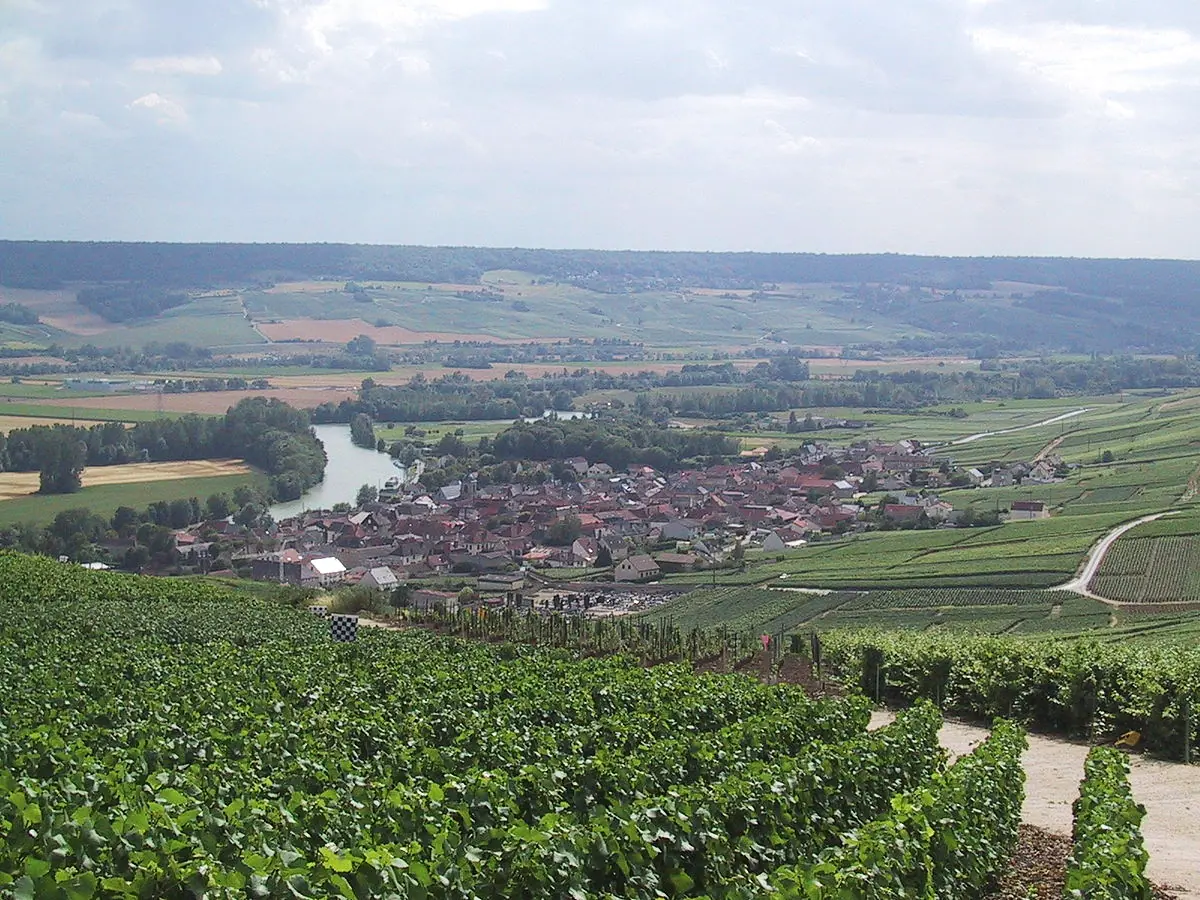
Instead of using herbicides, growers loosen the soil mechanically or let grass and herbs grow between the rows (enherbement). This encourages life in the soil, slows erosion on the slopes and forces the vines to root more deeply. Added to this are careful canopy management for good airflow, organic fertiliser such as compost and measures to encourage beneficial insects.
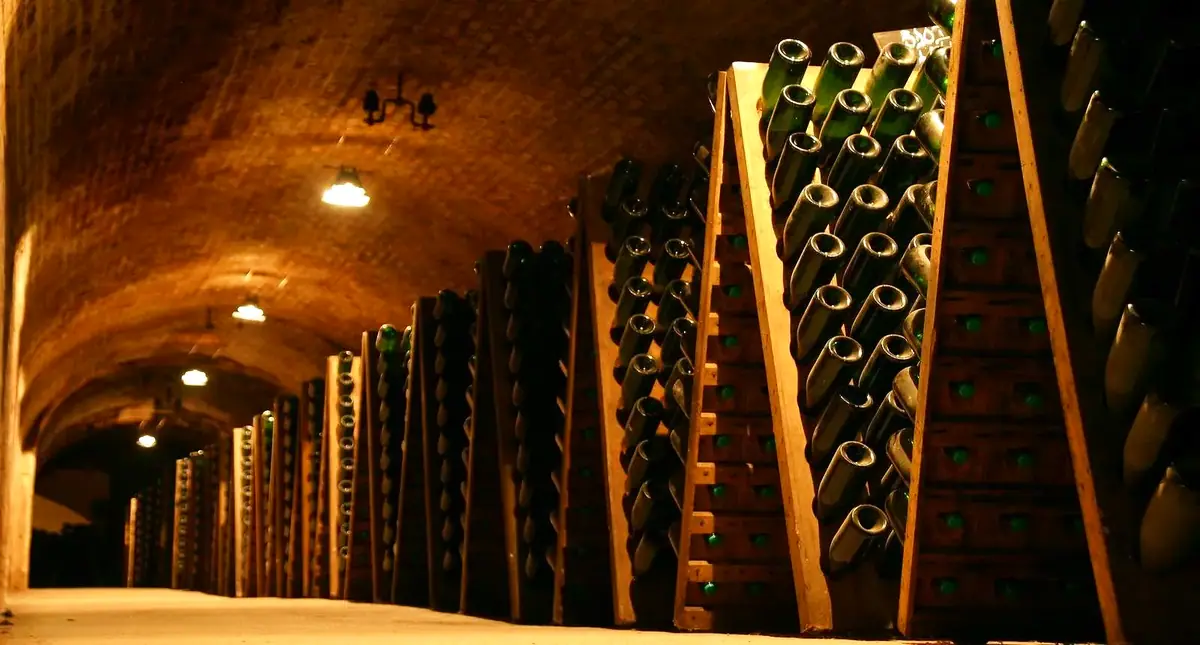 Paul Goerg champagne winery
How it differs from other terms
Not every environmentally conscious champagne is organic. The regional programme Viticulture Durable en Champagne and the Haute Valeur Environnementale label demand environmental standards but still allow conventional crop protection. An organic logo on the label refers to the grapes and the certified processing. It says nothing directly about taste, since site, vintage and cellar work shape a champagne at least as strongly.
Pictures

 0 %
