
The climate of Champagne is cool and temperate, shaped by both oceanic and continental influences. It sits at the northern limit of viticulture and produces grapes with high acidity, which are ideal for sparkling wine.
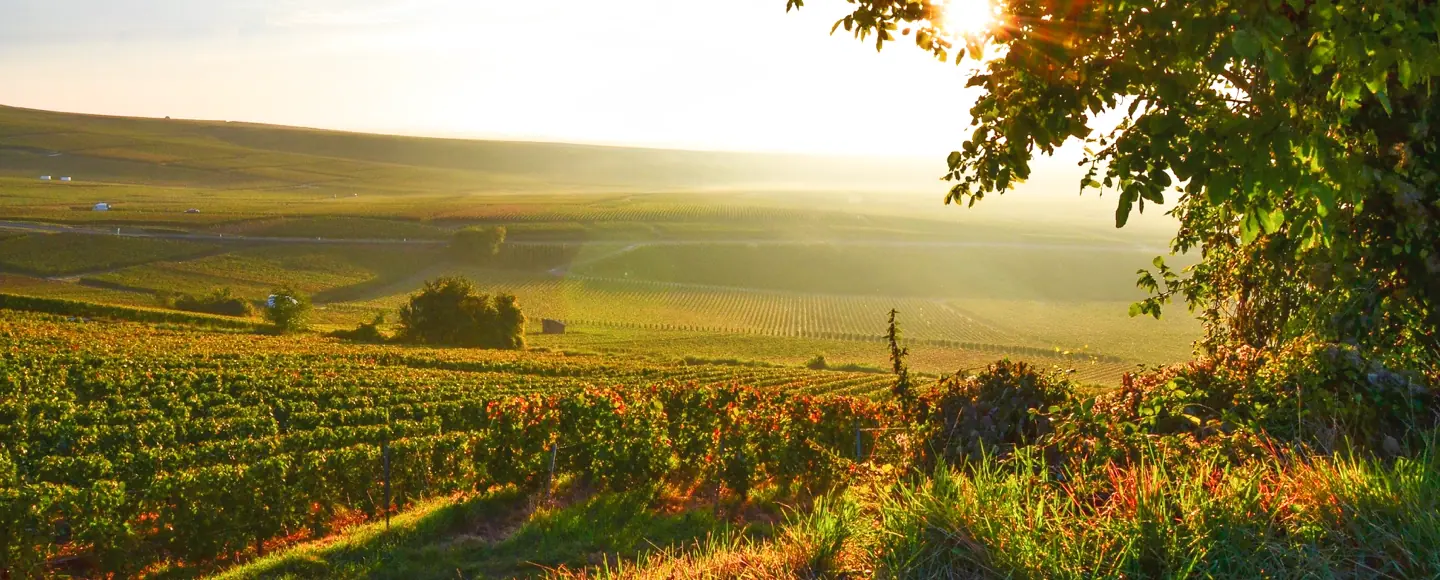
Champagne lies at roughly 49 degrees north, which makes it one of the northernmost wine regions in France. The vines have little room for manoeuvre here: the growing season is short, summers are mild, and ripeness often arrives just ahead of autumn. This is exactly what shapes the style of champagne.
A climate between the Atlantic and the continent
It is usually described as a temperate, oceanic climate with continental influences. The Atlantic brings moisture and softens extremes, while colder winters and the occasional hot spell come from the east. Rain is spread across the whole year. That is an advantage for the vines, but it also brings disease pressure, such as powdery and downy mildew or grey rot.
What the grapes gain from it
The cool conditions mean the berries hold on to their acidity while sugar builds up only slowly. For still wines that could sometimes be a challenge. For the base wines of champagne it is a gift: acidity gives freshness, tension and ageing potential. Add to that the chalk soils, which store water and release it evenly to the vines.
Just how much a vintage can swing was shown by recent hot years such as 2003 and by frost and wet years such as 2021.
Microclimate and site
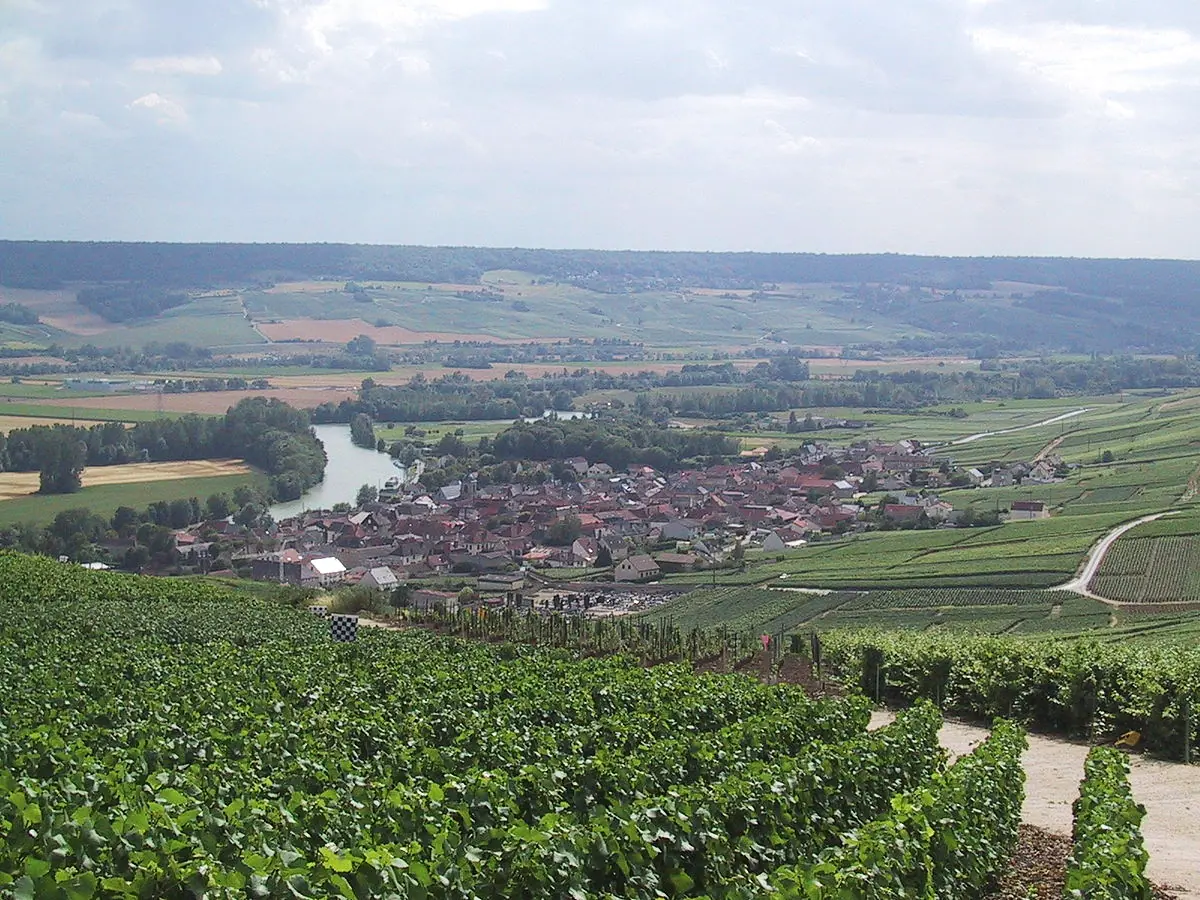
Conditions differ markedly within the region. Slopes, the edges of the forests on the Montagne de Reims, river valleys such as the Vallée de la Marne and the orientation of the plots create small climate zones, known as the mésoclimat. Woods slow the wind and buffer temperatures, while slopes let cold air drain away. The grape variety plays a part too: Chardonnay buds early, Meunier later, which is why it is widely planted in sites prone to frost.
Risks and change
The greatest danger is late frost after budburst in spring. Growers protect their plots with wind machines, heating candles or frost-protection sprinklers. On top of that come hail and summer storms. Just how much a vintage can swing was shown by recent hot years such as 2003 and by frost and wet years such as 2021.
Climate change is noticeably altering the region. Harvest now begins earlier than it did a few decades ago, sugar levels are rising and acidity tends to fall. Many houses are responding with adapted canopy management, earlier picking, more reserve wines in the blend and a search for suitable rootstocks. The cool climate remains the foundation of the champagne style, but its limits are shifting.
Pictures

 0 %
