
Secondary aromas are the scents and flavours that do not come from the grape but are created by fermentation and contact with the yeast. In champagne they often shape a house's style more than any other group of aromas.
Aroma is usually divided into three levels. Primary aromas come from the grape: citrus and white blossom in Chardonnay, red berries in Pinot Noir. Tertiary aromas develop with longer ageing. In between sit the secondary aromas. They are created in the cellar, by yeasts and bacteria, and are only indirectly linked to the grape variety.
How they arise during fermentation
During alcoholic fermentation, yeasts produce not only alcohol but also esters and other by-products. These recall ripe pear, banana or fresh yeast dough. Which notes dominate depends on the yeast strain and on how the fermentation is managed. In Champagne, the first fermentation of the vins clairs takes place in stainless steel tanks or in oak barrels. The second fermentation follows in the bottle (prise de mousse) and lays the foundation for the most important source of secondary aromas.
Malolactic fermentation
In fermentation malolactique, bacteria convert sharp malic acid into milder lactic acid. The wine feels rounder, and notes of butter, cream or yoghurt can appear. Given Champagne's cool climate and high acidity, this is a genuine question of style: some houses let the conversion run its full course, others block it to preserve freshness and tension.
Lees ageing and autolysis
After the second fermentation, the wine stays in contact with the yeast (sur lie). The yeast cells gradually die and break down, releasing compounds into the wine. This is known as autolysis. It brings aromas of brioche, toast, shortcrust pastry, nuts and yeasty baking, and contributes to the creamy, fine texture of the mousse. For champagne there are legal minimum ageing times: non-vintage champagne must age for at least 15 months, of which at least 12 on the lees, and vintage champagne for at least 36 months. Many houses leave their wines considerably longer.
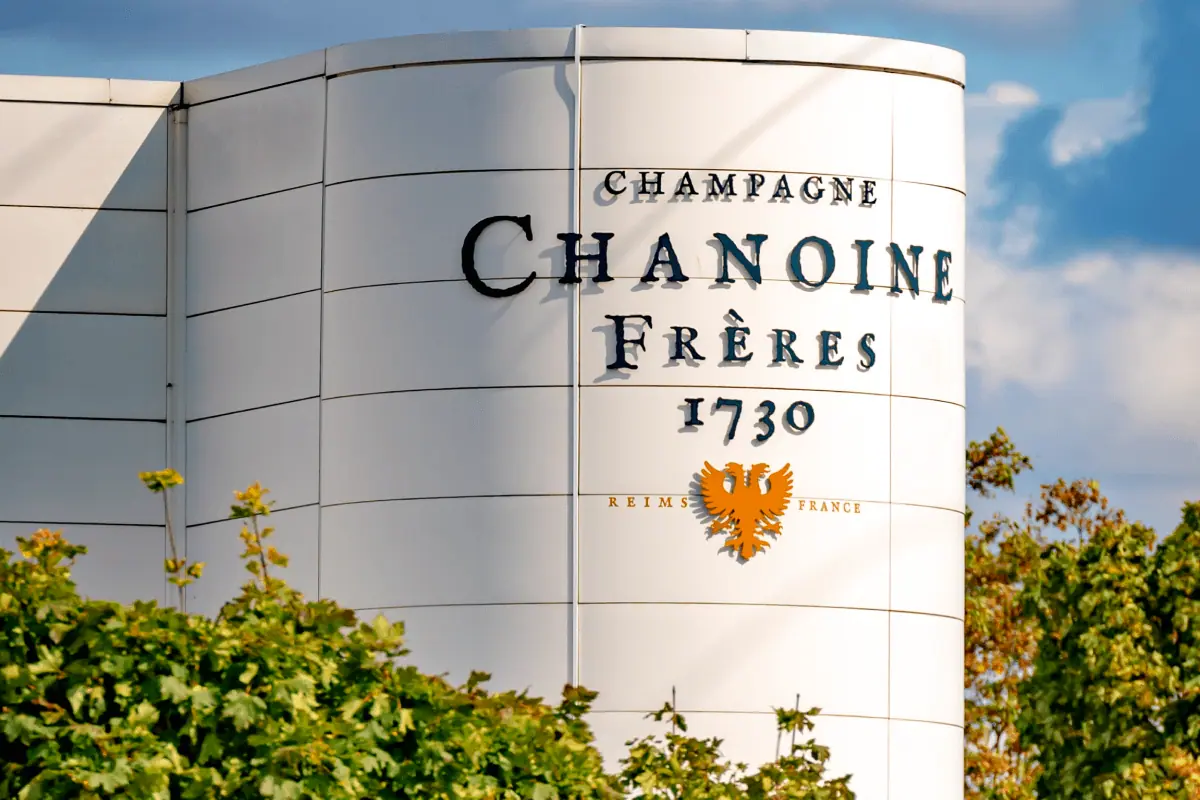 Chanoine Frères Champagne 1730
How the autolytic notes are classified is not consistent. Some authors count them as secondary aromas, others as tertiary. In practice, the two levels merge into one another.
Spotting them in the glass
Nose the fruit first, then what lies beneath it. Brioche, butter, yeast and nuts point to secondary aromas. Honey, dried fruit, mushroom or roasted notes suggest ageing. A successful champagne keeps both in balance: the yeast notes support the fruit without covering it.
Pictures
 0 %
