
The official appellation for still red, white and rosé wines from Champagne. Only around 1 million bottles are made each year.
Coteaux Champenois is the official name, or appellation, for still wines from Champagne. Unlike grapes destined for champagne, the price of grapes intended for Coteaux Champenois is not subject to any official regulation (so the price per kilo is generally somewhat lower). Occasionally, once officially approved, these wines are later promoted to reserve wines and used in the making of champagne. The collective term Coteaux Champenois covers red, white and rosé wines. They often come from famous crus such as Ambonnay, Bouzy, Cumières or Vertus. Only about 1 million bottles of these wines are made each year.
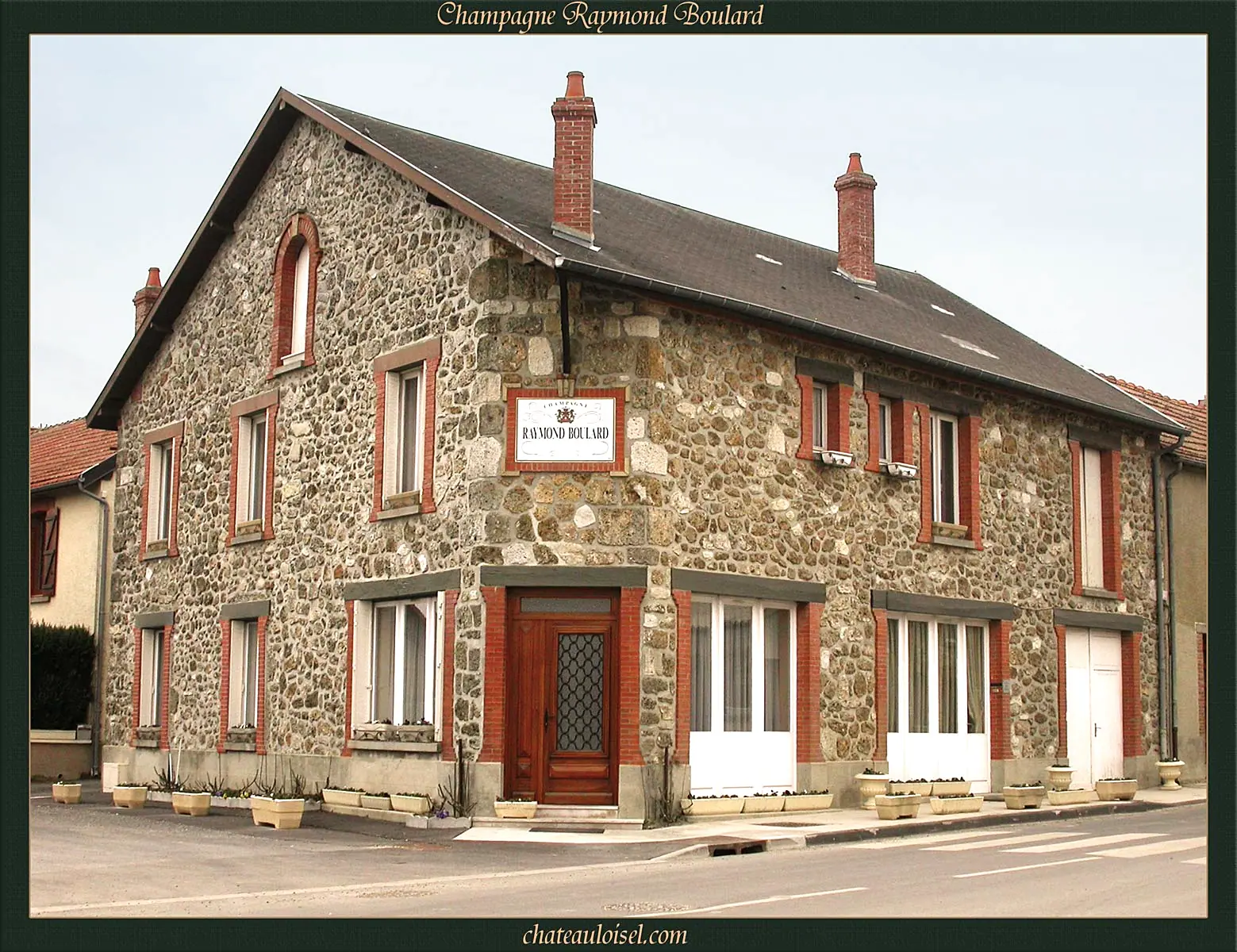
Compared with other famous wine regions in France, the houses of Champagne that make red wines, or Coteaux Champenois Rouge, are at a climatic disadvantage because of their northerly position. But in some years nature is generous, with unusually plentiful sunshine, and then the cellar masters of Champagne can produce quite fantastic red wines. Such fruit is available to them every two or three years, or sometimes only every ten. In comparatively small quantities, some houses then make red wines that can inspire real awe, even among some loyal Burgundy or Bordeaux fans. The Bouzy Rouge from the grand cru village of Bouzy, for example, was said to be a favourite red of King Louis XIV. Incidentally, it is red wines of this kind that, when blended in, give rosé champagnes their lovely pink colour and additional flavour notes.
One more point worth noting: the famous Rosé des Riceys is also a still wine from Champagne, but it is not a Coteaux Champenois.
The sweetness scale
Choose a level. You will see the sugar content, the taste and what goes with it.
Bone dry, pure and mineral
Pairs with: Oysters, mussels, sashimi
More in the glossaryVery dry, taut and clear
Pairs with: Raw fish dishes, ceviche
More in the glossaryDry, the classic
Pairs with: Aperitif, seafood, Parmesan
More in the glossaryMedium dry, soft
Pairs with: Asian cuisine with a little heat
More in the glossarySweet, fruity
Pairs with: Foie gras, fruit desserts
More in the glossarySweet, now rare
Pairs with: Cakes, tarts, patisserie
More in the glossaryPictures





 0 %
