
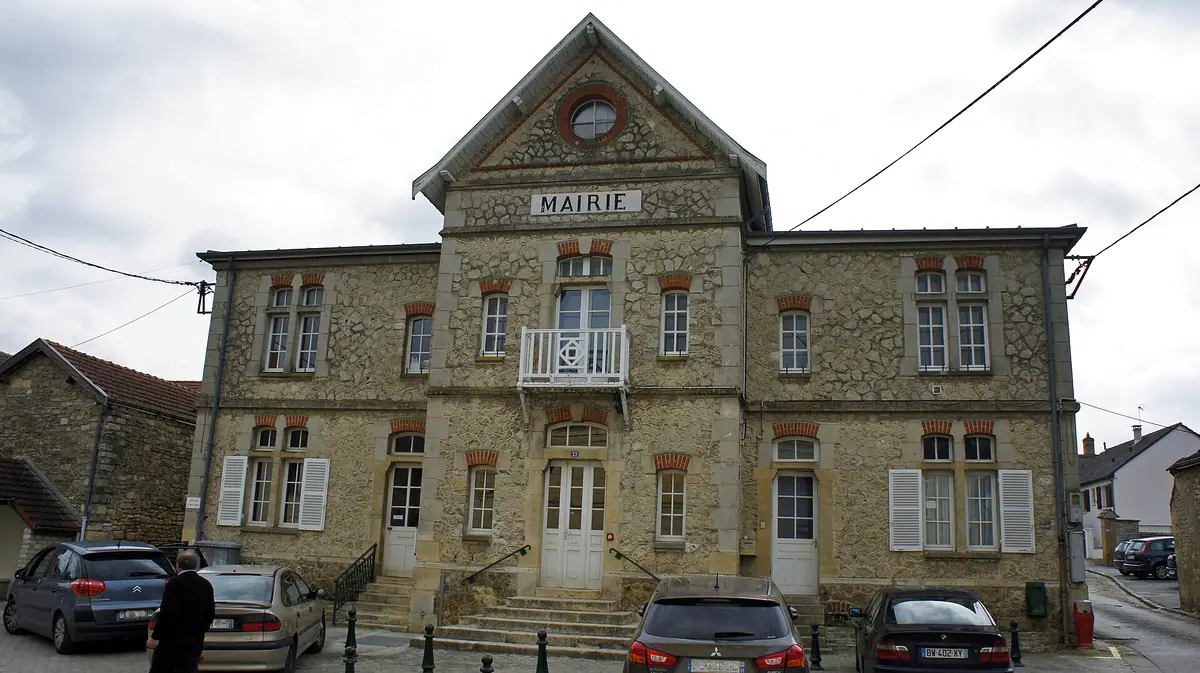
Cover cropping, or enherbement in French, means deliberately growing grass, clover or other plants on the vineyard floor, usually between the rows of vines. In Champagne it is increasingly replacing bare soil that is ploughed or kept clear with herbicides.
Cover cropping, known in French as enherbement, means a carpet of plants on the vineyard floor that is either sown on purpose or allowed to grow. It can be a seed mix of grasses and legumes, or the spontaneous vegetation that the grower deliberately leaves in place. For a long time, clean, bare soil was the ideal in Champagne. Today many growers are doing the opposite.
Why the soil should be covered
The most important reason is erosion control. Many Champagne sites lie on slopes, and the soils over chalk and limestone are prone to washing away in heavy rain. The roots of the cover crop hold the topsoil in place, and water soaks in better. Add to that a more stable soil structure, more organic matter, more active soil life and firmer ground for tractors after rain.
Types of cover cropping
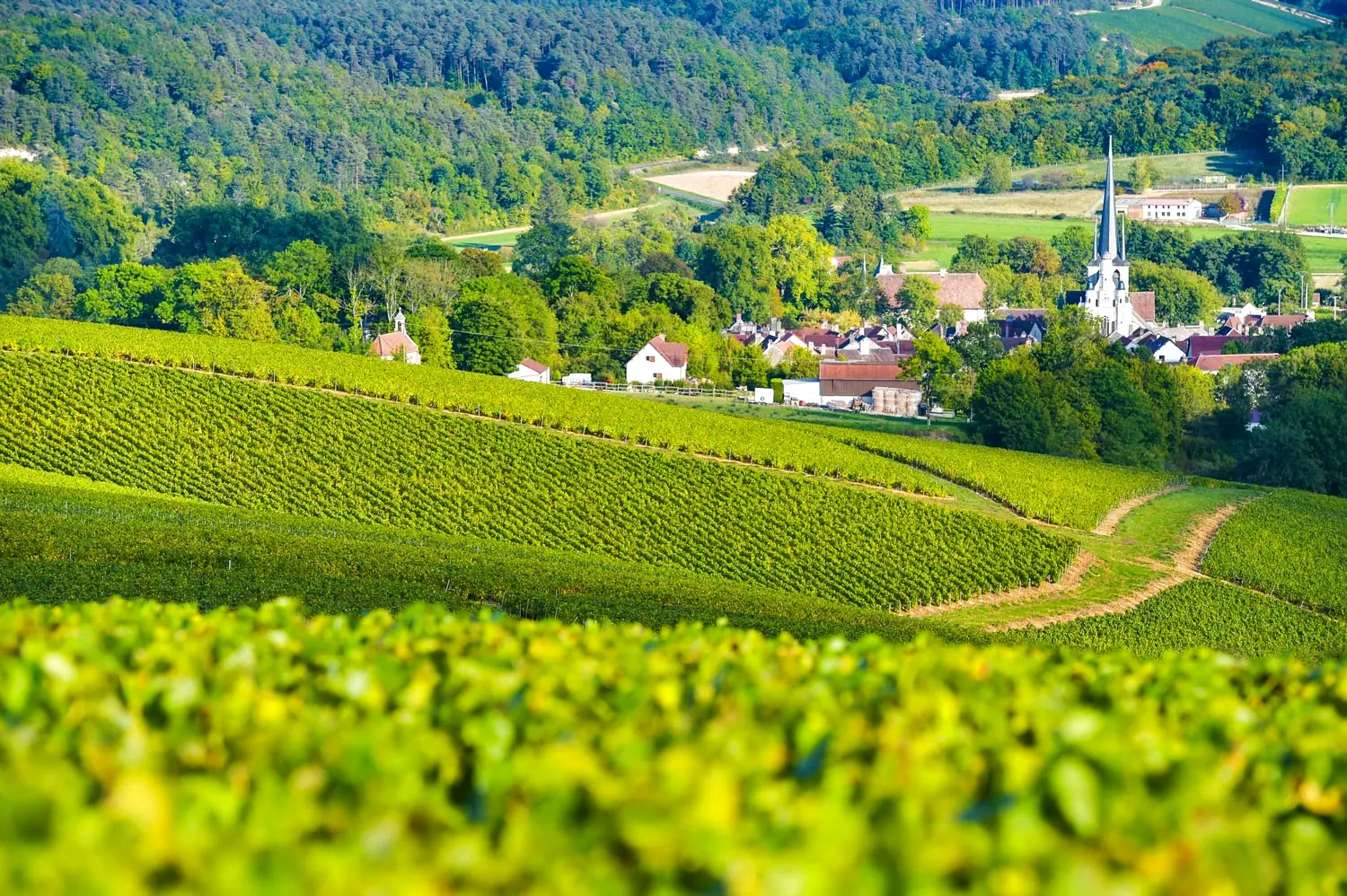
The most common approach is to grass the alleys between the rows of vines (enherbement inter-rang). It can be permanent, or only in every second alley while the other is worked. The strip directly under the vines, the cavaillon, is more difficult. Vegetation competes especially fiercely with the vines there, which is why it is removed mechanically or controlled with herbicides. Giving up herbicides is a stated aim of the Champagne industry and is one of the requirements of the region's sustainability certification.
Effect on the vine and the wine
Grass draws water and nitrogen from the soil. This slows the vigour of the vines and can limit yields and berry size, which can be quite desirable for quality. Too much competition, however, brings drought stress and a nitrogen deficiency in the must, which can make fermentation harder. Growers therefore choose species and the intensity of management with care, for example low-growing grasses such as red fescue, and they mow or roll the cover depending on the year.
 Billecart-Salmon Champagne
There are drawbacks too. Dense cover increases the risk of frost damage in spring, because bare soil stores more warmth by day and releases it at night. On top of that come extra work in upkeep and possible problems in very dry summers.
Cover cropping is therefore no miracle cure but a balancing act between soil protection, vine vigour and risk. In Champagne, where soils, slopes and climate interact so closely, it remains one of the most important levers for more ecological farming.
Pictures



 0 %
