
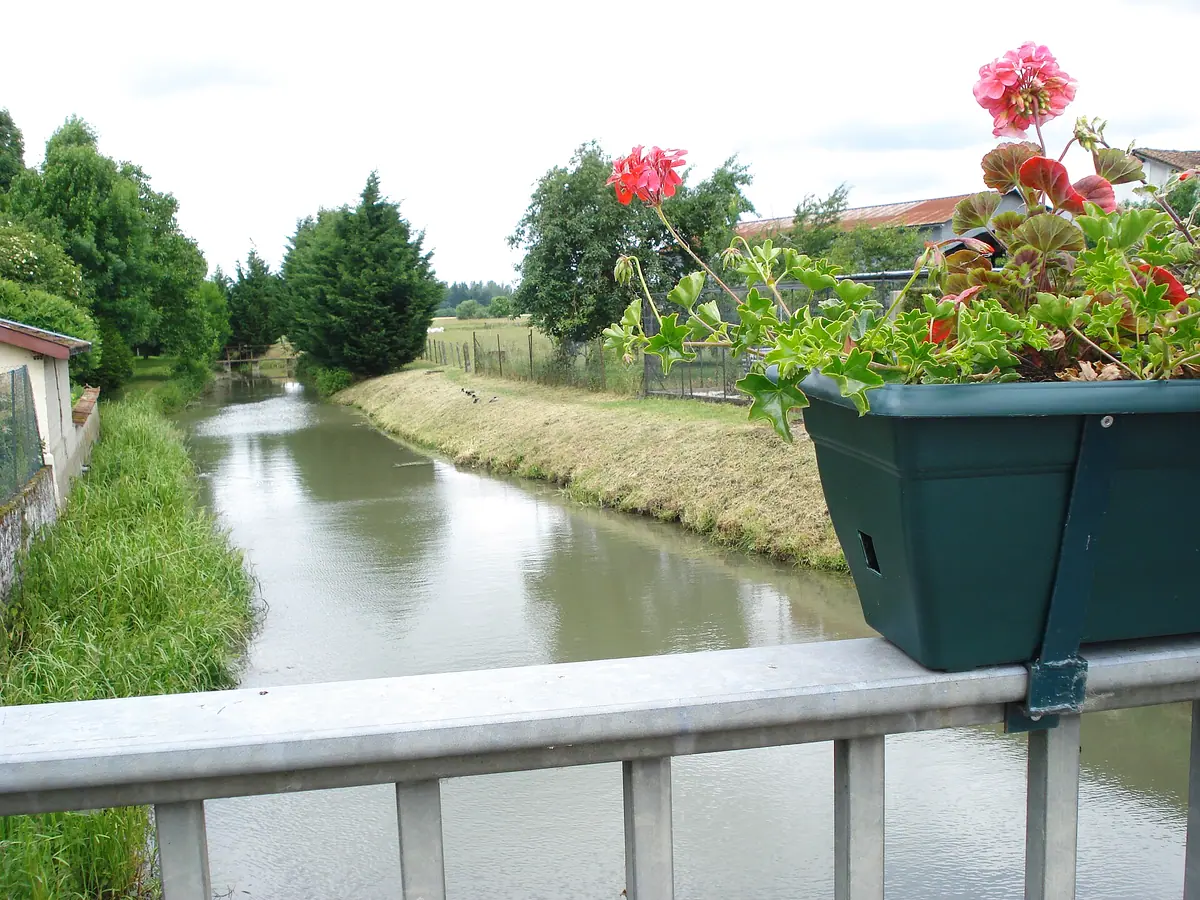
Biodynamic viticulture is an organic approach based on the ideas of Rudolf Steiner. It treats the vineyard as a living organism and works with special preparations and a rhythm set by the moon and the seasons. In Champagne it is practised by a small number of committed growers.
Biodynamic viticulture goes back to the agricultural course Rudolf Steiner gave in 1924. The vineyard is seen as a single connected organism made up of soil, plant, animal and environment. Beyond the rules of organic farming, it brings in certain preparations and a working rhythm guided by the positions of the moon and the planets.
Preparations and rhythm
Two spray preparations are central. For horn manure (préparation 500), cow dung is buried over winter in a cow horn, stirred into water in spring and applied to the soil. It is meant to encourage soil life and root growth. Horn silica (préparation 501) is made from ground quartz and sprayed in a fine mist onto the leaves. There are also compost preparations made from plants such as yarrow, chamomile, nettle, oak bark, dandelion and valerian, as well as teas and infusions, horsetail for example, which are meant to strengthen the vine against fungal diseases. Before application the mixtures are stirred for a long time, which is known as dynamising. Many growers time tasks such as vineyard treatments, canopy work or the harvest according to a sowing and lunar calendar.
Biodynamics in Champagne
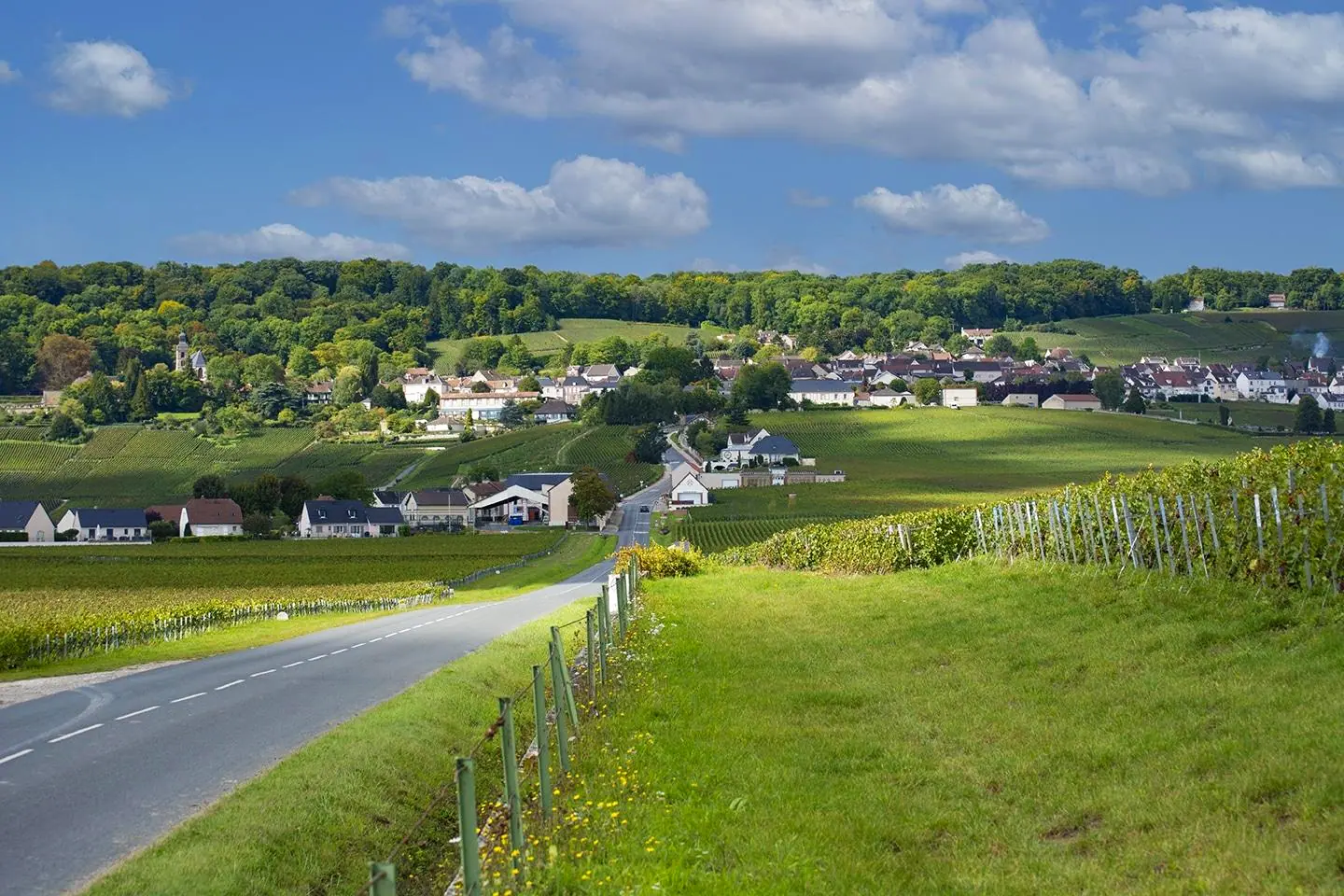
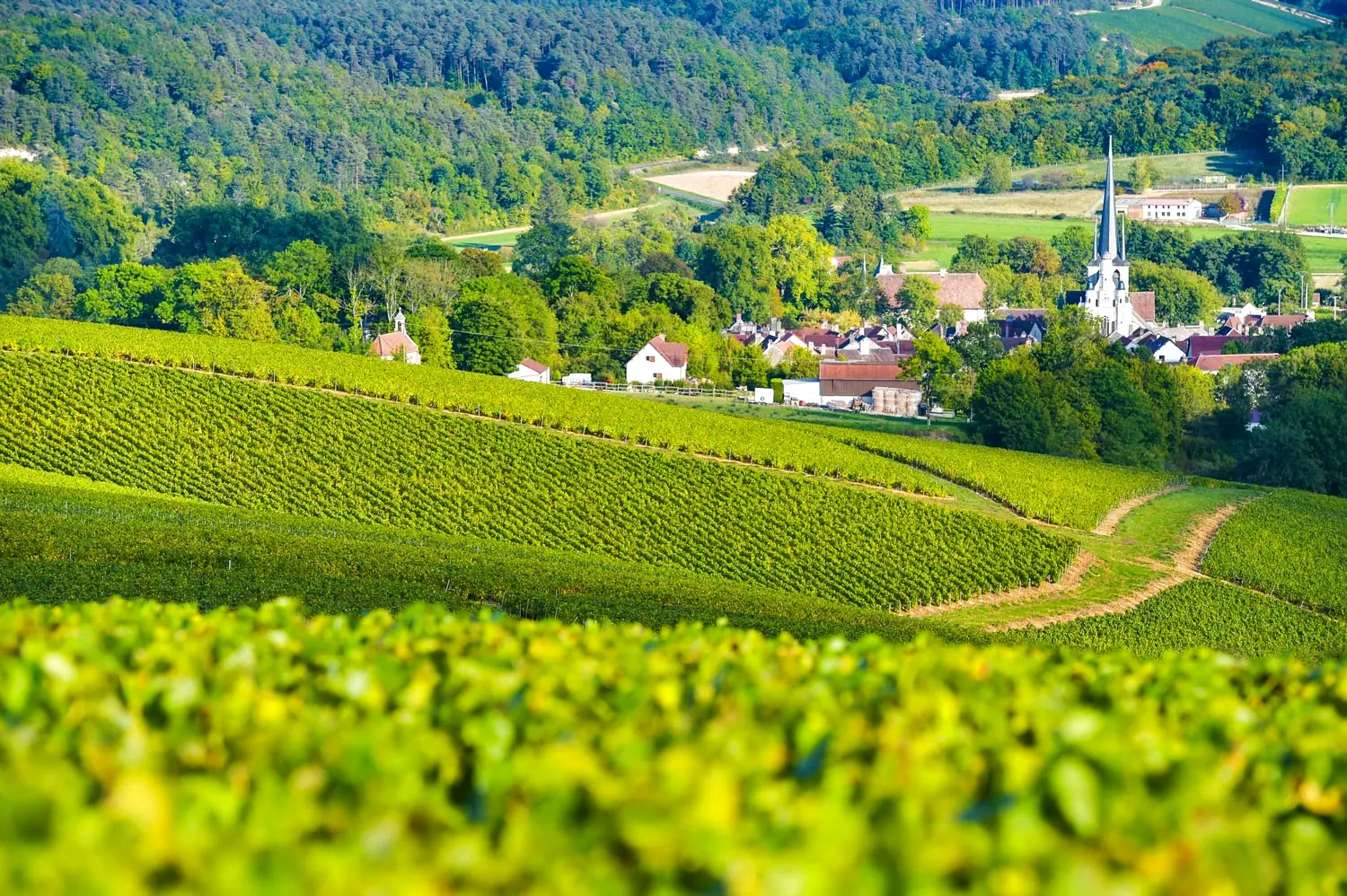
Champagne's cool, changeable climate makes any form of organic farming demanding. Powdery and downy mildew (mildiou) often find favourable conditions here, and in years of high pressure, such as 2016, many estates suffered heavy crop losses. Organic viticulture permits mainly sulphur and copper, the latter only in limited quantities. Biodynamic houses therefore rely heavily on prevention: grass cover between the rows (enherbement), mechanical soil work, sometimes with a horse, and plant-strengthening treatments.
Biodynamic viticulture goes back to the agricultural course Rudolf Steiner gave in 1924. The vineyard is seen as a single connected organism made up of soil, plant, animal and environment.
Well-known examples are Fleury in the Côte des Bar, Larmandier-Bernier in Vertus and Vouette et Sorbée in the Aube. The method can be certified through bodies such as Demeter or Biodyvin. Some growers follow the principles deliberately but forgo a label.
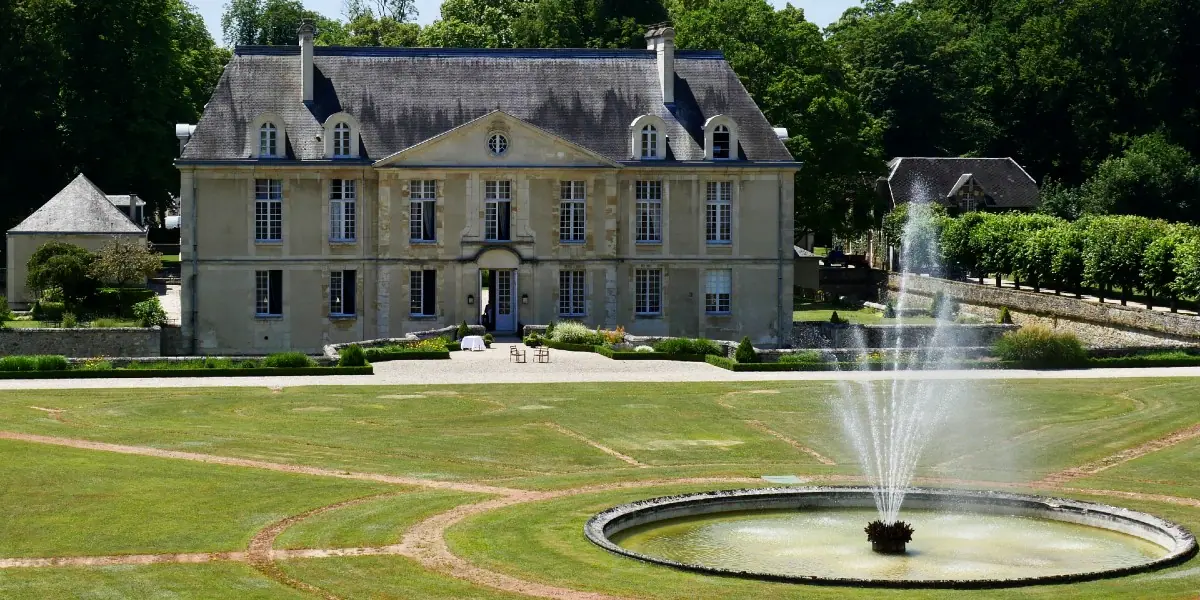 Laurent-Perrier Champagne house
Effect and criticism
The benefits of the basic organic practice are well documented: livelier soils, greater biodiversity in the vineyard and no use of synthetic pesticides. Whether the preparations themselves have an independent effect is hard to isolate scientifically and remains disputed. Many growers report deeper roots, more resilient vines and wines with more tension and salinity. Such impressions are subjective, but they reflect the aim of showing origin and vintage more clearly in the glass.
Pictures

 0 %
