
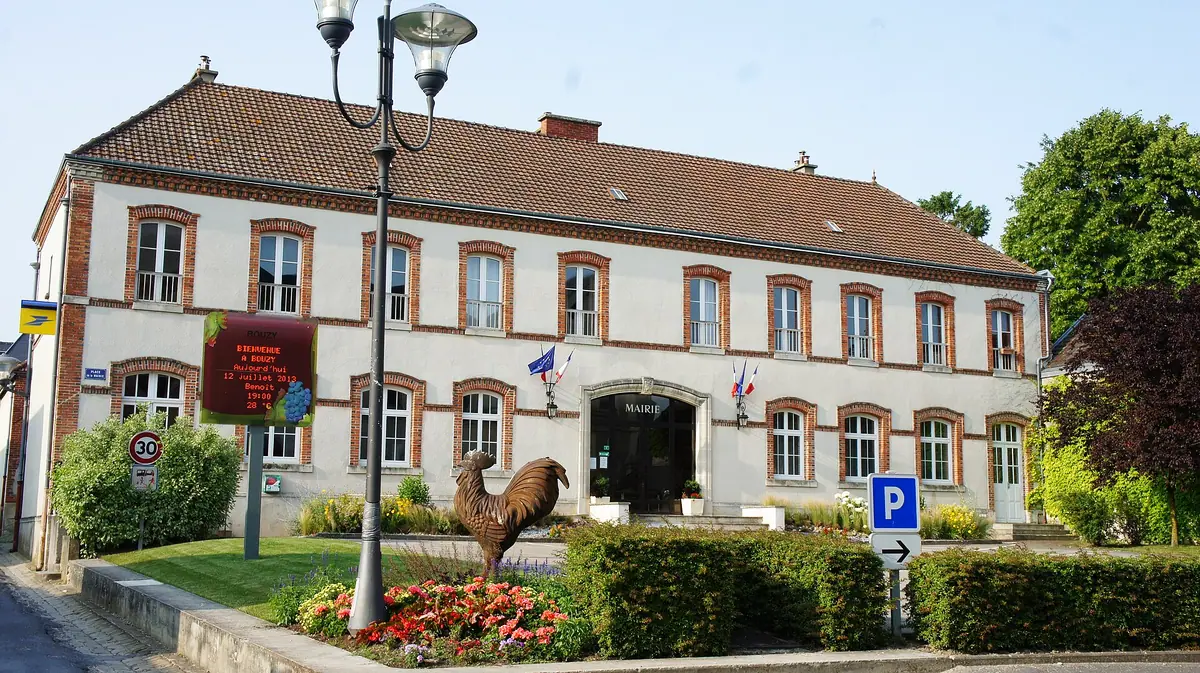
Fruit set (<em>nouaison</em>) is the moment after flowering when the fertilised flowers begin to develop into young berries. It determines early in the year how many berries a bunch carries and how large the harvest can be.
Fruit set, in French nouaison, follows directly on from flowering (floraison), which in Champagne usually takes place in June. The fertilised flower becomes the young, still green berry. How many flowers reach this stage decides the shape and quantity of the bunches to come.
What happens in the vineyard
Vine flowers are hermaphrodite and largely self-pollinating. The little flower caps fall away, the pollen reaches the stigma, and the ovary begins to grow. Not every flower makes it. A certain proportion is shed by the vine on its own, which is normal and part of the yearly cycle. The berries that remain are at first hard, green and sour. Only with the change of colour (véraison) does the actual ripening phase begin.
When flowering goes badly
Cool, wet or windy weather during flowering disrupts fertilisation. Two phenomena are well known in Champagne:
Coulure (shatter) means that unusually many flowers drop off and the bunch is left with gaps. With millerandage (hen and chicken), individual berries stay small and seedless and ripen unevenly. Chardonnay is considered particularly prone to it. The result is a smaller yield. Loose bunches of small berries can stay healthier, but the uneven ripeness makes the harvest, and the later selection of the base wines, more demanding.
Why it matters for champagne
Fruit set shapes a year's yield potential as early as the start of summer. The region does set maximum yields every year, but nature often imposes the ceiling itself, long before the harvest. Growers and cellar masters therefore watch this phase closely. As a rule of thumb, picking takes place about a hundred days after flowering, so the harvest date can be roughly estimated from it.
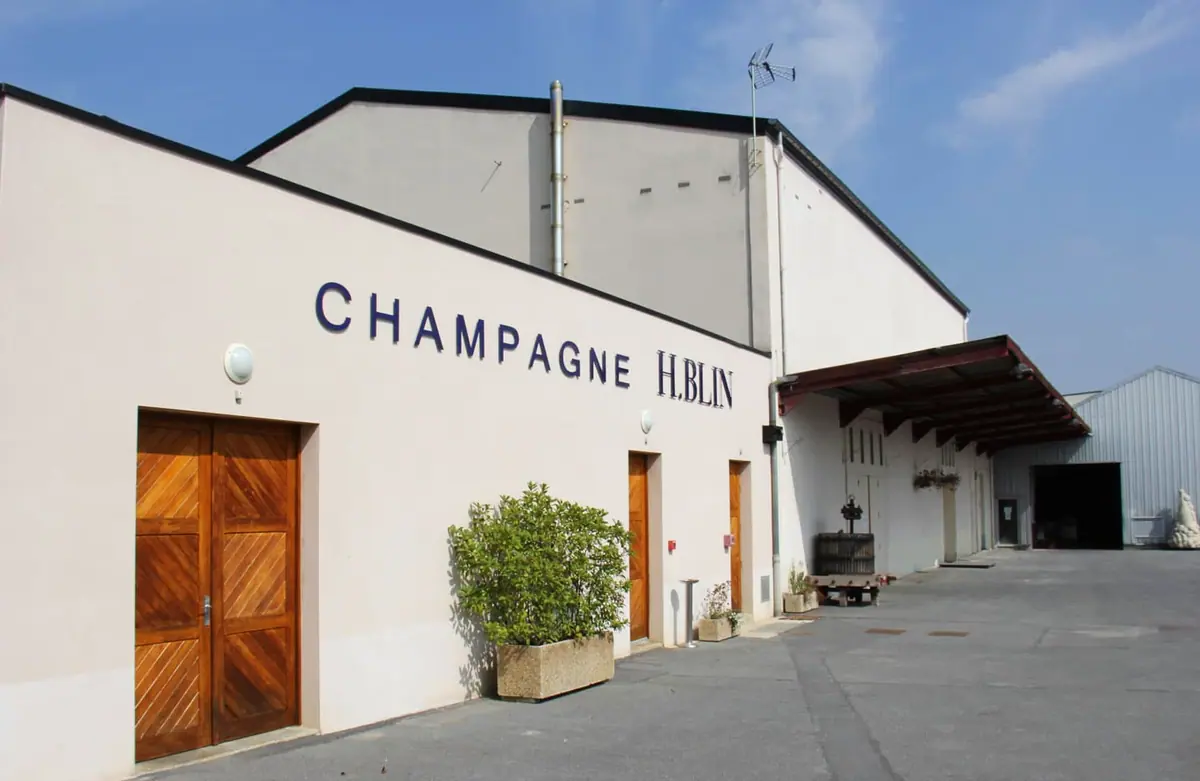 H.Blin Champagne
The period after fruit set also calls for extra vigilance against fungal disease, such as mildew, because damp weather puts young bunches under particular strain. Canopy work follows this stage too: it brings air and light into the bunch zone and so helps an even development.
For wine lovers, it is worth knowing about this phase because it explains why some vintages deliver small quantities but dense base wines. A difficult fruit set is rarely the last word in Champagne. With selection, blending and reserve wines, a great deal can be balanced out.
Pictures
 0 %
