
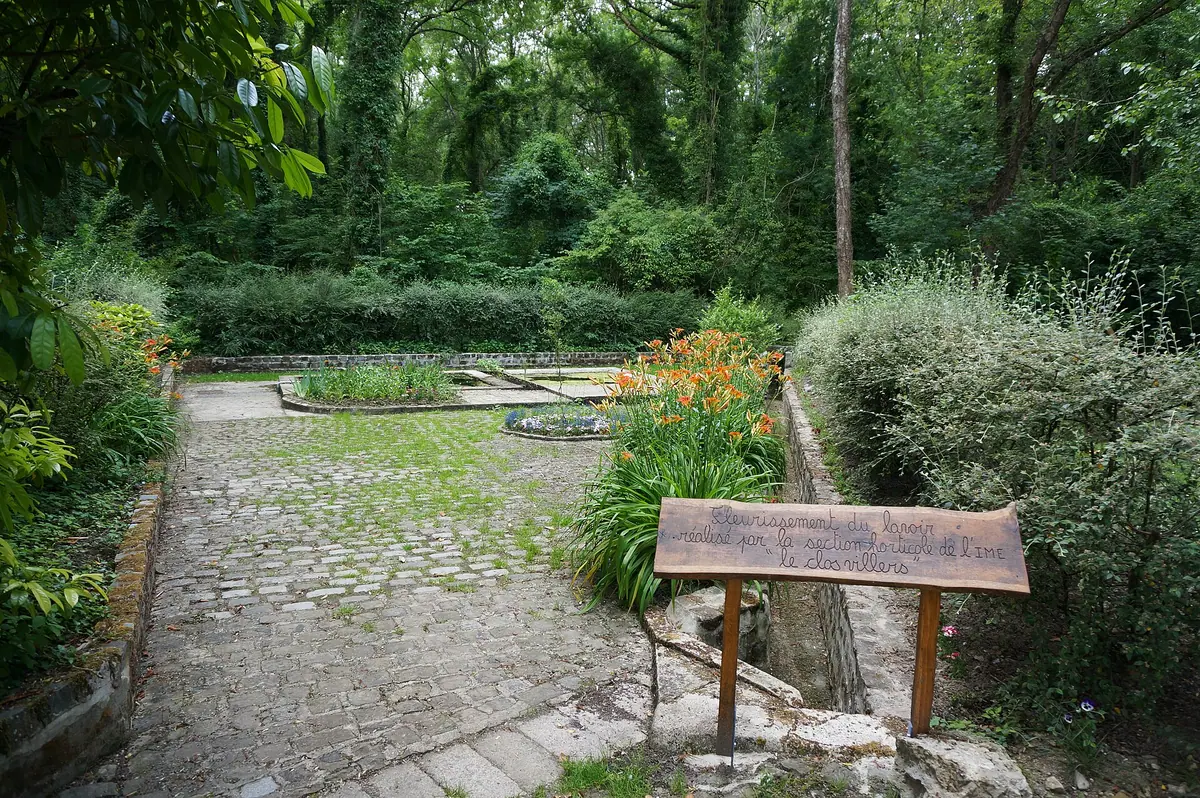
Clos is the French word for a vineyard enclosed by a wall, hedge or fence. In Champagne the term stands for very small, clearly defined single sites that produce some of the most sought-after cuvées.
Clos literally means "enclosed". It refers to a vineyard plot surrounded by a wall. The tradition goes back to the Middle Ages, when monasteries in particular fenced in their best parcels. The wall kept out thieves and game, but it also created a microclimate of its own: it stores heat, slows the wind and softens the risk of frost.
The Clos in Champagne
In Champagne, vineyards like these are the exception. The land is divided into many small parcels, yet the cuvée blended from many sites, grape varieties and vintages shapes the style of most houses. A Clos takes the opposite path: a single plot, usually a single grape variety and often a single vintage. The result is a champagne that carries the signature of one particular place.

Well-known examples
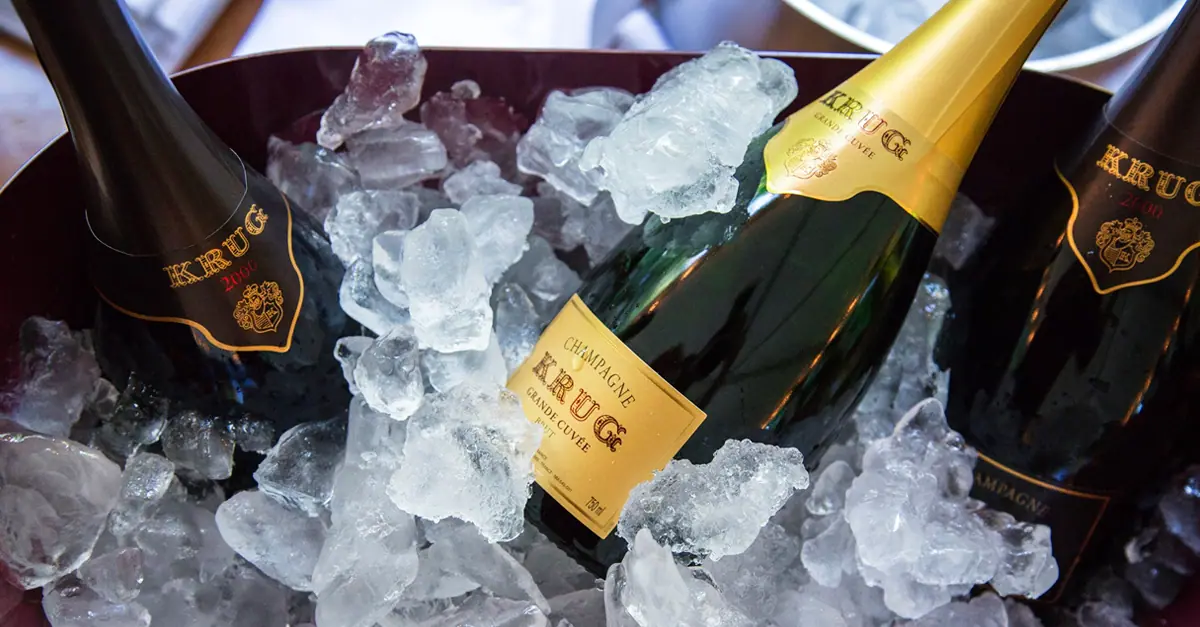
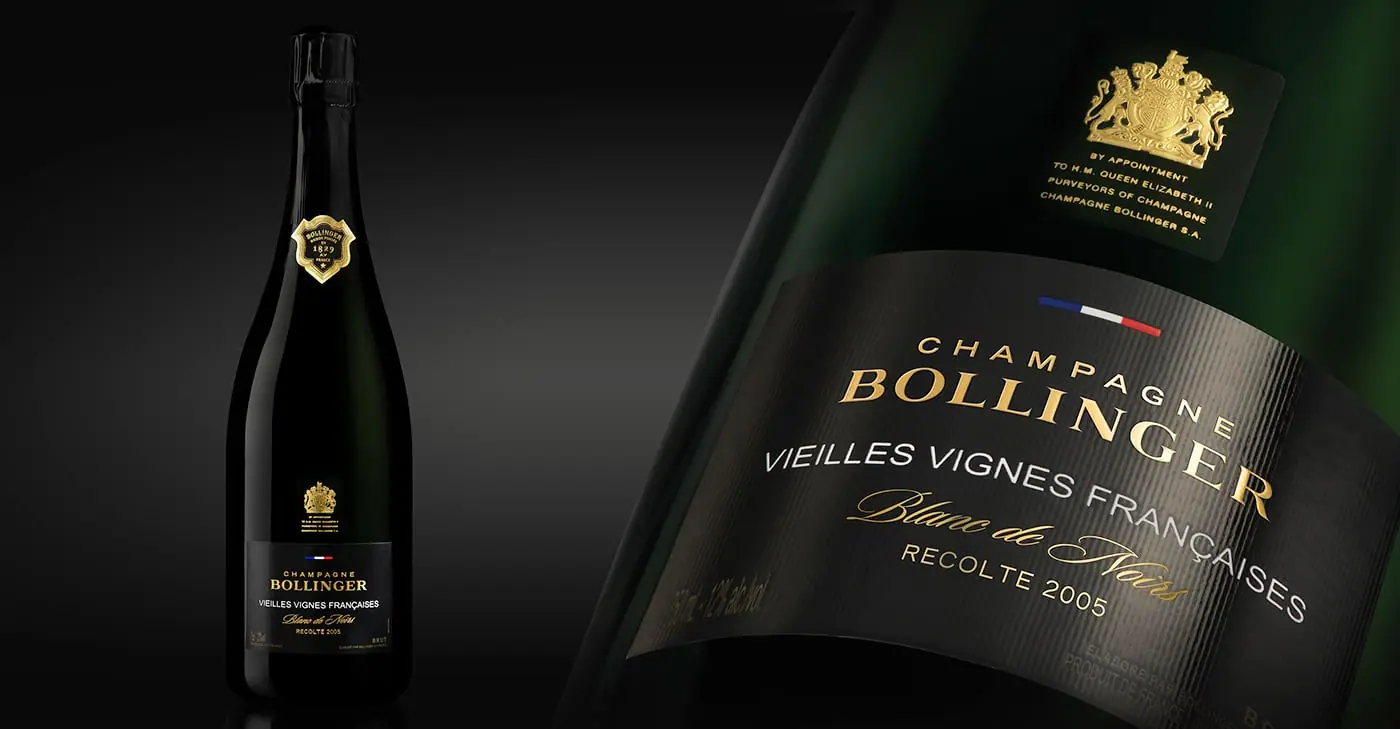
The most famous is Krug's Clos du Mesnil in Le Mesnil-sur-Oger, a pure Chardonnay from a walled vineyard of just under two hectares. Krug also makes the Clos d'Ambonnay, a Pinot Noir from an even smaller plot. Philipponnat produces Clos des Goisses in Mareuil-sur-Aÿ, a steep, south-facing slope whose first vintage was 1935. Billecart-Salmon bottles Clos Saint-Hilaire, a Pinot Noir from Mareuil-sur-Aÿ. At Bollinger, the Vieilles Vignes Françaises come from plots in Aÿ, including the Clos Saint-Jacques.
What the term tells you, and what it doesn't
A Clos on the label points to a clearly delimited site, but it is not a quality designation like Grand Cru or Premier Cru. Classification still depends on the village. Whether a wall is still fully standing usually matters little for the use of the name. What counts is the clear boundary and the history of the plot.
For wine lovers, these bottles are worth a look for two reasons. They show how strongly soil, site and grape variety can shape a champagne. And because yields are tiny, they are made only in good years and in small quantities. That explains prices and demand far above those of ordinary vintage champagne.
Pictures

 0 %
