
Aroma families are groups of related scents and flavours that let you describe champagne systematically, such as citrus, blossom, brioche or nuts. They help you compare styles, grapes and levels of maturity.
A single glass of champagne can smell of lemon, fresh bread, almonds and chalk all at once. To make impressions like these comparable, tasters sort them into aroma families: groups of related notes that fall roughly into three levels, namely grape, yeast and maturity.
Primary aromas: fruit and blossom
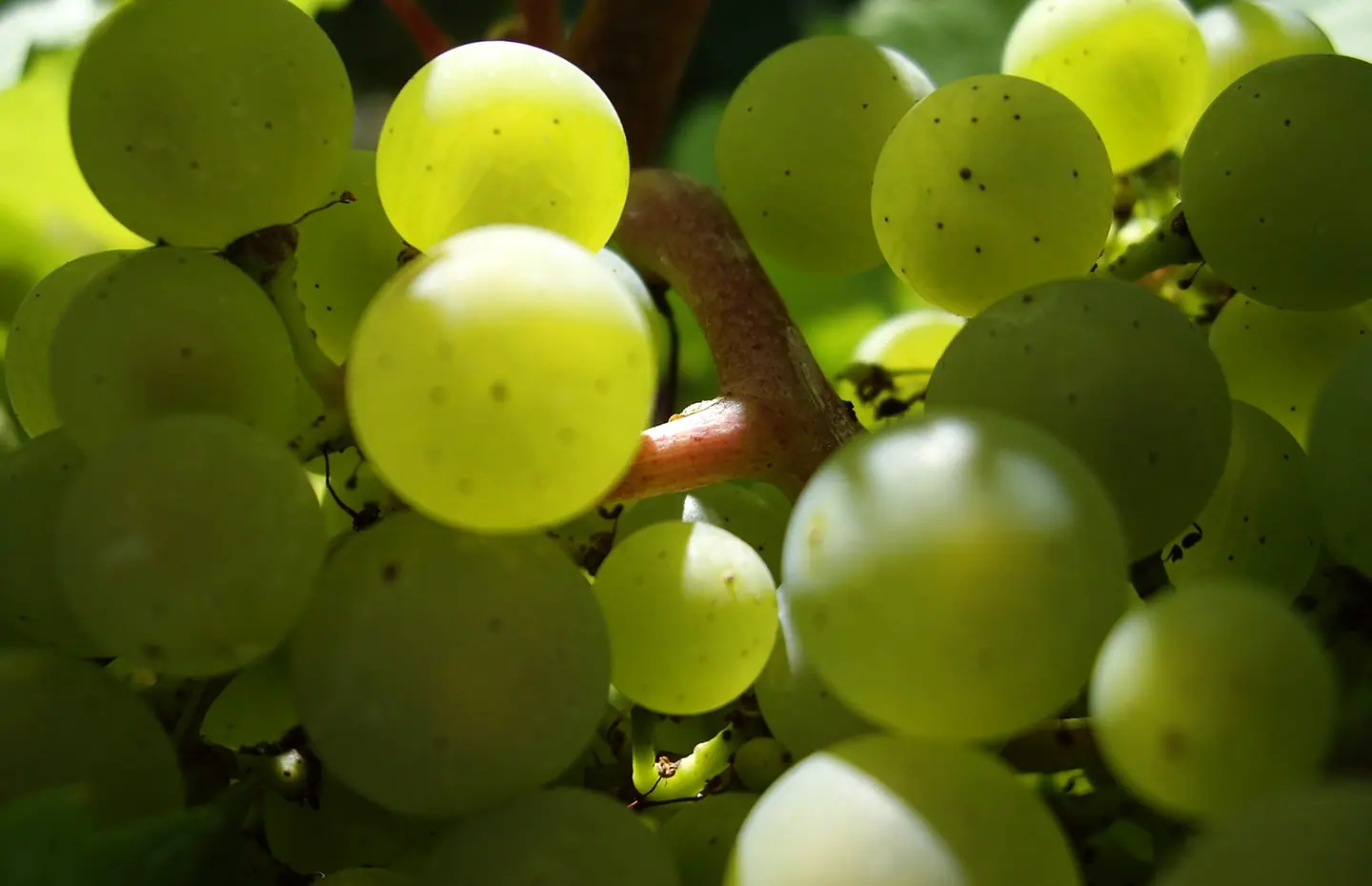
These come from the grapes and reflect the grape variety, the vintage and the site. Chardonnay, at home on the Côte des Blancs, typically shows citrus, apple, pear and white blossom such as hawthorn or acacia. Pinot Noir brings red fruit like cherry and raspberry and gives the wine body and structure. Meunier tends to feel round and approachable, often with notes of yellow fruit.
Secondary aromas: yeast and autolysis
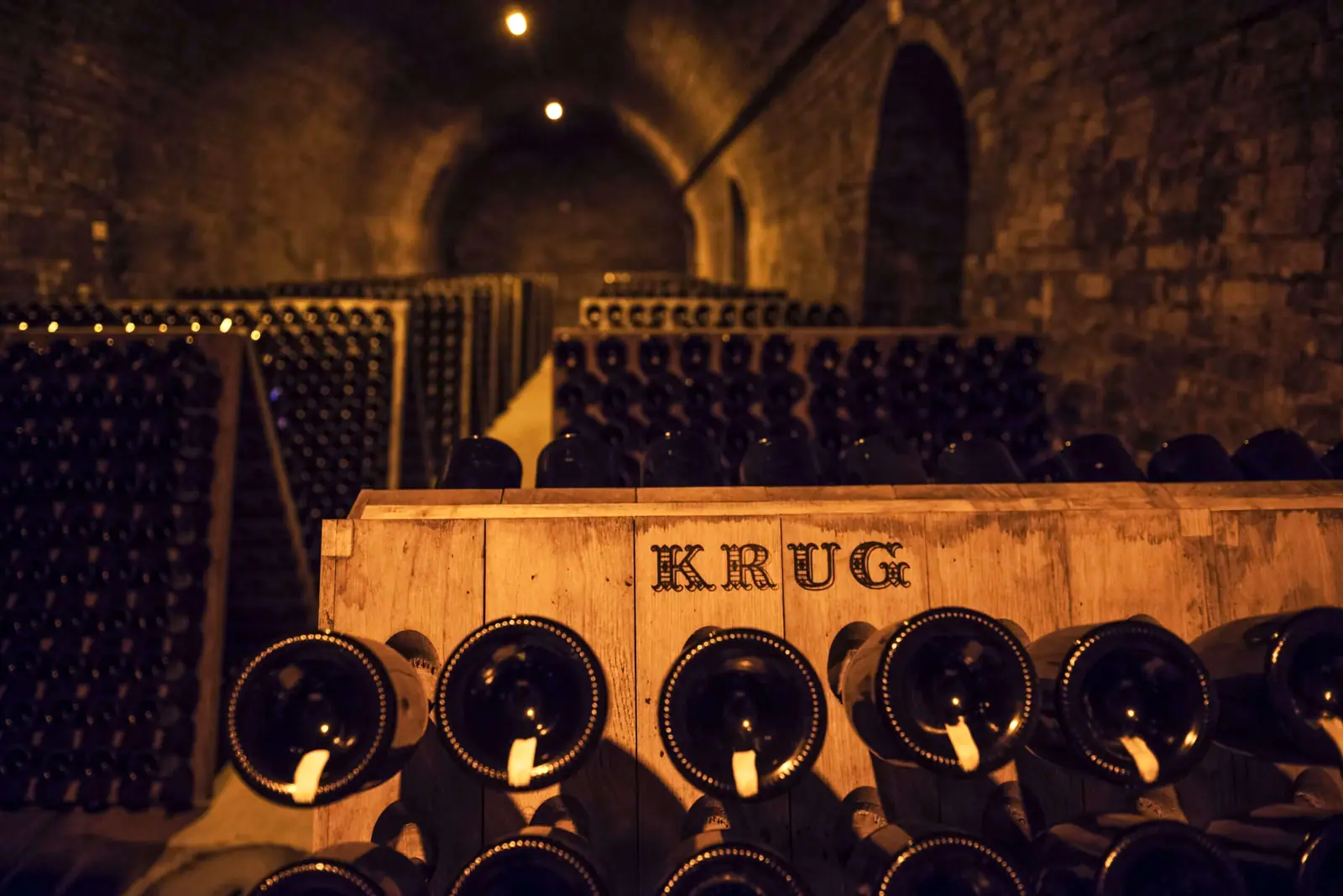
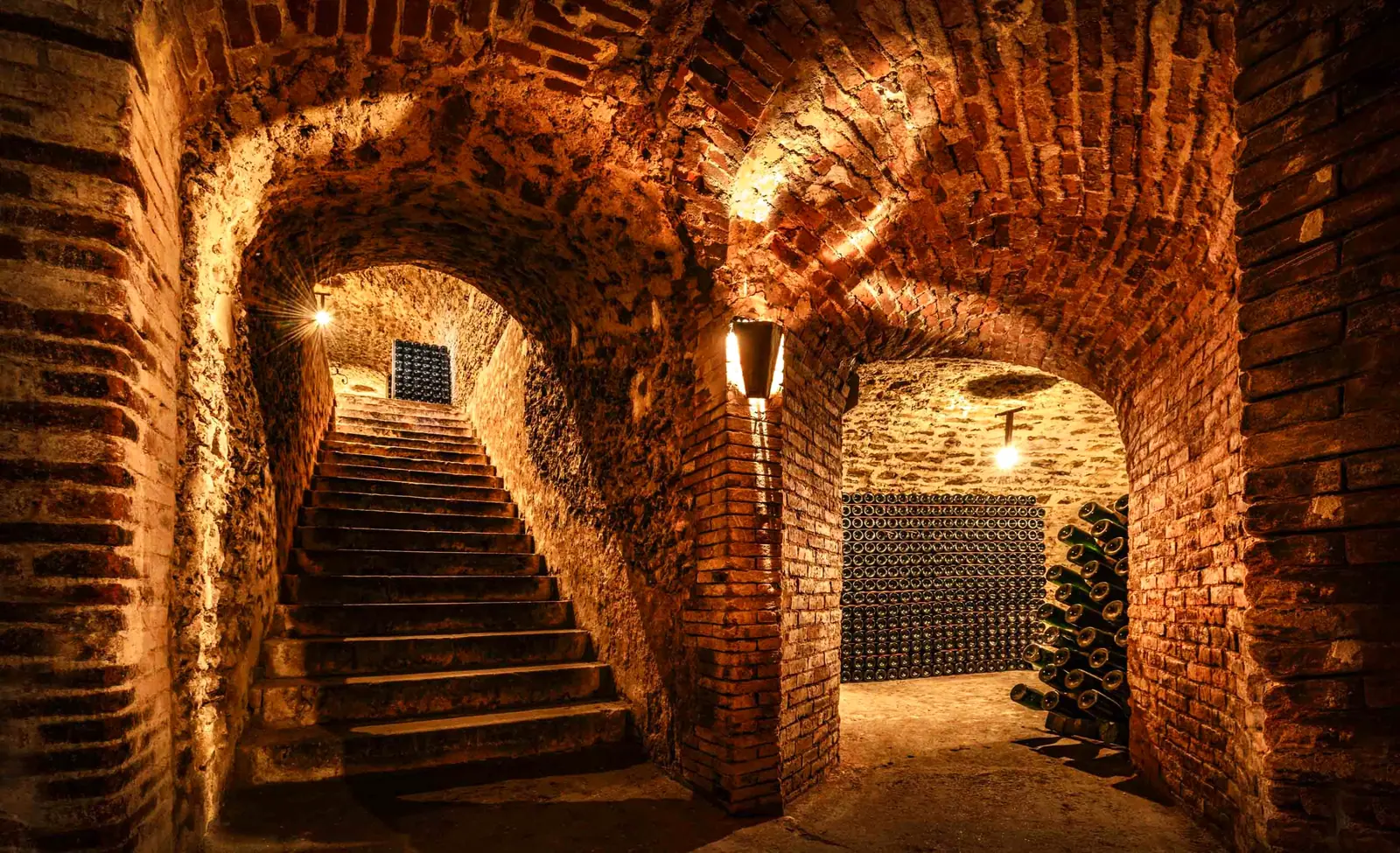
After the second fermentation, the wine rests in the bottle on its yeast. As the yeast cells gradually break down, a process known as autolysis, scents of brioche, toast, butter, pastry and almond develop. For non-vintage champagne the rules require at least 15 months of ageing, of which at least twelve on the lees, and for vintage champagne at least 36 months. Many houses age for longer, and that usually makes this family more clearly noticeable.
Tertiary aromas: maturity and development
Over the years the picture shifts. Fresh fruit gives way to honey, dried fruit, hazelnut, caramel, coffee, mushrooms or truffle. Reserve wines in the blend, the vins de réserve, and ageing in oak barrels can also contribute such notes. In mature bottles you sometimes hear the term rancio, a nutty, spicy note of age.
Minerality and dosage
Chalk, flint or salt are not aromas in the strict sense but rather an impression on the palate. In Champagne they are often linked with the chalk soils. The dosage, the addition of sugar just before the final corking, changes how the wine is perceived: a little sugar emphasises citrus and minerality, while more sugar makes the fruit seem riper and toasty notes softer.
In practice, it helps to use a glass that is not too cold and has enough room. Too much chill shuts down the scents, and only with a little warmth do the families reveal themselves one after another.
Pictures

 0 %
